
Decorative vessels
Jars, vases and pottery forms specified by function and finish.
Enquire about this range ↗Build a ceramic collection around form and finish Define the artwork, use and sample approval
Prepare a project brief for decorative and household ceramic forms, with painting and metallic-appearance requirements considered separately. Define the article, intended use, artwork, finish, sample and packing so the complete offer can be reviewed.
Manufacturing, product documents and order conditions depend on the model and supply route selected for your project.
Start with a product reference, intended use and estimated quantity. We bring product selection, sample questions and quotation details into one conversation.
Email your reference image ↗Choose a focused product or discuss a coordinated assortment. Each direction can be developed into a more specific model and packaging brief.
Jars, vases and pottery forms specified by function and finish.
Enquire about this range ↗Bowl, plate, tea-service, stool and fishbowl-form enquiries.
Enquire about this range ↗Review the appearance and the actual coating or decoration process.
Enquire about this range ↗Original designs can be developed from an agreed theme and sample specification.
Enquire about this range ↗Use these options to describe what you are buying. The public references identify your enquiry; the final model and specification are confirmed before an order.

Specify the vessel dimensions, opening, lid/closure, capacity, decoration and intended contents. Confirm fit, care and suitability for the actual use; no airtight or food-storage property is assumed.
Provide the required height, opening/base dimensions, weight, finish and display arrangement. Confirm water retention or dry-display use, stability and protective packing.
Define the form, colour, artwork, placement and handling requirements.
Confirm dimensions, water retention and intended ornamental or live-animal use; suitability is item-specific.
Specify dimensions, placement and intended loading; require stability/load confirmation before seating use.
Define shape, capacity, decoration, care and destination food-contact requirements.
Specify dimensions, form, decoration, stacking and the intended serving/display use.
List the pieces, capacities, fit, heat-use conditions and required documentation.
Discuss the body, finish and intended decorative or household use. Obtain the actual material and firing specification.
Metallic visual effects require coating, colour, adhesion, care and end-use confirmation. No electrical, barrier or corrosion performance is assumed.
Forming, hand-painted decoration and controlled firing are development directions; agree artwork, colour and finish acceptance.
Historical design direction: define the ceramic base, artwork and intended lamp integration; confirm the current scope and electrical responsibilities.
Historical design direction: specify the jar, lid, decoration and intended contents for present feasibility review.
Historical decoration directions can inform an original artwork brief; confirm design rights and current feasibility.
Historical surface-effect direction: define the ceramic form, artwork, pattern placement, colour and current sample requirements.
A reported finish direction for current project review; agree the actual coating process, artwork, colour and care requirements.
The ranges and historical decoration directions are enquiry starting points. No current dimensions, capacity, coating composition/thickness, MOQ, production timing or use certification is assumed. Obtain the current article specification, approved sample and written offer before selecting the order.
Focus the sourcing conversation on the features, materials and production details that make a difference to your product range.
Provide the vessel or household form, size and quantity mix, colour palette, artwork and intended setting. This makes both the technical and visual requirements reviewable.
A metallic or marble-like appearance does not establish the coating composition or functional performance. Define colour, pattern, adhesion, care and use requirements for the proposed finish.
Review the sample, lid/fit where relevant, care information, protection and required documentation with the commercial offer rather than treating decoration as the only selection criterion.
Bring artwork, reference samples and a target cost. The available process, minimum quantity, sample charges and development scope are reviewed for the chosen option.
Submit drawings, dimensions, capacities, colour references and design-rights confirmation. Feasibility, tooling, ownership, sample costs and minimum quantities require a current offer.
Define the artwork, pattern placement, finish and acceptable variation. Request a sample and agree the actual coating or decoration process before production approval.
Specify item quantities, marking, care card, gift presentation and protective packing. Confirm the included pieces, revision and packing configuration for the actual order.
Agree which product characteristics need testing and how the approved sample relates to the bulk order.
Agree dimensions, useful capacity, weight, stability, lid/fit, surface finish, colour and decoration placement against an approved drawing and sample.
Food/drink, water-filled display, live-animal, seating, heat and electrical integration have different requirements. Obtain confirmation and supporting evidence for the actual article and system.
Define adhesion/abrasion or other relevant finish checks, care limits, separation, fragile-area protection and transport acceptance. Metallic appearance alone is not a durability guarantee.
Test capability is a starting point for the inspection plan. Request the method, applicable model and results needed for your order.
Request the documentation that matches each actual article, intended use, producer and destination.
State the sales market, intended users and required files in your first enquiry. Current validity and scope are checked for the selected supplier and product; a category description does not certify every item.
Share your document requirements ↗Your sales channel changes the assortment, packaging and quality priorities. Tell us the intended use as well as the product name.
Prepare the shape, colour, artwork, placement and assortment brief with stability and handling requirements included.
Specify the actual pieces, capacities, contents, care and required food/drink-use documents before selecting a finish or approving the order.
Define original themes, painting or metallic-appearance targets, then review current feasibility, sample tolerances and the complete presentation.
Samples, commercial terms and responsibilities are agreed for the project. Use the same product and packing specification when comparing quotations.
Product, reference image, quantity, sales market and timing.
Review configuration, materials, sample scope and relevant documents.
Agree artwork, packaging, sample, testing and inspection criteria.
Set price, payment, production, delivery and defect remedies in writing.
Practical answers about this sourcing direction, customization and the reference options. Your agreed specification and written quotation determine the actual order.
We coordinate independent trade enquiries. The proposed producer and order scope are identified in the offer; this website does not claim ownership of source facilities or certifications.
Provide height, opening/base dimensions, capacity where relevant, lid or closure, artwork, finish, intended contents, quantity and packing. Clarify water-filled, dry-display or food-use requirements.
No stock availability is assumed. Treat them as design directions and request current feasibility, article specification, design-rights confirmation and a written offer.
It describes an appearance direction. Confirm the actual process, coating composition, colour, thickness if required, adhesion, care and intended-use limits for the proposed item.
A marble-effect decal is a surface appearance direction. Confirm the ceramic body, decoration process and care; a visual effect does not establish natural-stone construction.
No universal food-contact approval is claimed. Request matching documents for the actual body, glaze/decoration, intended use, producer and destination.
Do not assume this from the shape. Define the intended animal/water conditions, water retention, coating/material and cleaning requirements, then obtain a suitability assessment.
Confirm the intended load, stability, support surface and relevant testing for the exact article. A decorative form name alone does not establish a safe load rating.
The ceramic base and complete electrical system are separate scopes. Confirm the hardware, wiring, light source, assembly and applicable destination evidence in the proposed offer.
Provide original artwork, rights confirmation, colours, marking and packaging requirements. Current feasibility, tooling, samples, MOQ and approval steps must be agreed for the project.
Agree dimensional, fit, appearance and relevant finish/use checks, then define product separation, protection, carton quantities and transport acceptance.
They depend on the article, decoration, tooling, approval, quantity, packing and destination. Request current written terms rather than applying a generic condition to the range.
Factory Sourcing Hub handles this enquiry as an independent sourcing and trading service. The product route, supplier suitability, sample scope and order responsibilities are agreed for the actual project.
Send the product reference, quantities per variation, customization and packaging. Prices, minimums, sample charges and delivery dates are confirmed in a current quotation; the page is not a live inventory or price feed.
Yes. State whether you need a reference sample, a customized sample or development work. Agree the sample cost and shipping, approval specification, inspection plan and remedy for non-conforming goods before the bulk order.
Reference images, drawings, logo artwork and a product list are useful. Include quantities, the intended users and sales market, packaging, required documents and timing. After submitting the form, email attachments to kunhuow@gmail.com with your enquiry reference.
A reference picture or a short description is enough to begin. Add the details you already know; the optional fields help make the follow-up more useful.
Download the enquiry checklist ↓
Independent sourcing and trading service. Supplier choice, service costs and order conditions are discussed for your project.
Product selection, customization, samples and quotation enquiries.
Compare separate product ranges and prepare a brief that fits your assortment.
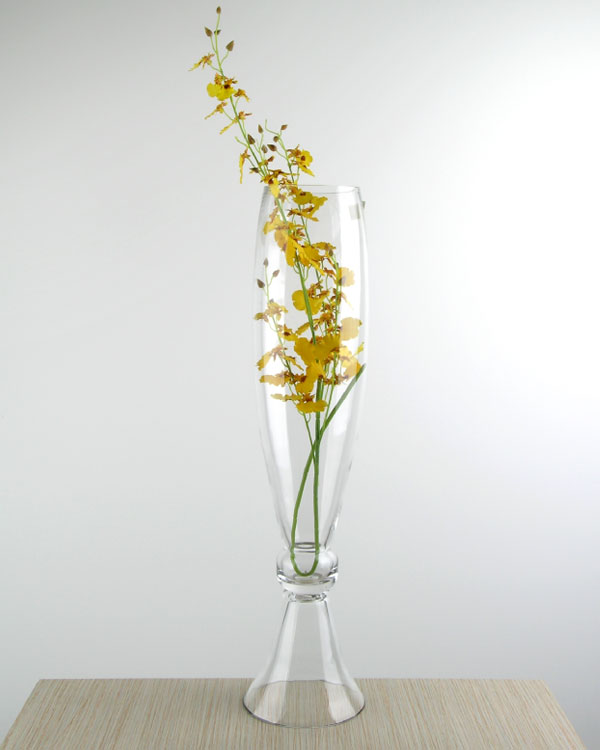
Source clear, coloured, smoke-gradient and metallic-effect glass vases, footed display vessels, candleholder directions, bowls and jars with defined sizes, finish samples and protective packing.
Explore this service ↗
Prepare household ceramic, tableware, tea-service and decorative-object enquiries with clear material, form, finish, function and presentation requirements. Confirm current article feasibility, samples, documentation and commercial terms before ordering.
Explore this service ↗
Bring decorative ornament and display ceramic projects into a clear purchasing brief, with the proposed form, ceramic body, finish and packing confirmed before ordering.
Explore this service ↗
Coordinate ceramic vases, planters, figurines, candleholders, picture frames and display pieces with a defined body, painted or plated appearance and packing brief.
Explore this service ↗Information basis: published product information reviewed . Reference details support a sourcing discussion. Current supply, samples and product-specific documents are confirmed for the selected item.