Independent B2B sourcing · One trading contactkunhuow@gmail.com ↗
FACTORY SOURCING HUBProduct sourcing for business buyers
Get a quote ↗
Home/Home & Lifestyle/Home Storage, Bathroom Accessories, Bins & Kitchen Housewares
Storage and shelving · waste sorting · pedal and sensing bins · bathroom accessories · mirrors · kitchen organisation · tableware and home décor

Build a coordinated housewares assortment. Bring kitchen, bathroom and everyday storage into one brief.

Home Storage, Bathroom Accessories, Bins & Kitchen Housewares

Source a broad housewares programme spanning storage baskets, racks and hooks, kitchen organisers, waste bins, laundry products, bathroom sets, mirrors, kitchen and table accessories, containers and decorative home directions. Develop the assortment around the actual materials, space, use, colour and packing requirements, with selected bin-design features and a dimensional basket reference to start the discussion.

  • Coordinate kitchen, bathroom, waste and storage directions across different materials.
  • Compare access, lid movement, removable parts, mounting and usable space.
  • Develop an authorised private-label range with samples, packing and a written inspection brief.

Manufacturing, product documents and order conditions depend on the model and supply route selected for your project.

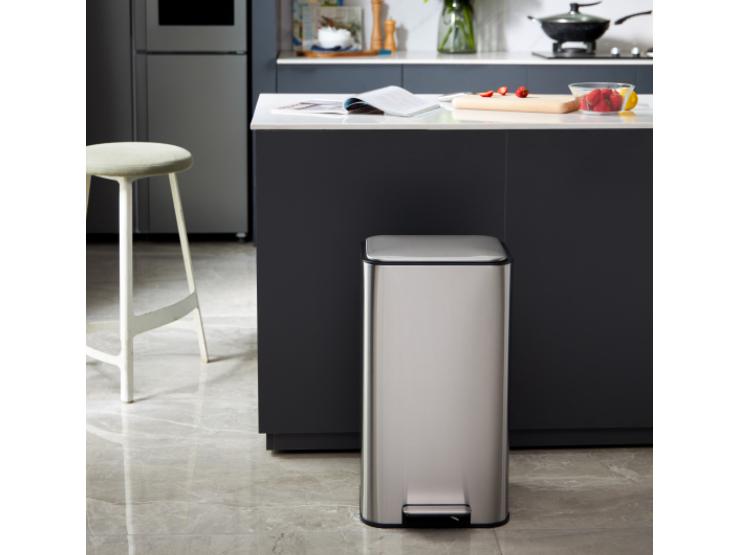
Plain-finish pedal bin beside a kitchen counter
Pedal-bin design direction. Capacity, material construction, finish and private-label availability require an item-specific quotation.

Start with a product reference, intended use and estimated quantity. We bring product selection, sample questions and quotation details into one conversation.

Email your reference image ↗
Main rooms and usesKitchen · bathroom · laundry · entryway · tabletop · general home storage
Material directionsStainless and other metals · wire and tube · plastic · resin and ceramic · glass · bamboo and wood
Waste-management formatsPedal bins · sensing-bin directions · vertical sorting designs
Programme planningProduct selection · authorised design development · coordinated presentation · sample and inspection requirements
Explore the product range

Build the range
your buyers need.

Choose a focused product or discuss a coordinated assortment. Each direction can be developed into a more specific model and packaging brief.

Storage baskets, boxes and household containers

Compare open baskets, enclosed storage boxes, larger bins and smaller organisers around the objects they must hold. Define the footprint, access opening, handles, usable space and intended load. Metal, wire, plastic and mixed-material directions need separate constructions and care information even when they share the same colour theme.

Enquire about this range ↗

Shelving, corner racks and wall storage

Develop shelf and rack directions for kitchen corners, general household storage and wall organisation. Specify the mounting surface, bracket layout, hardware, overall envelope and intended load. A hanging or wall-mounted item needs a defined installation and load brief; no universal no-drill or heavy-duty rating is assumed.

Enquire about this range ↗

Kitchen dish and utensil organisation

Dish racks, cup and plate holders, utensil organisers and wire countertop storage provide another assortment direction. Review drainage, contact points, sharp-edge control, spacing and stability with the buyer’s actual crockery and tools. Specify corrosion and finish requirements for the intended wet or dry area.

Enquire about this range ↗

Waste bins for everyday rooms

Waste-bin directions include kitchen and bathroom formats with different body, lid and inner-container arrangements. Compare footprint, working volume, bag retention, removal and cleaning. Select pedal, manual or other opening mechanisms individually, with the actual hinge, damper and liner details recorded on the sample specification.

Enquire about this range ↗

Vertical sorting and removable compartments

A vertical sorting direction separates upper and lower containers within a compact footprint. The documented design includes a touch-opening upper compartment, a movable lower section and removable inner containers. Review bag access, separation, lid clearance and stability; the design is a reference for an authorised programme rather than a transfer of source design rights.

Enquire about this range ↗

Sensing bins and smart-home directions

The broader portfolio includes sensing-bin and small smart-home directions. Start with the intended opening behaviour, power source, sensing distance, environment and cleaning method. Confirm the exact electrical components, instructions and destination-market evidence on a selected article before defining battery life, water protection or automatic performance.

Enquire about this range ↗

Laundry baskets and clothing organisation

Laundry baskets, garment racks, clothing hooks and shoe-storage directions support a coordinated laundry or entryway programme. Specify usable dimensions, ventilation, carrying grip, assembly, bag or liner inclusion and the load requirement. A freestanding rack needs a different stability and transport brief from a wall hook.

Enquire about this range ↗

Bathroom shelves, hooks and towel storage

Bath racks, corner storage, towel rails and hooks require an installation and moisture-exposure brief. Match the substrate, finish, fasteners, contact surfaces and drainage to the intended room. Agree the mounted load and corrosion checks for the selected design; a metallic appearance does not identify the material grade or coating.

Enquire about this range ↗

Bathroom sets, soap dishes and dispensing accessories

Coordinated bathroom directions include resin and other material sets, soap dishes and dispensing-container options. Define the actual included pieces, pump or closure, contact liquid, usable volume and care method. Coordinate the surface, colour and base details without assuming that every set uses the same resin, ceramic, plastic or metal construction.

Enquire about this range ↗

Mirrors, cosmetic and jewellery storage

Cosmetic mirrors, general mirrors, dressing-table organisers, cosmetic boxes and jewellery boxes provide a separate presentation-led direction. Confirm size, stand or mounting, compartment layout, edges, hinges and any magnification or lighting requirement. A mirror category does not by itself establish an electrical or optical specification.

Enquire about this range ↗

Bathroom mats and wet-area accessories

Bath mats and anti-slip-mat directions extend the wet-area assortment. Select the material, dimensions, backing, drainage and washing instructions for the actual surface and use. Agree the relevant slip and ageing tests rather than treating an anti-slip category description as a guaranteed result under every condition.

Enquire about this range ↗

Bread bins, canisters and countertop containers

Bread boxes, metal canisters, storage jars and kitchen containers provide a coordinated countertop direction. Define the actual material, liner, lid, seal, intended contents and cleaning access. Storage capacity, airtightness and food-contact suitability must be specified for the chosen item; an attractive finish does not establish them.

Enquire about this range ↗

Fruit, wine and beverage presentation

Fruit baskets, bottle racks, multi-level beverage racks, ice buckets and related serving accessories offer kitchen and tabletop directions. Review load, stability, bottle or fruit fit, contact surfaces and any insulation or drainage requirement. Specify the actual included accessories and avoid assuming a universal bottle size or holding duration.

Enquire about this range ↗

Tableware, kitchen utensils and serving items

The range extends to utensil sets, stainless cutlery, plates, cups, drinking vessels, placemats, table decoration and cutlery holders. Keep food-contact parts, steel grades, coatings and care instructions specific to the selected article. A mixed-material assortment should have separate test and packing requirements for each product type.

Enquire about this range ↗

Kettles, vessels and broader kitchen directions

Kettle and kitchen-vessel directions can be included in a wider housewares brief. Establish whether a selected kettle is a non-powered vessel or an electrical appliance, with the actual construction, capacity, handle, lid and intended heat source. Cookware compatibility or electrical approval is not inferred from a broad product category.

Enquire about this range ↗

Home décor, plant stands and outdoor-houseware directions

Decorative objects, door or window hanging accessories, plant stands, umbrella holders and other outdoor-houseware directions extend the room-based assortment. Define the finish, substrate, mounting, use environment and packing protection. Glass, bamboo, wood, ceramic, resin and melamine directions each require their own material and use specifications.

Enquire about this range ↗

Earlier barware and candleholder enquiries

Earlier range records also include manual ice-preparation accessories and stainless-steel candleholder directions. Send the actual function, size and finish brief to request a current proposal; no earlier model, numerical specification or availability is assumed.

Enquire about this range ↗
Reference product directions

Start with a product.
Define the details.

Use these options to describe what you are buying. The public references identify your enquiry; the final model and specification are confirmed before an order.

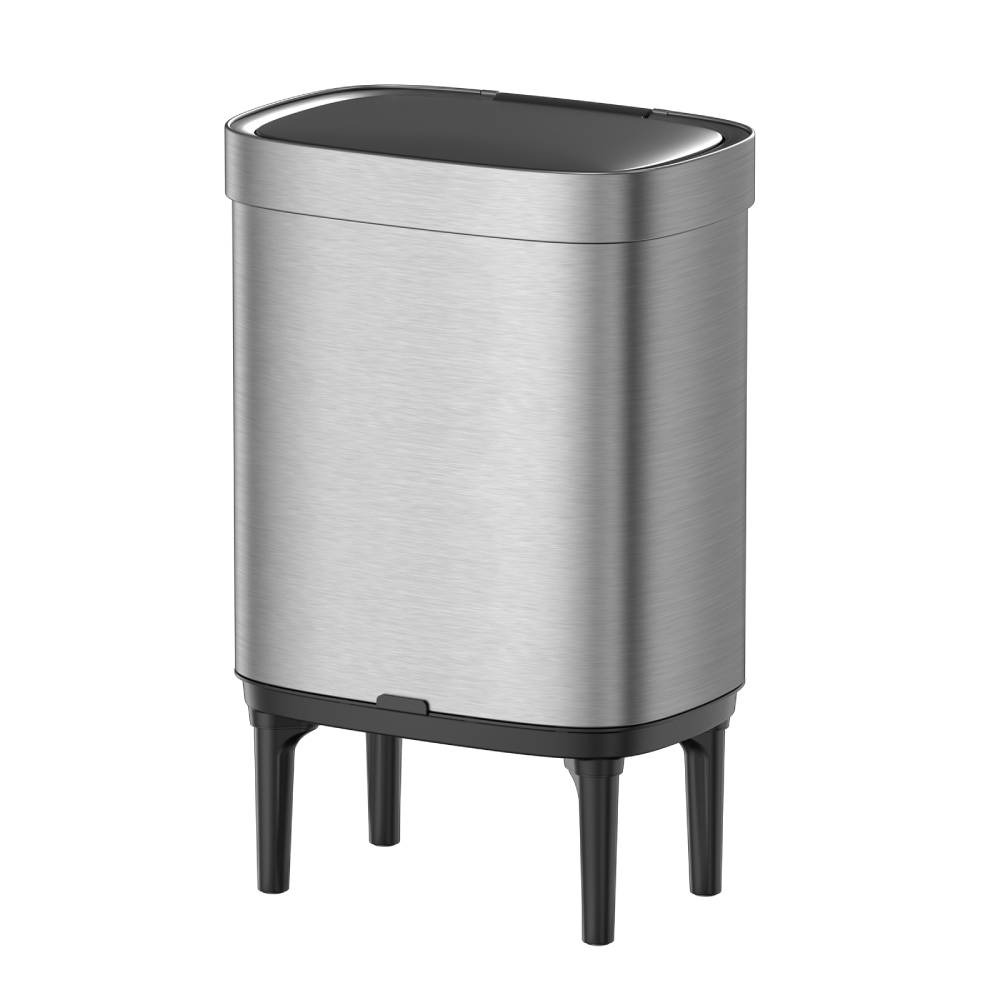
Vertical double-compartment sorting-bin direction sourcing illustration
REFERENCE 0164-01

Vertical double-compartment sorting-bin direction

A documented vertical design combines separately accessible upper and lower waste sections. It provides a useful brief for sorting, removal and lid access; the exact article, permissions, capacity and production configuration must be agreed before supply.

Layout
Vertical upper and lower compartments
Opening and removal
Touch-opening upper lid; movable lower section; independent inner containers
Lid feature direction
Replaceable activated-carbon component in the upper cover
Quotation requirements
Actual dimensions, working volumes, materials, filter supply and approved design
Discuss this option ↗
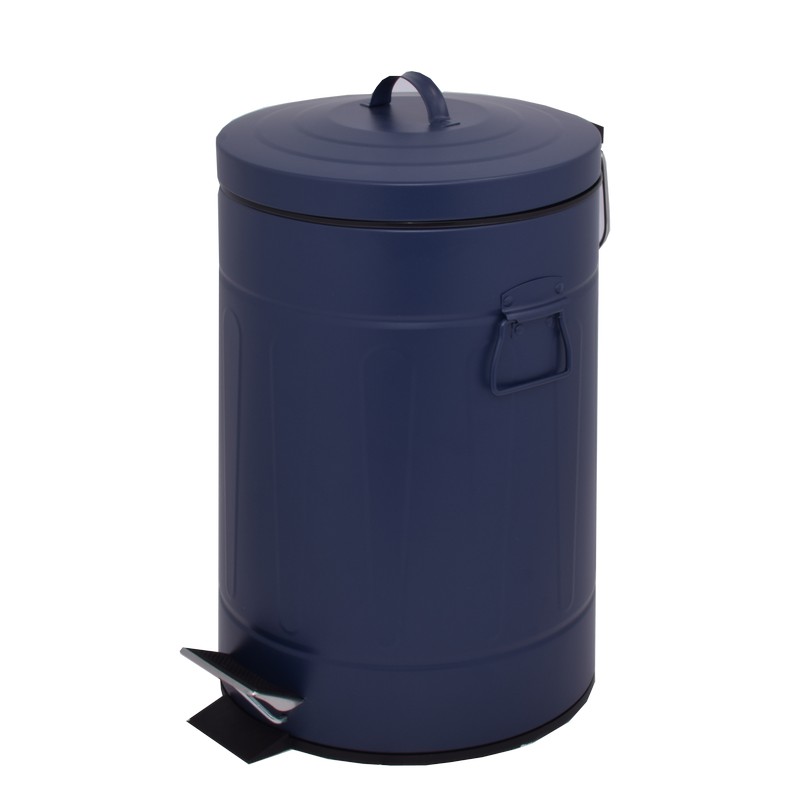
Unbranded pedal-bin style in a kitchen setting
REFERENCE 0164-02

Pedal-bin direction with damped lid

A compact, rounded rectangular bin direction provides a room-planning and lid-action reference. The exhibition description identifies a damped closing mechanism and an activated-carbon component; exact performance and consumable details need their own specification.

Form direction
Rounded rectangular footprint for corner planning
Opening / closing
Pedal-operated appearance; damped lid-closing direction
Lid accessory
Activated-carbon-containing pad direction
Final specification
Confirm capacity, dimensions, body and liner materials, damper and replacement parts
Discuss this option ↗
Open-mesh metal basket reference sourcing illustration
REFERENCE 0164-03

Open-mesh metal basket reference

A dimensional household-basket reference uses an open mesh body supported by ball-shaped feet. Use the dimensions to frame the intended room and load requirement; actual private-label design rights, finish and current supply must be confirmed separately.

Listed height
50.5 cm
Listed diameter
41 cm
Construction direction
Painted metal mesh with four ball-shaped feet
Colour reference
Green painted finish; other finishes require agreement
Discuss this option ↗
Kitchen rack and countertop-organisation programme sourcing illustration
REFERENCE 0164-04

Kitchen rack and countertop-organisation programme

Select dish racks, cup or plate holders, utensil racks and countertop organisers around the buyer’s items and available space. Review the actual geometry, finish, stability and drainage on an item-specific sample.

Product directions
Dish and cup racks; utensil and cutlery holders; wire countertop storage
Dimensions
Define around available space and actual load
Construction
Wire, tube, metal or plastic direction to select
Sample checks
Stability, contact points, finish, edges and drainage where applicable
Discuss this option ↗
Bathroom and laundry assortment programme sourcing illustration
REFERENCE 0164-05

Bathroom and laundry assortment programme

Combine towel storage, hooks, bath shelving, soap dishes, dispensing containers and laundry baskets into a coordinated room programme. Each mounting method, contact material, pump, liner and included piece needs its own specification.

Product directions
Bathroom shelves and sets; hooks and rails; laundry baskets
Material selection
Confirm per article, including substrate, coating and contact parts
Configuration
Mounting, hardware, pump or lid, liner and included pieces
Acceptance brief
Moisture exposure, stability, installation, care and protective packing
Discuss this option ↗
Tabletop, canister and home-storage programme sourcing illustration
REFERENCE 0164-06

Tabletop, canister and home-storage programme

Build a selected mix of bread bins, canisters, fruit baskets, bottle racks, mirrors, cosmetic storage and table accessories. Match the actual dimensions, material and surface to the intended use rather than applying a single specification across the assortment.

Product directions
Kitchen containers, tabletop accessories, mirrors and small organisers
Use requirement
Food contact, wet or dry storage, display or decorative use as applicable
Design requirement
Authorised design, colour and compatible finish
Packing requirement
Protective separation, item labels and agreed retail presentation
Discuss this option ↗

Product directions are starting points for a sourcing brief. Only the stated basket dimensions are used as a numerical reference; bin capacities and dimensions remain to be selected. Confirm the current article, design permissions, material construction, sample revision and quotation before ordering. Filter presence does not establish an odour-removal rate, and damped closing does not establish a zero-noise guarantee. A reference photo is not a certification or proof that a proprietary design can be freely reproduced.

What matters for this category

A better brief.
A clearer comparison.

Focus the sourcing conversation on the features, materials and production details that make a difference to your product range.

01

A broad room-based assortment

Bring storage, waste management, kitchen organisation, bathroom accessories, laundry and tabletop directions into a coordinated buying brief. Keep each item’s material, use, colour, care and packing requirements clear while planning a consistent presentation across the range.

02

Functional details that help evaluate samples

Sorting compartments, removable liners, pedal action, damped lids, filters, drainage, mounting and storage geometry provide concrete points for comparison. Prioritise the details that solve the buyer’s space and handling requirements, then agree measurable acceptance criteria.

03

Material and presentation choices

Stainless and other metals, wire and tube, plastics, resin, ceramic, glass and bamboo or wood directions allow different constructions to be considered. Select materials and compatible finishes by article, with authorised development and a separate approval record for any new design.

Branding, configuration & packaging

Make the product
fit your programme.

Bring artwork, reference samples and a target cost. The available process, minimum quantity, sample charges and development scope are reviewed for the chosen option.

01

Develop from an authorised brief

Provide drawings, a selected product direction, intended use, space limits, colour targets and original artwork. Private-label and design-development options require confirmation for the exact item. Agree mould or tooling scope, ownership, design rights, confidentiality and approval stages before starting new development.

02

Coordinate colour, finish and included pieces

Choose each substrate, coating, contact part, mounting detail, liner, pump or lid for the intended room. Use a master colour and appearance sample where coordination matters, with separate tolerances for different materials. Define the included pieces and compatible accessory options for every set.

03

Confirm samples, minimums and packing terms

Request an item-specific sample, charge, freight arrangement, minimum order and production schedule. Supply the retail presentation, protective packing and carton brief with the quantity split. No fixed minimum, sample delivery or bulk lead time is assumed for the entire assortment.

Quality & product evidence

Turn requirements
into checks.

Agree which product characteristics need testing and how the approved sample relates to the bulk order.

01

Control the actual material and finish

Define the substrate, metal grade where relevant, coating, plastic or resin type, glass or ceramic construction and food-contact parts. Agree surface defects, colour, welds or joints, sharp-edge control and corrosion requirements appropriate to each item and room.

02

Check function, stability and installation

Review lid and pedal cycling, liner removal, filters, hinges, pumps, hooks, racks, load and mounting where applicable. Use the approved sample and drawing to define repeatable tests. For sensing or powered articles, add the exact electrical and operating requirements for the destination market.

03

Inspect the complete packed assortment

Confirm dimensions, component count, fasteners, instructions, labels and protective separation before shipment. Pay attention to glass, mirror, ceramic and finished-metal contact points. Agree the inspection method and acceptance standard for each item rather than transferring one product’s test result to a whole mixed-material range.

Test capability is a starting point for the inspection plan. Request the method, applicable model and results needed for your order.

Documents matched to the order

Ask for evidence
that fits the product.

Prepare documents for the exact item, finish, components, intended use and sales market. Food-contact items, electrical directions, mirrors, mounted racks and wet-area products have different evidence needs. Current sample approval and complete-product test scope matter more than a broad catalogue claim.

State the sales market, intended users and required files in your first enquiry. Current validity and scope are checked for the selected supplier and product; a category description does not certify every item.

Share your document requirements ↗
Item and component specification
Request dimensioned drawings, working capacity or load, material and finish lists, accessory and fastener counts, installation details and approved sample records. Identify removable liners, filters, pumps, seals, power components or consumables separately where included.
Market and use-specific evidence
Specify the applicable food-contact, restricted-substance, electrical, stability, installation or other product requirements for the sales market. Review current reports for the actual article, coating and components. Confirm care instructions, warnings and any claim about recycled content or performance before use.
Artwork, packing and inspection file
Keep authorised logos, design permissions, colour references, retail-box or label layouts, protective packing, carton information and final inspection records together. Do not apply a customer’s compliance statement, test result or proprietary design to a different product without matching evidence.
Built around how you sell

Different buyers.
Different specifications.

Your sales channel changes the assortment, packaging and quality priorities. Tell us the intended use as well as the product name.

01

Home and kitchen retailers

Plan storage, waste, countertop organisation and tabletop items around room dimensions, intended load, materials and retail positioning. Coordinate appearance while giving each product its own functional, care and packing specification.

02

Bathroom, laundry and hospitality programmes

Compare bath sets, mirrors, towel and shelf storage, laundry baskets and bins around cleaning routines, moisture exposure and installation. Define the included pieces, replacement parts and operating environment before selecting the sample.

03

Private-label and promotional assortments

Develop an authorised selection with compatible colours, logos, retail labels and presentation. Confirm article-level availability, design permissions, sample approval and commercial terms before combining different items into a retail or gift set.

From first brief to a defined order

One contact.
A practical next step.

Samples, commercial terms and responsibilities are agreed for the project. Use the same product and packing specification when comparing quotations.

01

Share the requirement

Product, reference image, quantity, sales market and timing.

02

Compare suitable options

Review configuration, materials, sample scope and relevant documents.

03

Approve the specification

Agree artwork, packaging, sample, testing and inspection criteria.

04

Confirm the order plan

Set price, payment, production, delivery and defect remedies in writing.

Buyer questions

Before you send
your first enquiry.

Practical answers about this sourcing direction, customization and the reference options. Your agreed specification and written quotation determine the actual order.

What can a single housewares brief include?

The directions span kitchen and bathroom accessories, bins, storage baskets and boxes, shelving, hooks, laundry products, mirrors, cosmetic storage, tabletop items and home décor. Choose the actual items, materials, use and quantity split so the assortment can be quoted and sampled article by article.

Can the kitchen and bathroom ranges share a colour theme?

Yes, a coordinated appearance can be developed across selected items, subject to material and finish compatibility. A coated metal rack, resin bath set, plastic liner and glass container may need different processes and tolerances. Approve the actual samples together rather than assuming identical appearance from one colour code.

What is distinctive about the vertical sorting-bin direction?

The documented design places separate waste sections one above the other, with a touch-opening upper lid, a movable lower section and removable inner containers. It also identifies an upper-cover activated-carbon component. Confirm the actual sizes, access, liner removal, stability and design permissions for the supplied article.

Are the pedal and sensing bins the same product?

No. A pedal mechanism, a manual touch-opening lid and a powered sensing system have different components, operating requirements and inspection points. Select one actual configuration and specify the lid, hinge, damper, liner and any power or sensor parts independently.

Do filters guarantee an odour-free bin?

No universal result is assumed. Where a filter or carbon-containing pad is included, confirm its material, placement, replacement method and supply. Any odour-control claim needs a defined method and evidence for the actual article and conditions of use.

What numerical basket reference is available?

The cited open-mesh painted-metal basket reference lists a height of 50.5 cm and a diameter of 41 cm, with four ball-shaped feet. These dimensions describe that particular reference. Confirm the current article, design rights, load, finish and private-label availability before using it as a supply specification.

Can I source dish racks and wall organisers?

The directions include dish and cup racks, corner and wall shelving, utensil holders, hooks and general wire storage. Provide the actual items to be stored, available space, drainage needs, mounting surface and load requirement. Confirm the fasteners, installation instructions, edges and finish on the selected sample.

What should a bathroom-set specification contain?

List every included piece, material, surface, colour and base detail. Define dispensing pumps, soap contact, usable volumes, closures, mounting, liners and care where relevant. Coordinated appearance does not mean that every component has the same material, chemical compatibility or test scope.

Are all kitchen and tabletop products suitable for food contact?

Suitability must be established for the actual food-contact material, coating, contents, temperature, duration and sales market. A decorative basket, storage rack and food container have different intended uses. Request current item-specific evidence and instructions before making a food-contact claim.

Can I develop my own logo or product design?

Provide authorised artwork, drawings, space requirements and a selected product direction. Private-label and new-design options are confirmed for the specific item. Agree tooling, intellectual-property rights, sample approvals and presentation in writing; a reference image does not transfer the right to reproduce a protected design.

What are the minimum order and lead time?

The minimum, sample charge, sample timing and bulk schedule require a current quotation for the chosen items, quantities, colours, development and packing. No fixed figure is assumed across the whole housewares range. Include the required delivery date and any approval stages in the initial brief.

What information is needed before quoting?

Send the room and intended use, selected product types, dimensions or capacity and load targets, materials and finish, quantity split, sales market, artwork and packing requirements. Add installation, electrical, food-contact, care, inspection and document requirements wherever they apply.

Who handles my enquiry?

Factory Sourcing Hub handles this enquiry as an independent sourcing and trading service. The product route, supplier suitability, sample scope and order responsibilities are agreed for the actual project.

How do I get a price and order minimum?

Send the product reference, quantities per variation, customization and packaging. Prices, minimums, sample charges and delivery dates are confirmed in a current quotation; the page is not a live inventory or price feed.

Can I discuss samples and inspection before ordering?

Yes. State whether you need a reference sample, a customized sample or development work. Agree the sample cost and shipping, approval specification, inspection plan and remedy for non-conforming goods before the bulk order.

What should I attach to my email?

Reference images, drawings, logo artwork and a product list are useful. Include quantities, the intended users and sales market, packaging, required documents and timing. After submitting the form, email attachments to kunhuow@gmail.com with your enquiry reference.

Tell us what you are planning

Your next order
starts with a brief.

A reference picture or a short description is enough to begin. Add the details you already know; the optional fields help make the follow-up more useful.

  • Selected household items, intended room, use, dimensions and load or capacity
  • Materials, finish, mechanism, mounting, components and sales market
  • Quantity per article and colour, authorised artwork and design-development scope
  • Sample approval, packing, inspection, required documents and delivery date
kunhuow@gmail.com

Download the enquiry checklist ↓

Independent sourcing and trading service. Supplier choice, service costs and order conditions are discussed for your project.

Discuss your requirements.

Product selection, customization, samples and quotation enquiries.

Add product, quantity or customization details (optional)

Submit your enquiry directly. We use your details to respond to your sourcing request. For attachments, email kunhuow@gmail.com with your enquiry reference. Enquiry data use.

Information basis: published product information reviewed . Reference details support a sourcing discussion. Current supply, samples and product-specific documents are confirmed for the selected item.

Have a product in mind?
Share your sourcing brief.
Send an enquiry ↗