
Household and interlocking floor mats
Plain, patterned, puzzle and activity-area mat projects.
Enquire about this range ↗Specify floor mats for the way they will be used Compare materials, surfaces and storage formats
Prepare enquiries for interlocking EVA floor tiles, yoga mats, PU-surface folding mats and TPU or XPE play-mat directions. Compare item-specific construction and storage formats, then agree original artwork, samples, care, destination documents and packing.
Manufacturing, product documents and order conditions depend on the model and supply route selected for your project.
Start with a product reference, intended use and estimated quantity. We bring product selection, sample questions and quotation details into one conversation.
Email your reference image ↗Choose a focused product or discuss a coordinated assortment. Each direction can be developed into a more specific model and packaging brief.
Plain, patterned, puzzle and activity-area mat projects.
Enquire about this range ↗PU-surface, foam-core and compact-storage mat enquiries.
Enquire about this range ↗Material, cell structure, face finish and printing assessed by selected item.
Enquire about this range ↗Wiping-material projects specified separately from floor mats.
Enquire about this range ↗Use these options to describe what you are buying. The public references identify your enquiry; the final model and specification are confirmed before an order.

An EVA puzzle-tile reference includes the size below. Define the joining profile, thickness, surface, colours, border pieces and finished layout for a current sample.
A PU surface and high-density foam core combine with folding storage and textured faces. Review grip on the intended floor, cushioning, cleaning and folded dimensions for the selected sample.
A TPU-surface mat uses a foam core and a roll-up format. Specify the print, surface texture, cleaning method, storage needs and age-related product requirements.
A cross-linked polyethylene foam direction uses a closed-cell structure, laminated faces and printing on both sides. Confirm the surface finish, dimensions, cleaning and rolling requirements.
A PU surface over a foam core provides a folding floor-play direction. Agree the use and age scope, panel construction, size, thickness, cleaning and storage requirements.
A folding XPE mat is presented with film-covered faces for household activity use. Confirm panel arrangement, fold durability, surface finish, dimensions, cleaning and packed size.
An EVA puzzle-mat direction is presented with wood and cork wording. Specify the desired appearance and request the actual surface material, backing, size, heat-use limits and care information.
A synthetic-grass mat reference extends the floor-covering enquiry. Confirm the face, backing, drainage construction, intended location, weather exposure and cleaning requirements for the actual proposed article.
An EVA mat with everyday-life imagery provides a themed activity direction. Submit original artwork, layout, colours, piece sizes and intended use, then confirm the current construction and packing.
A themed EVA mat supports graphic-led room collections. Define lawful original artwork, colours, layout, surface and packing requirements without treating an illustrated theme as an electronic feature.
Letter, number and patterned EVA puzzle-mat directions complement plain interlocking tiles. Specify the full piece list, removable elements, border pieces and the intended age range for review.
Prepare mat enquiries for the stated activity, floor, space and storage needs. Specify cushioning, grip, dimensions and care requirements for the proposed construction.
Cleaning fabric appears alongside the mat range. Provide the intended wiping use, fibre composition, structure, dimensions, weight, finish and packing brief for current product selection.
Submit original artwork, dimensions, joining profiles, colour standards and label requirements. Request feasibility, samples, material and product-document needs, pack configuration and current commercial terms.
Construction and size references belong to the individual articles. Confirm the actual materials, thickness, joining profile, use and age scope, care, product documents and current pack. A soft mat or printed play theme does not by itself establish fall-protection or child-safety performance.
Focus the sourcing conversation on the features, materials and production details that make a difference to your product range.
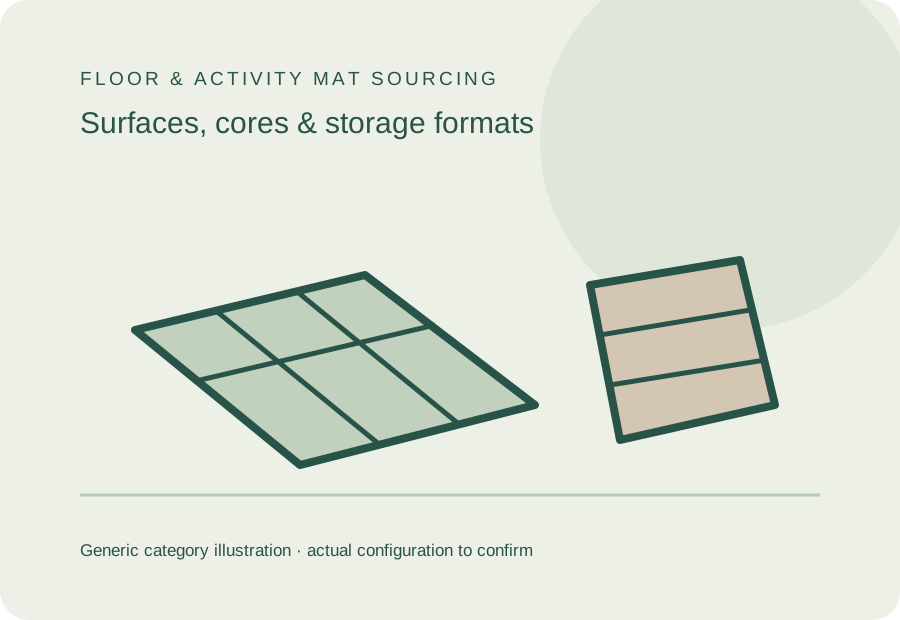
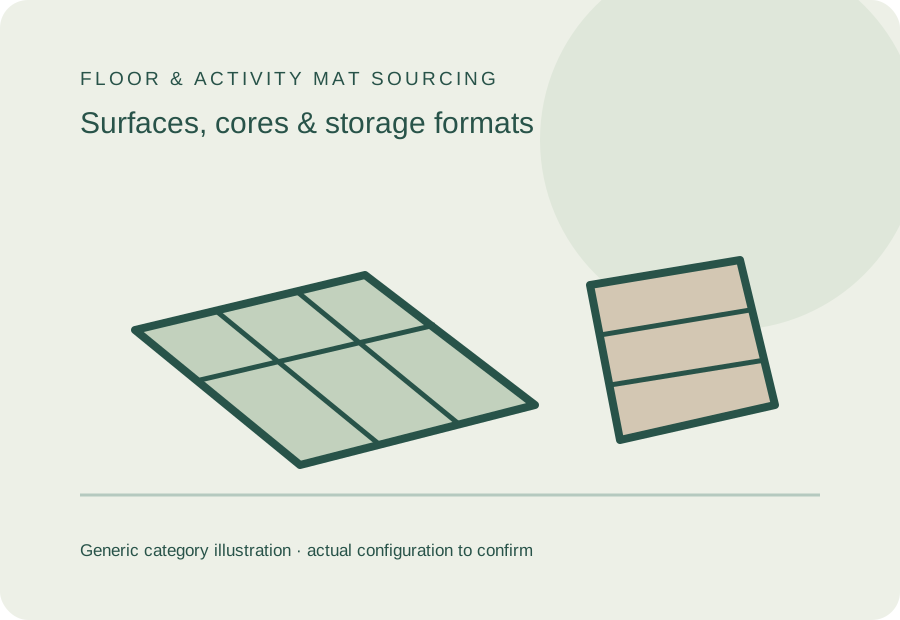
Distinguish the surface, core, face film, backing, texture and joining method. Keep the relevant material specification tied to the selected product.
Choose interlocking, folding or roll-up directions around the activity area, floor, cleaning routine and available storage space.
Specify colours, original graphics, tile or panel layout, border pieces and pack contents so a sample and offer can be assessed consistently.
Bring artwork, reference samples and a target cost. The available process, minimum quantity, sample charges and development scope are reviewed for the chosen option.
Provide a layout, intended thickness, joining profile, surface requirements and colour standards. Request current feasibility and sample arrangements for the proposed construction.
Submit artwork you own or may lawfully use, plus printing, language, age and warning requirements. Approve the actual proofs and label before ordering.
Define pieces per pack, border or accessory contents, folding or rolling arrangement, labels and protective packing. Request current quantities and timing for that configuration.
Agree which product characteristics need testing and how the approved sample relates to the bulk order.
Specify composition and destination-relevant chemical restrictions, then request current reports for the exact materials and product. Agree the sample and identification of the tested article.
Agree dimensions, thickness, joining fit, surface behaviour on the intended floor, fold or roll durability and cleaning acceptance criteria for the proposed mat.
For children’s products, specify the age range and intended activity. Review removable pieces, warnings, applicable product requirements and test scope for the complete article.
Test capability is a starting point for the inspection plan. Request the method, applicable model and results needed for your order.
A clear article file links the material layers, dimensions, piece list, artwork, intended use and packing to the current offer.
State the sales market, intended users and required files in your first enquiry. Current validity and scope are checked for the selected supplier and product; a category description does not certify every item.
Share your document requirements ↗Your sales channel changes the assortment, packaging and quality priorities. Tell us the intended use as well as the product name.
Prepare household or interlocking-mat projects around room dimensions, floor condition, cleaning, furniture placement and storage.
Define the activity, floor surface, cushioning, grip, dimensions and folding or rolling requirements for the selected exercise mat.
Plan age-appropriate mat collections with a clear piece list, lawful artwork, care and product-document requirements.
Samples, commercial terms and responsibilities are agreed for the project. Use the same product and packing specification when comparing quotations.
Product, reference image, quantity, sales market and timing.
Review configuration, materials, sample scope and relevant documents.
Agree artwork, packaging, sample, testing and inspection criteria.
Set price, payment, production, delivery and defect remedies in writing.
Practical answers about this sourcing direction, customization and the reference options. Your agreed specification and written quotation determine the actual order.
Provide the intended use, age scope, destination, quantity, dimensions and thickness. Include surface and core requirements, colours or original artwork, piece list and packing needs.
Consider the activity area, floor, storage space, cleaning routine and frequency of moving the mat. Confirm assembled and packed dimensions, joints, folds or rolling requirements on the selected sample.
The selected PU references describe a PU surface over a foam core. Ask for the actual core material and specification; a surface label does not define the entire construction.
The selected TPU reference describes a TPU surface over foam. The XPE roll-up reference describes cross-linked polyethylene closed-cell foam with laminated faces and printing on both sides. Compare the exact proposed construction and care requirements.
Agree the finished tile dimensions, measurement basis, thickness and joining profile. Confirm whether the layout includes border pieces and how much assembled floor area the proposed pack covers.
Define the intended age range, activity and complete piece list. Request relevant current product documents, warnings and test scope, including any removable components. A sample and soft feel alone do not establish compliance.
Describe the floor, expected use, dry or damp conditions and desired cushioning. Agree relevant checks for the actual sample and use conditions instead of relying on a general anti-slip or protection claim.
Send lawful artwork, colours, language and label requirements. Request printing and packing feasibility for the chosen material, then approve proofs, samples and the complete product label.
Request the actual surface, core and backing specification. A decorative or catalogue name may describe an appearance and should not replace material information for the current product.
Ask for care instructions for the actual surface and print. Include permitted cleaning products, drying, fold or roll requirements, and the intended storage conditions in the product brief.
Specify wiping use, fibre blend, structure, dimensions, weight, finish and packing separately. Request current product options and supporting information for the actual fabric.
Agree the current article, construction, dimensions, thickness, artwork, labels, sample and pack contents. Confirm product documents, care, carton details, availability and commercial terms.
Factory Sourcing Hub handles this enquiry as an independent sourcing and trading service. The product route, supplier suitability, sample scope and order responsibilities are agreed for the actual project.
Send the product reference, quantities per variation, customization and packaging. Prices, minimums, sample charges and delivery dates are confirmed in a current quotation; the page is not a live inventory or price feed.
Yes. State whether you need a reference sample, a customized sample or development work. Agree the sample cost and shipping, approval specification, inspection plan and remedy for non-conforming goods before the bulk order.
Reference images, drawings, logo artwork and a product list are useful. Include quantities, the intended users and sales market, packaging, required documents and timing. After submitting the form, email attachments to kunhuow@gmail.com with your enquiry reference.
A reference picture or a short description is enough to begin. Add the details you already know; the optional fields help make the follow-up more useful.
Download the enquiry checklist ↓
Independent sourcing and trading service. Supplier choice, service costs and order conditions are discussed for your project.
Product selection, customization, samples and quotation enquiries.
Compare separate product ranges and prepare a brief that fits your assortment.
Build household mat, liner, table-cover, decorative-tape and liquid-colour surface enquiries. Explore related fitness, pet and daily-care directions with item-specific construction, samples, labels, documents and packing requirements.
Explore this service ↗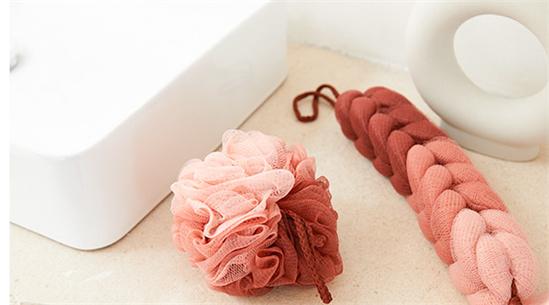
Source chenille and coral-fleece bath mats, printed rugs and cushions, dish-drying mats, cleaning cloths and mitts, blankets, beach towels, hair towels, bathwear, mesh puffs and related bathroom textile sets.
Explore this service ↗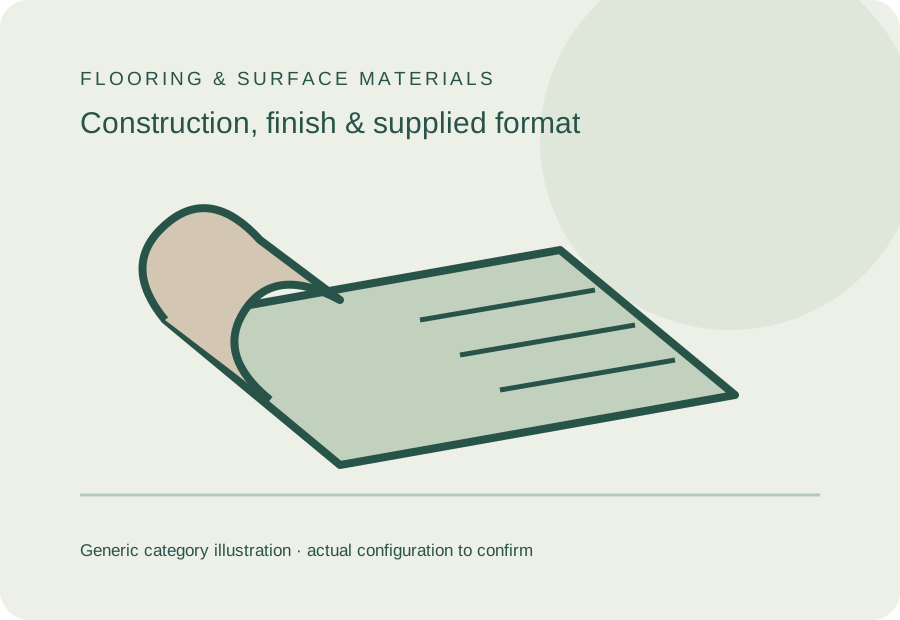
Prepare enquiries for tablecloths, placemats, runners, PVC cloth, decorative films, wall and glass coverings, book-cover film, writing-surface stickers and home mats. Selected nonwoven fabric, bag and flooring directions extend the range.
Explore this service ↗
Source plush and faux-fur rugs, printed and plain collections, washable folding rug projects, recycled-pile options, home mats, cushions, throws and project carpets with item-specific construction and packaging.
Explore this service ↗Information basis: published product information reviewed . Reference details support a sourcing discussion. Current supply, samples and product-specific documents are confirmed for the selected item.