
Sensor and separated-waste formats
Opening controls, compartments, liners and power specified by article.
Enquire about this range ↗Match practical household products to daily use Specify each control, component and configuration
Prepare sensor, pedal, sorting and commercial-bin enquiries alongside cosmetic mirrors, soap dispensers, kitchen organizers and small appliance directions. Compare specific reference sizes and functions, then agree variants, samples, documents, labels and packing.
Manufacturing, product documents and order conditions depend on the model and supply route selected for your project.
Start with a product reference, intended use and estimated quantity. We bring product selection, sample questions and quotation details into one conversation.
Email your reference image ↗Choose a focused product or discuss a coordinated assortment. Each direction can be developed into a more specific model and packaging brief.
Opening controls, compartments, liners and power specified by article.
Enquire about this range ↗Household bins compared by operation, shape and service needs.
Enquire about this range ↗Bin layout, openings, bags and maintenance for the intended location.
Enquire about this range ↗Compact waste containers, tea-waste handling and kitchen organizers.
Enquire about this range ↗Configuration, power, components and current product documents reviewed separately.
Enquire about this range ↗Use these options to describe what you are buying. The public references identify your enquiry; the final model and specification are confirmed before an order.

A sensor-opening bin reference includes the capacity and dimensions below. Review the opening space, controls, liner arrangement, power version and bag fit for the actual proposed article.
A pedal-operated sorting reference combines a stay-open lid option with controlled closing. Confirm the compartment arrangement, floor space, bag fit and the approved cleaning instructions.
A commercial open-top reference uses a removable top and bag-retaining ring. Confirm the exact opening, bag arrangement, cleaning access and service needs for the intended location.
An illuminated mirror reference combines manual and sensor controls with brightness adjustment. Confirm the lighting version, mirror configuration, power supply, angle and placement requirements.
A sensor dispenser reference offers liquid and foam configurations. Specify the required liquid, output form, controls, refill access, power and finish for the actual version.
An electric salt-and-pepper mill reference uses a ceramic grinding mechanism and glass reservoir. Confirm seasoning compatibility, grind selection, battery type, refilling and cleaning requirements.
Sensor bins and separated-compartment directions support varied household spaces. Define capacity, opening space, liners, controls, bag fit and the preferred power arrangement for each current proposal.
Pedal bins provide several shapes, capacities and liner arrangements. Specify foot access, lid clearance, desired closing action, cleaning, colour and placement needs for the chosen article.
A touch-operated bin direction complements pedal and sensor formats. Define the opening control, lid behaviour, liner and bag requirements, size and use conditions for a current item proposal.
Open-top and commercial designs cover different layouts and service routines. Specify the waste stream, opening, capacity, liners, bag changes, finish and location requirements.
Compact countertop and hanging waste-container directions address food-preparation areas. Define mounting, usable space, lid, cleaning, bag fit and the desired waste-handling routine.
A tea-water waste-container direction combines filtering and collection functions. Specify how liquid and solids should be handled, cleaning access, capacity, placement and bag requirements for the proposed item.
Utensil organizers and draining racks extend kitchen coordination. Define the utensil mix, compartment layout, assembly, drainage, cleaning, dimensions and countertop or sink placement.
Rice-storage directions can be assessed by volume, dispensing, closure and cleaning needs. Confirm the actual construction and relevant food-use documents for the intended contents and market.
Wine-opening and vacuum-storage directions require separate component and power specifications. Define bottle or closure compatibility, operation, pack contents, batteries or charging, and current product documents.
Compact and double-sided mirrors complement the illuminated reference. Specify magnification, lighting, dimensions, stand or tray arrangement, power and travel or storage requirements for the selected configuration.
Bag and scent-holder directions should be matched to the actual bin. Provide bag dimensions, drawstring or closure needs, holder configuration, refill type and pack contents for a compatible proposal.
A separate rechargeable-battery accessory direction requires exact product matching. Request the approved battery, charger, connector, electrical specifications and instructions for the selected powered article.
Submit a lawful design brief, desired configuration, finish, colours, labels and packing. Request current feasibility, sample stages, minimum quantity and terms for a separate product-development enquiry.
Reference dimensions and features belong to the individual articles and versions. Confirm actual capacity, liner arrangement, controls, power, included accessories, care and current product documents before selection. A shared series name or similar exterior does not establish the same functionality.
Focus the sourcing conversation on the features, materials and production details that make a difference to your product range.
Compare capacity together with liners, compartments, lid opening, controls and power. Confirm the selected article rather than choosing by appearance alone.
Include bag replacement, refill access, cleaning, lid clearance, placement and compatible consumables in the product brief.
Plan bin, mirror, dispenser and kitchen-accessory enquiries with clear specifications, finish preferences, component lists and packing needs.
Bring artwork, reference samples and a target cost. The available process, minimum quantity, sample charges and development scope are reviewed for the chosen option.
Provide the intended use, drawings or lawful reference, dimensions, configuration and finish. Request current development feasibility and sample arrangements.
Define colours, original artwork, label language and retail or hospitality presentation. Review the permitted supply and presentation options for the selected product.
Agree the current article and included components, sample identification, pack contents, minimum quantity and schedule before order commitments.
Agree which product characteristics need testing and how the approved sample relates to the bulk order.
Review actual size, clearances, liners, controls, lid action, mounting or stand, finish and component fit against the intended routine and approved sample.
For powered products, request the exact battery or charging configuration, instructions and relevant current product documents. Confirm the intended liquid, seasoning, accessory or use conditions.
Agree cleaning and maintenance instructions, labels, protective packing, component checks, carton counts and acceptance criteria for the selected offer.
Test capability is a starting point for the inspection plan. Request the method, applicable model and results needed for your order.
The current offer should identify the actual article, configuration, compatible components, instructions and packing together.
State the sales market, intended users and required files in your first enquiry. Current validity and scope are checked for the selected supplier and product; a category description does not certify every item.
Share your document requirements ↗Your sales channel changes the assortment, packaging and quality priorities. Tell us the intended use as well as the product name.
Prepare bins, kitchen-waste containers, organizers, dispensers and small appliance briefs around room and user requirements.
Plan bin capacities, appearance, access, bag replacement, cleaning and associated household products for the intended setting.
Coordinate a defined assortment with lawful design requirements, sample review, labels and current packing terms.
Samples, commercial terms and responsibilities are agreed for the project. Use the same product and packing specification when comparing quotations.
Product, reference image, quantity, sales market and timing.
Review configuration, materials, sample scope and relevant documents.
Agree artwork, packaging, sample, testing and inspection criteria.
Set price, payment, production, delivery and defect remedies in writing.
Practical answers about this sourcing direction, customization and the reference options. Your agreed specification and written quotation determine the actual order.
Provide the product list, use, destination, quantity, capacity and dimensions. Include controls, power, finish, liner or component requirements, labels and packing.
Compare the exact capacity, external dimensions and liner arrangement together. A bin without an inner liner may have the same exterior dimensions as a lower-capacity lined version.
Functions vary with the article and version. Confirm manual modes, sensor disabling, batteries, charging and direct-power options on the current specification and sample.
Specify each compartment, liner, waste stream and bag size. Check lid access, removal of filled bags, cleaning and the available floor and opening space.
Define the waste stream, user flow, opening, capacity, bag retention and cleaning routine. Confirm the removable parts, liner configuration and intended location.
State required magnification, lighting modes, brightness control, adjustment, size, stand and power. Confirm whether detail mirrors or other components are included with the selected version.
Select the required output format and compatible formulation. Confirm the current liquid or foam configuration, dosage settings, refill method, power and material compatibility for that exact version.
Specify seasoning, reservoir, grind adjustment, activation, battery requirements and cleaning. Request the exact material and relevant food-use information for the chosen article.
Provide the exact bin or powered-product configuration and required accessories. Confirm fit, electrical compatibility and pack contents separately; similar series names alone do not establish compatibility.
Describe contents, operation, dimensions, closure or bottle compatibility, drainage where relevant and component requirements. Include power, care, labels and relevant product documents.
Submit lawful artwork, desired finish, language, configuration and quantity. Request current feasibility and supply terms, then approve the sample, complete component list and final packing.
Confirm the current article and variant, included components, sample, operation and care instructions, product documents, labels, pack and carton details, availability and commercial terms.
Factory Sourcing Hub handles this enquiry as an independent sourcing and trading service. The product route, supplier suitability, sample scope and order responsibilities are agreed for the actual project.
Send the product reference, quantities per variation, customization and packaging. Prices, minimums, sample charges and delivery dates are confirmed in a current quotation; the page is not a live inventory or price feed.
Yes. State whether you need a reference sample, a customized sample or development work. Agree the sample cost and shipping, approval specification, inspection plan and remedy for non-conforming goods before the bulk order.
Reference images, drawings, logo artwork and a product list are useful. Include quantities, the intended users and sales market, packaging, required documents and timing. After submitting the form, email attachments to kunhuow@gmail.com with your enquiry reference.
A reference picture or a short description is enough to begin. Add the details you already know; the optional fields help make the follow-up more useful.
Download the enquiry checklist ↓
Independent sourcing and trading service. Supplier choice, service costs and order conditions are discussed for your project.
Product selection, customization, samples and quotation enquiries.
Compare separate product ranges and prepare a brief that fits your assortment.
Source sensor, pedal, touch and open-top waste bins, recycling compartments, wall-mounted food-waste caddies, tabletop and tea-waste bins, bathroom accessories, kitchen organizers, rice dispensers, soap dispensers, mirrors and bar tools.
Explore this service ↗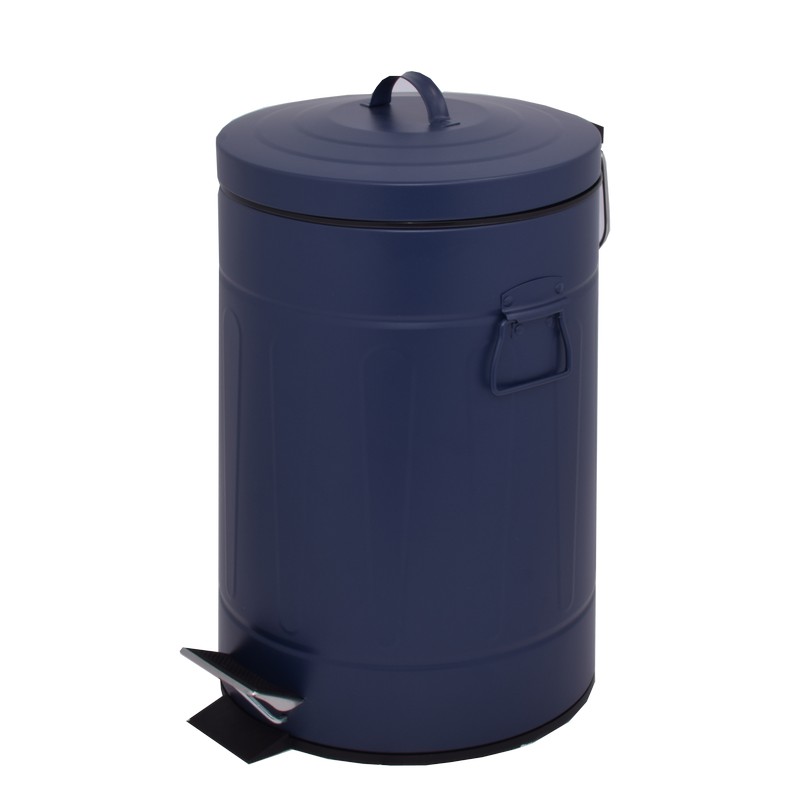
Source metal household products covering pedal and sensor waste bins, recycling units, bread boxes, pantry canisters, ice buckets, bar accessories, paper holders and bathroom collections. Compare selected model dimensions, body and lid materials, mechanisms, surface finishes and private-label packing before approving samples.
Explore this service ↗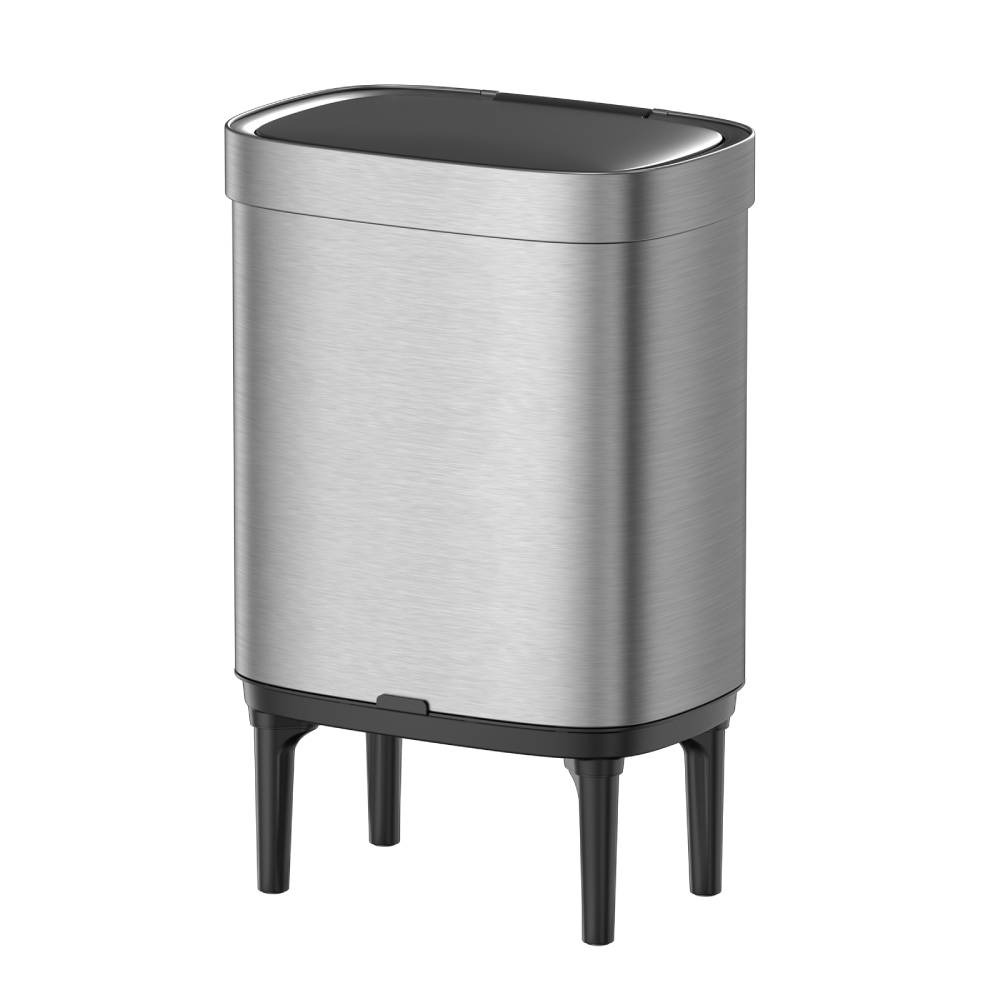
Source sensor, pedal, touch and sorting bins, automatic soap dispensers, dish racks, cabinet organizers, bread bins, shower caddies, toilet accessories, laundry hampers, storage racks and utility carts.
Explore this service ↗
Prepare wooden and household decorative-mirror projects alongside separate food-preparation, slow-cooker and vacuum-cleaner enquiries. Define the selected article, materials or functions, dimensions, destination requirements, samples, documents and packing.
Explore this service ↗Information basis: published product information reviewed . Reference details support a sourcing discussion. Current supply, samples and product-specific documents are confirmed for the selected item.