
Willow baskets and woven crafts
Storage baskets and willow-woven decorative/craft articles.
Enquire about this range ↗Source Woven Storage and Display Collections Specify the Fibre, Construction and Finished Presentation
Coordinate willow baskets, laundry hampers, willow/grass trays, straw storage, wire baskets and other fibre-woven articles with current material, construction, samples and packing enquiries.
Manufacturing, product documents and order conditions depend on the model and supply route selected for your project.
Start with a product reference, intended use and estimated quantity. We bring product selection, sample questions and quotation details into one conversation.
Email your reference image ↗Choose a focused product or discuss a coordinated assortment. Each direction can be developed into a more specific model and packaging brief.
Storage baskets and willow-woven decorative/craft articles.
Enquire about this range ↗Willow laundry baskets with current construction and handling confirmation.
Enquire about this range ↗Tray projects for the specified presentation and intended contents.
Enquire about this range ↗Grass baskets and straw-woven storage baskets.
Enquire about this range ↗Iron/wire basket and miscanthus, bast-fibre or thatch-woven enquiries.
Enquire about this range ↗Willow fruit-basket enquiries; confirm the actual contact conditions.
Enquire about this range ↗Use these options to describe what you are buying. The public references identify your enquiry; the final model and specification are confirmed before an order.

Send the intended contents, shape and handling requirements.
Specify the laundry setting, access and carrying needs.
Provide the display arrangement and desired profile.
Compare the desired natural-fibre appearance through a current sample.
Send the required construction and use setting.
Confirm the contents, protection and presentation.
These are product-family references. Agree the actual fibre or metal, construction, measured dimensions, finish and approved sample for the current design. State whether contents will contact the article directly, and specify load, moisture, cleaning, outdoor or transport conditions before requesting matched evidence. Liners, lids and coatings are design options to confirm.
Focus the sourcing conversation on the features, materials and production details that make a difference to your product range.
Build a basket/tray assortment around the room, contents, shelf fit, palette and price position. Compare current samples for the actual fibre, weave and finish.
Define usable capacity, rim and base, handles, lifting method and intended load. Confirm the offered construction and acceptance checks before ordering.
Specify nesting, surface protection, item labels, retail presentation and carton contents. Approve packed samples and current measured shipment data.
Bring artwork, reference samples and a target cost. The available process, minimum quantity, sample charges and development scope are reviewed for the chosen option.
Send drawings or references with usable/internal and overall dimensions, weave appearance, rim/base, handles and any lid or liner requirements. Confirm current feasibility, prototype/sample costs and minimums.
Identify the actual fibre or metal, finish, colour reference and lawful labels/artwork. Request a current sample and destination-specific coating, contact or material evidence as applicable.
Specify sizes per set, nested or separate packing, protections, labels and cartons. Agree the actual pack count, measurements, moisture/handling requirements and transport checks.
Agree which product characteristics need testing and how the approved sample relates to the bulk order.
Agree fibre/metal identification, weave consistency, joints, rims, bases, exposed ends and finish. Record measured dimensions and the current approved sample.
Set the intended contents, load and lifting method, stability, moisture/cleaning environment and any liner needs. Request relevant tests or instructions for the actual design.
Set acceptable moisture/cleanliness conditions and the agreed preservation/pack method. Check count, nesting, distortion, surface protection and required shipment treatment/documentation.
Test capability is a starting point for the inspection plan. Request the method, applicable model and results needed for your order.
Send the required basket/tray range, use setting, material references, drawings, quantities and destination. We can prepare current sample, construction, inspection and packaging enquiries.
State the sales market, intended users and required files in your first enquiry. Current validity and scope are checked for the selected supplier and product; a category description does not certify every item.
Share your document requirements ↗Your sales channel changes the assortment, packaging and quality priorities. Tell us the intended use as well as the product name.
Prepare current shelf/storage and laundry requirements with the offered construction, usable size, handling and care conditions.
Coordinate basket and tray shapes, textures, lawful labels and protective presentation around the specified contents.
Specify direct or separated contact, display arrangement, stability and any relevant material/finish evidence for the actual basket.
Samples, commercial terms and responsibilities are agreed for the project. Use the same product and packing specification when comparing quotations.
Product, reference image, quantity, sales market and timing.
Review configuration, materials, sample scope and relevant documents.
Agree artwork, packaging, sample, testing and inspection criteria.
Set price, payment, production, delivery and defect remedies in writing.
Practical answers about this sourcing direction, customization and the reference options. Your agreed specification and written quotation determine the actual order.
Provide overall and usable internal dimensions, opening, base shape and any shelf/contents limits. Include handles or lids in the drawing and state how dimensions and natural-material tolerances will be accepted.
Send the desired appearance and identify the actual fibre or metal if known. Request identification and a current sample; agree any permitted mixed materials, finish and destination documentation.
Mark the required components and handling method on the brief. Confirm the current design, attachment method, dimensions, load, care instructions, sample and component inclusion in the quote.
State the intended contents and whether direct contact is planned. Agree rim/base flatness, stability, finish, insert/liner requirements and relevant current contact documentation for the actual construction.
Provide a colour/texture reference and acceptable variation criteria. Review current samples for fibre, weave, finish, joints and exposed ends, then agree the retained approval sample and inspection plan.
List each size and set quantity, retail presentation and distribution route. Confirm actual nesting, separators or surface protection, carton count, packed measurements and relevant handling checks.
State the destination and actual materials, including any wood components or packing. Request current applicable treatment, plant-material and shipment documents; agree responsibility and requirements before order approval.
Current shape, material, finish, component choices, development, quantities and packing determine the quotation. Agree prototype/sample charges, approval stages, minimums and production/shipment timing in writing.
Factory Sourcing Hub handles this enquiry as an independent sourcing and trading service. The product route, supplier suitability, sample scope and order responsibilities are agreed for the actual project.
Send the product reference, quantities per variation, customization and packaging. Prices, minimums, sample charges and delivery dates are confirmed in a current quotation; the page is not a live inventory or price feed.
Yes. State whether you need a reference sample, a customized sample or development work. Agree the sample cost and shipping, approval specification, inspection plan and remedy for non-conforming goods before the bulk order.
Reference images, drawings, logo artwork and a product list are useful. Include quantities, the intended users and sales market, packaging, required documents and timing. After submitting the form, email attachments to kunhuow@gmail.com with your enquiry reference.
A reference picture or a short description is enough to begin. Add the details you already know; the optional fields help make the follow-up more useful.
Download the enquiry checklist ↓
Independent sourcing and trading service. Supplier choice, service costs and order conditions are discussed for your project.
Product selection, customization, samples and quotation enquiries.
Compare separate product ranges and prepare a brief that fits your assortment.
Prepare willow articles, wire baskets, rattan/metal bathroom racks, wood/rattan accents and straw/grass crafts for home, garden and gift-presentation projects.
Explore this service ↗
Develop a coordinated woven home range across decorative willow and bamboo lanterns, grass and corn-rope baskets, plant presentation and pet-home directions. Compare material, shape, glass inserts, handles and packing references, then approve the selected construction for its actual use.
Explore this service ↗
Develop a coordinated home-accessory assortment around wood and woven texture. Explore decorative objects, planter covers, trays, baskets and stools, then define materials, dimensions, finishes and packing for the pieces that suit your market.
Explore this service ↗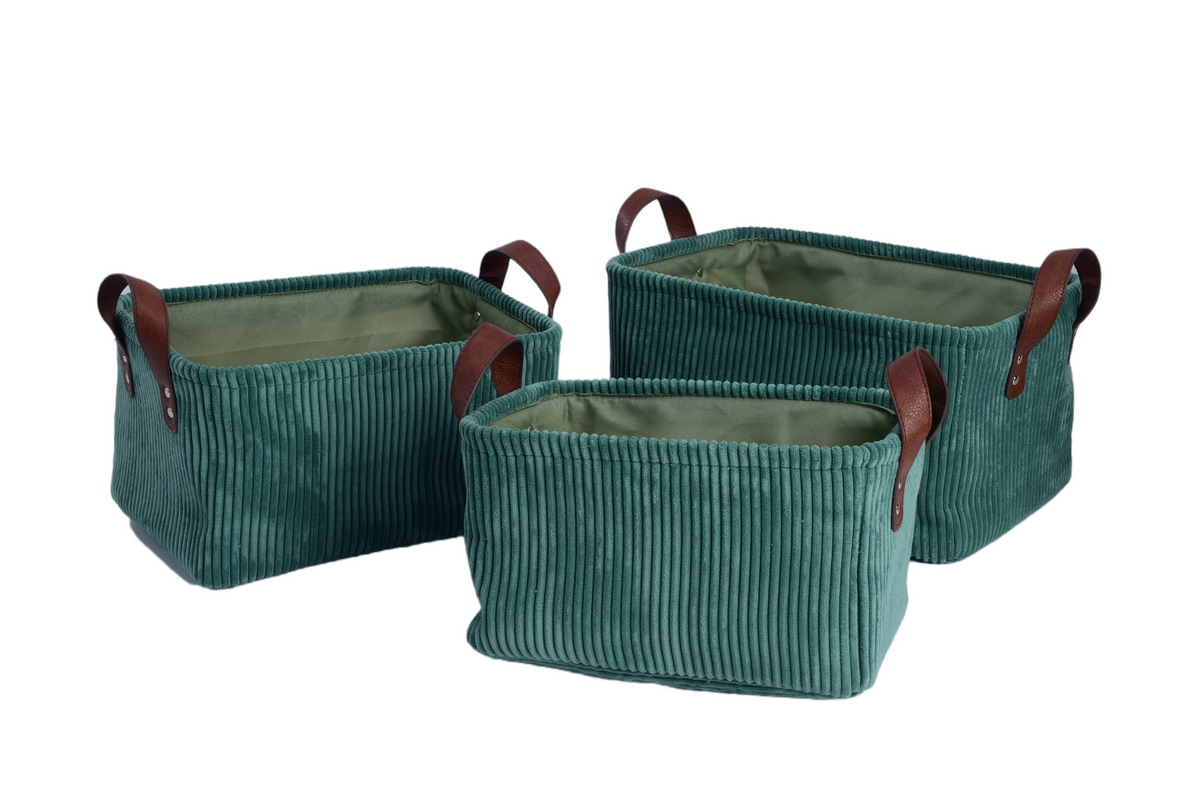
Build a home-storage range around the material, shape and space it will serve. Compare bamboo and natural-fibre weaving, rope, fabric, synthetic-woven, wood and metal directions, then agree dimensions, finishes, set contents and packing for the selected baskets.
Explore this service ↗Information basis: published product information reviewed . Reference details support a sourcing discussion. Current supply, samples and product-specific documents are confirmed for the selected item.