
Household and kitchen cleaning cloths
Compare waffle, rib/pearl, suede-style, roll/extractable and coated-cloth directions with the actual wiping task. Define material, construction and intended contact conditions.
Enquire about this range ↗Build a Coordinated Cleaning Range From Microfiber Cloths to Floor-Care Enquiries
Source microfiber kitchen and cleaning cloths, bath/hair/sports towels, dish mats, car and pet-care textiles, mop refills and separately specified robotic/electric floor-cleaning equipment enquiries.
Manufacturing, product documents and order conditions depend on the model and supply route selected for your project.
Start with a product reference, intended use and estimated quantity. We bring product selection, sample questions and quotation details into one conversation.
Email your reference image ↗Choose a focused product or discuss a coordinated assortment. Each direction can be developed into a more specific model and packaging brief.
Compare waffle, rib/pearl, suede-style, roll/extractable and coated-cloth directions with the actual wiping task. Define material, construction and intended contact conditions.
Enquire about this range ↗Prepare bath/face, hand, hair-turban, makeup-removal, sports and beach-towel enquiries with current fabrics, dimensions, finish, authorised prints and care requirements.
Enquire about this range ↗Coordinate cleaning/drying towels, wash mitts, polishing/waxing cloths, sponges and interior dusters by vehicle surface and cleaning stage.
Enquire about this range ↗Specify pet bath towels, mats, drying/cleaning mitts and grooming-glove directions by construction, size, intended use, artwork and care.
Enquire about this range ↗Include dish-drying mats/placemats, microfiber sponges, wood-pulp sponge and viscose-cloth enquiries, with material layers, backing and use requirements confirmed for each design.
Enquire about this range ↗Cover dry, wet and tube-style textile refills, with twist, chenille, coral-fleece, double-sided or scrubbing-yarn directions specified against the actual mop frame.
Enquire about this range ↗Define sweeping-robot, electric-mop and cordless floor-wiping projects separately from textile refills. Establish a current equipment model, components and market documentation before quotation.
Enquire about this range ↗Use these options to describe what you are buying. The public references identify your enquiry; the final model and specification are confirmed before an order.

Compare the current fabric and sample with the intended wiping task. Confirm composition, edge finish and care instructions.
Specify the required handle, edge finish and wiping application before approving the current sample.
Compare this blend direction with the required fabric construction, dimensions, finish and cleaning task.
Prepare a coordinated colour, authorised artwork and packaging brief. Request the current sample and care file.
Send the intended animal-use scenario, artwork and required finish. Approve the current dimensions, care and packaging with the sample.
Supply the actual frame drawing, attachment and cleaning conditions. Confirm pad fit and the surface trial before approving production.
Build an item schedule for the vehicle surfaces and cleaning stages. Define construction, colour coding, finish and packaging separately for each item.
Specify the sink/counter arrangement, backing, thickness, drying/care requirements and retail presentation for the selected design.
Send the target cleaning task, market and feature list for a current equipment proposal. Keep the complete device, consumables and replacement textile parts itemised.
Reference sizes, GSM and fibre blends apply to the corresponding item only. GSM describes fabric mass per area, not finished-piece weight. Confirm the current composition, dimensions, tolerance, washing/care and sample. Equipment capability, current quantities and commercial terms require an item-specific quotation.
Focus the sourcing conversation on the features, materials and production details that make a difference to your product range.
Coordinate household, personal, pet and automotive cleaning needs in one schedule while preserving each item’s material, construction and acceptance requirements.
Compare current textile samples and prepare authorised colour, printing, embroidery and packaging enquiries. Agree the actual design/development scope before production.
Match replacement pads to the actual frame and specify complete powered devices independently, including current technical documentation, consumables and service requirements.
Bring artwork, reference samples and a target cost. The available process, minimum quantity, sample charges and development scope are reviewed for the chosen option.
Specify fibre blend, GSM, weave/knit or pile, dimensions, backing, attachment and edge finish. Confirm current material options, tolerances, minimum quantities and sample costs.
Provide owned/licensed artwork, colour references, print/embroidery placement and label text. Approve actual print handle, colour fastness and sample presentation for the selected textile.
Define single-item or set content, folding/rolling, bands, bags, boxes, labels and carton quantities. Confirm moisture protection and measured shipping data with the current pack.
Agree which product characteristics need testing and how the approved sample relates to the bulk order.
Check fibre declaration, GSM, dimensions, stitching/edges, appearance, print/colour and the current care instructions against the agreed specification.
Agree relevant washing/shrinkage, colour-transfer, wiping/absorbency and surface trials for the actual material and application. Define acceptance criteria and the required evidence.
For powered cleaners, review the current model file, electrical/charging arrangement, controls, consumables, operating sample, destination requirements and agreed inspection plan.
Test capability is a starting point for the inspection plan. Request the method, applicable model and results needed for your order.
Start with an item list, intended use, quantities and destination. We can turn this into current fabric/design, sample, technical-document and packaging enquiries.
State the sales market, intended users and required files in your first enquiry. Current validity and scope are checked for the selected supplier and product; a category description does not certify every item.
Share your document requirements ↗Your sales channel changes the assortment, packaging and quality priorities. Tell us the intended use as well as the product name.
Combine cloths, dish mats, sponges and mop refills with an agreed size/colour mix, care information and retail pack.
Specify task-specific towel, mitt, mat and printed-textile ranges with authorised artwork and application-based sample approval.
Prepare lawful OEM/ODM textile briefs and separately defined robotic/electric floor-care enquiries, with current model requirements, documentation and commercial terms.
Samples, commercial terms and responsibilities are agreed for the project. Use the same product and packing specification when comparing quotations.
Product, reference image, quantity, sales market and timing.
Review configuration, materials, sample scope and relevant documents.
Agree artwork, packaging, sample, testing and inspection criteria.
Set price, payment, production, delivery and defect remedies in writing.
Practical answers about this sourcing direction, customization and the reference options. Your agreed specification and written quotation determine the actual order.
Describe the cleaning task, surface and desired handle. Compare current samples, construction and fabric mass for the selected design; the listed blends and GSM values belong to individual references.
Provide the item schedule and quantities by design, size, colour and pack. Confirm current minimums, production compatibility, inspection and shipment consolidation in the quotation.
Send authorised artwork, colour references, placement, label text and pack requirements. Agree the current process, sample charges, minimum quantities and approval standard for each design.
Supply the frame dimensions/drawing, attachment method, backing, cleaning conditions and required edge finish. Approve the fitted pad sample and surface trial before production.
State the intended use, dimensions, fabric/pile, backing, finish, artwork and washing requirements. Review the actual care instructions and relevant application tests for the chosen construction.
Define the actual test method, surface/liquid, washing conditions and acceptance criteria. Request item-specific evidence and approve samples against those conditions.
Send the market, cleaning task, floor type, electrical/charging requirements, controls, accessories and after-sales needs. Establish the current model file, operating sample and destination documentation before ordering.
The material/construction, design mix, artwork, development, validation and pack determine the current offer. Agree sample/development charges, quantities and production/shipment timing in writing.
Factory Sourcing Hub handles this enquiry as an independent sourcing and trading service. The product route, supplier suitability, sample scope and order responsibilities are agreed for the actual project.
Send the product reference, quantities per variation, customization and packaging. Prices, minimums, sample charges and delivery dates are confirmed in a current quotation; the page is not a live inventory or price feed.
Yes. State whether you need a reference sample, a customized sample or development work. Agree the sample cost and shipping, approval specification, inspection plan and remedy for non-conforming goods before the bulk order.
Reference images, drawings, logo artwork and a product list are useful. Include quantities, the intended users and sales market, packaging, required documents and timing. After submitting the form, email attachments to kunhuow@gmail.com with your enquiry reference.
A reference picture or a short description is enough to begin. Add the details you already know; the optional fields help make the follow-up more useful.
Download the enquiry checklist ↓
Independent sourcing and trading service. Supplier choice, service costs and order conditions are discussed for your project.
Product selection, customization, samples and quotation enquiries.
Compare separate product ranges and prepare a brief that fits your assortment.
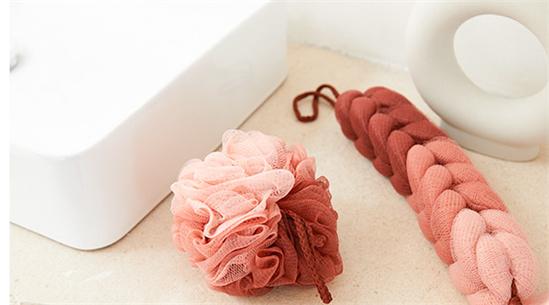
Source chenille and coral-fleece bath mats, printed rugs and cushions, dish-drying mats, cleaning cloths and mitts, blankets, beach towels, hair towels, bathwear, mesh puffs and related bathroom textile sets.
Explore this service ↗
Plan mops, buckets, brushes, sweepers, dusters, window tools and selected electrical or pet-cleaning products with clear materials, configurations and packaging. Compare article-specific size and pack references, then confirm the actual sample, documents and current commercial terms.
Explore this service ↗
Coordinate mops, dusters, brooms, dustpans, window tools, cloths, scrubbers and brushes. Kitchen, bathroom and selected powered-cleaning directions extend the range. Compare article-specific materials, structures, dimensions and sample requirements.
Explore this service ↗
Source household storage, shelving, laundry bags and baskets, bath mats, cleaning tools, kitchenware and notebooks, with related lighting, personal care, toys, outdoor, pet and seasonal assortment enquiries.
Explore this service ↗Information basis: published product information reviewed . Reference details support a sourcing discussion. Current supply, samples and product-specific documents are confirmed for the selected item.