Independent B2B sourcing · One trading contactkunhuow@gmail.com ↗
FACTORY SOURCING HUBProduct sourcing for business buyers
Get a quote ↗
Home/Kitchen & Housewares/Kitchen Storage, Oil Dispensers, Spice Mills & Drinkware Sourcing
Dispensing · seasoning · pantry storage · meal preparation · drinkware

A kitchen range that works together. Down to the lid.

Kitchen Storage, Oil Dispensers, Spice Mills & Drinkware Sourcing

Develop coordinated kitchen and lifestyle collections using glass, stainless steel, silicone, plastic and selected wood components. Compare dispensing mechanisms, shaker outlets, grinding cores, storage lids and portable formats, with OEM or ODM options, practical sample checks and packaging matched to your assortment.

  • Build coordinated collections across pouring, seasoning, storage and travel.
  • Compare practical mechanisms alongside capacity and material references.
  • Discuss existing formats, private-label options or an original development brief.

Manufacturing, product documents and order conditions depend on the model and supply route selected for your project.

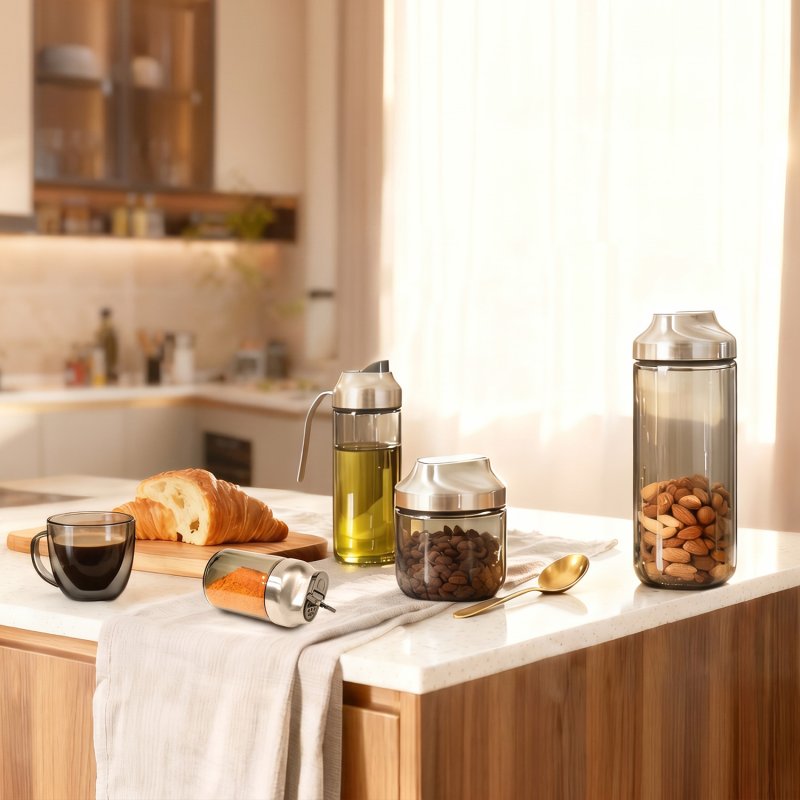
Coordinated glass and metal kitchen storage and dispensing pieces on a counter
Collection styling reference. Final models, materials, finishes and included components are confirmed in the quotation; food and props are not included.

Start with a product reference, intended use and estimated quantity. We bring product selection, sample questions and quotation details into one conversation.

Email your reference image ↗
Shaker reference380 ml · 76 × 76 × 141 mm · 3/6/12 holes
Manual mill reference110 ml · 5.8 cm W × 15.2 cm H
Electric mill reference70 ml · six settings · Type-C charging
Portable bottle reference680 ml / 900 ml · sip and straw modes
Explore the product range

Build the range
your buyers need.

Choose a focused product or discuss a coordinated assortment. Each direction can be developed into a more specific model and packaging brief.

Oil, vinegar and controlled pouring

Compare individual dispensers, paired cruet sets and sprayer directions. Auto-opening caps, extended spouts and vent-hole control offer different handling approaches. Define the intended liquid, flow and cleaning requirements, then test pouring behaviour using the selected bottle and closure.

Enquire about this range ↗

Sugar, milk, honey and syrup service

Develop the dispensing format around the ingredient and serving task. Specify usable volume, opening, lid and desired control, with viscosity and cleaning considered at sampling. A mechanism that suits oil or sugar should not automatically be specified for thicker syrup.

Enquire about this range ↗

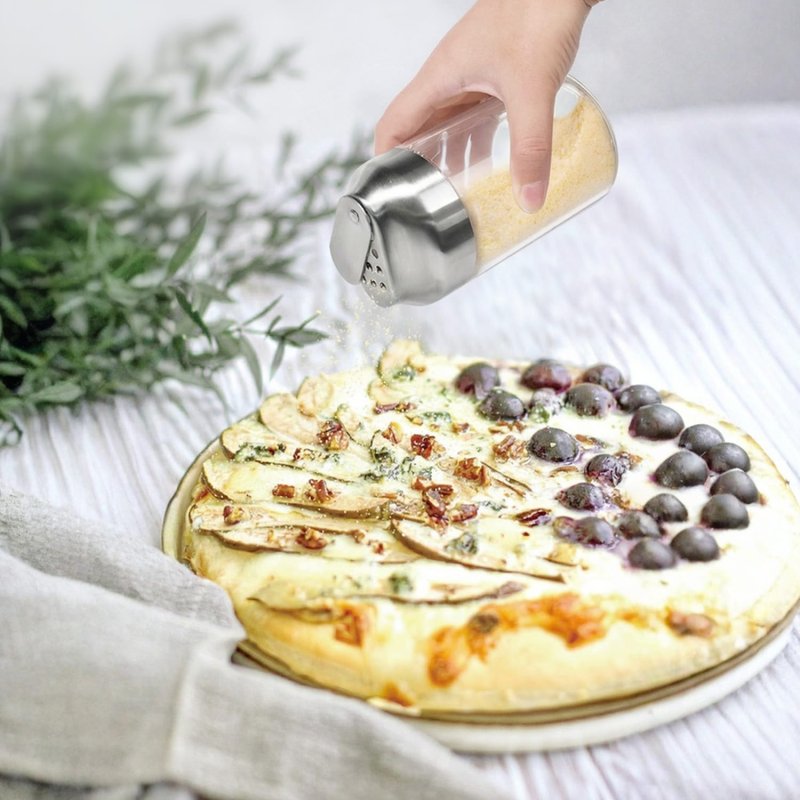
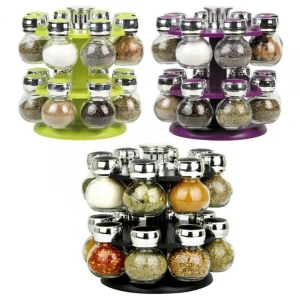
Spice shakers and condiment pots

Choose adjustable-hole, dual-outlet or spoon-access formats to match the seasoning. Compare individual vessels, racks and coordinated sets, identifying outlet geometry, cover operation and refilling needs alongside the selected capacity and finish.

Enquire about this range ↗

Pantry jars and canister systems

Discuss press-control, tilt-pour, conventional-lid and selected vacuum-lid directions around the actual contents. Link jar sizes to shelf fit and refilling, then agree the seal, closure and cleaning checks. Any preservation or moisture-resistance claim belongs to the chosen assembly.

Enquire about this range ↗

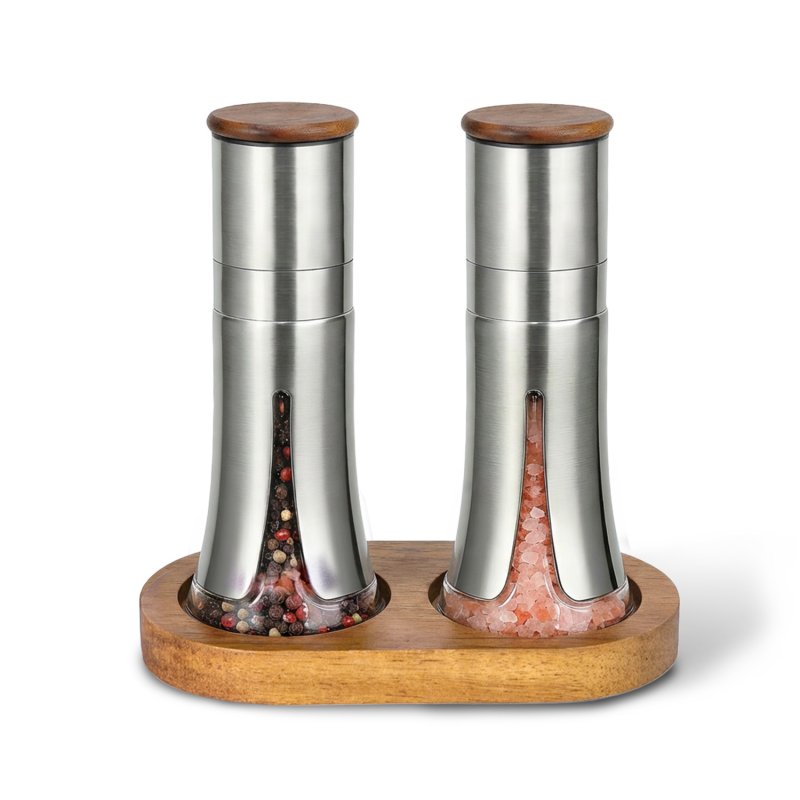
Manual salt and pepper mills

Compare single or dual-chamber formats, selected ceramic-core mechanisms and wood-and-metal styling. State the spice, particle size, desired adjustment and handling needs. Confirm the actual core and body construction rather than assuming all mills use the same materials.

Enquire about this range ↗

Electric and rechargeable mills

One-touch or gravity-operated directions can support different seasoning workflows. Specify hopper size, adjustment, charging and desired lighting, with the actual motor, battery, controls and cleaning limits included in the product and documentation brief.

Enquire about this range ↗

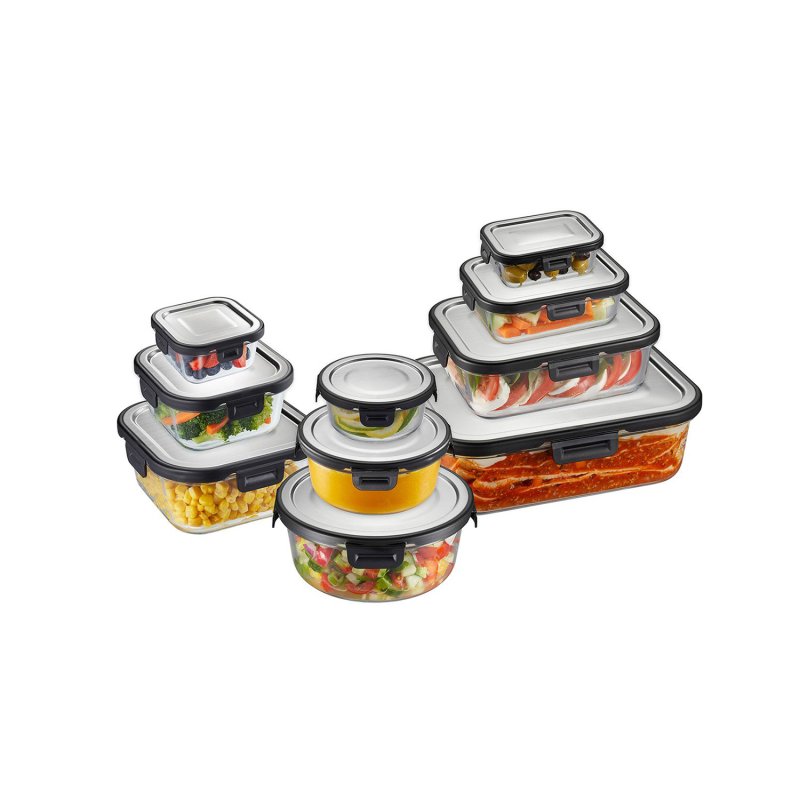
Glass food containers and baking

Plan rectangular, round and square meal-prep assortments or a separate baking-dish enquiry. Define portions, nesting, stacking and closure materials. The glass, metal, plastic and silicone components require their own approved heating and cleaning instructions.

Enquire about this range ↗

Steel lunch boxes and portable meal kits

Compare steel-bodied containers, divided interiors, removable liners, layered kits, straps, cutlery storage and carrying options. Confirm the exact composition, lid and sealing arrangement for each format, with handling and packing reviewed as a complete kit.

Enquire about this range ↗

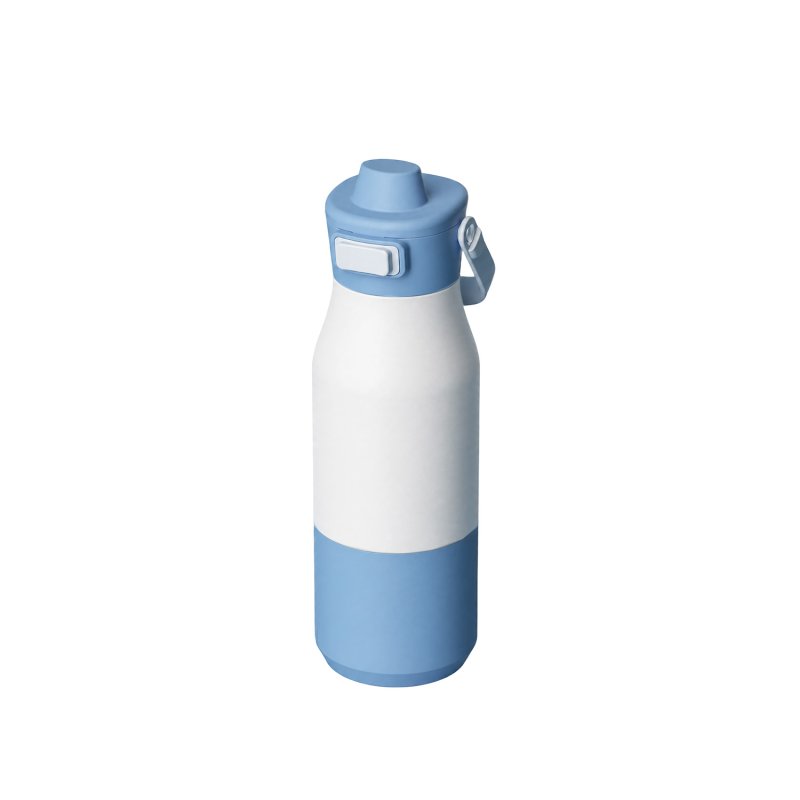
Travel bottles and tumblers

Develop drinkware around grip, carry, opening and cleaning. Compare straw and direct-sip modes, removable handles and detachable components. Capacity, closure reliability and any thermal-retention target are specified and assessed for the actual selected construction.

Enquire about this range ↗

Coffee, tea and tabletop glassware

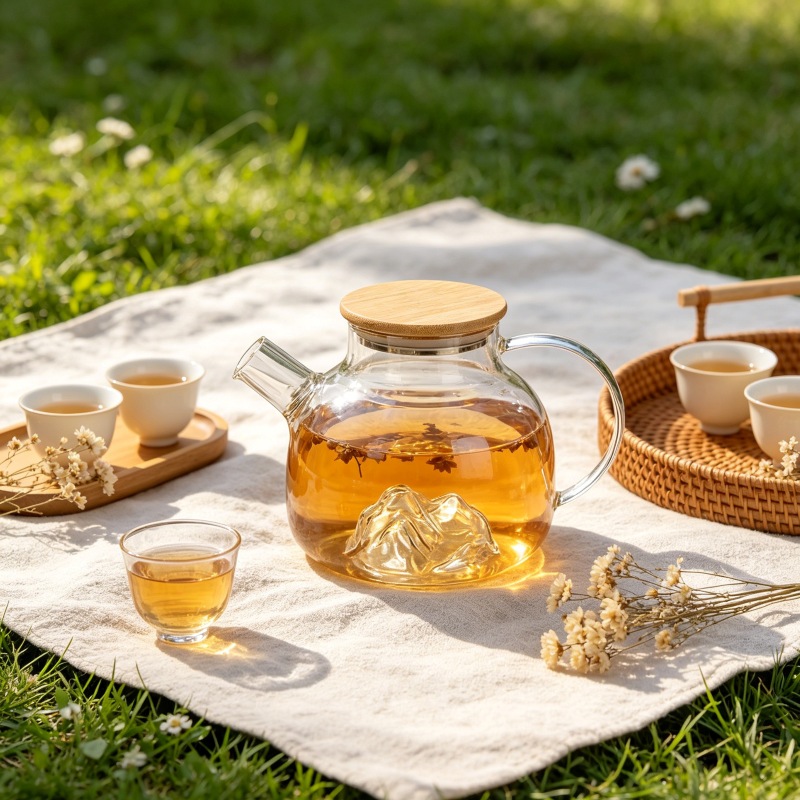
French-press and tea-brewing directions can extend a storage or drinkware collection. Define usable volume, filtration, pouring and handle requirements, with glass and non-glass components reviewed together. Pitcher and drinking-glass enquiries need their own size and use brief.

Enquire about this range ↗

Kitchen tools and collection accessories

Discuss publicly listed utensil, spatula, silicone-head, selected wood-handle and bread-storage directions to complete the assortment. Confirm current format availability and the required contact, cleaning and finish evidence for each item.

Enquire about this range ↗

Gift sets and light outdoor assortments

Combine complementary items into a retail, gifting, picnic or casual outdoor brief. Confirm which pieces are included, how they nest or travel, and the required protective presentation. Artwork and any original design development are approved for the actual selected range.

Enquire about this range ↗
Reference product directions

Start with a product.
Define the details.

Use these options to describe what you are buying. The public references identify your enquiry; the final model and specification are confirmed before an order.

14 oz auto-opening oil-dispenser reference sourcing illustration
REFERENCE 0069-01

14 oz auto-opening oil-dispenser reference

A pouring direction with an automatic flip-cap mechanism. Assess flow, closure and cleaning with the intended liquid, then confirm the bottle capacity basis and chosen individual or paired presentation.

Listed body material
Glass
Listed capacity notation
14 ounces
Presentation direction
Silver-tone paired set
Discuss this option ↗
Vent-control rounded cruet sourcing illustration
REFERENCE 0069-02

Vent-control rounded cruet

A rounded dispensing direction in which a top vent controls pouring. Specify the liquid and desired flow response, with body size, seal and actual materials confirmed in the selected sample.

Listed materials
Borosilicate glass / stainless steel / plastic / silicone
Control direction
Coverable top vent
Capacity
Confirm selected specification
Discuss this option ↗
380 ml adjustable-hole shaker sourcing illustration
REFERENCE 0069-03

380 ml adjustable-hole shaker

A larger shaker direction with three outlet settings. Evaluate the chosen seasoning through the actual lid, including sliding action, refilling and cleaning before selecting the finish and retail pack.

Listed capacity
380 ml
Listed size
76 × 76 × 141 mm
Outlet settings
3 / 6 / 12 holes
Listed materials
Borosilicate glass / stainless steel / silicone
Discuss this option ↗
120 ml dual-outlet spice jar sourcing illustration
REFERENCE 0069-04

120 ml dual-outlet spice jar

A more compact shaker direction with two outlet sizes. Define the contents, fill level and desired cover operation, then confirm the exact body dimensions and sealing requirement.

Listed capacity
120 ml
Listed height
10.3 cm
Listed materials
Borosilicate glass / stainless steel / plastic
Discuss this option ↗
110 ml wood-top manual mill sourcing illustration
REFERENCE 0069-05

110 ml wood-top manual mill

A mixed-material mill direction using a selected adjustable ceramic-core construction. Test the intended spice and adjustment, with the actual lid, grip and decorative finish included in sample review.

Listed capacity
110 ml
Listed size
5.8 cm W × 15.2 cm H
Listed materials
Soda-lime glass / steel / plastic / acacia wood
Discuss this option ↗
Two-size vintage manual-mill reference sourcing illustration
REFERENCE 0069-06

Two-size vintage manual-mill reference

A manual-grinder direction offered in two size notations. Confirm the actual capacity-to-size pairing, core and desired finish before deciding whether the formats will be sold individually or together.

Listed capacities
180 ml / 100 ml
Listed sizes
6 × 21.5 cm / 5 × 16 cm
Listed materials
Steel / plastic / acacia wood
Discuss this option ↗
70 ml rechargeable electric mill sourcing illustration
REFERENCE 0069-07

70 ml rechargeable electric mill

A one-touch seasoning direction with selectable texture and a charging-storage base. Confirm the actual battery, charging accessories and operating limits, including which parts can be detached and cleaned.

Listed hopper capacity
70 ml
Grind settings
Six
Charging direction
Type-C
Operating features
One-touch control and LED
Discuss this option ↗
Stackable glass meal-container collection sourcing illustration
REFERENCE 0069-08

Stackable glass meal-container collection

A mixed-shape meal-prep direction with recessed metal-lid styling. Select the actual assortment and review stacking, closure fit and care instructions for the glass body and every lid component.

Rectangular capacities
400 / 600 / 1,000 / 1,550 ml
Round capacities
400 / 600 / 900 ml
Square capacities
300 / 500 / 800 ml
Listed materials
Borosilicate glass / steel / plastic / silicone
Discuss this option ↗
Silicone-surround glass keeper sourcing illustration
REFERENCE 0069-09

Silicone-surround glass keeper

A glass-container direction with a silicone-surround lid arrangement. Confirm the chosen capacity, venting and closure configuration, then review handling, sealing and the approved cleaning instructions.

Listed capacities
400 / 600 / 1,000 / 1,500 ml
Listed materials
Borosilicate glass / silicone
Discuss this option ↗
Dual-mode slide-lock travel bottle sourcing illustration
REFERENCE 0069-10

Dual-mode slide-lock travel bottle

A portable-bottle direction with direct-sip and straw operation, a sliding lock and removable carrying handle. Review opening, cleaning access and carry requirements using the complete selected lid and body.

Listed capacities
680 ml / 900 ml
Listed materials
Stainless steel / plastic / silicone
Function direction
Sip / straw modes with slide lock
Discuss this option ↗
Tilt-pour pantry canister sourcing illustration
REFERENCE 0069-11

Tilt-pour pantry canister

A storage-and-dosing direction that dispenses by tilting rather than removing the whole lid. Define the ingredient and required portion control, then evaluate flow, refilling and seal performance on the selected size.

Construction direction
Glass body with steel and silicone lid components
Capacity
Select by contents and storage brief
Discuss this option ↗

Each reference has its own construction and commercial terms. Materials, capacity basis, tolerances and current availability are confirmed per selection. Published meal-container set envelopes are not individual-container dimensions. Heating, cleaning, sealing, grinding and thermal-retention requirements must be assessed for the actual product; they do not transfer between glass bodies, lids, seals, steel vessels or powered parts.

What matters for this category

A better brief.
A clearer comparison.

Focus the sourcing conversation on the features, materials and production details that make a difference to your product range.

01

A system of complementary products

Bring oil, spice, pantry and portable formats into a coordinated collection without forcing one mechanism into every task. Agree the styling relationship and the functional requirements separately so the assortment remains useful as well as visually consistent.

02

Mechanisms buyers can evaluate

Pouring control, lid action, shaker outlets, grinding adjustment and cleaning access can be demonstrated on a sample. Define what each item needs to do, then compare the actual format against those requirements before finalising decoration and packaging.

03

Development beyond surface branding

Discuss shape, closure, structural details and mixed-material combinations alongside colour, logo and packaging. A concept can progress through feasibility, costing, prototype, mould trial and pre-production approval, with scope and costs agreed for the project.

Branding, configuration & packaging

Make the product
fit your programme.

Bring artwork, reference samples and a target cost. The available process, minimum quantity, sample charges and development scope are reviewed for the chosen option.

01

Structure and material selection

Provide drawings or a functional brief, target capacity, intended contents and preferred materials. Discuss existing formats or selected structural development, including closure, handle and mechanism requirements. Confirm tooling, compatibility and design rights before a new sample is commissioned.

02

Colour, logo and collection identity

Discuss printing, laser, decal or screen-printing options appropriate to the actual surface. Supply authorised artwork and the desired colour or finish, then agree marking durability and private-label presentation for the selected item rather than assuming every method suits all materials.

03

Prototype, packaging and quotation

Request the development and per-unit quotation before committing the project. Define sample approval, mould trials where needed, set contents, colour or gift boxes and transport protection. Confirm minimum quantities, sample costs and timing individually for each design and finish.

Quality & product evidence

Turn requirements
into checks.

Agree which product characteristics need testing and how the approved sample relates to the bulk order.

01

Function and component fit

Check pouring, opening, outlet switching, grinding, stacking and carrying according to the chosen product. Agree a practical test with the intended contents, including the lid, seal, handle or powered mechanism rather than assessing only the body.

02

Materials and care evidence

Request current evidence for the glass, steel, silicone, plastics and any decoration that contacts the intended contents. Confirm component-specific heating and cleaning instructions, plus battery, charging and destination documentation for an electric item.

03

Finish, packing and repeatability

Review edges, handles, surface finish and critical dimensions against the approved sample. Agree inspection points and protective packing, including separation and set movement. Keep artwork, sample and final specification aligned for repeat orders.

Test capability is a starting point for the inspection plan. Request the method, applicable model and results needed for your order.

Documents matched to the order

Ask for evidence
that fits the product.

A useful kitchenware brief explains both the look and the job each item must perform. Include the ingredients or drinks, mechanism requirements and component materials, then add the evidence and packaging needed for the destination.

State the sales market, intended users and required files in your first enquiry. Current validity and scope are checked for the selected supplier and product; a category description does not certify every item.

Share your document requirements ↗
Product and functional specification
List capacities, dimensions, materials and the intended contents. Identify outlet, lid, grinding, sealing, carry or stacking needs, along with the required adjustment range, accessories and collection quantities.
Development and approval record
Keep drawings, authorised artwork and the accepted sample together. Record structural decisions, mould and sample stages, care instructions and measurable functional requirements, with any requested evidence tied to the selected construction.
Commercial, packing and compliance brief
Agree sample and tooling costs, minimum order, schedule and approved packing. List destination food-contact or electrical documents, battery and charging information where relevant, and set contents, labels and transit protection.
Built around how you sell

Different buyers.
Different specifications.

Your sales channel changes the assortment, packaging and quality priorities. Tell us the intended use as well as the product name.

01

Retail kitchen and pantry ranges

Coordinate dispensers, seasoning tools, jars and storage sets around a defined consumer assortment. Compare mechanisms, capacities and shelf presentation, then confirm artwork, instructions and protective packaging.

02

Meal preparation, commuting and light outdoor

Plan containers, travel bottles and casual picnic assortments around portability, cleaning and carry requirements. Assess the actual closure, accessories and intended exposure for each selected format.

03

Private-label and original collection development

Develop an existing-format branding brief or a new structural concept with a clear market, quantity and price direction. Agree feasibility, design rights, sample milestones and the documentation required before production.

From first brief to a defined order

One contact.
A practical next step.

Samples, commercial terms and responsibilities are agreed for the project. Use the same product and packing specification when comparing quotations.

01

Share the requirement

Product, reference image, quantity, sales market and timing.

02

Compare suitable options

Review configuration, materials, sample scope and relevant documents.

03

Approve the specification

Agree artwork, packaging, sample, testing and inspection criteria.

04

Confirm the order plan

Set price, payment, production, delivery and defect remedies in writing.

Buyer questions

Before you send
your first enquiry.

Practical answers about this sourcing direction, customization and the reference options. Your agreed specification and written quotation determine the actual order.

Can one enquiry cover several kitchenware categories?

Yes. List the desired dispensing, seasoning, storage, meal-prep and drinkware formats with quantities. Define common styling and the individual functional needs so the proposed collection can be reviewed as a coordinated assortment.

Can you develop a new lid or mechanism?

Provide a functional brief, drawing or reference sample for feasibility review. Selected structural development, prototypes and mould work are discussed separately from simple colour or logo changes, with cost and approval stages agreed first.

Do all products use borosilicate glass or the same steel grade?

No universal composition applies across the range. Confirm the materials of the selected body, lid, seal, decoration and accessories; a material or steel grade stated for one product does not establish it for another.

Can every lid or meal box be heated and washed the same way?

Confirm instructions for the actual components. Glass, metal, silicone, plastic and powered assemblies can have different limits, so approve the intended heating and cleaning workflow for the selected construction.

How is pouring or sealing performance checked?

Specify the liquid or dry ingredient, filling level, handling and required result. Review the complete sample under those conditions, with any leak, flow or moisture-resistance requirement recorded in the specification.

What needs confirming for an electric grinder?

Include hopper size, adjustment, charging, controls and accessories. Request the actual battery and electrical information, destination documents and cleaning limits; operating time and other performance targets require model-specific evidence.

Can the products carry our brand and packaging?

Provide authorised artwork and the required retail or gift presentation. Confirm the suitable printing or marking method, design rights, colour target and private-label route for the chosen item and finish.

Are samples and minimum quantities the same for every model?

They are quoted individually. Structure, tooling, materials, decoration and packaging affect sample costs, minimum order and production timing, so send quantities and your target schedule for the exact selection.

Can you guarantee a stated hot or cold retention period?

Specify the desired temperature profile and test conditions for the selected bottle or tumbler. Review the actual construction and supporting test before approving a thermal-retention claim.

What should I include in the first enquiry?

Send product families, capacities or drawings, mechanism and material needs, quantities and destination. Add authorised artwork, set contents, required evidence, packaging, sample needs and the target launch or shipment date.

Who handles my enquiry?

Factory Sourcing Hub handles this enquiry as an independent sourcing and trading service. The product route, supplier suitability, sample scope and order responsibilities are agreed for the actual project.

How do I get a price and order minimum?

Send the product reference, quantities per variation, customization and packaging. Prices, minimums, sample charges and delivery dates are confirmed in a current quotation; the page is not a live inventory or price feed.

Can I discuss samples and inspection before ordering?

Yes. State whether you need a reference sample, a customized sample or development work. Agree the sample cost and shipping, approval specification, inspection plan and remedy for non-conforming goods before the bulk order.

What should I attach to my email?

Reference images, drawings, logo artwork and a product list are useful. Include quantities, the intended users and sales market, packaging, required documents and timing. After submitting the form, email attachments to kunhuow@gmail.com with your enquiry reference.

Tell us what you are planning

Your next order
starts with a brief.

A reference picture or a short description is enough to begin. Add the details you already know; the optional fields help make the follow-up more useful.

  • Product families, capacity, drawings, mechanism needs and quantities.
  • Body and component materials, finish, authorised artwork and design rights.
  • Intended contents, use conditions and destination evidence requirements.
  • Samples, tooling, set contents, protective packing and target schedule.
kunhuow@gmail.com

Download the enquiry checklist ↓

Independent sourcing and trading service. Supplier choice, service costs and order conditions are discussed for your project.

Discuss your requirements.

Product selection, customization, samples and quotation enquiries.

Add product, quantity or customization details (optional)

Submit your enquiry directly. We use your details to respond to your sourcing request. For attachments, email kunhuow@gmail.com with your enquiry reference. Enquiry data use.

Information basis: published product information reviewed . Reference details support a sourcing discussion. Current supply, samples and product-specific documents are confirmed for the selected item.

Have a product in mind?
Share your sourcing brief.
Send an enquiry ↗