Independent B2B sourcing · One trading contactkunhuow@gmail.com ↗
FACTORY SOURCING HUBProduct sourcing for business buyers
Get a quote ↗
Home/Glassware/Custom Glassware, Drinkware, Storage Jars & Accessory Collection Sourcing
Drinkware · serving · kitchen storage · decoration · compatible accessories

A complete glassware brief. From glass to the finishing touch.

Custom Glassware, Drinkware, Storage Jars & Accessory Collection Sourcing

Build a glassware collection with the accessories and packaging it needs. Explore drinking, serving, kitchen and decorative glass, then coordinate product design, finishes, lids, seals, assembly and shipment requirements around an item-specific specification.

  • Five product families covering glassware and complementary components.
  • Coordinate custom forms, decoration, design development and packaging.
  • Review real size-and-capacity references before building your enquiry.

Manufacturing, product documents and order conditions depend on the model and supply route selected for your project.

Custom Glassware, Drinkware, Storage Jars & Accessory Collection Sourcing category illustration
Category illustration. Product details and the final appearance are confirmed against the selected model and approved sample.

Start with a product reference, intended use and estimated quantity. We bring product selection, sample questions and quotation details into one conversation.

Email your reference image ↗
Product reachDrinking, serving, kitchen and decorative glass
ComponentsRings, lids, faucets, stands and straws
DevelopmentProduct, artwork, packaging and 3D sample discussion
Order coordinationAssembly, packing, quality requirements and logistics
Explore the product range

Build the range
your buyers need.

Choose a focused product or discuss a coordinated assortment. Each direction can be developed into a more specific model and packaging brief.

Wine, cocktail and speciality drinkware

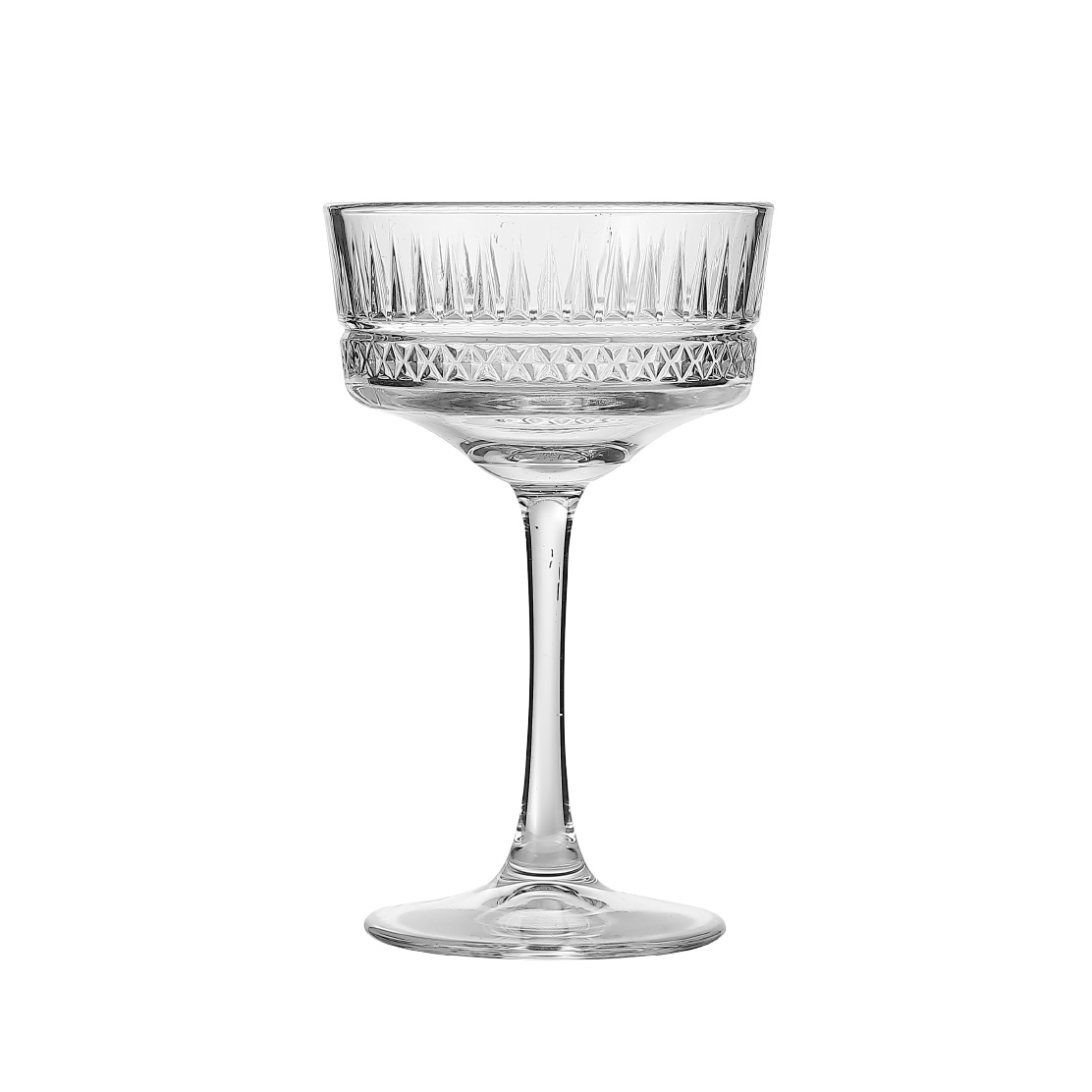
Explore wine goblets, champagne glasses, stemless wine glasses, beer glasses, cocktail and shot glasses, brandy glasses and tumblers. Define serving portions, handling and presentation. Compare the collection while keeping capacity, rim, stability and care requirements specific to each item.

Enquire about this range ↗

Tea, coffee and drinking bottles

Develop cup, mason-jar and drinking-bottle directions alongside tea and coffee pots or coffee makers. Identify beverage, service temperature and required components. Glass composition, thermal limits, lid compatibility and cleaning conditions must be resolved for the selected products.

Enquire about this range ↗

Serving vessels and beverage presentation

Coordinate pitchers, jugs, carafes, decanters, beverage dispensers, ice buckets and milk jugs or dispensers. Specify usable capacity and handling clearance. For multi-part products, define glass, closure, faucet and stand together so compatibility and function can be assessed.

Enquire about this range ↗

Cake and tabletop presentation

Explore cake stands, plates, bowls and butter dishes for a coordinated table. Define contents, usable area, height and stability requirements. Include any cover or set components and food-contact conditions before deciding on the final design and packaging.

Enquire about this range ↗

Kitchen storage and dispensing

Discuss preserve jars and bottles, honey jars, oil or vinegar dispensers, salt and pepper shakers, food containers and baking-tray directions. State contents and closure requirements. Category names alone do not establish airtightness, preserving-cycle suitability, oven use or thermal-shock resistance.

Enquire about this range ↗

Lighting and decorative glass

Explore flower vases, Christmas decoration, stick candleholders, tealight holders, candle cups and hurricanes. Define display, proportions and intended use, including candle exposure. Confirm stability, any heat-related requirements and safe-use instructions for the actual decorative piece.

Enquire about this range ↗

Parts and complementary accessories

Build the component brief alongside the glass: rubber rings, stainless-steel lids, dispenser faucets, stands and straws are separate sourcing directions. Establish interface dimensions, material identity and contact conditions. Samples should demonstrate fit, assembly and the agreed function of the completed product.

Enquire about this range ↗

Production and decoration directions

Discuss mouth-blown and hand-pressed glass, together with decal, sprayed-colour, laser-marking and gold-rim directions. Begin with the desired appearance and authorised artwork. Feasibility, durability, contact boundaries and care requirements depend on the actual form and selected finishing process.

Enquire about this range ↗
Reference product directions

Start with a product.
Define the details.

Use these options to describe what you are buying. The public references identify your enquiry; the final model and specification are confirmed before an order.

1.3 L calla-lily jug sourcing illustration
REFERENCE 0061-01

1.3 L calla-lily jug

A serving-jug direction with a calla-lily description. Define intended beverages and handling requirements, then confirm glass identity, finish, usable capacity measurement and care information for the selected configuration. The listed size supports initial planning, with tolerances and dimension axes to be clarified.

Listed capacity
1300 ml
Listed dimensions
100 × 100 × 201 mm
Discuss this option ↗
240 ml pink heart-shaped cup sourcing illustration
REFERENCE 0061-02

240 ml pink heart-shaped cup

A pink heart-shaped cup direction for a drinkware or gift collection. Discuss the required appearance, beverage use and final decoration. Confirm use conditions, measurement method and care instructions; the cup description alone does not establish hot-service or appliance compatibility.

Listed capacity
240 ml
Listed dimensions
80 × 70 × 80 mm
Discuss this option ↗
1 L pink clip-top bottle sourcing illustration
REFERENCE 0061-03

1 L pink clip-top bottle

A clip-top bottle with a pink sprayed-colour description. Define contents and closure expectations, then confirm seal materials, fit and finish durability. Food-contact evidence and any leakage, hot-fill or preserving requirements need to address the actual bottle-and-closure assembly.

Listed capacity
1000 ml
Listed dimensions
84 × 84 × 268 mm
Discuss this option ↗
320 ml double-wall mug sourcing illustration
REFERENCE 0061-04

320 ml double-wall mug

A double-wall mug direction described with inner gold-star decoration. Discuss your own authorised artwork and intended beverage use. Double-wall construction does not itself establish measured insulation, glass composition or heat and appliance compatibility; confirm the finished item and its care information.

Listed capacity
320 ml
Listed dimensions
80 × 80 × 108 mm
Discuss this option ↗
3.2 L push-top storage jar sourcing illustration
REFERENCE 0061-05

3.2 L push-top storage jar

A push-top storage-jar direction for a kitchen-storage brief. Start with contents, usable opening and storage conditions. Confirm the closure, seal and fit, and request evidence for proposed airtightness, leakage or preservation claims before approving the sample and retail description.

Listed capacity
3200 ml
Listed dimensions
147 × 147 × 243 mm
Discuss this option ↗
550 ml swirl-stem wine glass sourcing illustration
REFERENCE 0061-06

550 ml swirl-stem wine glass

A wine-glass direction with a swirl-stem description for table presentation. Compare serving portion, handling and stability with your collection brief. Establish glass identity, weight expectations, accepted variation and care instructions through the final product specification and approved sample.

Listed capacity
550 ml
Listed dimensions
100 × 100 × 220 mm
Discuss this option ↗

Capacities and dimensions are item references. Dimensions retain their listed sequence because axis labels are not supplied. Confirm tolerances, measurement method, glass identity, finish, compatible parts, care conditions, availability and order terms against the selected item and approved sample.

What matters for this category

A better brief.
A clearer comparison.

Focus the sourcing conversation on the features, materials and production details that make a difference to your product range.

01

Plan the whole product together

Bring glass, closure, seal, faucet, stand and other components into the same brief. Coordinating interfaces early helps identify fit and assembly questions before packaging is finalised. Agree the item schedule and responsibilities for a multi-component product or mixed collection.

02

Connect product and presentation design

Discuss form, authorised decoration, artwork and packaging as one development project. 3D design, visual rendering and printed-prototype enquiries can help clarify the concept. Agree scope, fees and revisions, and distinguish a visual prototype from production glass and its performance evidence.

03

Coordinate assembly, packing and delivery

An assortment may combine items and accessories from different production routes. Plan assembly, packing, temporary storage and inspections together. Discuss buyer-appointed forwarding or transport options, then confirm destination, costs and delivery responsibilities in the quotation. Supplier facilities are coordinated resources for the project.

Branding, configuration & packaging

Make the product
fit your programme.

Bring artwork, reference samples and a target cost. The available process, minimum quantity, sample charges and development scope are reviewed for the chosen option.

01

Form and component development

Send the form, capacity, dimensions and component interfaces, with drawings where available. Identify essential details and acceptable adjustments. Feasibility, tooling, 3D prototypes, sample glass and accessory compatibility are project decisions requiring an agreed development scope, rather than assumptions based on a catalogue picture.

02

Artwork and finishing

Provide authorised artwork, placement and colour references for decal, sprayed-colour, laser-marking or rim-decoration discussions. Confirm the process on the selected glass form. Request appropriate evidence and care instructions for the finished version, particularly near drinking rims or food-contact surfaces.

03

Set assembly and protective packaging

Specify set contents, assembly, labels and retail presentation alongside the transport brief. Request a sample and packing proposal for the actual configuration. Agree charges, quantities, carton measurements and any packing verification before treating a proposed presentation format as ready for production.

Quality & product evidence

Turn requirements
into checks.

Agree which product characteristics need testing and how the approved sample relates to the bulk order.

01

Define the approved glass standard

Agree sample references, dimensional checks, capacity measurement, visible finish and acceptable variation. Include rim, base, stem and handle requirements where relevant. Match acceptance criteria to the selected production process and final decoration, with measurement methods and inspection responsibilities defined before approval.

02

Verify the completed assembly

Check glass and components together against the intended function. Closure fit, seal performance, faucet operation, stand stability and straw dimensions may each matter. Define required methods and criteria before relying on airtightness, leak resistance or other completed-product claims in a retail description.

03

Establish use and shipment evidence

Identify food or beverage, temperature, cleaning process and destination before requesting documentation or tests. Agree inspections and records, plus protective packing and any transport assessment. Category labels and process-library descriptions do not establish universal heat, dishwasher or breakage performance.

Test capability is a starting point for the inspection plan. Request the method, applicable model and results needed for your order.

Documents matched to the order

Ask for evidence
that fits the product.

Link product specifications, authorised artwork, component schedules and packing files to the approved samples. Supporting evidence should identify the actual finished glass and accessories, their intended use and destination, with scope and validity checked before making product claims.

State the sales market, intended users and required files in your first enquiry. Current validity and scope are checked for the selected supplier and product; a category description does not certify every item.

Share your document requirements ↗
Specification and interface schedule
Record glass dimensions, capacity method, material identity, finish and component details. Add drawings for lid, ring, faucet or stand interfaces, plus assembly instructions and sample references. Clarify dimension order and the measurements critical to fit, handling or display.
Finished-product and material evidence
Request applicable food-contact declarations, material information and use or care evidence for the chosen glass, decoration and accessories. Specify claims requiring verification. Review supplier-level certificates separately from actual item performance, including whether documents cover the finished decorated version and its destination.
Packing, inspection and delivery file
Agree set contents, labels, carton marks, quantities and protective materials. Define inspection scope and packing records. Confirm transport mode, forwarder, destination and delivery term so costs, responsibilities and shipment documentation can be established clearly in the order and packing schedule.
Built around how you sell

Different buyers.
Different specifications.

Your sales channel changes the assortment, packaging and quality priorities. Tell us the intended use as well as the product name.

01

Retail drinkware and serving collections

Coordinate glass forms, colours and accessories across drinking, serving and kitchen use. Provide portions, product mix and retail presentation requirements. Resolve care information, compatible components and packaging line by line before planning launch quantities or replenishment for the collection.

02

Custom gifts and promotional projects

Start with an original concept, authorised artwork and intended presentation. Discuss product design, decoration and gift packaging together. Distinguish visual prototypes from finished-glass samples, and agree evidence for the actual use rather than assuming an attractive finish establishes functional suitability.

03

Kitchen and decorative assortments

Combine storage or dispensing projects with selected home-decor directions when the collection calls for them. Specify each item’s contents or display setting. Closure, heat, flame and food-contact requirements remain item-specific, even where several pieces share a coordinated appearance and gift presentation.

From first brief to a defined order

One contact.
A practical next step.

Samples, commercial terms and responsibilities are agreed for the project. Use the same product and packing specification when comparing quotations.

01

Share the requirement

Product, reference image, quantity, sales market and timing.

02

Compare suitable options

Review configuration, materials, sample scope and relevant documents.

03

Approve the specification

Agree artwork, packaging, sample, testing and inspection criteria.

04

Confirm the order plan

Set price, payment, production, delivery and defect remedies in writing.

Buyer questions

Before you send
your first enquiry.

Practical answers about this sourcing direction, customization and the reference options. Your agreed specification and written quotation determine the actual order.

Which glassware families can I source?

The range spans drinking, serving, kitchen, lighting and decorative glass, plus complementary parts. Enquiries can cover stemware, cups, jars, bottles, jugs, dispensers, cake presentation, tableware, vases and candleholder directions, with component and packing requirements defined for the selected items.

Can glass and accessories be coordinated together?

Yes, submit the glass and component requirements in one schedule. Include interface dimensions and intended function for lids, seals, faucets, stands or straws. Confirm compatible samples and assembly responsibilities before approving the completed product and the packaging that will protect it.

Can I request 3D designs or prototypes?

Discuss the drawings, 3D visualisation or printed prototype needed for your concept. Agree scope, fees, revisions and timing in writing. A printed model can assist form review but does not replace a production-glass sample or establish glass performance and care limits.

What decoration can I discuss?

Decal, sprayed-colour, laser-marking and gold-rim directions can be discussed for feasibility on the selected form. Provide authorised artwork and use conditions. Confirm process, appearance, durability and care instructions against the approved decorated sample and relevant supporting evidence.

Are double-wall or baking-category products heatproof?

Do not infer a universal thermal rating from a construction or category name. State intended temperature, filling, cooking or cleaning conditions and request evidence for the exact item. Microwave, oven and dishwasher compatibility require separate confirmation, including any decoration or accessories.

Are clip-top and push-top containers airtight?

The closure description identifies a design direction, not a verified seal result. Specify leakage, storage or preserving requirements and request compatible components and assessment. Confirm material, fit and care conditions for the particular jar or bottle assembly before making performance claims.

Are minimum orders, sample costs and production times fixed?

They depend on the selected glass, process, finish, components, quantity and packing. Request current written terms and a sample proposal. Development, tooling, assembly and mixed assortments may affect timing and commercial conditions; confirm them for the actual project.

What information helps prepare a quotation?

Send item references or drawings, quantities, dimensions, capacity, intended contents and care conditions. Add authorised artwork, accessory interfaces, set contents, packaging, destination, required documentation and timing so product selection, sampling and delivery can be planned together.

Who handles my enquiry?

Factory Sourcing Hub handles this enquiry as an independent sourcing and trading service. The product route, supplier suitability, sample scope and order responsibilities are agreed for the actual project.

How do I get a price and order minimum?

Send the product reference, quantities per variation, customization and packaging. Prices, minimums, sample charges and delivery dates are confirmed in a current quotation; the page is not a live inventory or price feed.

Can I discuss samples and inspection before ordering?

Yes. State whether you need a reference sample, a customized sample or development work. Agree the sample cost and shipping, approval specification, inspection plan and remedy for non-conforming goods before the bulk order.

What should I attach to my email?

Reference images, drawings, logo artwork and a product list are useful. Include quantities, the intended users and sales market, packaging, required documents and timing. After submitting the form, email attachments to kunhuow@gmail.com with your enquiry reference.


Tell us what you are planning

Your next order
starts with a brief.

A reference picture or a short description is enough to begin. Add the details you already know; the optional fields help make the follow-up more useful.

  • Assortment, item references, quantities, dimensions and capacity.
  • Contents, use conditions, finish and authorised artwork.
  • Compatible components, assembly and protective packaging.
  • Sample scope, inspection evidence, destination and delivery requirements.
kunhuow@gmail.com

Download the enquiry checklist ↓

Independent sourcing and trading service. Supplier choice, service costs and order conditions are discussed for your project.

Discuss your requirements.

Product selection, customization, samples and quotation enquiries.

Add product, quantity or customization details (optional)

Submit your enquiry directly. We use your details to respond to your sourcing request. For attachments, email kunhuow@gmail.com with your enquiry reference. Enquiry data use.

Information basis: published product information reviewed . Reference details support a sourcing discussion. Current supply, samples and product-specific documents are confirmed for the selected item.

Have a product in mind?
Share your sourcing brief.
Send an enquiry ↗