Independent B2B sourcing · One trading contactkunhuow@gmail.com ↗
FACTORY SOURCING HUBProduct sourcing for business buyers
Get a quote ↗
Home/Glassware/Decorated Glassware, Barware & Coordinated Kitchen Collection Sourcing
Drinkware · barware · kitchen storage · decoration · gifts · complementary cookware

Glass with a collection in mind. From custom detail to retail presentation.

Decorated Glassware, Barware & Coordinated Kitchen Collection Sourcing

Develop a coordinated glassware and home collection around form, colour and retail presentation. Explore drinkware, barware, kitchen storage and decorative glass, with options for authorised decoration, mould development, private labels, packaging and complementary kitchen products.

  • Coordinate daily-use, gift, promotional and seasonal product directions.
  • Discuss moulds, decoration, private labels and packaging development.
  • Plan the collection with approved samples, compatible parts and item-specific care.

Manufacturing, product documents and order conditions depend on the model and supply route selected for your project.

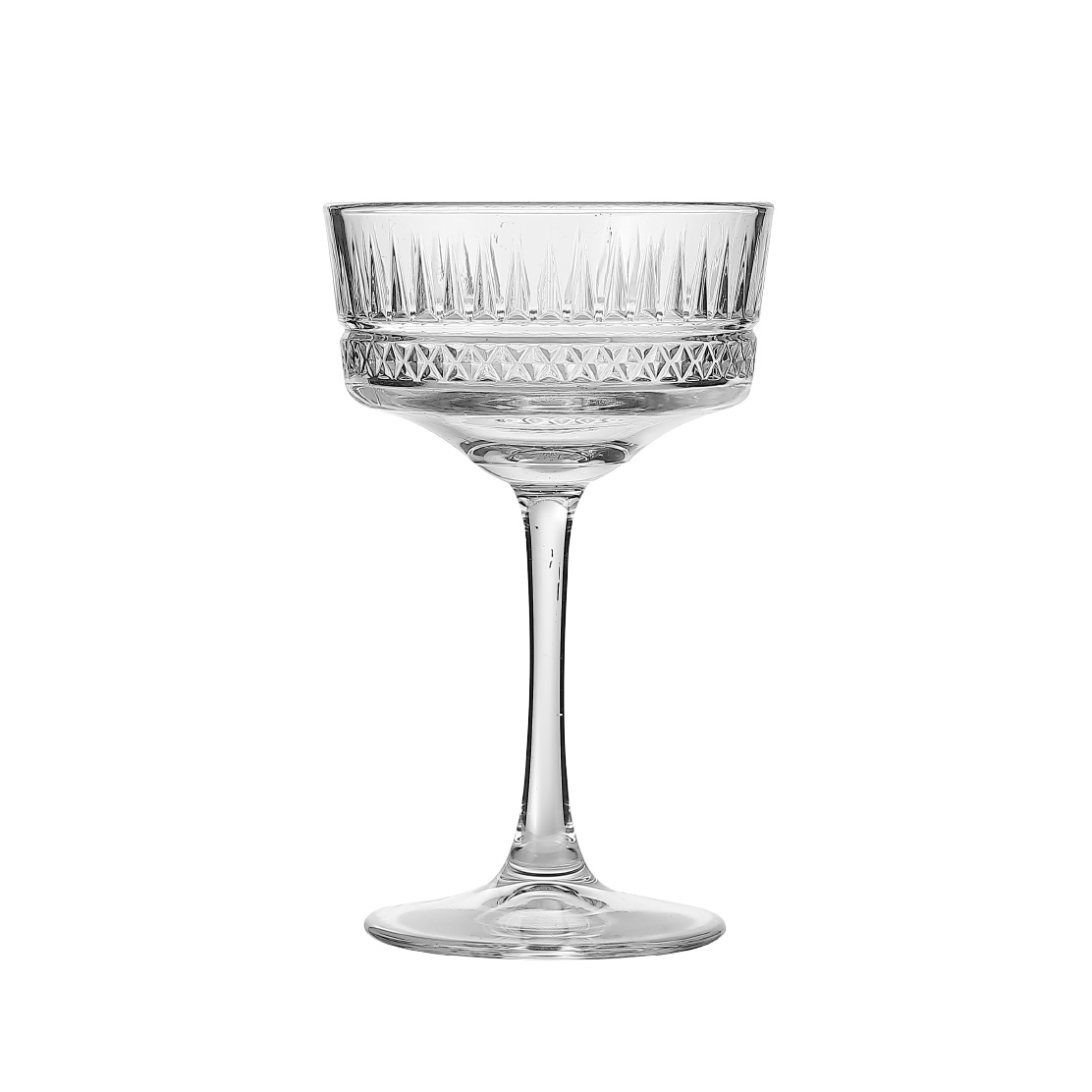
Decorated Glassware, Barware & Coordinated Kitchen Collection Sourcing category illustration
Category illustration. Product details and the final appearance are confirmed against the selected model and approved sample.

Start with a product reference, intended use and estimated quantity. We bring product selection, sample questions and quotation details into one conversation.

Email your reference image ↗
Glass rangeDrinking, serving, storage and table presentation
Decorative scopeCandle, home, bath and seasonal directions
DevelopmentForms, moulds, artwork and private-label packing
Complementary productsCookware and cutlery under separate material specifications
Explore the product range

Build the range
your buyers need.

Choose a focused product or discuss a coordinated assortment. Each direction can be developed into a more specific model and packaging brief.

Drinking glasses, coffee and tea cups

Build a cup and tumbler assortment around portions, handling and the intended beverage. Discuss clear, coloured, patterned or double-wall directions, with glass water bottles where the collection requires them. Define composition, capacity, dimensions and care conditions for each selected product rather than assuming one specification covers the range.

Enquire about this range ↗

Wine and barware collections

Explore goblets, wine glasses, decanters, beer glasses, highballs, shot glasses and related barware. Specify the serving portions, presentation and cleaning environment. Coordinate appearance across the range while keeping bowl, rim, base and any stopper or accessory requirements specific to the individual item.

Enquire about this range ↗

Jugs, jars and beverage presentation

Discuss jugs, pitchers, jars, bottles and serving-set directions against the actual contents and handling needs. Identify required capacities, openings, closures and components. Resolve fit and function before approving the sample, including any seal, dispensing or set arrangement needed for the proposed collection.

Enquire about this range ↗

Kitchen storage, plates and bowls

Combine glass jars and food containers with plates, bowls or cake-presentation directions for a kitchen or dining assortment. Define usable dimensions, contents and cleaning requirements. Lids, seals and materials need an item-level specification, with any airtight, leak-resistant or appliance claim supported separately.

Enquire about this range ↗

Bakeware and kitchen-product enquiries

Send the exact baking-container or kitchen-storage project, together with food, heating, cooling and handling conditions. Confirm current forms, composition, closures and care instructions before selection. A baking label or borosilicate description does not establish universal oven, stovetop, microwave or dishwasher compatibility.

Enquire about this range ↗

Home decoration, candles and bathroom items

Explore decorative glass, vases, candleholders, candle jars, ashtrays and bath-accessory concepts within a shared home theme. Define placement, contents and practical use for every piece. Confirm stability, component fit, cleaning and any candle, flame or moisture-related requirements against the actual proposed item.

Enquire about this range ↗

Gifts, souvenirs and promotions

Develop holiday, tourism, anniversary, liquor, coffee or soft-drink promotional projects using authorised artwork. Specify the occasion, audience, glass form and retail presentation together. Discuss the finish and packaging with the intended contact and care conditions, including the rights needed for graphics, characters and logos.

Enquire about this range ↗

Custom finishes and original design

Discuss ion-plated or masked effects, hand-applied colour, sprayed colour, decals, printing, engraving or other suitable finishing directions. Share the desired result and authorised references. The chosen process, colour, durability and care requirements depend on the actual substrate and must be approved on the finished sample.

Enquire about this range ↗

Complementary cookware and cutlery

Wider kitchen enquiries can include cooker sets, frying pans, woks, grill pans, soup or stew pots, milk or sauce pans and cutlery. Treat these as separate material and construction projects. Specify the cooking surface, heat source, handles and care requirements rather than assuming they are glass products.

Enquire about this range ↗
Reference product directions

Start with a product.
Define the details.

Use these options to describe what you are buying. The public references identify your enquiry; the final model and specification are confirmed before an order.

750 ml decanter reference sourcing illustration
REFERENCE 0071-01

750 ml decanter reference

A stoppered decanter direction for a coordinated table or bar collection. Use the listed capacity, height and weight to frame selection, then confirm opening, stopper fit, glass identity and measurement tolerances. Food-contact and care requirements belong to the actual approved item.

Listed capacity
750 ml
Listed height
225 mm
Listed weight
1395 g
Discuss this option ↗
380 ml tall drinking-glass reference sourcing illustration
REFERENCE 0071-02

380 ml tall drinking-glass reference

A taller drinking-glass direction for portion and table-presentation planning. Confirm rim and base dimensions, capacity measurement, glass composition and accepted variation for the current version. Any pattern or decoration requires authorisation and a finished sample before it is part of the order.

Listed capacity
380 ml
Listed height
145 mm
Listed weight
385 g
Discuss this option ↗
340 ml low drinking-glass reference sourcing illustration
REFERENCE 0071-03

340 ml low drinking-glass reference

A low-glass direction to compare with taller pieces in the collection. Relate the listed portion and proportions to handling, stability and presentation. Confirm the final dimensions, material, weight tolerance and care information on the selected version and its approved sample.

Listed capacity
340 ml
Listed height
91 mm
Listed weight
280 g
Discuss this option ↗
230 ml stemmed wine-glass reference sourcing illustration
REFERENCE 0071-04

230 ml stemmed wine-glass reference

A stemmed-glass direction for an event or dining assortment. Discuss the serving portion, bowl, stem and base against the desired table setting. Confirm current glass identity, measurement method, accepted variation and care conditions before relying on the reference for production or retail descriptions.

Listed capacity
230 ml
Listed height
180 mm
Listed weight
280 g
Discuss this option ↗
1100 ml soda-lime jar direction sourcing illustration
REFERENCE 0071-05

1100 ml soda-lime jar direction

A storage-jar direction with a listed 1100 ml capacity and soda-lime material description. Specify the contents and required closure. Agree the exact jar shape, lid material and fit on a sample, with any seal performance and care requirements confirmed separately.

Listed capacity
1100 ml
Listed glass
Soda-lime
Closure
Confirm exact version
Discuss this option ↗
1200 ml bamboo-cover jar direction sourcing illustration
REFERENCE 0071-06

1200 ml bamboo-cover jar direction

A storage-jar direction described with high-borosilicate glass and a bamboo cover. Confirm dimensions, usable opening, seal composition and care information for the selected assembly. Airtightness, leak resistance and appliance compatibility need evidence for that exact jar and cover configuration.

Listed capacity
1200 ml
Listed glass
High borosilicate
Cover direction
Bamboo
Discuss this option ↗

The drinkware and decanter figures are catalogue references for initial selection; confirm current versions, measurement methods, material identity and tolerances. Storage-jar references also need the exact lid and component specification. Patterns and artwork require authorisation, and performance or appliance claims need item-specific evidence.

What matters for this category

A better brief.
A clearer comparison.

Focus the sourcing conversation on the features, materials and production details that make a difference to your product range.

01

Develop the whole retail collection

Relate drinkware, serving, storage and decorative pieces through proportions, colour and presentation. Define each product’s practical role so a shared theme does not hide different use requirements. A complete item schedule helps compare samples, packaging and commercial proposals across the assortment.

02

Connect design with finishing and labels

Bring original drawings or authorised references for a coordinated discussion of moulds, surface appearance and private labels. Consider artwork, placement and packaging together. Confirm feasibility, development scope, revisions and the approved finished sample before relying on any specific form or decorative result.

03

Coordinate follow-up and packing

Plan product development, production follow-up, inspection and packing around the actual assortment. Include components, set assembly and any phased delivery needs early. Confirm the responsible parties, documents, handling and shipment requirements in writing; supplier facilities and teams remain project resources rather than platform-owned assets.

Branding, configuration & packaging

Make the product
fit your programme.

Bring artwork, reference samples and a target cost. The available process, minimum quantity, sample charges and development scope are reviewed for the chosen option.

01

New forms and mould development

Supply drawings, desired capacity, dimensions and functional details, marking critical interfaces such as lids, handles and bases. Request feasibility, tooling and sample terms for the chosen product. Confirm design rights and approval milestones before proceeding with a new form or a customised collection.

02

Artwork and surface decoration

Provide authorised files, colour references and placement requirements for the proposed finish. Discuss compatibility with the actual glass or kitchen-product material. Agree final appearance, contact boundaries and relevant durability or care evidence through a representative sample incorporating the selected decoration and components.

03

Retail packaging and private labels

Define labels, barcodes, set contents and presentation alongside the protective packaging brief. Agree the artwork layout and sample packing for the actual product mix. Confirm internal separation, carton quantities, dimensions and handling requirements before approving a retail or shipment format.

Quality & product evidence

Turn requirements
into checks.

Agree which product characteristics need testing and how the approved sample relates to the bulk order.

01

Approve appearance and practical fit

Set out material identity, dimensional checks, capacity method, surface appearance and accepted variation. Review rims, handles, bases, lids or decorative areas as relevant to the item. Use the approved sample and specification as the reference for inspection and the final product information.

02

Match evidence to the intended use

Specify beverages or foods, temperature, cleaning, candle exposure or cooking conditions before requesting declarations or tests. Finished decoration and accessories must be included where relevant. Management-system or supplier-audit information should be reviewed separately from product safety and performance for the actual configuration.

03

Plan final inspection and release

Agree production follow-up, visual checks, packing review and final-inspection responsibilities for the order. Define the sampling basis, defect criteria and required records. Include surface protection and set completeness so the release decision reflects the approved goods and packing, rather than an undefined quality promise.

Test capability is a starting point for the inspection plan. Request the method, applicable model and results needed for your order.

Documents matched to the order

Ask for evidence
that fits the product.

Build a product file around the approved design, finished sample, material and intended destination. Keep supplier documents, item-level evidence and packing records distinct, with their dates and scope checked before claims are used in retail information or buyer onboarding.

State the sales market, intended users and required files in your first enquiry. Current validity and scope are checked for the selected supplier and product; a category description does not certify every item.

Share your document requirements ↗
Item and artwork approval record
Record the selected form, dimensions, capacity method, materials, finish, components and set quantities. Link the authorised artwork and approved sample to each item. Clarify any conflicting descriptions or lid variants before the specification is used for production, inspection or packaging.
Material, performance and supplier records
Request appropriate food-contact, care or cooking-use evidence for the finished products, plus current supplier documents where needed. Review document holder, date, product coverage and conditions. Any recycled-content, environmental, licensed-character or audit claim requires evidence relevant to its actual scope.
Packing and shipment information
Agree retail labels, care instructions, carton marks, piece counts and protection for fragile or finished surfaces. Confirm inspection records and destination documents, with the transport arrangement and delivery responsibilities established in the quotation. Mixed materials or cookware may need separate packing and information lines.
Built around how you sell

Different buyers.
Different specifications.

Your sales channel changes the assortment, packaging and quality priorities. Tell us the intended use as well as the product name.

01

Household and lifestyle retail ranges

Coordinate daily glassware, kitchen storage and selected home accessories around your target customer and shelf presentation. Give the desired product mix, portions and appearance. Confirm specifications, care information and packing for each selected line before planning a launch or replenishment assortment.

02

Custom gifts and branded promotions

Develop a gift, souvenir or beverage-promotion concept using artwork you are authorised to use. Resolve glass form, finish, set contents and presentation together. Confirm product-use requirements and evidence before marketing a decorative or promotional design for a particular service condition.

03

Dining and kitchen collections

Combine table presentation with separate storage or cookware projects where the buying brief calls for them. Specify the function and material of each item, including lids, handles and cooking surfaces. Shared colours or packaging do not imply shared thermal, cleaning or performance limits.

From first brief to a defined order

One contact.
A practical next step.

Samples, commercial terms and responsibilities are agreed for the project. Use the same product and packing specification when comparing quotations.

01

Share the requirement

Product, reference image, quantity, sales market and timing.

02

Compare suitable options

Review configuration, materials, sample scope and relevant documents.

03

Approve the specification

Agree artwork, packaging, sample, testing and inspection criteria.

04

Confirm the order plan

Set price, payment, production, delivery and defect remedies in writing.

Buyer questions

Before you send
your first enquiry.

Practical answers about this sourcing direction, customization and the reference options. Your agreed specification and written quotation determine the actual order.

What product families can I discuss?

The scope includes drinkware, barware, jugs and jars, glass plates and bowls, food storage, bakeware, decorative glass, bathroom items, gifts and promotional projects. Complementary cookware and cutlery can be discussed under their own material and use specifications.

Can I develop private-label or original glassware?

Submit authorised drawings, references, dimensions, capacities and artwork for a development proposal. Discuss mould work, finishing, sample stages and packaging together. Feasibility, design rights, charges and approval milestones must be agreed for the selected product and configuration.

What decoration can be considered?

Discuss suitable plating, masking, hand-applied colour, spraying, decals, printing or engraving against the actual form and intended use. Provide authorised artwork and colour references. Confirm the chosen finish, durability and care information through the final sample and relevant supporting evidence.

Can I use every glass item in an oven or dishwasher?

Confirm care and appliance compatibility for each selected item, decoration, lid and other components. Specify the intended temperatures and cleaning conditions before selection. Neither a glass-family label nor a general marketing description establishes one universal heat or dishwasher rating.

Are all storage-jar lids and capacities interchangeable?

No. Agree the exact jar and lid version, material, opening, seal and capacity measurement in the specification. Some references need clarification of their closure description. Request a sample assembly and evidence for any airtightness or leakage claim before approving the product.

Are the cookware products made from glass?

Material depends on the particular cooker set, pan, pot or utensil selected. Provide the required substrate, coating or surface, heat source and handles for a separate proposal. Do not assume the material or care conditions of glassware also apply to cookware or cutlery.

What are sample conditions, order minimums and lead times?

Request current written terms for each selected item, development work, finish, quantity and packing. Stock products, custom decoration and new mould projects can have different conditions. Confirm sample charges, freight, timing and any mixed-assortment arrangement rather than relying on one general policy.

What should I send for a quotation?

Send product references or drawings, quantities, dimensions, capacity, material preferences and intended use. Add authorised artwork, components, set contents, packaging, destination, required evidence and target schedule so sampling, product selection and delivery can be planned as one project.

Who handles my enquiry?

Factory Sourcing Hub handles this enquiry as an independent sourcing and trading service. The product route, supplier suitability, sample scope and order responsibilities are agreed for the actual project.

How do I get a price and order minimum?

Send the product reference, quantities per variation, customization and packaging. Prices, minimums, sample charges and delivery dates are confirmed in a current quotation; the page is not a live inventory or price feed.

Can I discuss samples and inspection before ordering?

Yes. State whether you need a reference sample, a customized sample or development work. Agree the sample cost and shipping, approval specification, inspection plan and remedy for non-conforming goods before the bulk order.

What should I attach to my email?

Reference images, drawings, logo artwork and a product list are useful. Include quantities, the intended users and sales market, packaging, required documents and timing. After submitting the form, email attachments to kunhuow@gmail.com with your enquiry reference.


Tell us what you are planning

Your next order
starts with a brief.

A reference picture or a short description is enough to begin. Add the details you already know; the optional fields help make the follow-up more useful.

  • Assortment, product references, quantities, dimensions and capacity.
  • Materials, intended use, care or cooking conditions and required evidence.
  • Original design, authorised artwork, finishing, components and packaging.
  • Sample stages, inspection scope, destination and shipment requirements.
kunhuow@gmail.com

Download the enquiry checklist ↓

Independent sourcing and trading service. Supplier choice, service costs and order conditions are discussed for your project.

Discuss your requirements.

Product selection, customization, samples and quotation enquiries.

Add product, quantity or customization details (optional)

Submit your enquiry directly. We use your details to respond to your sourcing request. For attachments, email kunhuow@gmail.com with your enquiry reference. Enquiry data use.

Information basis: published product information reviewed . Reference details support a sourcing discussion. Current supply, samples and product-specific documents are confirmed for the selected item.

Have a product in mind?
Share your sourcing brief.
Send an enquiry ↗