Independent B2B sourcing · One trading contactkunhuow@gmail.com ↗
FACTORY SOURCING HUBProduct sourcing for business buyers
Get a quote ↗
Home/Glassware/Decorative Art Glass, Vases, Candleholders & Tableware Sourcing
Handworked glass · carved surfaces · candle & floral forms · pressed-glass directions

Decorative Art Glass, Vases, Candleholders & Tableware Sourcing

Decorative Art Glass, Vases, Candleholders & Tableware Sourcing

Develop distinctive glass collections across decorative vases, candleholders, carved glass, tabletop pieces, lighting and multi-material assemblies. Bring shape, colour, pattern and function into a clear design brief, with forming method, samples and acceptance criteria defined by selected article.

  • Develop decorative glass from shape, colour and pattern ideas.
  • Compare handmade and selected pressed-glass directions separately.
  • Approve physical variation, components, use and protective packing.

Manufacturing, product documents and order conditions depend on the model and supply route selected for your project.

Decorative Art Glass, Vases, Candleholders & Tableware Sourcing category illustration
Category illustration. Product details and the final appearance are confirmed against the selected model and approved sample.

Start with a product reference, intended use and estimated quantity. We bring product selection, sample questions and quotation details into one conversation.

Email your reference image ↗
Decorative coreVases, candleholders & hurricane forms
Surface directionCarved patterns, colour & clear finishes
Related rangesTableware, lighting & multi-material glass
Development briefDrawing, method, sample & acceptance
Explore the product range

Build the range
your buyers need.

Choose a focused product or discuss a coordinated assortment. Each direction can be developed into a more specific model and packaging brief.

Handworked vase collections

Handmade decorative glass offers different silhouettes, openings and colour directions. Specify proportions, finish and arrangement needs, then agree which natural variation is acceptable across an approved collection.

Enquire about this range ↗

Candleholders and wind lamps

Candleholder and hurricane-style glass directions can be developed around an insert, stand or another defined light source. Confirm fit, access, stability, clearances and intended conditions for the complete construction.

Enquire about this range ↗

Carved glass

Patterned and carved-glass directions bring surface detail into the design brief. State motif, location, depth and edge expectations, and confirm the actual production route rather than assuming the appearance establishes a cutting process.

Enquire about this range ↗

Tableware and drinking glass

Drinking, plate and bowl directions require clear capacity, rim, weight and contact-use specifications. Keep decorative-only pieces separate from articles intended for food or beverages, with relevant evidence and instructions for each.

Enquire about this range ↗

Glass with additional materials

Multi-material directions need a full component list, dimensions and interfaces. Define the chosen support, fitting or decorative part, including fixing, finish and handling requirements for the assembled item.

Enquire about this range ↗

Lighting-related glass

Explore glass components and decorative lighting forms around a precise supply scope. Dimensions, attachment, weight, heat exposure and any electrical assembly must be reviewed for the selected product.

Enquire about this range ↗

Pressed-glass design directions

A machine-pressed drinking-glass reference offers a different forming route from handworked decorative glass. Specify the selected texture, base and rim together, with process, tolerances and performance evidence confirmed by item.

Enquire about this range ↗
Reference product directions

Start with a product.
Define the details.

Use these options to describe what you are buying. The public references identify your enquiry; the final model and specification are confirmed before an order.

Textured machine-pressed tumbler direction sourcing illustration
REFERENCE 0066-01

Textured machine-pressed tumbler direction

A textured drinking-glass direction uses precision pressing with a substantial base and curved-rim design. Approve the exact drawing, rim finish and material evidence for the selected article.

Forming reference
Machine pressed
Base design reference
8 mm thickened base
Rim design reference
45° curved-rim description
Capacity and overall size
Confirm for selected variant
Discuss this option ↗
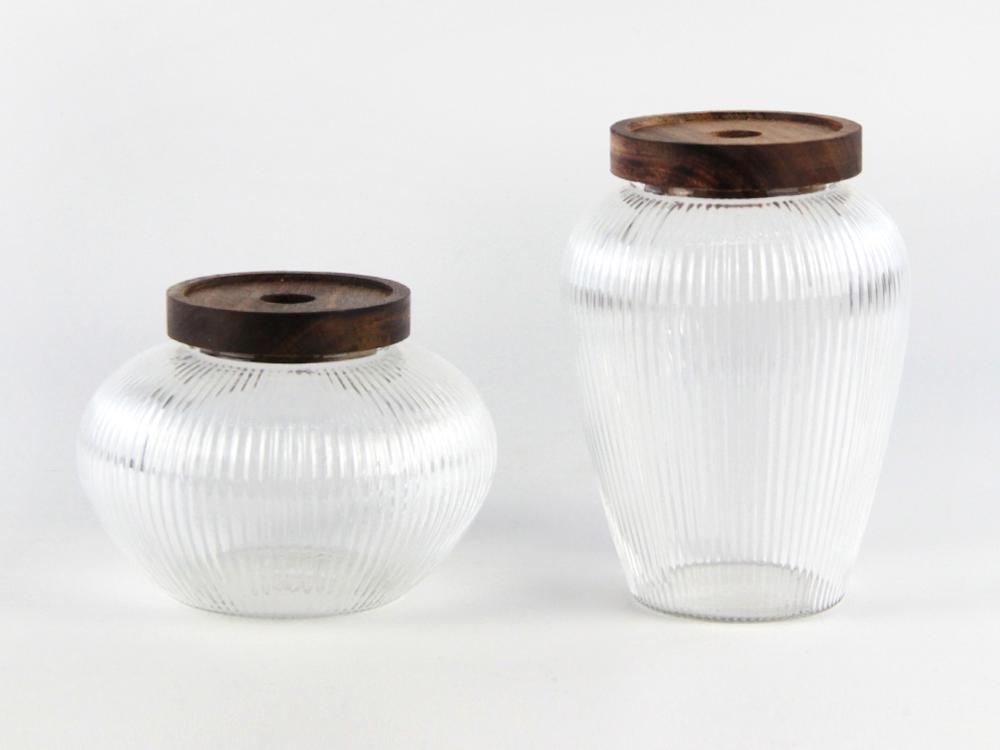
Handmade decorative vase direction sourcing illustration
REFERENCE 0066-02

Handmade decorative vase direction

A handworked vase range offers scope to develop silhouette, colour and pattern. Define opening, height, base and the intended arrangement, then agree permissible variation on a physical sample.

Product direction
Handmade decorative glass
Development brief
Shape, colour, pattern and dimensions
Acceptance
Opening, stability, finish and agreed variation
Discuss this option ↗
Glass candleholder and hurricane direction sourcing illustration
REFERENCE 0066-03

Glass candleholder and hurricane direction

Decorative candleholders and wind-lamp forms require a clear insert and use brief. Specify the actual candle or light source, support, access and surrounding glass before approving the construction.

Product directions
Candleholder and wind-lamp forms
Component brief
Glass, base, handle or insert as selected
Use evidence
Confirm for actual light source and conditions
Discuss this option ↗
Carved decorative glass direction sourcing illustration
REFERENCE 0066-04

Carved decorative glass direction

Carved-glass directions can be selected around pattern, surface and form. Agree whether the selected effect is cut, carved or another process and approve edge condition and repeatability on the actual sample.

Product direction
Carved decorative glass
Pattern brief
Artwork, location, depth and finish to confirm
Form and dimensions
Select by design
Discuss this option ↗
Glass with additional materials sourcing illustration
REFERENCE 0066-05

Glass with additional materials

Multi-material glass directions combine a selected glass form with other components. Define every material, interface and fixing, then review the assembled appearance and handling requirements.

Product direction
Glass with additional materials
Specification
Component materials, dimensions and connection
Acceptance
Fit, stability, edges and finish
Discuss this option ↗
Tableware and display-glass directions sourcing illustration
REFERENCE 0066-06

Tableware and display-glass directions

Tableware, drinking-glass and plate or bowl directions can accompany decorative ranges. State the intended food, drink or display use, with dimensions and material evidence specific to the selected item.

Product directions
Drinking glass, plate and bowl
Use brief
Food, drink or decorative display
Set contents
Confirm each article and quantity
Discuss this option ↗
Decorative glass lighting direction sourcing illustration
REFERENCE 0066-07

Decorative glass lighting direction

A glass lighting component or decorative lamp direction needs a clear supply scope. Distinguish the glass piece from any complete electrical assembly and specify the fitting, support and applicable evidence.

Product direction
Glass lighting or decorative lamp form
Supply scope
Glass component or complete assembly to confirm
Electrical details
Only when separately specified and approved
Discuss this option ↗

These are product and design directions, not a current inventory or universal manufacturing claim. The 8 mm base and 45° rim belong only to the specific pressed-glass reference. Confirm dimensions, composition, forming method, supply scope and intended-use evidence in a current quotation and approved sample.

What matters for this category

A better brief.
A clearer comparison.

Focus the sourcing conversation on the features, materials and production details that make a difference to your product range.

01

Design-led development

Translate a concept, drawing or physical reference into a clear glass brief. Shape, colour, pattern and proportion can be discussed together, then reviewed through samples and agreed acceptance limits.

02

Forming method matched to the article

Handworked decorative forms and selected machine-pressed directions have different production and variation considerations. Identify the actual method and use it to define the relevant tolerances and approval steps.

03

Related decorative range planning

Coordinate vases, candleholders, tabletop forms and other selected glass directions around one visual theme. Keep each article’s components, use and packaging requirements separately identifiable.

Branding, configuration & packaging

Make the product
fit your programme.

Bring artwork, reference samples and a target cost. The available process, minimum quantity, sample charges and development scope are reviewed for the chosen option.

01

Concept and physical reference

Provide original drawings or references you have permission to use, together with dimensions and intended use. Identify fixed features and areas open to development, then agree the selected form and sample version.

02

Colour, pattern and component fit

Submit colour targets, surface or carved-pattern references and any additional-material specification. Agree process feasibility, artwork rights, dimensional fit and acceptable finish variation on the actual item.

03

Labels, assortment and shipment

Define labels, pack contents, retail presentation and protective cartons. Discuss mixed-design ordering, minimum quantities, samples, development charges and shipment timing in the current item-level proposal; no general reduction or schedule is assumed.

Quality & product evidence

Turn requirements
into checks.

Agree which product characteristics need testing and how the approved sample relates to the bulk order.

01

Physical reference and variation

Agree the standard for shape, dimensions, colour, surface and permitted handworked variation. Inspect rim and edge condition, bases and appearance against the approved article and chosen process.

02

Function and assembly

Assess stability, openings, inserts, supports and any multi-material connections. Define load, fit, water containment, handling or other functional checks that follow from the actual intended use.

03

Evidence and transit protection

Request matching reports for food, beverage, candle, heat or electrical use where relevant. Agree protective packing and transit checks for the actual shape and components, with an inspection scope and record before shipment.

Test capability is a starting point for the inspection plan. Request the method, applicable model and results needed for your order.

Documents matched to the order

Ask for evidence
that fits the product.

A useful art-glass brief preserves the design intent while making materials, forming method, variation and intended use measurable. Connect the approved sample to the drawing, component list and protective pack.

State the sales market, intended users and required files in your first enquiry. Current validity and scope are checked for the selected supplier and product; a category description does not certify every item.

Share your document requirements ↗
Design and production specification
Show dimensions, shape, opening, base, colour and surface pattern with the intended forming route. Add capacity or component information where it affects the use of the chosen article.
Reference and acceptance record
Record the approved physical sample, permitted variation, material and finish criteria. Include artwork permissions, pattern version and any use instructions or assembly requirements.
Packing and destination file
Specify set contents, separations, cushioning, boxes and outer cartons. Identify destination evidence, inspection criteria, quantities by design and the current sample, development and shipment schedule.
Built around how you sell

Different buyers.
Different specifications.

Your sales channel changes the assortment, packaging and quality priorities. Tell us the intended use as well as the product name.

01

Floral and decorative home collections

Develop vase proportions, colour and surface detail around the intended arrangement and display. Confirm opening, base, water containment and allowable visual variation for every form.

02

Candle and occasion presentation

Coordinate candleholder and hurricane directions with an actual candle or light source. Specify placement, inserts and clearances, and obtain suitable evidence before making a use or performance claim.

03

Tabletop and coordinated lifestyle ranges

Explore drinking glass, plate, bowl and decorative directions in a shared design language. Keep contact-use specifications, forming route, components and protective packing clear for the selected articles.

From first brief to a defined order

One contact.
A practical next step.

Samples, commercial terms and responsibilities are agreed for the project. Use the same product and packing specification when comparing quotations.

01

Share the requirement

Product, reference image, quantity, sales market and timing.

02

Compare suitable options

Review configuration, materials, sample scope and relevant documents.

03

Approve the specification

Agree artwork, packaging, sample, testing and inspection criteria.

04

Confirm the order plan

Set price, payment, production, delivery and defect remedies in writing.

Buyer questions

Before you send
your first enquiry.

Practical answers about this sourcing direction, customization and the reference options. Your agreed specification and written quotation determine the actual order.

Can a glass design be developed from a drawing?

Share drawings or references you have rights to use, with dimensions, colour, pattern and intended use. Agree process feasibility and sample approval before confirming a final design or order.

Are all items handmade?

The range includes handworked decorative directions and a distinct machine-pressed reference. Confirm the forming method for each selected article rather than applying one description to the whole range.

What are the pressed-glass reference details?

The specific drinking-glass design describes an 8 mm thickened base and a 45° curved rim. Confirm its drawing, variant, capacity and material evidence; those details do not establish the dimensions or performance of other pieces.

How is handmade variation agreed?

Use an approved physical reference and measurable limits for shape, size, colour and surface. Identify which differences are part of the design and which deviations require rejection or review.

Can colours and carved patterns be coordinated?

Provide colour and pattern references, artwork permissions and required locations. Confirm the actual process, finish and acceptable variation on samples of the selected forms.

Does lighting glass include electrical components?

Define the supply scope explicitly. A decorative glass component does not establish a complete lamp; fittings, electrical parts, instructions and destination evidence need their own specification and approval.

Are samples, mixed orders and minimums fixed?

Request a current proposal for each design and assortment. Sample charges, development, minimum quantities, mixed-design arrangements and timing need written confirmation for the actual order.

What should an art-glass enquiry include?

Send permitted design references, drawings, dimensions, quantities and the intended use. Add colour, surface, forming method preference, components, packing, destination evidence and the target delivery window.

Who handles my enquiry?

Factory Sourcing Hub handles this enquiry as an independent sourcing and trading service. The product route, supplier suitability, sample scope and order responsibilities are agreed for the actual project.

How do I get a price and order minimum?

Send the product reference, quantities per variation, customization and packaging. Prices, minimums, sample charges and delivery dates are confirmed in a current quotation; the page is not a live inventory or price feed.

Can I discuss samples and inspection before ordering?

Yes. State whether you need a reference sample, a customized sample or development work. Agree the sample cost and shipping, approval specification, inspection plan and remedy for non-conforming goods before the bulk order.

What should I attach to my email?

Reference images, drawings, logo artwork and a product list are useful. Include quantities, the intended users and sales market, packaging, required documents and timing. After submitting the form, email attachments to kunhuow@gmail.com with your enquiry reference.


Tell us what you are planning

Your next order
starts with a brief.

A reference picture or a short description is enough to begin. Add the details you already know; the optional fields help make the follow-up more useful.

  • Design references, intended use and quantity by form.
  • Dimensions, colour, surface, forming route and components.
  • Approved sample criteria, artwork rights and protective packaging.
  • Destination, required evidence, assortment and target timing.
kunhuow@gmail.com

Download the enquiry checklist ↓

Independent sourcing and trading service. Supplier choice, service costs and order conditions are discussed for your project.

Discuss your requirements.

Product selection, customization, samples and quotation enquiries.

Add product, quantity or customization details (optional)

Submit your enquiry directly. We use your details to respond to your sourcing request. For attachments, email kunhuow@gmail.com with your enquiry reference. Enquiry data use.
Information basis: published product information reviewed . Reference details support a sourcing discussion. Current supply, samples and product-specific documents are confirmed for the selected item.

Have a product in mind?
Share your sourcing brief.
Send an enquiry ↗