
Pressed tumblers
Plain and patterned pressed-glass drinking forms provide height, base and weight choices. Specify serving capacity, rim shape, surface details and the glass composition for the actual selected article.
Enquire about this range ↗Glass drinkware Bowls, jugs & containers
Source clear tumblers, handled cups, stemware, dessert glasses, bowls, jugs, jars and glass packaging with item-specific dimensions, component approval and protective packing.
Manufacturing, product documents and order conditions depend on the model and supply route selected for your project.
Start with a product reference, intended use and estimated quantity. We bring product selection, sample questions and quotation details into one conversation.
Email your reference image ↗Choose a focused product or discuss a coordinated assortment. Each direction can be developed into a more specific model and packaging brief.
Plain and patterned pressed-glass drinking forms provide height, base and weight choices. Specify serving capacity, rim shape, surface details and the glass composition for the actual selected article.
Enquire about this range ↗Handled cups, cup-and-saucer directions and dedicated beer-glass ranges support different serving presentations. Define handle clearance, cup volume, component contents and the actual beverage and cleaning conditions.
Enquire about this range ↗Stemmed wine and cocktail forms, other wine glasses and ice-bucket directions can form a bar assortment. Confirm the bowl, rim, stem, base, bucket capacity and any accessories individually.
Enquire about this range ↗Patterned drinking glasses offer different relief and decorative appearances. Agree the pattern, feel, colour and finish against the selected sample, together with the intended serving and cleaning requirements.
Enquire about this range ↗Dessert cups and stemmed ice-cream forms provide dedicated serving options. Select the bowl profile, useful portion size, overall height, footprint and contents of the retail or hospitality pack.
Enquire about this range ↗Covered candy-dish and display-container directions include patterned bodies and separate lids. Specify the overall dimensions, usable volume, lid fit, handle or knob and the permitted contents.
Enquire about this range ↗Bowls and fruit-serving plates are offered in different patterns and constructions, including a specifically soda-lime-labelled bowl group. Identify each item and intended food use; agree exact materials and selected set contents.
Enquire about this range ↗Handled jugs provide clear and patterned cold-water serving directions. Define working volume, handle and spout details, body dimensions and any separate lid or matched glasses before sample approval.
Enquire about this range ↗Glass jars and storage-container forms require a clear component schedule. Specify capacity, opening, lid or closure, any seal, intended contents and acceptance tests rather than assuming a photographed lid is airtight.
Enquire about this range ↗Coloured styles and gold- or silver-colour rim and body effects appear across selected ranges. State the desired effect, application area and permitted artwork; confirm composition, surface durability and care instructions for that process.
Enquire about this range ↗Decorative vase forms and glass ashtrays add separate household-accessory directions. Specify dimensions, opening, base and pattern, with use-specific stability or thermal criteria for the actual article.
Enquire about this range ↗Bottle directions cover spirit, beer, wine, seasoning, beverage and canning applications. Develop an original bottle-and-closure brief with neck finish, fill volume, content compatibility, decoration and the intended filling and distribution process.
Enquire about this range ↗Selected borosilicate food-container and baking-dish directions appear in the manufacturing range. Obtain the actual material, construction, lid and thermal-use evidence before specifying reheating, oven, freezer or cleaning instructions.
Enquire about this range ↗Use these options to describe what you are buying. The public references identify your enquiry; the final model and specification are confirmed before an order.

A straight-sided clear drinking-glass reference with a substantial base. The stated volume is a catalogue reference; confirm the fill basis, tolerances and intended drinks for the selected sample.
A second plain tumbler reference for comparing height, footprint and weight within a drinkware assortment. Specify the required usable capacity independently; it is not given in the page text.
A shorter clear-glass reference for a coordinated tumbler selection. Confirm the exact rim, base, capacity and acceptance sample before ordering.
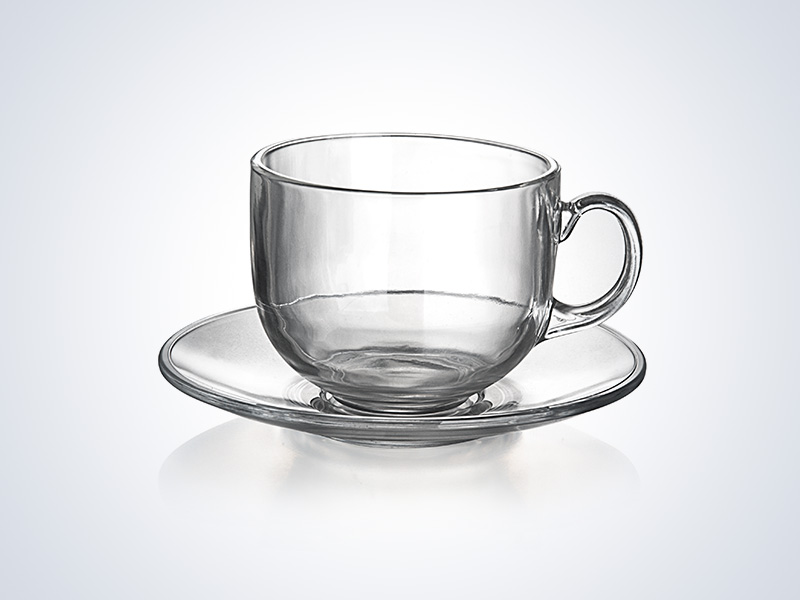
The photograph shows a clear handled cup with a matching saucer. The page lists dimensions for the item; confirm the drawing, whether the saucer is included and the component to which each measurement applies.
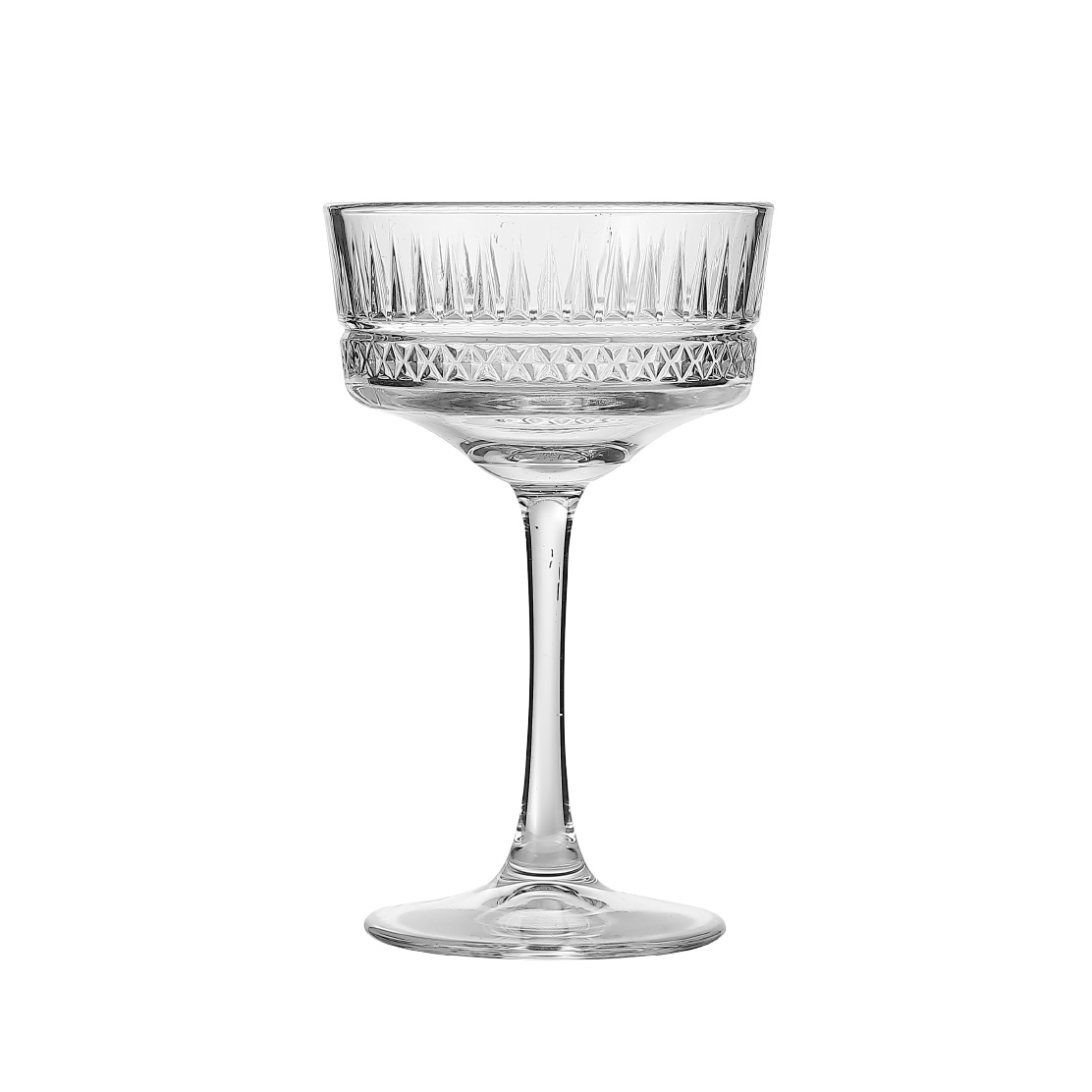
A clear stemmed form with a wide V-shaped bowl. The individual product image gives approximate capacity and weight, plus height, rim and base dimensions; confirm the fill basis and manufacturing tolerances.
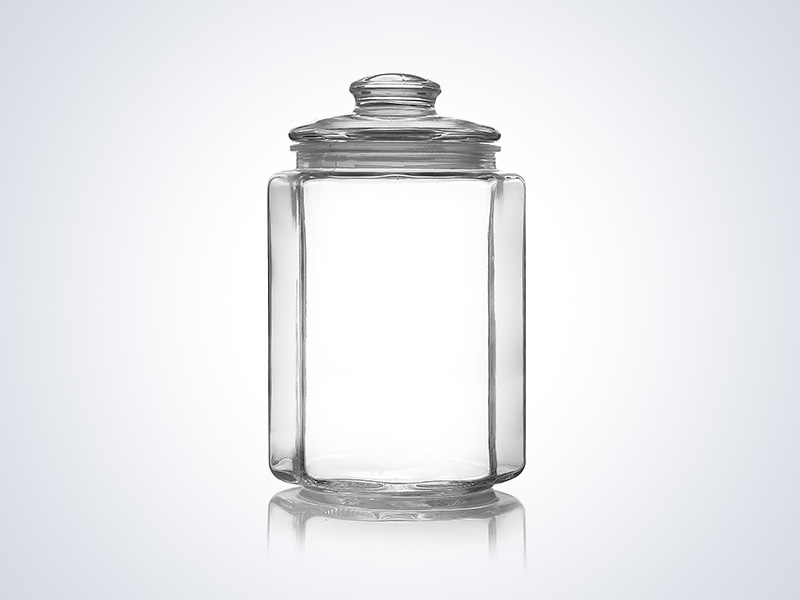
A clear faceted container with a separate glass lid is shown in the catalogue. Confirm the actual volume, lid fit, seal material and contents; the model code alone does not establish a measured capacity or airtightness.
The current bowl catalogue includes a soda-lime-labelled three-reference group alongside other bowl directions. Define the selected shapes, sizes, individual contents and material rather than applying one glass composition to every bowl.
Stemmed dessert and ice-cream forms are a dedicated range. Select bowl shape, serving volume, height, stability and piece count for the actual dessert service; no size is inferred from the model code.
Handled cold-water jugs are listed in multiple surface patterns. Specify the serving volume, handle clearance, pouring geometry and matching glasses; confirm any lid or other accessory separately.
The fruit-plate range offers shallow serving directions in different patterns. Confirm usable size, edge finish, stability, decoration and intended food contact for the selected design.
Beer cups and mugs sit alongside wine glasses, stemware and ice buckets. Choose the intended beverage, serving volume, rim, handle or stem and individual packaging for each item in a bar assortment.
Glass packaging directions include spirit, beer, wine, seasoning, beverage and canning bottles. Define the actual contents, fill process, neck finish, closure, dimensions and decoration using an original or permitted design.
Measurements belong to their individual references, not the whole range. Image-stated volumes and weights retain their stated approximation or fill-basis limits. Confirm the current design, supplying party, component drawing, materials and commercial terms in the quotation.
Focus the sourcing conversation on the features, materials and production details that make a difference to your product range.
Combine drinking, serving, storage, decorative and packaging directions while retaining a separate specification for each article. This helps compare complete assortment proposals and prevents accessory or material assumptions.
Use specific tumbler heights, base dimensions and weights, or the approximate stemware volume, to explain the form you need. Pair numeric targets with the selected physical sample and tolerances.
For jars and bottles, define the body, opening, lid or closure and contents as one purchasing brief. For cups and serving sets, agree the exact piece list, matched components and protective presentation.
Bring artwork, reference samples and a target cost. The available process, minimum quantity, sample charges and development scope are reviewed for the chosen option.
Send original drawings or a permitted sample with the intended glass composition, dimensional tolerances, fill volume and component list. Ask for feasibility, tooling needs, sample stages and written approval points.
Provide permitted artwork and specify pattern, colour or rim-effect targets. Confirm the available process, decoration area, component materials, care requirements and matching evidence before signing off the actual design.
Request a proposal for the selected model, colour, set and protective pack. Confirm sample availability, fees and freight, development costs, current minimum quantities and production timing individually.
Agree which product characteristics need testing and how the approved sample relates to the bulk order.
Agree checks for height, openings, base size, weight, finish, visible defects and edge condition. For stemware and handled pieces, define stem, base, joint and handle acceptance against the approved sample.
State the intended drinks, food, storage contents or filling process. For heat, cleaning, seals, closures or decorated surfaces, request component-specific evidence and agreed checks under the actual use conditions.
Define separators, cushioning, lid protection and carton counts. Set the approved pack layout and transport checks with the inspection method, defect criteria and shipment documents before dispatch.
Test capability is a starting point for the inspection plan. Request the method, applicable model and results needed for your order.
Provide a separate specification for each glass article, closure and set. Keep material, intended use, permitted artwork and the approved physical sample aligned with the packing and acceptance file.
State the sales market, intended users and required files in your first enquiry. Current validity and scope are checked for the selected supplier and product; a category description does not certify every item.
Share your document requirements ↗Your sales channel changes the assortment, packaging and quality priorities. Tell us the intended use as well as the product name.
Specify tumbler, beer-glass, cup, stemware, jug and dessert needs by serving volume and service style. Include handling, cleaning, stability and packing requirements for every chosen item.
Combine selected bowls, plates, covered dishes, jars and decorative glass into a clear assortment. Define set contents, appearance targets, presentation and individual protection without assuming common material or use limits.
Develop glass bottles and containers around the actual contents and filling process. Start with the capacity, neck finish, closure, permitted artwork and destination evidence, then approve a complete packaging sample.
Samples, commercial terms and responsibilities are agreed for the project. Use the same product and packing specification when comparing quotations.
Product, reference image, quantity, sales market and timing.
Review configuration, materials, sample scope and relevant documents.
Agree artwork, packaging, sample, testing and inspection criteria.
Set price, payment, production, delivery and defect remedies in writing.
Practical answers about this sourcing direction, customization and the reference options. Your agreed specification and written quotation determine the actual order.
You can specify tumblers, handled cups, beer and wine glasses, stemware, dessert glasses, bowls, plates, jugs, jars, bottles and decorative directions. List individual quantities and specifications, even when they form one assortment.
One reference lists 377 ml, 160 mm height, 70 mm top, 60 mm base and 385 g. Confirm the volume measurement basis, exact dimensions and tolerances against the selected sample.
A V-shaped stemmed reference shows approximately 120 ml and 144 g, with 192 mm height, 90 mm rim and 75 mm base. The capacity is approximate; confirm its fill basis and the current sample.
Specify the composition for the exact article. The range includes a soda-lime-labelled bowl group and separate borosilicate directions; a category name or image does not establish a universal material or heat-use rating.
Include the opening or neck finish, closure type, seal, contents and filling conditions in the brief. Confirm all components, compatibility, leakage criteria and complete packaging sample before approval.
Send your colour, finish, decoration-area and permitted artwork requirements. Request feasibility for the actual process and evidence for the intended contact, cleaning and wear conditions before approving the sample.
Ask for current terms for each item, colour and packing choice. Confirm sample cost and freight, tooling or development charges, order minimums and timing in the written quotation.
Send an article list with quantities, dimensions, capacity basis, materials and all components. Add intended use, contents or filling process, decoration, destination evidence, packing requirements and target timing.
Factory Sourcing Hub handles this enquiry as an independent sourcing and trading service. The product route, supplier suitability, sample scope and order responsibilities are agreed for the actual project.
Send the product reference, quantities per variation, customization and packaging. Prices, minimums, sample charges and delivery dates are confirmed in a current quotation; the page is not a live inventory or price feed.
Yes. State whether you need a reference sample, a customized sample or development work. Agree the sample cost and shipping, approval specification, inspection plan and remedy for non-conforming goods before the bulk order.
Reference images, drawings, logo artwork and a product list are useful. Include quantities, the intended users and sales market, packaging, required documents and timing. After submitting the form, email attachments to kunhuow@gmail.com with your enquiry reference.
A reference picture or a short description is enough to begin. Add the details you already know; the optional fields help make the follow-up more useful.
Download the enquiry checklist ↓
Independent sourcing and trading service. Supplier choice, service costs and order conditions are discussed for your project.
Product selection, customization, samples and quotation enquiries.
Compare separate product ranges and prepare a brief that fits your assortment.
Source drinkware, stemware, jars, food containers, serving glass and decorative ranges, with glass selection, custom finishes, mould development and retail or parcel packaging briefs.
Explore this service ↗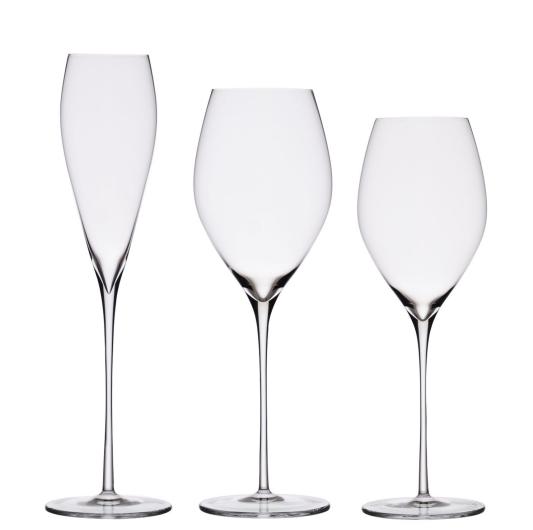
Develop a glassware collection around bowl shape, stem detail and colour. Explore hand-blown stemware, lightweight-look wine glasses, coloured pressed drinkware, tumblers, dessert glasses and decanters, with drawing-led development, authorised logos and packaging enquiries.
Explore this service ↗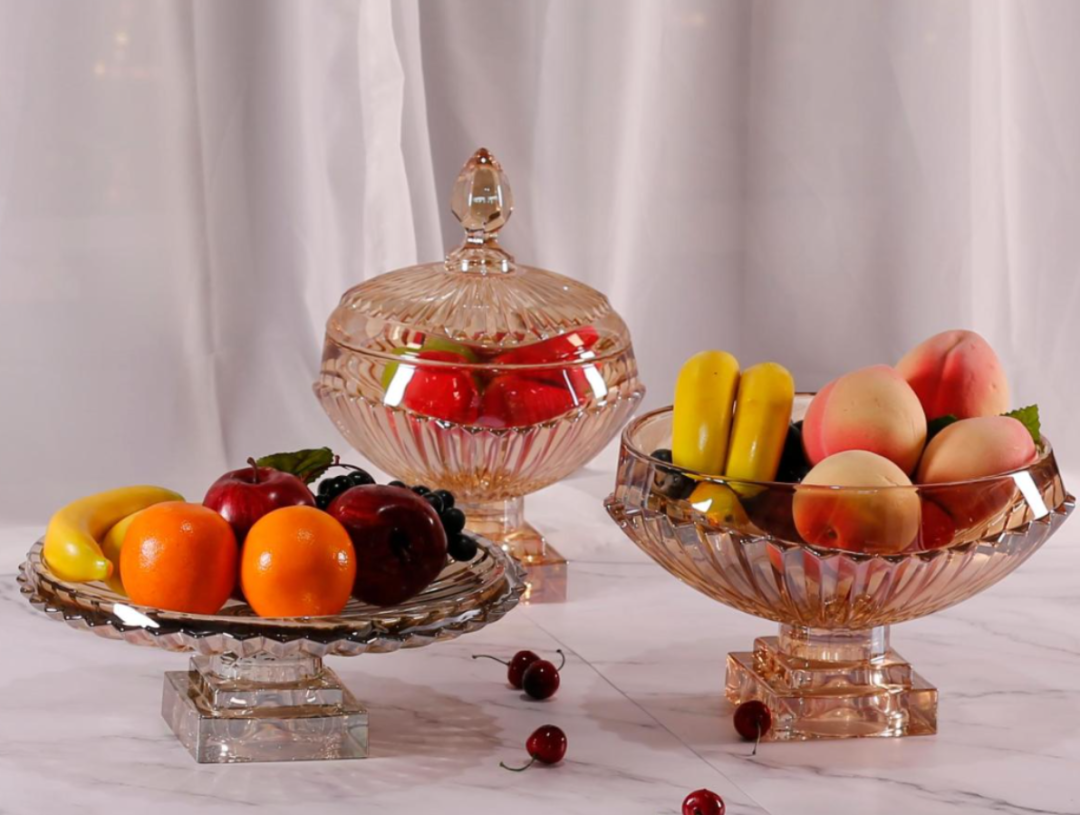
Source decorative glass for fruit, sweets, drinks and home presentation. Coordinate sculptural plates, pedestal bowls, covered containers, cups and vases around a clear collection brief, with item-specific sample, finish, packaging and use requirements.
Explore this service ↗
Develop a glassware assortment around how it will be served, displayed and cared for. Compare drinking cups, handled cups and fruit dishes, then discuss wider tableware and decorated-glass projects with item-specific dimensions, finishes, packaging and use conditions.
Explore this service ↗Information basis: published product information reviewed . Reference details support a sourcing discussion. Current supply, samples and product-specific documents are confirmed for the selected item.