Independent B2B sourcing · One trading contactkunhuow@gmail.com ↗
FACTORY SOURCING HUBProduct sourcing for business buyers
Get a quote ↗
Home/Glassware/Glass Teapots, Infusers & Everyday Drinkware Sourcing
Teapots · tea and coffee cups · double-wall directions · pitchers · storage · tableware

From the brew to the pour. Build a practical glassware collection.

Glass Teapots, Infusers & Everyday Drinkware Sourcing

Develop glass tea, coffee and everyday kitchen collections with a clear component brief. Explore infuser teapots, cups, double-wall mug directions, pitchers, water bottles, jars and condiment containers, with selected soda-lime or borosilicate designs assessed for the actual use and market.

  • Coordinate the vessel, lid, filter, handle and retail unit together.
  • Compare tea, coffee, drinkware and everyday kitchen directions.
  • Approve current samples, care requirements and protective presentation before ordering.

Manufacturing, product documents and order conditions depend on the model and supply route selected for your project.

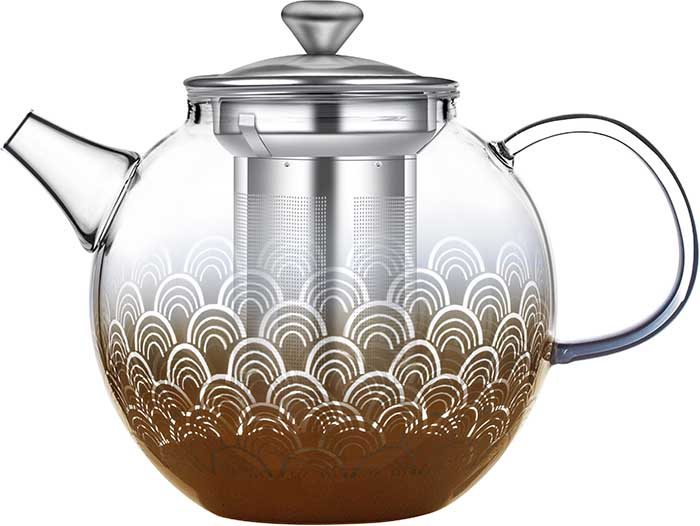
Patterned glass teapot with a metal infuser, lid and clear handle
Historical design reference; current availability, components, capacity and permitted use are confirmed on a proposed sample.

Start with a product reference, intended use and estimated quantity. We bring product selection, sample questions and quotation details into one conversation.

Email your reference image ↗
Core focusGlass teaware, cups and kitchen collections
Material directionsSelected soda-lime and borosilicate designs
Component briefLids, filters, handles, seals and related accessories
Reference statusHistorical designs require current availability and sample confirmation
Explore the product range

Build the range
your buyers need.

Choose a focused product or discuss a coordinated assortment. Each direction can be developed into a more specific model and packaging brief.

Glass teapots and removable-infuser directions

Explore glass teapot forms with filter and lid arrangements defined as part of the project. State the tea type, portion, capacity, pouring needs and cleaning routine. Confirm the body, infuser, lid and handle materials together, with practical fit and permitted temperature conditions approved for the selected assembly.

Enquire about this range ↗

Tea and coffee cups

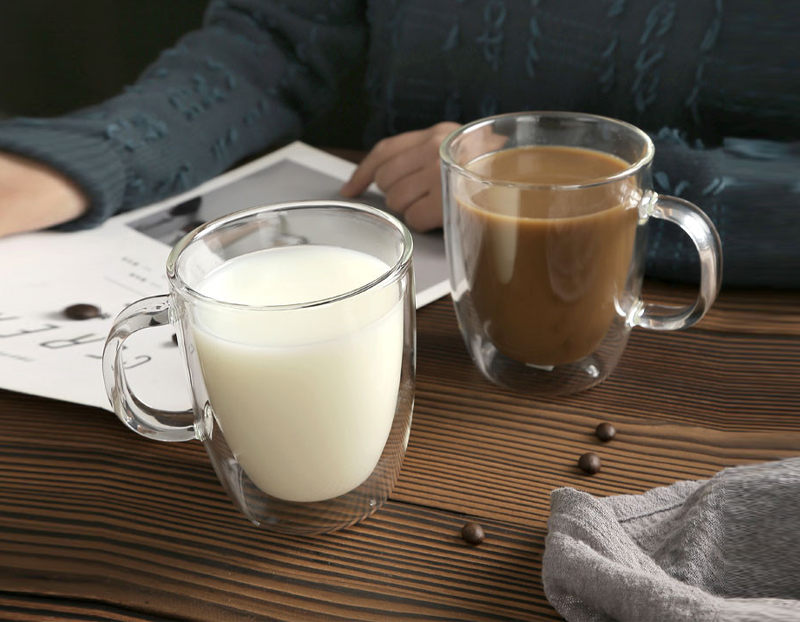
Build companion cup and mug directions around the intended beverage, portion, grip and presentation. Define handle clearance, rim preferences and any matching saucer or set arrangement. Material, dimensions and care requirements need an item-level specification; a clear-glass appearance does not establish the same properties across the range.

Enquire about this range ↗

Double-wall cup and mug enquiries

Discuss double-wall drinking forms where the construction suits your brief. Provide capacity, beverage temperatures, handling and cleaning needs, plus any specific insulation requirement. Confirm the exact construction and supporting evidence before claiming a measured heat-retention result, thermal-shock resistance or appliance compatibility.

Enquire about this range ↗

Pitchers, water bottles and beverage presentation

Develop lidded pitcher, water-bottle and related pouring directions for the actual contents. Specify volume, opening, grip, pouring control and any lid or seal. Identify whether the item is for table service, storage or transport, then confirm fit, leakage requirements and cleaning access for that use.

Enquire about this range ↗

Storage jars and kitchen containers

Explore glass jars and storage directions around contents, usable capacity and access. Define lid, sealing component, label area and the retail or household application. Confirm material compatibility, food-contact requirements and any required storage performance rather than assuming a fitted lid establishes airtightness.

Enquire about this range ↗

Oil and vinegar bottles

Discuss condiment vessels with a clear pouring and closure brief. Specify the actual contents, fill volume, neck, pourer or stopper and cleaning routine. Confirm which components are supplied and approve the complete package for the intended liquid, including any seal or leakage requirement.

Enquire about this range ↗

Tableware, juice glasses and barware directions

Coordinate everyday drinking glasses, juice portions and selected table or barware with the wider collection. Identify individual pieces and matched sets, dimensions, capacity and the intended service. Material composition, decoration, cleaning and any functional requirement are agreed separately for each selected item.

Enquire about this range ↗

Vases and candleholder concepts

Include decorative glass where a coordinated home collection requires it. State whether a vase will hold water or dry arrangements and define the candle system for any candleholder project. Stability, water retention or flame-related suitability need assessment of the actual item, distinct from the tea and drinking range.

Enquire about this range ↗

Components and collection development

Treat lids, filters, handles, seals and other accessories as part of the approved item record. Provide references for the form, finish, dimensions and materials required. Existing designs, development options and compatibility need confirmation before the project is priced as a complete retail unit.

Enquire about this range ↗
Reference product directions

Start with a product.
Define the details.

Use these options to describe what you are buying. The public references identify your enquiry; the final model and specification are confirmed before an order.

Small infuser-teapot reference sourcing illustration
REFERENCE 0091-01

Small infuser-teapot reference

A historical compact teapot reference for comparing the proportions of a tea or coffee brief. Confirm current availability, capacity, dimensions and materials on a sample. The listed size sequence is retained without assigning unsupported dimension axes.

Historical nominal capacity
500 ml
Historical listed weight
230 g
Historical size sequence
133 × 133 × 72 mm
Discuss this option ↗
Decorative glass teapot with a metal lid and infuser
REFERENCE 0091-02

Large patterned infuser-teapot reference

A historical larger teapot direction with a decorative glass body and metal-filter arrangement. Use the reference to discuss portions, pouring and retail presentation. Confirm the exact decoration, component materials, fill level and current specification before ordering.

Historical nominal capacity
1150 ml
Body direction
Borosilicate glass, confirm selected sample
Components
Lid and metal infuser specification to confirm
Discuss this option ↗
Metal-filter teapot reference sourcing illustration
REFERENCE 0091-03

Metal-filter teapot reference

A historical tea-vessel direction with a stainless-steel infuser specification to be confirmed for current supply. Agree the actual volume, body, lid, filter and handle as a complete assembly. Approve component fit and permitted care conditions on the proposed sample.

Historical listed weight
260 g
Infuser reference
SS304 designation; confirm current grade
Capacity
Confirm selected design
Discuss this option ↗
Compact tea-vessel reference sourcing illustration
REFERENCE 0091-04

Compact tea-vessel reference

A historical smaller-capacity direction for a tea or coffee collection. Discuss the desired serving portion, opening, pouring and matching components. Confirm current availability, body and accessory materials, dimensions and final capacity before it becomes an order specification.

Historical nominal capacity
350 ml
Body direction
Borosilicate glass, confirm selected sample
Component brief
Lid, filter and handle
Discuss this option ↗

The numeric references above come from historical designs. They are starting points for an enquiry, subject to current availability and sample confirmation. Confirm capacity method, dimensions, tolerances, weight, material composition, components and permitted use before order approval. Packaging dimensions, past sample terms and earlier delivery estimates do not define a new order.

What matters for this category

A better brief.
A clearer comparison.

Focus the sourcing conversation on the features, materials and production details that make a difference to your product range.

01

Design around the complete brewing assembly

Bring tea or coffee portion, vessel, filter, lid and handle requirements into one brief. This makes it easier to evaluate the product as it will be used and cleaned. Component fit, pouring and care can be considered during sample approval rather than left as separate assumptions.

02

Connect tea service with everyday kitchen needs

Plan cups, pitchers, jars and condiment vessels alongside the teapot where they belong in the collection. Share the visual theme and retail format while defining each item technically. A coordinated appearance can support the assortment without implying identical materials or use conditions.

03

Turn references into an approved current specification

Use a catalogue direction, drawing or authorised sample to explain the result you need. Identify essential sizes, components, finish and performance points, then confirm feasible current options. Written sample approval and a clear supply list provide a practical basis for comparing quotations.

Branding, configuration & packaging

Make the product
fit your programme.

Bring artwork, reference samples and a target cost. The available process, minimum quantity, sample charges and development scope are reviewed for the chosen option.

01

Form and material brief

Send dimensions, nominal portions and an authorised form reference. State the actual beverage or contents and required use conditions. Existing designs, modified shapes, material options, tooling, ownership and development charges are confirmed for the proposed item before any production commitment.

02

Colour, decoration and authorised logos

Provide colour references and artwork you have permission to use, with the required position and size. Discuss the available appearance and decoration process, including any contact or care restrictions. Approve the finished sample and acceptable variation before finalising artwork and retail claims.

03

Filters, accessories and gift presentation

Define the body, lid, infuser, handle, seal and any companion cups as a component list. Specify individual boxes, a matched set or gift presentation with protective inserts. Confirm materials, assembly, supply scope, labels and packing tests for the actual retail unit.

Quality & product evidence

Turn requirements
into checks.

Agree which product characteristics need testing and how the approved sample relates to the bulk order.

01

Check fit, handling and dimensions

Agree volume measurement, dimensions, tolerances, weight where relevant, rim and spout finish, handle clearance and base contact. Include lid and filter fit plus pouring and cleaning access. Use the approved sample and written acceptance points for any agreed inspection.

02

Validate the intended beverage and care conditions

Define beverage temperatures, cleaning method and any intended heating appliance explicitly. Request evidence relevant to the exact glass body, decoration and assembled components. A borosilicate label alone does not establish a universal stove, oven, microwave, dishwasher or thermal-shock specification.

03

Protect glass and metal parts in transit

Discuss separation around spouts, handles, lids, filters and companion pieces. Agree the inner box, inserts, master carton and markings for the selected product. Any transport or handling test should have a method and acceptance criteria matched to the route and packed configuration.

Test capability is a starting point for the inspection plan. Request the method, applicable model and results needed for your order.

Documents matched to the order

Ask for evidence
that fits the product.

Request a current approval file for the selected item and intended market. Keep the historical reference separate from the final sample, component specification and quoted commercial terms.

State the sales market, intended users and required files in your first enquiry. Current validity and scope are checked for the selected supplier and product; a category description does not certify every item.

Share your document requirements ↗
Current item and component specification
Record the body, lid, filter, handle, seal and any companion pieces, including material descriptions and grades where required. Agree dimensions, measured capacity, tolerances, finish and sample revision. Identify which accessories are supplied and how they are assembled.
Food-contact, use and care evidence
Request the applicable documentation for the finished vessel, metal parts, seals and decoration in the destination market. Confirm contact, temperature and cleaning conditions from the actual product evidence. General or historic certificate labels do not define the current assembly.
Packing and commercial records
Confirm the retail unit, protective packing, box quantities, labels, inspection points and any required trial. Obtain sample costs, development or tooling charges, minimum quantities, production timing and shipping terms for the exact order in writing.
Built around how you sell

Different buyers.
Different specifications.

Your sales channel changes the assortment, packaging and quality priorities. Tell us the intended use as well as the product name.

01

Tea and coffee retail collections

Share serving portions, tea or coffee types, the desired brewing arrangement and retail format. Compare vessel and cup directions with the complete component list. Confirm sample handling, cleaning and product information before planning the final assortment.

02

Homeware importers and private-label projects

Bring the collection theme, quantities and authorised branding into a structured brief. Coordinate teaware with jars, pitchers, bottles and table glass as required. Keep individual material, capacity, use and packing specifications linked to each item.

03

Gift and promotional programmes

Develop a single-item or matched-set presentation with the intended audience and occasion defined. Confirm artwork rights, component count, labels and protective packaging. Agree sample approval and commercial timing for the proposed project before making delivery or performance commitments.

From first brief to a defined order

One contact.
A practical next step.

Samples, commercial terms and responsibilities are agreed for the project. Use the same product and packing specification when comparing quotations.

01

Share the requirement

Product, reference image, quantity, sales market and timing.

02

Compare suitable options

Review configuration, materials, sample scope and relevant documents.

03

Approve the specification

Agree artwork, packaging, sample, testing and inspection criteria.

04

Confirm the order plan

Set price, payment, production, delivery and defect remedies in writing.

Buyer questions

Before you send
your first enquiry.

Practical answers about this sourcing direction, customization and the reference options. Your agreed specification and written quotation determine the actual order.

Which product directions can be included?

Teapots, tea and coffee cups, double-wall mug directions, pitchers, water bottles, storage jars and oil or vinegar vessels can be discussed. Selected drinking, table or barware and decorative vases or candleholder concepts need their own specifications. Current options are confirmed by item.

Are the teapot sizes current stock specifications?

The displayed numbers are historical design references. Confirm current availability and obtain a proposed sample with the actual capacity method, dimensions, tolerances, weight and components. Do not treat an earlier catalogue value as an accepted specification for a new order.

Can an infuser and lid be changed?

Send the required filter arrangement, opening, material and lid or handle preferences. Feasibility, compatibility, tooling and charges need assessment for the selected body. Confirm fit, assembly, pouring and cleaning on the complete sample before approval.

Does borosilicate mean stove or dishwasher safe?

No universal appliance rating follows from that material description. Provide the intended temperatures, heating method, cleaning and handling conditions. Request suitable product-specific evidence and care instructions for the exact vessel, decoration and components before making an appliance claim.

What should be checked on a double-wall cup?

Define serving volume, construction, handle clearance, rim, base, temperatures and cleaning method. If insulation performance matters, agree a measurable criterion and supporting test. Confirm the actual design and any sealing details rather than assuming all double-wall forms behave identically.

Can logos, colours and gift packing be discussed?

Yes, send authorised artwork, colour references, placement and the proposed retail unit. Available processes, component mix, box structure, protection and labels are confirmed for the project. Sample appearance, acceptable variation and commercial terms require approval before production.

Are samples free or minimum quantities fixed?

Sample charges, freight, development, tooling, minimum quantities and timing depend on the selected item and order. Provide quantities by design, finish and packing. The current quotation confirms those terms; historical catalogue conditions are not commitments for a new enquiry.

What information makes a quotation useful?

Send product references or drawings, capacities and dimensions, intended contents and use, cleaning or heating conditions, component materials, quantities, authorised artwork, destination-market documentation, retail packing and required receipt date. Identify essential features and acceptable alternatives.

Who handles my enquiry?

Factory Sourcing Hub handles this enquiry as an independent sourcing and trading service. The product route, supplier suitability, sample scope and order responsibilities are agreed for the actual project.

How do I get a price and order minimum?

Send the product reference, quantities per variation, customization and packaging. Prices, minimums, sample charges and delivery dates are confirmed in a current quotation; the page is not a live inventory or price feed.

Can I discuss samples and inspection before ordering?

Yes. State whether you need a reference sample, a customized sample or development work. Agree the sample cost and shipping, approval specification, inspection plan and remedy for non-conforming goods before the bulk order.

What should I attach to my email?

Reference images, drawings, logo artwork and a product list are useful. Include quantities, the intended users and sales market, packaging, required documents and timing. After submitting the form, email attachments to kunhuow@gmail.com with your enquiry reference.

Tell us what you are planning

Your next order
starts with a brief.

A reference picture or a short description is enough to begin. Add the details you already know; the optional fields help make the follow-up more useful.

  • Vessel references, dimensions, capacities and quantities by design
  • Lid, filter, handle, seal and companion-item requirements
  • Contents, temperature or care conditions, destination and required documents
  • Authorised artwork, retail packing, samples and required receipt date
kunhuow@gmail.com

Download the enquiry checklist ↓

Independent sourcing and trading service. Supplier choice, service costs and order conditions are discussed for your project.

Discuss your requirements.

Product selection, customization, samples and quotation enquiries.

Add product, quantity or customization details (optional)

Submit your enquiry directly. We use your details to respond to your sourcing request. For attachments, email kunhuow@gmail.com with your enquiry reference. Enquiry data use.

Information basis: published product information reviewed . Reference details support a sourcing discussion. Current supply, samples and product-specific documents are confirmed for the selected item.

Have a product in mind?
Share your sourcing brief.
Send an enquiry ↗