Independent B2B sourcing · One trading contactkunhuow@gmail.com ↗
FACTORY SOURCING HUBProduct sourcing for business buyers
Get a quote ↗
Home/Glassware/Glass Food Containers, Bakeware, Tableware & Appliance Glass Sourcing
Food storage · bakeware · tabletop glass · cookware covers · appliance components

Kitchen glass for everyday ranges. Technical glass for a defined fit.

Glass Food Containers, Bakeware, Tableware & Appliance Glass Sourcing

Source glass food containers, covered casseroles, bakeware, pantry and tabletop items, with separate technical enquiries for glass lids, microwave turntables, washing-machine windows and lighting or meter components. Coordinate product selection, private-label requirements, samples, inspection and protective packing through one sourcing brief.

  • Compare storage, cooking, serving and decorative glass within a coordinated range.
  • Choose reference capacities and lid constructions before approving a sample.
  • Keep appliance drawings, interfaces and technical validation in a separate specification.

Manufacturing, product documents and order conditions depend on the model and supply route selected for your project.

Glass Food Containers, Bakeware, Tableware & Appliance Glass Sourcing category illustration
Category illustration. Product details and the final appearance are confirmed against the selected model and approved sample.

Start with a product reference, intended use and estimated quantity. We bring product selection, sample questions and quotation details into one conversation.

Email your reference image ↗
Consumer directionsStorage · bakeware · tableware · pantry · candlelight
Reference capacities0.7 L casserole · 800 ml container · 1.0 L measuring vessel
Lid directionsGlass · PP · bamboo · rubber wood, depending on item
Technical enquiriesTurntables · observation windows · cookware covers · lighting and meter glass
Explore the product range

Build the range
your buyers need.

Choose a focused product or discuss a coordinated assortment. Each direction can be developed into a more specific model and packaging brief.

Food storage and meal containers

Build a storage assortment around portion size, cabinet space, lid handling and the intended food. Compare rectangular, square and round directions, and decide whether a practical lunch container, pantry item or gift presentation is the priority. Confirm usable fill and the closure on the actual sample before setting the pack specification.

Enquire about this range ↗

Casseroles and bakeware

Discuss covered casseroles and open baking or serving dishes as separate configurations. Define the oven or microwave use, handling space, recipe portion and the role of the lid. Obtain care instructions for the chosen glass and all accessories; cooking conditions need to be approved for the complete selected article.

Enquire about this range ↗

Bowls, plates and everyday tableware

Include bowls, plates and serving glass alongside kitchen storage. Match the rim, foot, capacity and stacking arrangement to everyday dining, food presentation or a coordinated tabletop collection. Set the inspection criteria for the visible surface and edge, and confirm the care instructions for the specific finish.

Enquire about this range ↗

Measuring and coffee preparation

Consider measuring vessels and coffee-preparation glass for a kitchen collection. Specify the fill reference, readability, handle, spout and any separate filter or plunger. Agree whether a graduation is an approximate kitchen guide or requires a defined accuracy check; the desired result should be written into the product brief.

Enquire about this range ↗

Jars, bottles and drinkware

Use pantry jars, bottles, cups and tumblers to extend a coordinated glass range. Tell us what will be stored or served, how the article will be opened and cleaned, and whether it needs a separate stopper, cap or lid. Select the mouth and component fit for that use rather than relying on appearance alone.

Enquire about this range ↗

Candleholders and candle cups

Create a decorative glass brief around the intended candle, display setting and stable base. Decide whether the glass holds a finished candle, surrounds a separate candle or is intended for a filling process. These uses require different checks, and any wax filling or flame performance must be reviewed with the intended combination.

Enquire about this range ↗

Cookware covers and glass lids

Source a glass cover as a component matched to the intended vessel. Supply the seating diameter, profile, rim construction, handle or knob fixing and operating conditions. A visually similar lid can have a different fit; a drawing and an approved mating sample give a clearer basis for selection.

Enquire about this range ↗

Microwave turntables and appliance glass

Treat a microwave turntable as a technical component with a defined appliance interface. Provide a dimensioned drawing, support-ring arrangement, drive coupling and operating requirements. Consumer bakeware dimensions do not establish turntable fit, and technical approval should identify the actual appliance and part revision.

Enquire about this range ↗

Washing-machine observation windows

Develop a separate technical enquiry for shaped glass used in a drum-washing-machine door. Identify the sealing land, flange, viewing form, mating parts and service conditions. Dimensional inspection and assembly evaluation should be agreed with the appliance design; kitchen-container care claims do not apply to this component.

Enquire about this range ↗

Lighting and meter glass components

Discuss automotive lighting glass and electricity-meter glass shells as engineering-led enquiries. Share the application, drawing, interface and required optical, electrical or environmental checks. The intended assembly determines the specification; these components are quoted separately from food-contact glassware and home decoration.

Enquire about this range ↗
Reference product directions

Start with a product.
Define the details.

Use these options to describe what you are buying. The public references identify your enquiry; the final model and specification are confirmed before an order.

Covered round casserole sourcing illustration
REFERENCE 0093-01

Covered round casserole

A compact covered format for a small casserole or serving brief. Check how the lid seats and how the complete article is handled; any cooking instructions need to identify both pieces.

Capacity
0.7 L
Listed size
18.6 × 16 × 7.7; units and measurement points to confirm
Configuration
Round, with glass lid
Discuss this option ↗
Rectangular food container sourcing illustration
REFERENCE 0093-02

Rectangular food container

A practical starting point for portion storage. Define the intended food, closing action, seal and packing before approving a production sample.

Capacity
800 ml
Listed size
19 × 13.3 × 6.6; units and measurement points to confirm
Lid
PP
Discuss this option ↗
Square food container sourcing illustration
REFERENCE 0093-03

Square food container

A square footprint for comparing shelf layout and portion presentation. Confirm usable fill, lid inclusion and the care of the assembled product.

Capacity
700 ml
Listed size
15 × 15 × 6.7; units and measurement points to confirm
Lid
PP
Discuss this option ↗
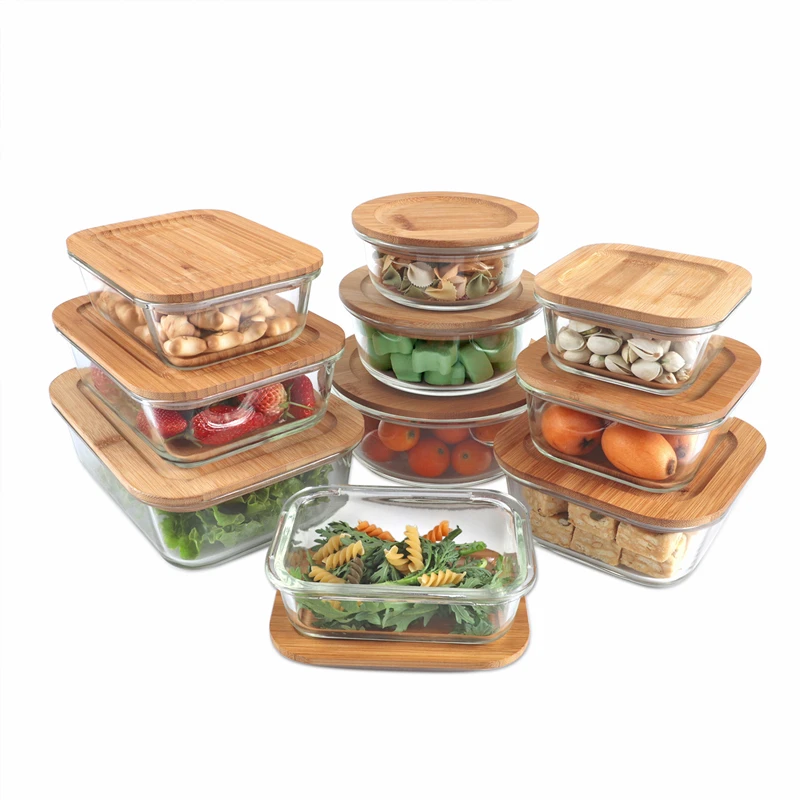
Bamboo-lid rectangular container sourcing illustration
REFERENCE 0093-04

Bamboo-lid rectangular container

A different presentation direction for the same broad storage purpose. Review the wood appearance, closure construction and separate cleaning instructions for the lid.

Capacity
1.5 L
Listed size
22.5 × 16.8 × 7.4; units and measurement points to confirm
Lid
Bamboo
Discuss this option ↗
Handled measuring vessel sourcing illustration
REFERENCE 0093-05

Handled measuring vessel

A measuring-vessel reference for a cooking or baking collection. Specify the desired units, legibility and accuracy assessment alongside handle and spout checks.

Capacity
1.0 L
Listed size
21 × 15 × 11; units and measurement points to confirm
Discuss this option ↗
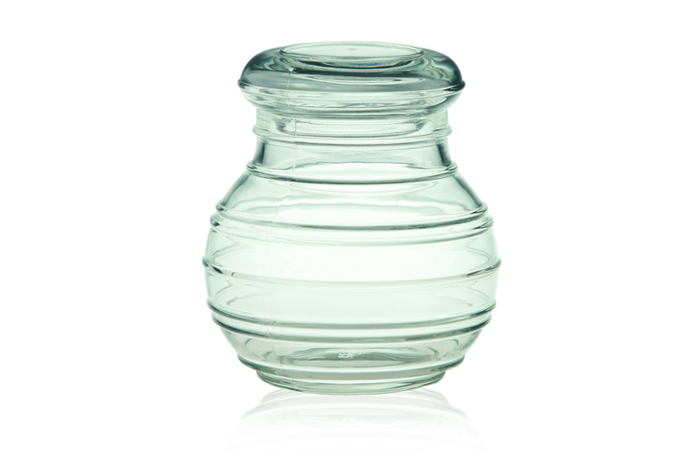
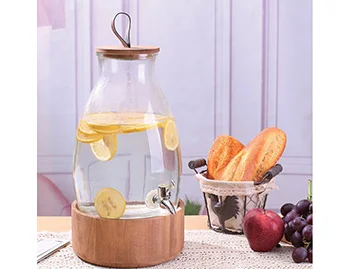
Tall pantry jar sourcing illustration
REFERENCE 0093-06

Tall pantry jar

A clear container direction for a dry-storage collection. Confirm the intended contents, closure fit, lid finish and care before using a sealing claim.

Capacity
1.0 L
Listed size
9 × 20; units and measurement points to confirm
Lid
Rubber wood
Discuss this option ↗
Small round candle cup sourcing illustration
REFERENCE 0093-07

Small round candle cup

A decorative vessel reference to review with the intended candle. Approval should address stability, candle clearance and the actual use, including any filling process.

Listed size
Diameter 7.8 × 6.5; units and height reference to confirm
Discuss this option ↗
Appliance cover and turntable directions sourcing illustration
REFERENCE 0093-08

Appliance cover and turntable directions

An engineering enquiry can combine a drawing, mating-part details and a sample requirement. Agree critical dimensions and the applicable evaluation plan before tooling or production commitments.

Selection basis
Drawing, part interface and approved sample
Dimensions
Confirmed against the selected technical drawing
Discuss this option ↗

Reference sizes identify selection directions, with catalogue units and measurement points to be confirmed on a dimensioned drawing. Nominal capacity and usable fill can differ. Current availability, material, included components, price, minimum order and care instructions are established for the selected item. Glass, PP and wooden lids do not share one universal heating or cleaning allowance.

What matters for this category

A better brief.
A clearer comparison.

Focus the sourcing conversation on the features, materials and production details that make a difference to your product range.

01

Coordinate the consumer range

Build a coherent kitchen and home assortment around the way customers store, prepare, serve and display. A single brief can identify the priority sizes, matching presentation and order quantities for each item, while retaining a clear product specification for every line.

02

Compare the whole article

Evaluate the vessel, lid, seal, knob or other accessory together. This makes the differences in handling, cleaning, closing and presentation easier to assess, and helps prevent a component substitution from changing the intended product without an agreed review.

03

Give technical parts a drawing-led route

For appliance and lighting components, start with the interface and operating requirements. Keeping the drawing revision, sample and inspection plan together gives a clearer basis for engineering approval than selecting a component only from a photograph.

Branding, configuration & packaging

Make the product
fit your programme.

Bring artwork, reference samples and a target cost. The available process, minimum quantity, sample charges and development scope are reviewed for the chosen option.

01

Private-label and product presentation

Discuss unbranded supply or buyer-label requirements for the selected glassware. Provide the artwork, application position, language and sales channel. Confirm the available decoration or marking process, any tooling and minimum quantities for that item before treating a proposed presentation as approved.

02

Lids, sets and specification changes

Specify the required lid material, colour, piece count and combination of sizes. An existing reference helps start the discussion, but a different closure, glass shape or mating interface may require development. Confirm feasibility, drawing ownership, tooling charges and sample stages with the quotation.

03

Samples and packing development

Ask for a representative sample with its intended accessories and packing. State whether the goal is appearance review, dimensional approval, use evaluation or transit assessment. Sample cost, freight, preparation time and the production schedule depend on the selected project and are confirmed individually.

Quality & product evidence

Turn requirements
into checks.

Agree which product characteristics need testing and how the approved sample relates to the bulk order.

01

Visible finish and dimensional checks

Agree acceptance criteria for the glass surface, rim, base and any visible decoration, along with capacity, weight and critical dimensions. For lidded items, include closure fit and handling. Define the inspection method and sample plan rather than relying on a general description of quality.

02

Use-specific material and care review

Request evidence for the intended food contact, heat exposure and cleaning conditions of the actual item. Review the lid, seal, print and wooden components separately. A glass vessel described for an oven does not establish that every accessory can enter the oven or withstand the same conditions.

03

Technical validation and transport protection

Agree the drawing tolerances and functional evaluation for engineering components, including mating-part checks where needed. For consumer glass, confirm separators, cushioning, carton strength and any required transit test. A packaging count does not establish breakage performance or a minimum order.

Test capability is a starting point for the inspection plan. Request the method, applicable model and results needed for your order.

Documents matched to the order

Ask for evidence
that fits the product.

Request documents against the chosen product, materials, intended use and destination. The quotation and sample approval should define which reports, instructions and technical records are included.

State the sales market, intended users and required files in your first enquiry. Current validity and scope are checked for the selected supplier and product; a category description does not certify every item.

Share your document requirements ↗
Product and component specification
Request a dimensioned drawing, capacity basis, glass description and component list. Identify the lid, gasket, handle, knob or other accessory, and record the approved sample and revision so future orders can be compared with the same reference.
Applicable reports and care instructions
State the destination and intended food, heating or cleaning use. Ask which current reports cover the selected article and its decoration or accessories, and obtain the care instructions to match. Any requested factory-system document needs its holder, scope and validity checked separately.
Packing and order records
Confirm piece count, individual protection, set layout, carton dimensions and weight, shipping marks and required labels. Include the agreed inspection record and any requested shipping documents in the order brief, with the responsibilities and costs made explicit.
Built around how you sell

Different buyers.
Different specifications.

Your sales channel changes the assortment, packaging and quality priorities. Tell us the intended use as well as the product name.

01

Kitchen and housewares assortments

Plan a consumer collection spanning storage, cooking, preparation and serving. Choose the important price positions and sizes first, then review the lid handling, shelf layout, care information and presentation for the intended retail channel.

02

Home and seasonal presentation

Bring tabletop glass and candlelight directions into a coordinated home collection. Specify the display setting, intended candle and packaging needs. Confirm design availability and rights for any artwork or distinctive form before approving a branded range.

03

Appliance and component projects

Prepare an engineering pack for turntables, observation windows, covers or lighting and meter glass. Include a drawing, expected use, mating parts and the approval procedure. The technical specification and evaluation route are established independently from the kitchen assortment.

From first brief to a defined order

One contact.
A practical next step.

Samples, commercial terms and responsibilities are agreed for the project. Use the same product and packing specification when comparing quotations.

01

Share the requirement

Product, reference image, quantity, sales market and timing.

02

Compare suitable options

Review configuration, materials, sample scope and relevant documents.

03

Approve the specification

Agree artwork, packaging, sample, testing and inspection criteria.

04

Confirm the order plan

Set price, payment, production, delivery and defect remedies in writing.

Buyer questions

Before you send
your first enquiry.

Practical answers about this sourcing direction, customization and the reference options. Your agreed specification and written quotation determine the actual order.

What can I source through this glass range?

The enquiry can cover storage containers, casseroles, bakeware, bowls, plates, jars, bottles, drinkware and candleholders. Glass covers and selected appliance, lighting or meter components are handled with a separate technical specification. Tell us which items belong in the first quotation and which are future development directions.

How should I compare the reference sizes?

Start with the stated nominal capacity and listed proportions, then request a drawing with units, measurement points and tolerances. Check usable fill, external dimensions and the full assembly with its lid or accessories before setting a shelf or packaging design.

Can a container go into an oven or microwave with its lid?

Use instructions must be confirmed for the exact glass vessel and every included component. PP, wood, seals, printing and handles may have different limitations. Request the permitted use and care information for the complete selected article before making a retail claim.

Can I specify a bamboo or wooden lid?

Selected references provide these presentation directions. Tell us the vessel, intended contents, lid appearance and closing needs. Confirm the offered wood material, seal construction, care and minimum order for that combination rather than assuming every lid is interchangeable.

Are the containers airtight or leakproof?

Those claims need a defined test with the selected vessel, lid and seal. State whether you need pantry storage, lunch transport, liquid containment or another use, along with the orientation and conditions to evaluate. A closing clip or sealing ring alone does not establish the result.

Can I use my own label or packaging?

Submit the artwork, language, application position, set configuration and required pack format. Private-label feasibility, decoration method, setup costs and any minimum quantities are confirmed against the chosen article. Approve a sample or artwork proof before production.

How do I start an appliance-glass enquiry?

Send a dimensioned drawing with its revision, mating components, critical tolerances and operating requirements. Explain the intended appliance or assembly and the approval tests. Consumer glassware references are not substitutes for the technical drawing of an engineered component.

Which test reports and certificates are available?

Tell us the destination and product use, then request the relevant current documents for the actual glass, finish and accessories. Reports need a matching product and scope. Factory-system documents, product tests and the validation of a finished appliance serve different purposes.

What are the minimum order and lead time?

They depend on the selected item, stock or production route, lid and decoration, tooling, packing and order mix. Share quantities by line and the required arrival date so the quotation can separate sample preparation, approvals, production and shipping assumptions.

Can I get a sample and protective export packing?

Request the intended assembly and proposed packing for review, stating whether you need visual, dimensional, functional or transit evaluation. Confirm the sample charge, freight, packing materials and any test requirement with the project quotation; these are not fixed across the range.

Can candle cups be used for filled candles?

Specify the wax, wick, fill process and expected candle use. The actual glass and finished candle combination needs appropriate evaluation before suitability is claimed. A decorative candleholder reference alone does not validate a candle formulation or burn behaviour.

Who handles my enquiry?

Factory Sourcing Hub handles this enquiry as an independent sourcing and trading service. The product route, supplier suitability, sample scope and order responsibilities are agreed for the actual project.

How do I get a price and order minimum?

Send the product reference, quantities per variation, customization and packaging. Prices, minimums, sample charges and delivery dates are confirmed in a current quotation; the page is not a live inventory or price feed.

Can I discuss samples and inspection before ordering?

Yes. State whether you need a reference sample, a customized sample or development work. Agree the sample cost and shipping, approval specification, inspection plan and remedy for non-conforming goods before the bulk order.

What should I attach to my email?

Reference images, drawings, logo artwork and a product list are useful. Include quantities, the intended users and sales market, packaging, required documents and timing. After submitting the form, email attachments to kunhuow@gmail.com with your enquiry reference.


Tell us what you are planning

Your next order
starts with a brief.

A reference picture or a short description is enough to begin. Add the details you already know; the optional fields help make the follow-up more useful.

  • Product list, quantities by item, target market and intended food, candle or appliance use.
  • Preferred capacity and footprint, lid or component construction, and drawings for technical parts.
  • Private-label artwork, set configuration, care language, packing and required documents.
  • Sample purpose, approval criteria, desired arrival date and delivery destination.
kunhuow@gmail.com

Download the enquiry checklist ↓

Independent sourcing and trading service. Supplier choice, service costs and order conditions are discussed for your project.

Discuss your requirements.

Product selection, customization, samples and quotation enquiries.

Add product, quantity or customization details (optional)

Submit your enquiry directly. We use your details to respond to your sourcing request. For attachments, email kunhuow@gmail.com with your enquiry reference. Enquiry data use.
Information basis: published product information reviewed . Reference details support a sourcing discussion. Current supply, samples and product-specific documents are confirmed for the selected item.

Have a product in mind?
Share your sourcing brief.
Send an enquiry ↗