Independent B2B sourcing · One trading contactkunhuow@gmail.com ↗
FACTORY SOURCING HUBProduct sourcing for business buyers
Get a quote ↗
Home/Glassware/Opal Glass Dinnerware, Bowls, Cups & Coordinated Table Service
Opal glass · dinner plates · deep bowls · cups and saucers · teapots · covered serving dishes

Build a coordinated white-glass table. Plates, bowls and the pieces that complete it.

Opal Glass Dinnerware, Bowls, Cups & Coordinated Table Service

Source coordinated opal-glass dinnerware across flat and soup plates, everyday and deep bowls, cups and saucers, teapots, covered serving dishes, milk jugs, sugar bowls and tabletop accessories. Compare real reference dimensions and develop the shape mix, decoration brief, samples and protective packaging for your market.

  • Combine everyday place settings with serving pieces and beverage accessories.
  • Compare paired dimensions for plates, bowls, cup-and-saucer and covered formats.
  • Plan white or decorated ranges with a clear piece list, approval sample and packing brief.

Manufacturing, product documents and order conditions depend on the model and supply route selected for your project.

Category illustration of opaque white plates, a serving bowl and a cup with saucer
Original category illustration of a coordinated white table setting. Actual shapes, dimensions and set contents are confirmed for the selected article.

Start with a product reference, intended use and estimated quantity. We bring product selection, sample questions and quotation details into one conversation.

Email your reference image ↗
Material directionOpaque white opal-glass tableware
Table-setting scopeFlat plates · soup plates · bowls · cups and saucers
Serving scopeTeapots · covered dishes · milk jugs · sugar bowls · shakers
Development briefShape mix · decoration · set contents · samples · protective packing
Explore the product range

Build the range
your buyers need.

Choose a focused product or discuss a coordinated assortment. Each direction can be developed into a more specific model and packaging brief.

Flat dinner and dessert plates

Build a round place-setting range with several outside diameters and a consistent rim language. Compare plain white and fluted or shaped outlines around the presentation you want. Select by actual dimensions, usable centre and storage requirements rather than a nominal size name alone.

Enquire about this range ↗

Soup and deep-rim plates

Add a deeper plate profile for soups, sauces and plated meals. Match the outside diameter and height to the food presentation, then check the inner well and handling clearance. Keep flat-plate and soup-plate quantities separate in a set specification so that the quoted piece list is clear.

Enquire about this range ↗

Everyday individual bowls

Choose open bowls around the portion and menu. Reference directions include multiple round diameters with coordinated rim details, providing a starting point for breakfast, rice, dessert or side-dish selections. Serving capacity and stacking behaviour should be approved on the exact sample.

Enquire about this range ↗

Deeper serving bowls

Develop deeper bowls for shared dishes and larger portions, with size steps that can support a broader retail or hospitality assortment. Compare rim shape, bowl depth and hand clearance. A deeper outside profile does not establish a measured liquid capacity or safe hot-food handling condition.

Enquire about this range ↗

Handled cups and saucers

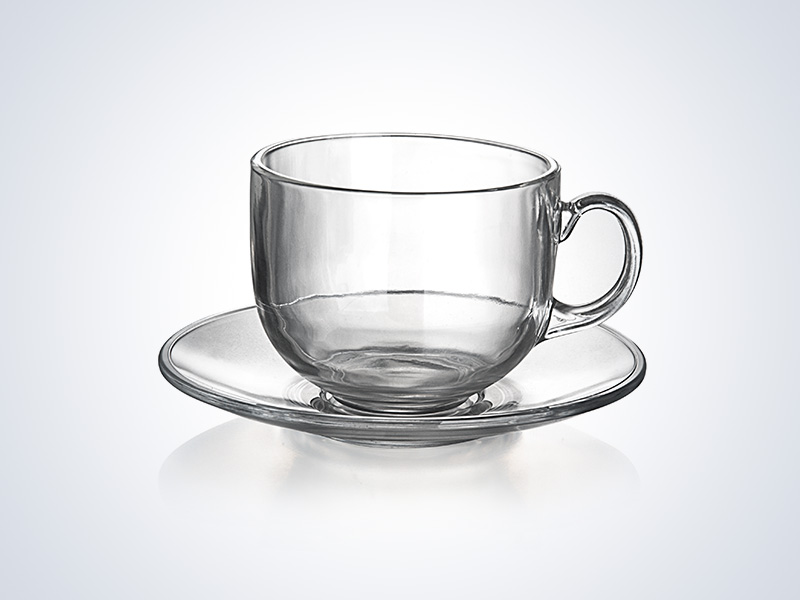
Compare wave-profile and ribbed beverage cups with separate saucer options. Set the desired serving capacity, hand grip and footprint before deciding the pair. Agree whether a quotation includes one cup, one saucer or a complete matched set and approve the two pieces together.

Enquire about this range ↗

Lidded teapots

Explore round, wave-profile and square body directions for table tea service. Select the lid, handle and spout as a working assembly, with checks for pouring control and lid retention. These are beverage-serving references; any use over a heat source requires an explicit specification.

Enquire about this range ↗

Milk jugs and creamers

Add a small handled pouring vessel to complete a beverage service. Wave-profile, round and square forms offer different visual directions. Compare spout control, handle clearance, mouth access and the required working volume rather than assuming a capacity from a reference number.

Enquire about this range ↗

Sugar bowls with lids

Use a covered sugar-bowl direction to coordinate with cups, teapots and milk jugs. Round, swirl and square designs can be compared by footprint and lid shape. Confirm lid inclusion, knob handling and any spoon access on the chosen sample; a separate spoon is not automatically included.

Enquire about this range ↗

Covered serving dishes

Round and square covered forms add shared serving pieces to a dinnerware assortment. Side handles, lid engagement and packing protection need to be considered together. Where a cooking or reheating claim is required, agree the exact heat source, temperature conditions and supporting evidence before labelling the product.

Enquire about this range ↗

Open handled serving dishes

An open square dish with side handles provides another table-serving format alongside the round bowl family. Use the listed length, width and height to plan display and packing, then confirm the interior dimensions and any required stacking clearance on a sample.

Enquire about this range ↗

Salt and pepper shakers

Complete the tabletop with round or square condiment vessels. Specify which hole arrangement belongs to each condiment and how the product refills and cleans. The quoted pack should identify whether it contains a single shaker, a matched pair or additional packing components.

Enquire about this range ↗

Soup spoons and serving accessories

White soup-spoon forms appear alongside the dinnerware and serving range. Distinguish the individual eating spoon from a larger serving direction, and specify length, scoop profile and grip requirements. Confirm the complete drawing and sample when a utensil must fit a particular bowl or gift set.

Enquire about this range ↗

Decorated and rim-accented sets

The visual range includes coordinated white tableware with gold-coloured rim accents and shaped edges. Use this as a direction for developing an approved table setting. Submit your own artwork or an authorised design brief for review, with matching rules across differently shaped pieces and care requirements for the decorated finish.

Enquire about this range ↗

Small tabletop vases

A related white-vase direction can complement a table display or gift assortment. Set floral-use requirements separately from food-contact articles, including the neck opening, stability and individual protection. A vase shown with a dinnerware range is not an included piece unless it appears in the agreed packing list.

Enquire about this range ↗
Reference product directions

Start with a product.
Define the details.

Use these options to describe what you are buying. The public references identify your enquiry; the final model and specification are confirmed before an order.

Fluted round plates in four sizes sourcing illustration
REFERENCE 0142-01

Fluted round plates in four sizes

A coordinated flat-plate direction for a main course, lighter meal or dessert. Choose the required diameter and check the usable centre, rim shape and stacking arrangement on a sample. Dimensions below are paired by variant; height is not bowl depth.

Material
White opal-glass tableware direction
Diameter_and_height
266 × 25.5 / 241 × 23 / 215 × 20.5 / 190 × 18 mm
Selection
Four catalogue size references
To_confirm
Unit weight, dimensional tolerance, packing and current availability
Discuss this option ↗
Fluted soup plates sourcing illustration
REFERENCE 0142-02

Fluted soup plates

A deeper plate profile for meals with sauce or soup, with a rim that coordinates visually with the flat-plate family. Compare the internal serving area and the outer size against your menu and storage space; an outside diameter does not establish serving volume.

Diameter_and_height
241 × 35.5 / 215 × 32 / 190 × 28 mm
Profile
Round, fluted-rim soup plate
Range_planning
Three size references
To_confirm
Usable volume, weight and decoration options
Discuss this option ↗
Fluted everyday bowls sourcing illustration
REFERENCE 0142-03

Fluted everyday bowls

Select from several outside diameters for individual or shared portions. The listed bowl heights provide a starting point for presentation and packaging layout. Confirm internal capacity, nesting behaviour and filled handling on the selected sample before naming a portion size.

Diameter_and_height
241 × 64 / 215 × 59 / 190 × 50 / 165 × 44 mm
Form
Open round bowl with a fluted rim
Finish_direction
Plain white
To_confirm
Internal capacity, unit weight and fit within a coordinated set
Discuss this option ↗
Deep round serving bowls sourcing illustration
REFERENCE 0142-04

Deep round serving bowls

A deeper bowl family expands a dinnerware programme beyond shallow plates. Use the paired dimensions to shortlist individual and sharing formats, then agree the intended food, serving volume, packing protection and any lid requirement separately.

Diameter_and_height
254 × 98 / 228 × 88 / 203 × 79 / 177 × 69 mm
Form
Deep, open round bowl
Selection
Four reference sizes
To_confirm
Usable capacity and weight; no lid is specified for these references
Discuss this option ↗
Wave-profile cups and saucers sourcing illustration
REFERENCE 0142-05

Wave-profile cups and saucers

Build a coordinated beverage service with a handled cup and a separate saucer. Three cup geometries and three saucer sizes are listed; select and approve the intended pairing. The cup reference codes are not used as capacity claims.

Cup_length_diameter_height
105 × 86 × 66 / 95 × 78 × 61 / 80 × 65 × 51 mm
Saucer_diameter_height
138 × 17 / 126 × 18 / 113 × 12 mm
Finish
White, wave-profile direction
To_confirm
Actual capacity, cup-to-saucer fit and whether both pieces are included in the quotation
Discuss this option ↗
Ribbed 230 ml coffee cup with saucer direction sourcing illustration
REFERENCE 0142-06

Ribbed 230 ml coffee cup with saucer direction

This reference explicitly lists a 230 ml coffee cup, with a ribbed body and a separate coordinating saucer. It is useful for comparing a defined cup capacity with the smaller cup geometries above. Confirm the capacity measurement basis and the exact supplied set.

Cup_capacity
230 ml, catalogue stated
Cup_length_diameter_height
118 × 99 × 62 mm
Saucer_diameter_height
147 × 15 mm
To_confirm
Weight, working fill level, saucer inclusion and packaging
Discuss this option ↗
Covered round serving bowl sourcing illustration
REFERENCE 0142-07

Covered round serving bowl

A white covered serving format with two side handles and a matching lid. The catalogue calls this a casserole, but the reference dimensions alone do not establish cooking or appliance compatibility. Start with its table-serving purpose and confirm any intended heating use separately.

Listed_length_and_height
250 × 145 mm
Form
Round, two side handles, separate lid
Surface
Swirl or wave-profile direction
To_confirm
Actual capacity, lid fit, thermal limits and instructions for the selected use
Discuss this option ↗
Square covered serving bowls sourcing illustration
REFERENCE 0142-08

Square covered serving bowls

Two size references offer a square counterpart to the round covered format. Compare the overall envelope, lid engagement and handle clearance when developing a matching dinnerware set. Dimensions include the outline shown in the reference drawing and should be reconfirmed on a current sample.

Listed_length_and_height
245 × 160 / 232 × 155 mm
Form
Square body with side handles and lid
Selection
Two catalogue references
To_confirm
Actual capacity, product weight and any heating-use specification
Discuss this option ↗
Square serving dish with handles sourcing illustration
REFERENCE 0142-09

Square serving dish with handles

An open square dish complements plates and bowls for shared dishes and table presentation. The drawing gives length, width and height separately, making it useful for packing and display planning. Oven, microwave and direct-heat use require separate confirmation.

Length_width_height
250 × 208 × 45 mm
Form
Open square dish, two side handles
Finish_direction
Plain white
To_confirm
Usable volume, inner dimensions and packing protection
Discuss this option ↗
Lidded teapot shape options sourcing illustration
REFERENCE 0142-10

Lidded teapot shape options

Round, wave-profile and square teapot directions share the listed outer dimensions in these catalogue references. Select the preferred body shape and assess the spout, lid retention, handle clearance and pouring behaviour with a physical sample. No stove-top use is implied.

Listed_length_and_height
210 × 200 mm
Shape_directions
Round; wave-profile and square alternatives also listed
To_confirm
Measured capacity, lid fit, pouring test and beverage-temperature instructions
Shape_options
Round, wave-profile and square bodies; select and approve the required article
Discuss this option ↗
Milk jugs and lidded sugar bowls sourcing illustration
REFERENCE 0142-11

Milk jugs and lidded sugar bowls

Complete a coffee or tea service with small pouring and covered-container formats. Wave-profile, round and square directions are available for comparison. The dimensions identify the vessels; the numbers in their reference codes are not verified millilitre capacities.

Milk_jug_dimensions
Wave: L115 × D86 × H70 mm; round: L115 × D76 × H63 mm; square: L116 × B94 × H77 mm
Sugar_bowl_dimensions
Wave and round: D96 × H120 mm; square: L103 × H106 mm
Included_parts
Sugar bowls shown with lids; final set composition to be agreed
To_confirm
Capacity, pouring performance and matching decoration
Discuss this option ↗
Tabletop salt and pepper shakers sourcing illustration
REFERENCE 0142-12

Tabletop salt and pepper shakers

Choose a compact round direction or a taller square direction to coordinate with the dinnerware. Salt and pepper references are shown with different hole arrangements; agree the actual dispensing arrangement, refill closure and intended condiment rather than selecting by appearance alone.

Round_diameter_height
45 × 58 mm
Square_listed_length_height
42 × 80 mm
Product_pair
Salt and pepper formats
To_confirm
Hole layout, refill closure, cleaning access and pack contents
Discuss this option ↗
White tabletop vase sourcing illustration
REFERENCE 0142-13

White tabletop vase

A small vase offers a related tabletop accessory for a coordinated presentation. Its measured body height is 153 mm in the drawing, so the number in the original reference code should not be treated as its height. Specify floral use and protective packing separately from food-service articles.

Listed_diameter_and_height
73.5 × 153 mm
Form
Narrow-neck white vase
Use_direction
Decorative table arrangement
To_confirm
Opening diameter, stability, water retention and individual protection
Discuss this option ↗

These are individual catalogue references for selecting an assortment, not a single universal specification. Dimensions are in millimetres and follow each drawing; length, diameter, width and height are kept distinct. Only the ribbed coffee cup has an explicitly stated 230 ml capacity here. Other reference numbers are not converted into capacities. Confirm current availability, tolerances, working volumes, set contents and the final approved sample before order release.

What matters for this category

A better brief.
A clearer comparison.

Focus the sourcing conversation on the features, materials and production details that make a difference to your product range.

01

One coordinated table-service brief

Plan plates, shallow and deep bowls, cups, tea service and small accessories as a connected assortment. A single piece schedule helps align white shade, rim language, decoration position and quantities across the different forms while keeping every article identifiable for quotation and replacement planning.

02

Real geometry for early comparison

Use paired dimensions to shortlist the right plate, bowl and serving format before requesting samples. The range spans flat, deep, covered, handled and pouring shapes, allowing you to compare presentation and packing envelopes without assuming that a product name defines its size or capacity.

03

Develop the complete saleable set

Bring the product selection, decoration brief and packing list together at the start. This makes it easier to compare an open-stock assortment with a coordinated retail set, and to identify sample, packaging, testing and replenishment requirements before commercial terms are fixed.

Branding, configuration & packaging

Make the product
fit your programme.

Bring artwork, reference samples and a target cost. The available process, minimum quantity, sample charges and development scope are reviewed for the chosen option.

01

Shape and assortment planning

Send a piece-by-piece list with target dimensions, intended use, quantities and any matching requirements. Start with existing shape directions where suitable. New shapes, tooling, alterations and private-label options require a separate feasibility review, cost and minimum-order confirmation; no standard tooling programme is assumed.

02

Decoration and brand presentation

Provide artwork you own or are authorised to use, the desired placement, colour references and whether a rim accent is required. Request a decoration sample on the actual selected article so that curved surfaces, rim transitions and the white body can be assessed together. Agree finish durability and care claims for that specific decorated version.

03

Packing and approval samples

Specify open-stock, coordinated-set or gift presentation, together with piece counts, separators, carton marks, barcodes and retail-language needs. Request a quotation for the appropriate protective construction and sample pack. Sample cost, availability, freight, minimum quantities and production timing depend on the selected articles and decoration programme.

Quality & product evidence

Turn requirements
into checks.

Agree which product characteristics need testing and how the approved sample relates to the bulk order.

01

Article and set consistency

Define acceptance criteria for visible chips, cracks, rim condition, white appearance, dimensional tolerances and decoration placement. Check that paired cups and saucers, lids and vessels work together. Agree sampling and inspection points for the order; dimensional drawings alone do not establish a defect rate or inspection certificate.

02

Use-specific performance

State the intended foods, liquids, cleaning method and any reheating or appliance use. Request evidence covering the actual opal-glass article and its decoration. Heat resistance, thermal-shock performance, impact behaviour and food-contact suitability need the applicable conditions and test scope; the range is not presented as unbreakable or universally appliance-safe.

03

Transit and pack protection

Assess nesting contact, lid movement, handles, rim protection and separators for the chosen packing format. Confirm carton count, dimensions, gross weight and pallet requirements with the quotation. Where transport testing is needed, agree the method and acceptance criteria around the real distribution route and complete packed set.

Test capability is a starting point for the inspection plan. Request the method, applicable model and results needed for your order.

Documents matched to the order

Ask for evidence
that fits the product.

Build the order file around the selected shapes and their intended market. Request the current article-specific documents and confirm their holder, scope, date and applicability before relying on a test or certification claim.

State the sales market, intended users and required files in your first enquiry. Current validity and scope are checked for the selected supplier and product; a category description does not certify every item.

Share your document requirements ↗
Product and assortment specification
Request the selected drawings, outside dimensions, capacity where relevant, material description, decoration specification and complete set bill of materials. Identify lids, saucers, spoons and other accessories explicitly. Keep the approved sample and packing list linked to the same article versions.
Food-contact and performance evidence
Provide destination-market requirements and the exact intended use, including decoration and any heating or cleaning conditions. Request relevant test reports and instructions for that product configuration. A system certificate or a certificate covering another model does not substitute for the evidence needed for the selected articles.
Packing and shipment file
Agree protective-pack construction, inner and master-carton counts, markings, barcodes, measured weights and shipment terms. Request the commercial invoice, packing list and any destination-specific documentation needed for the order. Availability and responsibility for additional tests or documents should be settled in the quotation.
Built around how you sell

Different buyers.
Different specifications.

Your sales channel changes the assortment, packaging and quality priorities. Tell us the intended use as well as the product name.

01

Retail dinnerware assortments

Develop open-stock plates and bowls or a coordinated set with beverage and serving pieces. Define the exact pack contents, decoration family and retail presentation, with a clear plan for spare pieces, range continuity and packing protection.

02

Hospitality and catering table service

Shortlist the shapes around the menu, portion sizes, carrying task and storage arrangement. Ask for samples to assess handling and compatibility with the intended cleaning operation, then agree performance evidence and replenishment requirements for the selected articles.

03

Gift and tabletop collections

Combine coordinated tableware, tea-service pieces and selected tabletop accessories for a defined presentation. Use authorised artwork, an agreed item list and a protective pack sample to establish the final offer. Props, decorative settings and unrelated accessories are not included unless specified.

From first brief to a defined order

One contact.
A practical next step.

Samples, commercial terms and responsibilities are agreed for the project. Use the same product and packing specification when comparing quotations.

01

Share the requirement

Product, reference image, quantity, sales market and timing.

02

Compare suitable options

Review configuration, materials, sample scope and relevant documents.

03

Approve the specification

Agree artwork, packaging, sample, testing and inspection criteria.

04

Confirm the order plan

Set price, payment, production, delivery and defect remedies in writing.

Buyer questions

Before you send
your first enquiry.

Practical answers about this sourcing direction, customization and the reference options. Your agreed specification and written quotation determine the actual order.

What is the main material direction?

The range centres on opaque white opal-glass tableware, including plates, bowls, cups, serving vessels and accessories. It should be specified as its actual glass construction. Similar-looking porcelain, plastic and clear borosilicate articles should not be substituted without agreement.

Can you help plan a complete dinnerware set?

Yes. Send the required piece list, serving purpose and quantities for each plate, bowl, cup, saucer and serving article. We can organise the sourcing brief around a coordinated shape and decoration direction. The quotation must identify the exact included components and any separately priced accessories.

Are the listed sizes capacities?

No. Most references provide outside geometry in millimetres. A diameter and height do not establish usable liquid volume, and a number inside a reference code is not a measured capacity. The ribbed coffee cup shown here explicitly lists 230 ml; other required capacities should be confirmed for the chosen article.

Can I compare round and square tableware?

Yes. Round plates and bowls can be considered alongside square serving dishes, covered square vessels and square tea-service accessories. Specify whether all pieces must share the same visual family. Similar outside dimensions do not guarantee the same interior volume or packing arrangement.

Are cups and saucers supplied together?

That is set by the quotation. The range contains cup and saucer directions with separate dimensions. State the intended pair and the required number of each, and approve their fit and appearance together. A cup image or title alone does not establish that the saucer is included.

Can I request a logo or a decorated retail range?

Submit your own or authorised artwork with placement, colours, rim treatment and the desired article list. Decoration and private-label feasibility, minimum quantities and costs are confirmed for the actual project. Approve a representative decorated sample and agree care and durability requirements before production.

Are the covered dishes suitable for an oven or a stove?

Their covered shape and catalogue description do not establish a heating-use specification. Tell us the intended appliance or heat source and operating conditions. Any oven, microwave, direct-flame, dishwasher or thermal-shock claim must be confirmed for the exact glass article, decoration and instructions.

Is white opal-glass tableware unbreakable?

No unbreakable claim is made. Set the required handling and performance criteria for the intended use and request appropriate evidence. Glass articles still need care instructions, inspection and protective packing suited to their shape and distribution route.

What are the minimum order, sample cost and lead time?

These are quoted after the article mix, quantities, decoration, packaging and destination are defined. Request current sample availability and a written schedule for the selected programme. No range-wide fixed minimum or delivery period is promised.

What packaging can I request?

Describe the intended open-stock, coordinated-set, retail or gift presentation, along with protection, labels and distribution needs. Request a proposed packing construction and sample, then confirm inner counts, carton dimensions and weights. An existing display image does not establish a particular gift box or tested transit pack.

Which compliance documents should I ask for?

Provide the destination and intended food-contact, cleaning and heating conditions. Request current reports for the exact selected glass and decorated version, with a check of the report holder and scope. No certification or test result is presented as covering the entire assortment automatically.

What details make a quotation easier to compare?

Include a reference picture or dimensions, required piece counts, target quantities by article, decoration brief, packaging, destination and intended use. State essential performance and document requirements. A complete brief allows product price, accessories, samples, packing, testing and shipment costs to be compared on the same basis.

Who handles my enquiry?

Factory Sourcing Hub handles this enquiry as an independent sourcing and trading service. The product route, supplier suitability, sample scope and order responsibilities are agreed for the actual project.

How do I get a price and order minimum?

Send the product reference, quantities per variation, customization and packaging. Prices, minimums, sample charges and delivery dates are confirmed in a current quotation; the page is not a live inventory or price feed.

Can I discuss samples and inspection before ordering?

Yes. State whether you need a reference sample, a customized sample or development work. Agree the sample cost and shipping, approval specification, inspection plan and remedy for non-conforming goods before the bulk order.

What should I attach to my email?

Reference images, drawings, logo artwork and a product list are useful. Include quantities, the intended users and sales market, packaging, required documents and timing. After submitting the form, email attachments to kunhuow@gmail.com with your enquiry reference.


Tell us what you are planning

Your next order
starts with a brief.

A reference picture or a short description is enough to begin. Add the details you already know; the optional fields help make the follow-up more useful.

  • Article list and quantities: shapes, dimensions, capacities where needed, and every included lid or accessory.
  • Decoration and presentation: plain white or authorised artwork, rim direction, set composition and retail language.
  • Use and evidence: destination, foods and liquids, cleaning method, any appliance conditions and required documents.
  • Commercial brief: packaging and protection, sample needs, destination, shipment terms and requested delivery window.
kunhuow@gmail.com

Download the enquiry checklist ↓

Independent sourcing and trading service. Supplier choice, service costs and order conditions are discussed for your project.

Discuss your requirements.

Product selection, customization, samples and quotation enquiries.

Add product, quantity or customization details (optional)

Submit your enquiry directly. We use your details to respond to your sourcing request. For attachments, email kunhuow@gmail.com with your enquiry reference. Enquiry data use.

Information basis: published product information reviewed . Reference details support a sourcing discussion. Current supply, samples and product-specific documents are confirmed for the selected item.

Have a product in mind?
Share your sourcing brief.
Send an enquiry ↗