
Storage and everyday organisation
Boxes, baskets, drawers, trays, shoe storage, laundry products, waste bins and home organisers can be coordinated by useful space, handling and intended contents.
Enquire about this range ↗Organise Home, Kitchen & Bathroom Ranges Coordinate Practical Storage and Product Development
Coordinate household boxes, baskets, drawers, vacuum bags, kitchen containers, canisters, tools and bathroom/laundry accessories, with selected verified size/material references and separate mould, plastic-packaging and component-development enquiries.
Manufacturing, product documents and order conditions depend on the model and supply route selected for your project.
Start with a product reference, intended use and estimated quantity. We bring product selection, sample questions and quotation details into one conversation.
Email your reference image ↗Choose a focused product or discuss a coordinated assortment. Each direction can be developed into a more specific model and packaging brief.
Boxes, baskets, drawers, trays, shoe storage, laundry products, waste bins and home organisers can be coordinated by useful space, handling and intended contents.
Enquire about this range ↗Prepare container, canister, vacuum-storage, rack, cutting/preparation, silicone and serving-item briefs with specific materials and actual functional requirements.
Enquire about this range ↗Coordinate mats, mirrors, hooks, toothbrush/soap accessories, small household items and packaging boxes with their actual attachment, contact or wet-area role.
Enquire about this range ↗Compare selected PP, glass and silicone designs using their published product-specific capacity or dimensions, then approve current components and use conditions.
Enquire about this range ↗Keep precision mould, injection-development, plastic-packaging and new-energy vehicle component enquiries separate, with authorised drawings and project-specific acceptance.
Enquire about this range ↗Use these options to describe what you are buying. The public references identify your enquiry; the final model and specification are confirmed before an order.

Build an itemised storage programme with the required shape, handles, access and stacking arrangement. Approve current constructions for the actual stored contents.
Coordinate clothing and laundry storage with useful household containers. Define the intended contents, ventilation, handling and placement.
Prepare a coordinated bath programme, specifying each component and its mounting, contact or anti-slip role. Approve the actual material and finish for wet-area use.
Define the contents and the actual compression or packing arrangement for each bag. Confirm the selected film, closure and valve/pump configuration before quotation.
Coordinate kitchen storage around contents, volume and opening/closure requirements. Separate food-contact containers from other household storage.
Include useful accessories alongside the main storage assortment. Define the construction, intended use and presentation for each item.
Review kitchen designs separately by construction and use. Request current drawings, materials and contact/care evidence for the selected item.
Compare current material-specific kitchen accessories and serving pieces. Confirm the actual composition, intended use and limits for each design.
Review container and lid/pump compatibility with the intended food-storage programme. Confirm current components and operating requirements.
Compare this PP storage-box reference with the intended placement and storage requirement. The listed capacity and overall dimensions refer to this individual design.
Use the published size as an initial fit reference, then approve the current basket construction and usable space.
Review this rectangular storage-container direction with the required contents, lid and current material declaration.
Review a dish-rack design in the published polypropylene material direction. Define the actual plate/cup arrangement, draining format and available counter space.
Compare a star-shaped silicone accessory with the intended use and design brief. Agree the relevant dimensions and care/temperature requirements rather than assuming a heat rating.
Review a glass food-storage container direction with the current lid, valve and pumping arrangement.
Submit a separate engineering brief for mould manufacture or injection-processed product development. Confirm the exact project scope, tooling and acceptance requirements.
Keep automotive-component enquiries separate from general housewares. Define the actual part and application before assessing the current development or supply scope.
Define a plastic-packaging project by its contents, contact conditions, dimensions and closure. Confirm current material and conversion feasibility.
Published dimensions and materials belong only to the referenced individual designs; source dimension order is preserved where axes are unspecified. Approve current drawings, usable/internal space, components, material declarations and samples. Food, vacuum, wet-area, load, thermal, composting and automotive suitability require the relevant item-specific validation.
Focus the sourcing conversation on the features, materials and production details that make a difference to your product range.
Combine useful household, kitchen, bathroom and laundry directions while retaining an itemised specification, quantity mix and intended use for every piece.
Compare plastic, glass, silicone and selected serving/packaging directions with current body/lid/fitting constructions, dimensions and care conditions.
Prepare original OEM/ODM or engineering enquiries around authorised designs, tooling ownership, sample approval, relevant tests and current written terms.
Bring artwork, reference samples and a target cost. The available process, minimum quantity, sample charges and development scope are reviewed for the chosen option.
Provide drawings, dimensions, colour masters and authorised artwork. Confirm the selected body/lid/fitting, surface and current mould or decoration feasibility.
Agree existing-design or custom-development scope, mould/tooling ownership, materials, tolerances and changes. Approve the current sample and written charges before production release.
Specify sets or individual items, colour/size mix, labels, protective separators, nesting/assembly and master-carton layout. Request measured pack data and approval samples.
Agree which product characteristics need testing and how the approved sample relates to the bulk order.
Agree actual materials, dimensions, lids/closures, handles, rims, fittings and visible-defect criteria. Define stability, load, stacking, leak or fixing checks according to the selected product.
Request current evidence for the actual food-contact, wet-area, vacuum, thermal or other intended role. Material names and catalogue descriptions do not establish unrestricted suitability.
For moulds or components, agree drawing revisions, tolerances, traceability and inspection. For all programmes, check pack content, fragile parts and the selected shipping protection.
Test capability is a starting point for the inspection plan. Request the method, applicable model and results needed for your order.
Send the complete item schedule and intended uses so current design, sample, tooling, validation and packing requirements can be reviewed separately.
State the sales market, intended users and required files in your first enquiry. Current validity and scope are checked for the selected supplier and product; a category description does not certify every item.
Share your document requirements ↗Your sales channel changes the assortment, packaging and quality priorities. Tell us the intended use as well as the product name.
Build box, basket, drawer, shoe and laundry assortments around usable space, handling, ventilation, fitting and presentation requirements.
Coordinate food storage/preparation and wet-area accessories with clear material, contact, closure, attachment and care requirements for each item.
Develop authorised household-product, mould, plastic-packaging or automotive-component enquiries with project-specific samples, inspection and current feasibility.
Samples, commercial terms and responsibilities are agreed for the project. Use the same product and packing specification when comparing quotations.
Product, reference image, quantity, sales market and timing.
Review configuration, materials, sample scope and relevant documents.
Agree artwork, packaging, sample, testing and inspection criteria.
Set price, payment, production, delivery and defect remedies in writing.
Practical answers about this sourcing direction, customization and the reference options. Your agreed specification and written quotation determine the actual order.
Storage boxes/baskets/drawers, shoe and laundry products, vacuum bags, kitchen containers/canisters/tools, bathroom accessories, mats, mirrors, waste bins and small household items can be itemised in one enquiry.
No. Each reference has its own size and construction. Confirm the current drawing, axis order, usable/internal dimensions, lid and fittings; nominal capacity is separate from the external bounding dimensions.
Selected references identify PP, glass or silicone. Kitchen collections also include PMMA, PET, stainless-steel/bamboo-lid, melamine and PLA directions. Request the exact current composition and intended-use evidence for each item.
Specify each bag or container, its closure/valve, compatible pump, included accessories and intended contents. Request current operating instructions and agreed leak/retention criteria rather than assuming compatibility or storage duration.
Provide authorised drawings/artwork, dimensions, colour masters, quantity mix and presentation requirements. Confirm current OEM/ODM scope, material/finish feasibility, tooling, samples and charges in writing.
Request applicable item-specific contact and care evidence for the actual material and destination. Microwave, dishwasher, heat, freezing or other conditions require explicit confirmation; material/category labels alone are insufficient.
Submit these as separate engineering projects with authorised CAD/drawings, materials, tolerances, application and quantities. Confirm current capability, tooling ownership, samples, inspection and relevant destination requirements.
The selected design/material, quantity/colour mix, mould/development work, validation and packing determine the current quotation. Agree sample/tooling charges, payment, MOQ and production/shipment timing for the actual project.
Factory Sourcing Hub handles this enquiry as an independent sourcing and trading service. The product route, supplier suitability, sample scope and order responsibilities are agreed for the actual project.
Send the product reference, quantities per variation, customization and packaging. Prices, minimums, sample charges and delivery dates are confirmed in a current quotation; the page is not a live inventory or price feed.
Yes. State whether you need a reference sample, a customized sample or development work. Agree the sample cost and shipping, approval specification, inspection plan and remedy for non-conforming goods before the bulk order.
Reference images, drawings, logo artwork and a product list are useful. Include quantities, the intended users and sales market, packaging, required documents and timing. After submitting the form, email attachments to kunhuow@gmail.com with your enquiry reference.
A reference picture or a short description is enough to begin. Add the details you already know; the optional fields help make the follow-up more useful.
Download the enquiry checklist ↓
Independent sourcing and trading service. Supplier choice, service costs and order conditions are discussed for your project.
Product selection, customization, samples and quotation enquiries.
Compare separate product ranges and prepare a brief that fits your assortment.
Source storage baskets, shelves, savings banks, cleaning articles, cosmetic boxes, laundry bags, household scales, adhesive hooks, food-storage boxes and related bathroom, decor and garden projects.
Explore this service ↗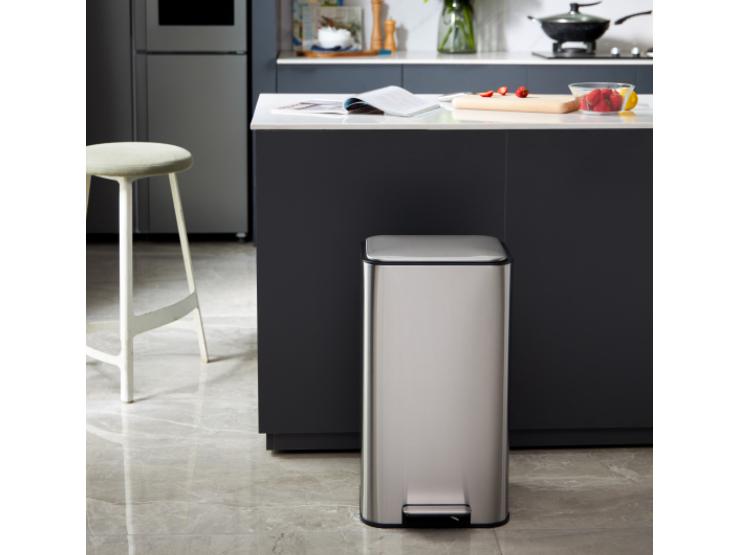
Source a broad housewares programme spanning storage baskets, racks and hooks, kitchen organisers, waste bins, laundry products, bathroom sets, mirrors, kitchen and table accessories, containers and decorative home directions. Develop the assortment around the actual materials, space, use, colour and packing requirements, with selected bin-design features and a dimensional basket reference to start the discussion.
Explore this service ↗
Coordinate plastic household storage, shoe/cabinet and laundry products, food containers, tableware, bottles, preparation/baking tools and garden enquiries, with selected PP/LDPE/IML references and item-specific development, samples and packing.
Explore this service ↗
Source dinnerware/plates, kitchen and baking sets, food containers, toothbrush holders, towel racks and mat enquiries, with decorative-home, furniture, outdoor and related electrical/stationery projects specified separately.
Explore this service ↗Information basis: published product information reviewed . Reference details support a sourcing discussion. Current supply, samples and product-specific documents are confirmed for the selected item.