
Hangers and garment presentation
Develop material, profile, clip, hook, rack or display requirements around the intended garments.
Enquire about this range ↗Garment organisation and household storage projects
Coordinate wood, metal and plastic hanger briefs, clothes pegs, garment racks, laundry and vacuum bags, baskets, storage organisers, hooks and shelves with construction and packing requirements.
Manufacturing, product documents and order conditions depend on the model and supply route selected for your project.
Start with a product reference, intended use and estimated quantity. We bring product selection, sample questions and quotation details into one conversation.
Email your reference image ↗Choose a focused product or discuss a coordinated assortment. Each direction can be developed into a more specific model and packaging brief.
Develop material, profile, clip, hook, rack or display requirements around the intended garments.
Enquire about this range ↗Define bag construction, closures, carrying and compression requirements for the proposed use.
Enquire about this range ↗Specify actual materials, compartments, closure, hanging and carrying arrangements.
Enquire about this range ↗Define placement, installation, dimensions, loads and complete supplied components.
Enquire about this range ↗Use these options to describe what you are buying. The public references identify your enquiry; the final model and specification are confirmed before an order.

Compare garment type, shoulder profile, hook, finish and rail fit. Define the actual material and surface requirements for the proposed hanger.
Specify the garment, contact surface, grip arrangement, opening and dimensions. Request a sample to assess marks and handling with the intended fabric.
Provide the garment layout, hanging arrangement, overall size, placement and supplied components for the proposed rack, stand or display.
Define fabric construction, dimensions, closure, handles and intended load. Confirm the actual composition, care requirements and supplied format.
Specify bag dimensions, contents, closure, valve and intended evacuation method. Confirm the actual film construction, sealing and use requirements.
Define weave, dimensions, structure, edge treatment, lining and carrying requirements. Confirm the actual material construction and supplied contents.
Provide the compartment layout, hanging arrangement, dimensions, material and closure. Confirm the complete proposed bag or organiser and packing.
Specify the stored items, footprint, closure, carrying and nesting requirements. Confirm the actual construction and usable space for the proposed item.
Define layout, dimensions, mounting or standing arrangement and expected loads. Confirm the proposed components, installation and evaluation requirements.
Provide the mounting location, fixing method, dimensions, surface and load requirements. Confirm the actual substrate and supplied fixing components.
Define the accessory, arrangement, contact surface, dimensions and presentation for a current garment-accessory or display proposal.
Send the exact household article, drawing, dimensions and intended use for current feasibility review, including any related storage or garment-care requirements.
A supplier-declaration reference describes a metal hanger for a multi-skirt arrangement. Confirm the actual clip positions, garment fit, surface and current offered configuration.
A wooden hanger reference provides a dimensional notation and net piece weight. Confirm the actual wood, finish, clamping arrangement and intended garment before ordering.
Two dimensional references come from supplier declarations. Confirm the current offer, exact material, size axes, allowable variation and supply route. Net article weight does not establish a garment or shelf load rating.
Focus the sourcing conversation on the features, materials and production details that make a difference to your product range.
Develop hanger, bag, basket and storage arrangements around the actual garments, contents and available space.
Define garment-contact surfaces, clip action, hook or rail fit and the required appearance before sample review.
Compare dimensions, closures, mounts, included components and packing across the current proposals.
Bring artwork, reference samples and a target cost. The available process, minimum quantity, sample charges and development scope are reviewed for the chosen option.
Send drawings, samples, garment types, storage layouts and dimensions for current feasibility assessment.
Specify material and surface requirements, colour targets and authorised markings for proposal and sample review.
Define size mixes, matched ranges, included parts, nesting, labelling, packaging and quantities for the quotation.
Agree which product characteristics need testing and how the approved sample relates to the bulk order.
Check the proposed article with the intended clothing, contents, rail or available storage space.
Agree closure, clip, valve, mounting or assembly requirements and review the actual supplied parts.
Request relevant material and performance documentation tied to the offered article and intended destination.
Test capability is a starting point for the inspection plan. Request the method, applicable model and results needed for your order.
Prepare a specification for the actual proposed articles, materials and destination, including garment contact, intended loads and installation or closure details.
State the sales market, intended users and required files in your first enquiry. Current validity and scope are checked for the selected supplier and product; a category description does not certify every item.
Share your document requirements ↗Your sales channel changes the assortment, packaging and quality priorities. Tell us the intended use as well as the product name.
Coordinate hangers, clips, suit stands and display arrangements around garment fit and presentation.
Define bags, compressed storage, closures and handling requirements for the intended contents.
Plan baskets, boxes, hanging organisers, racks, shelves and hooks for the available space and installation.
Samples, commercial terms and responsibilities are agreed for the project. Use the same product and packing specification when comparing quotations.
Product, reference image, quantity, sales market and timing.
Review configuration, materials, sample scope and relevant documents.
Agree artwork, packaging, sample, testing and inspection criteria.
Set price, payment, production, delivery and defect remedies in writing.
Practical answers about this sourcing direction, customization and the reference options. Your agreed specification and written quotation determine the actual order.
Provide garment types, shoulder profile, dimensions, material, hook and rail fit, finish and size assortment. Request a sample for garment-contact checks.
Specify the fabric, contact surfaces, opening, grip arrangement and desired dimensions. Evaluate the proposed sample for marking and handling.
Send the material and surface requirements, colour targets and permitted markings, together with quantities and sample expectations for current feasibility review.
No. Define the intended garments or load and request relevant evidence for the actual proposed construction.
Give garment layout, hanging arrangement, dimensions, placement, expected loads, assembly and supplied-component requirements.
Specify fabric construction, dimensions, handles, closure, intended load and care requirements, with the actual composition confirmed in the proposal.
Provide bag dimensions, contents, film and seal requirements, valve and evacuation method. Confirm the actual operating and storage conditions.
Define the actual rattan or bamboo construction, weave, dimensions, edges, lining, handles and intended contents.
Send the available space, compartment layout, hanging or standing arrangement, materials and closure requirements for feasibility assessment.
Specify the mounting substrate, fixing method, dimensions and expected loads. Confirm supplied fixings, installation and relevant evaluation.
Request current written terms for the actual items, materials, colours, tooling, assortment and packing. Agree the approved samples and delivery schedule.
Email kunhuow@gmail.com with item types, drawings, garments or contents, dimensions, materials, finish, quantities, destination, packing and evaluation requirements.
Factory Sourcing Hub handles this enquiry as an independent sourcing and trading service. The product route, supplier suitability, sample scope and order responsibilities are agreed for the actual project.
Send the product reference, quantities per variation, customization and packaging. Prices, minimums, sample charges and delivery dates are confirmed in a current quotation; the page is not a live inventory or price feed.
Yes. State whether you need a reference sample, a customized sample or development work. Agree the sample cost and shipping, approval specification, inspection plan and remedy for non-conforming goods before the bulk order.
Reference images, drawings, logo artwork and a product list are useful. Include quantities, the intended users and sales market, packaging, required documents and timing. After submitting the form, email attachments to kunhuow@gmail.com with your enquiry reference.
A reference picture or a short description is enough to begin. Add the details you already know; the optional fields help make the follow-up more useful.
Download the enquiry checklist ↓
Independent sourcing and trading service. Supplier choice, service costs and order conditions are discussed for your project.
Product selection, customization, samples and quotation enquiries.
Compare separate product ranges and prepare a brief that fits your assortment.
Coordinate ironing boards, laundry and utility carts, drying and garment racks, dish racks, shelves, bins, retail displays and ladder enquiries with model-specific construction and packing requirements.
Explore this service ↗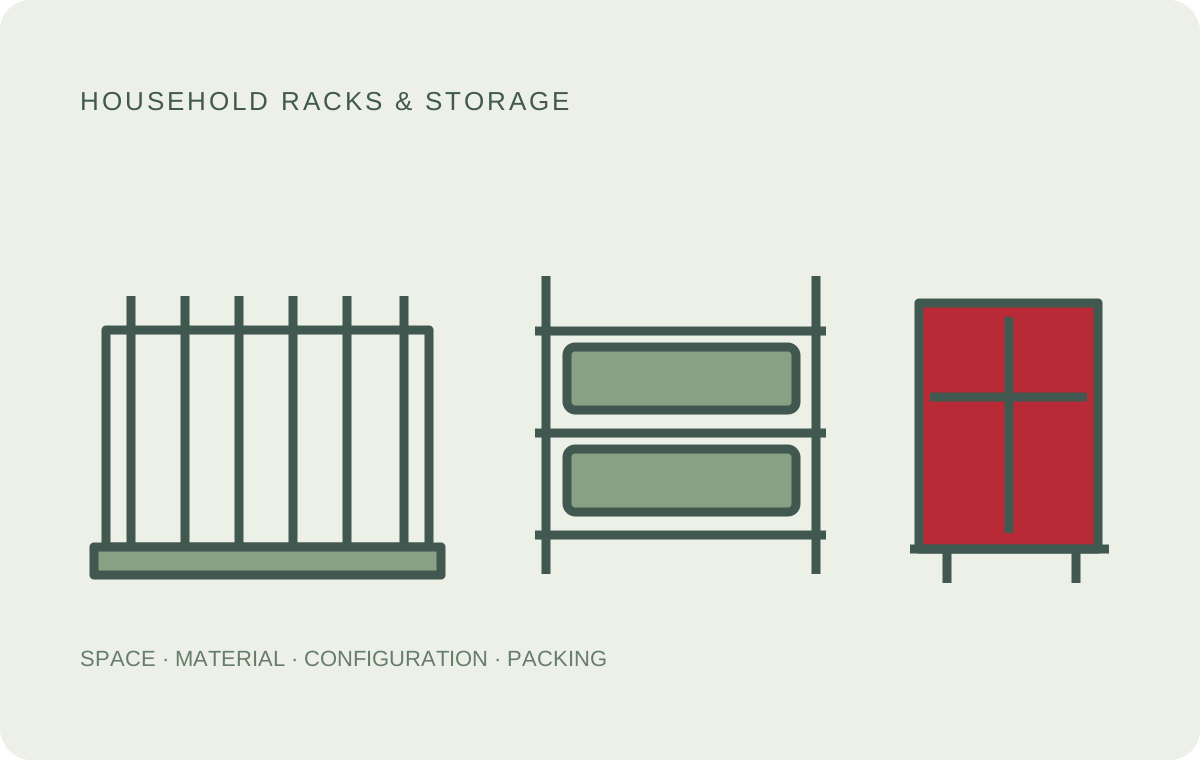
Source dish and sink racks, bathroom storage, folding shelves, trolleys, drying racks, ironing boards, shoe racks, laundry baskets, household ladders, storage furniture, barbecue-rack and display programmes.
Explore this service ↗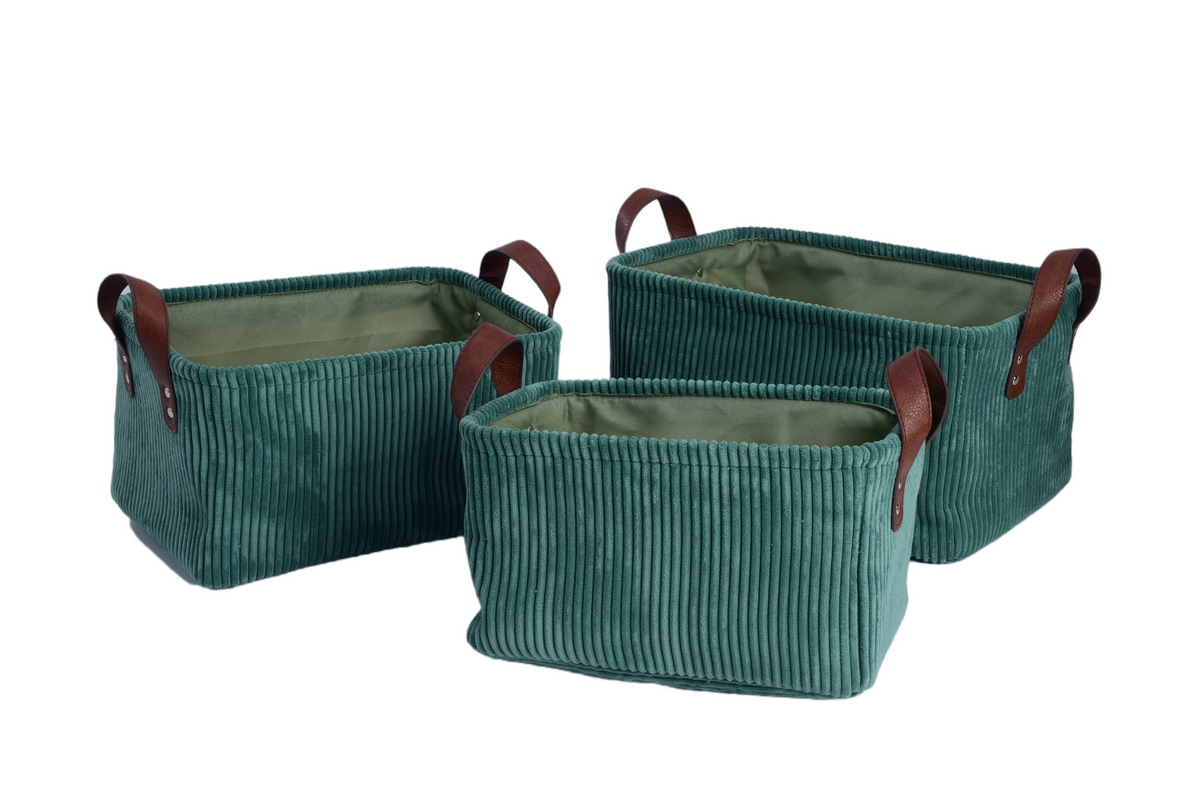
Build a home-storage range around the material, shape and space it will serve. Compare bamboo and natural-fibre weaving, rope, fabric, synthetic-woven, wood and metal directions, then agree dimensions, finishes, set contents and packing for the selected baskets.
Explore this service ↗
Coordinate plastic household storage, shoe/cabinet and laundry products, food containers, tableware, bottles, preparation/baking tools and garden enquiries, with selected PP/LDPE/IML references and item-specific development, samples and packing.
Explore this service ↗Information basis: published product information reviewed . Reference details support a sourcing discussion. Current supply, samples and product-specific documents are confirmed for the selected item.