
Ironing and garment care
Specify board format, surface, attachments, working arrangement, door or tabletop fit and the accepted packing.
Enquire about this range ↗Ironing, laundry and mobile-storage projects with defined configurations
Coordinate ironing boards, laundry and utility carts, drying and garment racks, dish racks, shelves, bins, retail displays and ladder enquiries with model-specific construction and packing requirements.
Manufacturing, product documents and order conditions depend on the model and supply route selected for your project.
Start with a product reference, intended use and estimated quantity. We bring product selection, sample questions and quotation details into one conversation.
Email your reference image ↗Choose a focused product or discuss a coordinated assortment. Each direction can be developed into a more specific model and packaging brief.
Specify board format, surface, attachments, working arrangement, door or tabletop fit and the accepted packing.
Enquire about this range ↗Define separation, bags, trays, drawers, pegboards, wheels and complete contents for the proposed cart.
Enquire about this range ↗Prepare garment, dish, shoe, storage, bin or retail-display briefs around the intended contents and placement.
Enquire about this range ↗Describe the exact article and its operating, loading or evaluation requirements for current feasibility review.
Enquire about this range ↗Use these options to describe what you are buying. The public references identify your enquiry; the final model and specification are confirmed before an order.

Define hanging arrangement, dimensions, installation or standing format and intended load. Confirm the actual rack, rail or garment-storage configuration.
Specify intended contents, capacity, closure, opening arrangement, footprint and cleaning requirements for the actual proposed bin.
Provide the stored items, available space, shelf layout, dimensions and expected loads. Confirm the actual mounting or standing arrangement and supplied parts.
Define the merchandise, layout, shelf arrangement, dimensions, placement and loading requirements for a current display proposal.
Provide the exact article type, intended use, working arrangement, dimensions and required evaluation. Confirm the proposed model and applicable load or operating limits.
Specify dish layout, drainage, dimensions, mounting or standing arrangement, finish and cleaning requirements. Confirm the actual offered configuration.
Define contents, working layout, trays or drawers, mobility, dimensions and load requirements. Confirm the exact cart and supplied accessories.
Define laundry separation, hanging space, board format, working height, mobility and supplied contents for the proposed laundry or ironing arrangement.
Compare folding, narrow-gap, drawer, office/printer, side-table, rotating-basket, pegboard, coat-rack and dish-rack cart briefs. Confirm the actual construction and supplied contents.
A selected multi-function board listing provides a carton configuration. Confirm the actual board, attachments and current packing before quotation.
This board reference specifies a door-hanging arrangement, a steel frame and a foam pad with a cotton cover. Confirm door fit, mounting and the actual supplied configuration.
A selected steel cart reference has a flat tabletop-style top, powder-coated finish and casters. Confirm the actual dimensions, shelf arrangement and permitted loads.
A selected narrow-format cart listing provides an overall dimensional vector and a caster arrangement. Confirm actual materials, components and clearances.
The selected reference combines laundry bags, an ironing top, hanging bars and casters. Confirm the actual contents, working arrangement, clearances and permitted loads.
A selected steel, powder-coated cart reference combines basket storage with a pegboard arrangement. Confirm the actual dimensions, accessory contents and permitted loads.
Reference values retain their specific product and component roles. Carton dimensions are separate from assembled dimensions. Current loads, complete accessories, materials and measurement details must be agreed for the actual offer; conflicting catalogue configurations are not combined.
Focus the sourcing conversation on the features, materials and production details that make a difference to your product range.
Coordinate ironing, laundry separation, hanging and mobile storage around the intended workflow and space.
Distinguish board, frame, pad, cover, bag, wheel and carton details when comparing proposals.
Define accessories, assembly state, parts, labelling and carton requirements before confirming samples or orders.
Bring artwork, reference samples and a target cost. The available process, minimum quantity, sample charges and development scope are reviewed for the chosen option.
Provide drawings, reference articles, working-space limits, component needs and desired mechanisms for current feasibility review.
Specify colour, surface finish, cover artwork and authorised labels or carton marks for proposal and sample review.
Define quantities, size or colour mixes, supplied parts, assembly, cartons and destination requirements for the quotation.
Agree which product characteristics need testing and how the approved sample relates to the bulk order.
Check the selected sample, dimensions, moving parts, assembly and supplied contents against the approved brief.
Specify the intended loads, garment-care use, mounting substrate or operating arrangement before agreeing relevant checks.
Request material or performance reports tied to the offered article, component, method and destination.
Test capability is a starting point for the inspection plan. Request the method, applicable model and results needed for your order.
Prepare a document set for the actual offered articles and components. Portfolio certification or a general catalogue statement does not establish a specific load, garment-care performance or installation limit.
State the sales market, intended users and required files in your first enquiry. Current validity and scope are checked for the selected supplier and product; a category description does not certify every item.
Share your document requirements ↗Your sales channel changes the assortment, packaging and quality priorities. Tell us the intended use as well as the product name.
Define ironing, hanging, sorting and storage arrangements around the intended users and space.
Coordinate racks, dish storage, carts and bins with the actual contents, cleaning and placement requirements.
Specify tool or storage carts, shelves, displays and related articles with their own loading and operating needs.
Samples, commercial terms and responsibilities are agreed for the project. Use the same product and packing specification when comparing quotations.
Product, reference image, quantity, sales market and timing.
Review configuration, materials, sample scope and relevant documents.
Agree artwork, packaging, sample, testing and inspection criteria.
Set price, payment, production, delivery and defect remedies in writing.
Practical answers about this sourcing direction, customization and the reference options. Your agreed specification and written quotation determine the actual order.
State the board format, surface dimensions, working arrangement, pad and cover, iron rest, attachments and packing. Confirm the accepted model and supplied contents.
Provide the door and mounting dimensions, clearances and operating requirements. Confirm the actual hooks, protections, supplied parts and installation limits.
No. Define the measurement role and axes for each component, assembled article and carton separately in the current specification.
Specify bag count and material, hanging space, ironing-top requirements, dimensions, wheels, care and complete supplied contents.
Send the clear opening, usable depth and height, contents, wheel arrangement and assembly needs. Confirm actual dimensions and materials for the offered cart.
State the load on each shelf, total load, distribution, movement and floor conditions. Request model-specific evidence rather than assuming different catalogue values apply together.
List the required boards, bins, hooks, baskets and positions. Confirm dimensions and the exact supplied quantities in the quotation and sample.
Provide contents, shelf layout, dimensions, mounting or standing arrangement, expected loads and intended placement.
Send the exact article, dimensions, contents, finish, drainage or closure requirements and quantities for current feasibility review.
Define the article and intended use, operating arrangement, required dimensions and loading or evaluation requirements. Confirm the actual offered model and documentation.
Request current written terms for the actual articles, configuration, materials, markings, assortment and packing, then agree approved samples and delivery.
Email kunhuow@gmail.com with item types, drawings, dimensions, contents or loads, materials, accessories, quantities, destination, packing and required evaluations.
Factory Sourcing Hub handles this enquiry as an independent sourcing and trading service. The product route, supplier suitability, sample scope and order responsibilities are agreed for the actual project.
Send the product reference, quantities per variation, customization and packaging. Prices, minimums, sample charges and delivery dates are confirmed in a current quotation; the page is not a live inventory or price feed.
Yes. State whether you need a reference sample, a customized sample or development work. Agree the sample cost and shipping, approval specification, inspection plan and remedy for non-conforming goods before the bulk order.
Reference images, drawings, logo artwork and a product list are useful. Include quantities, the intended users and sales market, packaging, required documents and timing. After submitting the form, email attachments to kunhuow@gmail.com with your enquiry reference.
A reference picture or a short description is enough to begin. Add the details you already know; the optional fields help make the follow-up more useful.
Download the enquiry checklist ↓
Independent sourcing and trading service. Supplier choice, service costs and order conditions are discussed for your project.
Product selection, customization, samples and quotation enquiries.
Compare separate product ranges and prepare a brief that fits your assortment.
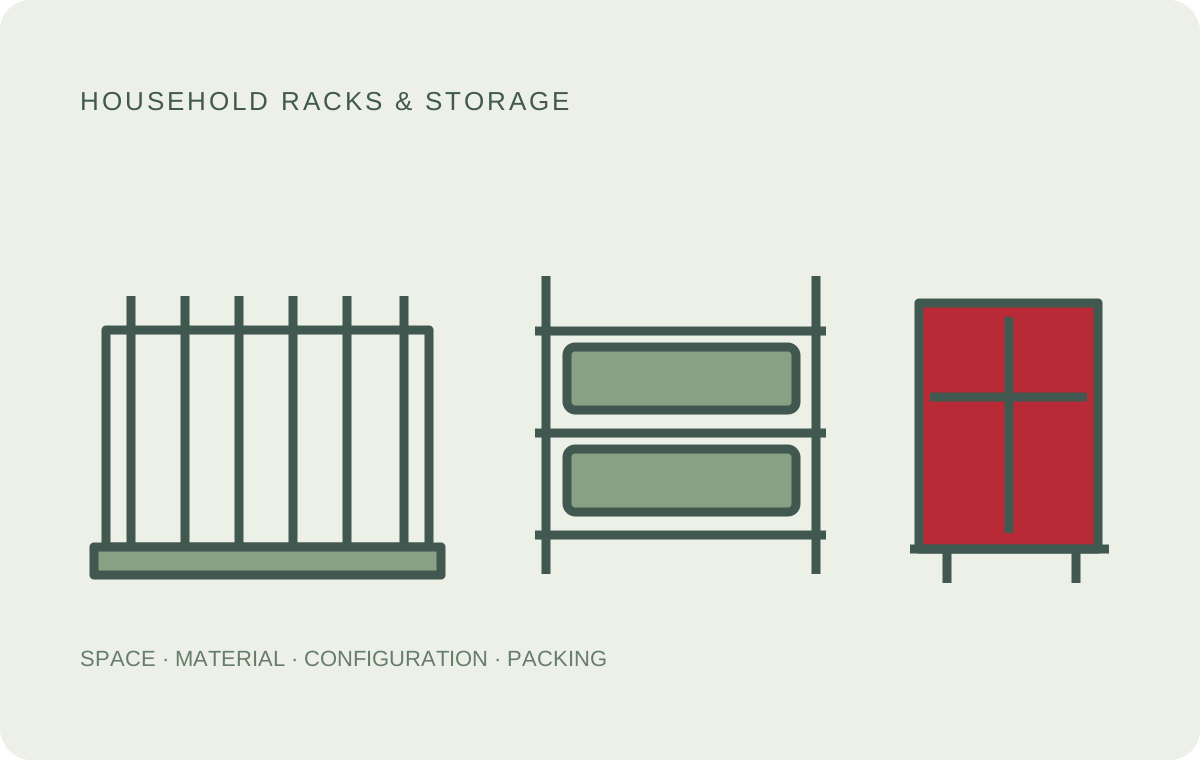
Source dish and sink racks, bathroom storage, folding shelves, trolleys, drying racks, ironing boards, shoe racks, laundry baskets, household ladders, storage furniture, barbecue-rack and display programmes.
Explore this service ↗
Coordinate wood, metal and plastic hanger briefs, clothes pegs, garment racks, laundry and vacuum bags, baskets, storage organisers, hooks and shelves with construction and packing requirements.
Explore this service ↗
Coordinate plastic household storage, shoe/cabinet and laundry products, food containers, tableware, bottles, preparation/baking tools and garden enquiries, with selected PP/LDPE/IML references and item-specific development, samples and packing.
Explore this service ↗
Coordinate folding hand trucks, platform carts, shopping baskets, convertible trolleys and ladder-cart projects with mode-specific specifications and packing review.
Explore this service ↗Information basis: published product information reviewed . Reference details support a sourcing discussion. Current supply, samples and product-specific documents are confirmed for the selected item.