Independent B2B sourcing · One trading contactkunhuow@gmail.com ↗
FACTORY SOURCING HUBProduct sourcing for business buyers
Get a quote ↗
Home/Kitchen & Housewares/Custom Drinkware, Vacuum Tumblers, Sports Bottles & Food Jars
Vacuum tumblers · travel mugs · food jars · stainless and plastic sports bottles · vacuum flasks

Build drinkware around everyday habits. A clear path from product brief to approved sample.

Custom Drinkware, Vacuum Tumblers, Sports Bottles & Food Jars

Develop drinkware and portable-food programmes across vacuum tumblers, mugs, food jars, stainless-steel and plastic sports bottles and vacuum flasks. Explore logo application, colour and surface finishes, structural development, tooling and protective packaging with specifications and evidence agreed for each selected article.

  • Plan the cup, bottle or food jar around the beverage, meal and carrying task.
  • Compare laser or printed graphics, colour matching, finishes and retail presentation.
  • Develop structure, prototypes and moulds from a defined product and approval brief.

Manufacturing, product documents and order conditions depend on the model and supply route selected for your project.

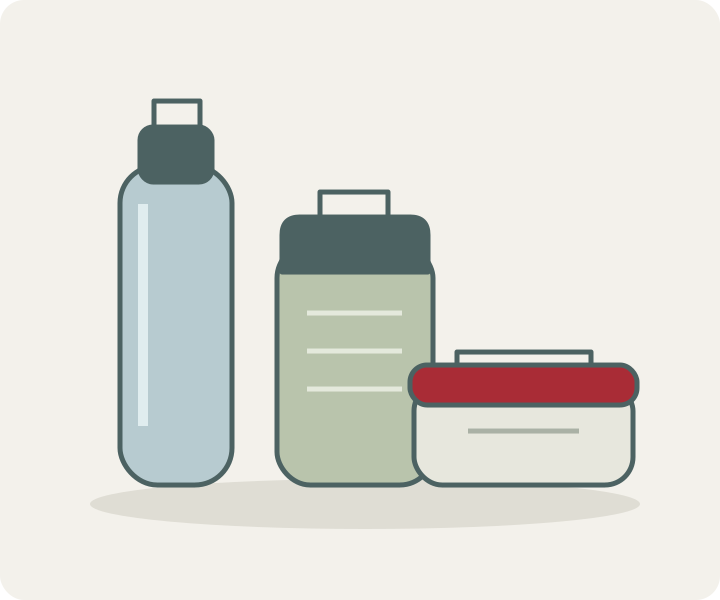
Custom Drinkware, Vacuum Tumblers, Sports Bottles & Food Jars category illustration
Category illustration. Product details and the final appearance are confirmed against the selected model and approved sample.

Start with a product reference, intended use and estimated quantity. We bring product selection, sample questions and quotation details into one conversation.

Email your reference image ↗
Current product familiesTumblers and mugs · food jars · sports bottles · vacuum flasks
Body directionsStainless steel · plastic; exact grades confirmed by article
CustomisationLaser or printed logos · colour matching · powder coating · electroplating
DevelopmentDrawing review · 3D modelling · prototypes · mould development
Explore the product range

Build the range
your buyers need.

Choose a focused product or discuss a coordinated assortment. Each direction can be developed into a more specific model and packaging brief.

Vacuum tumblers

Create a tumbler brief around the serving volume, drinking opening, body shape and carrying needs. Compare the intended beverage temperature, lid arrangement and grip with the actual sample. Insulation and sealing performance are requirements to define for the complete selected assembly.

Enquire about this range ↗

Mugs and travel cups

Develop desk and travel-mug directions with a clear choice of handle, mouth and lid. Specify cleaning access and whether the product is intended for stationary use or carrying. Cup-holder fit and leak resistance must be assessed against actual dimensions and the chosen closure.

Enquire about this range ↗

Food jars and portable meal containers

A food-jar direction supports meals away from home. Define nominal and usable volume, mouth access, lid construction and any included utensils or bowls. Agree the intended food, cleaning and thermal-performance requirements; a jar category alone does not establish a safe food-holding duration.

Enquire about this range ↗

Stainless-steel sports bottles

Choose the body and closure around activity, carrying and drinking habits. Identify material grade, actual weight, opening, cap and any strap or handle requirement. Confirm whether the chosen article is insulated and assess its complete sealing and cleaning arrangement on a sample.

Enquire about this range ↗

Plastic sports bottles

A separate plastic-bottle direction supports applications where a clear body or lighter construction is preferred. Specify the polymer grade, beverage temperature, closure components, colour and graphics. Plastic appearance does not determine heat resistance, chemical migration or cleaning compatibility.

Enquire about this range ↗

Vacuum flasks

Develop a vacuum-flask programme around its serving or carrying purpose, working volume, mouth and closure. Confirm the inner and outer construction, gasket and any included cup or handle. Thermal-retention values should identify the starting temperature, ambient conditions, fill and test duration.

Enquire about this range ↗

Coordinated lifestyle assortments

Combine the appropriate vessels for office, travel, outdoor, sports, hospitality or everyday use. Keep the material and performance specification distinct for every item even when colours and graphics are coordinated. Define the complete piece list and presentation before comparing an assortment quotation.

Enquire about this range ↗

New structures and product concepts

Turn a functional drinkware concept into a development brief with drawings, target dimensions, material selection and closure requirements. Structural design, 3D modelling, prototype and mould development can be reviewed for the project. Tooling rights, sample stages and acceptance criteria should be agreed before production.

Enquire about this range ↗
Reference product directions

Start with a product.
Define the details.

Use these options to describe what you are buying. The public references identify your enquiry; the final model and specification are confirmed before an order.

Vacuum-tumbler and mug programme sourcing illustration
REFERENCE 0149-01

Vacuum-tumbler and mug programme

Shortlist the vessel shape and drinking arrangement around a daily-use or travel requirement. Ask for current article proposals with a dimensioned specification and complete lid assembly, then compare the finish and sample against the intended use.

Product_direction
Vacuum-insulated tumblers and mugs
Selection_parameters
Nominal capacity, dimensions, mouth, handle and lid
Customisation_brief
Laser or printed graphics, colour matching and finish
To_confirm
Exact material grades, weight, thermal test conditions and closure performance
Discuss this option ↗
Insulated food-jar programme sourcing illustration
REFERENCE 0149-02

Insulated food-jar programme

Build a portable-food brief with the desired meal volume, cleaning access and complete supplied components. Request a representative sample for mouth access, lid handling and packing. Agree the relevant performance evidence for the actual food-container construction.

Product_direction
Insulated food jars and portable containers
Selection_parameters
Volume, opening, body construction, lid and included utensils
Use_brief
Foods, intended temperature conditions and cleaning method
To_confirm
Exact article dimensions, working volume, material grades and packing
Discuss this option ↗
Stainless and plastic sports-bottle programme sourcing illustration
REFERENCE 0149-03

Stainless and plastic sports-bottle programme

Compare sports-bottle proposals with the material and closure made explicit. State the intended activity, beverage and carrying arrangement, and assess the cap and contact components together. Insulated stainless and non-insulated plastic directions should remain separate specifications.

Body_directions
Stainless steel and plastic
Selection_parameters
Capacity, opening, dimensions, cap, grip and carrying parts
Graphics
Logo method, colour reference and position
To_confirm
Polymer or steel grade, insulation construction, sealing and care requirements
Discuss this option ↗
Vacuum-flask programme sourcing illustration
REFERENCE 0149-04

Vacuum-flask programme

Define the thermal vessel around serving and carrying needs, then request the current body and lid options. Confirm the full supplied assembly, materials and test conditions. If a cup, handle or accessory is required, include it explicitly in the enquiry and packing list.

Product_direction
Stainless-steel vacuum flasks
Selection_parameters
Volume, inner/outer construction, mouth, closure and accessories
Development
Existing direction or a new structural brief
To_confirm
Exact current article specification, sample, performance evidence and protective packing
Discuss this option ↗

These are current product-family directions for preparing a specific enquiry. Exact model numbers, capacities, dimensions, grades and pack counts are confirmed in the article proposal; no unverified numerical specification is added. A similar-looking vessel should not be assumed to have the same lid, material or thermal performance.

What matters for this category

A better brief.
A clearer comparison.

Focus the sourcing conversation on the features, materials and production details that make a difference to your product range.

01

A choice of drinkware and meal formats

Plan vacuum cups, flasks, sports bottles and food jars within one sourcing brief. This helps coordinate the intended customer and presentation while allowing the vessel, contact materials, closure and test requirements to be selected separately for every article.

02

Decoration and structure in the same development discussion

Consider logo method, colour, surface finish and packaging alongside the body and lid design. For a new concept, drawing review and 3D modelling can support a prototype and tooling proposal. The approved specification should identify which existing or newly developed parts the project uses.

03

Practical quality and packing requirements

Define vacuum or thermal checks, sealing, surface durability and shipment inspection around the actual vessel. Combine these with the protective-pack and display brief so the offer can cover the complete product presentation and the evidence needed for your market.

Branding, configuration & packaging

Make the product
fit your programme.

Bring artwork, reference samples and a target cost. The available process, minimum quantity, sample charges and development scope are reviewed for the chosen option.

01

Logos, colours and surface finishes

Review laser marking or printed graphics, colour matching, powder coating and electroplated finishes for the selected article. Provide authorised artwork, position, colour references and the desired surface appearance. Approve a representative sample and establish the applicable durability and contact requirements.

02

Drawings, prototypes and moulds

Provide technical drawings, target dimensions, material and closure requirements or a reference sample. Request the structural, 3D and prototype stages needed for the project. Sampling schedule, tooling cost, ownership, design rights and production feasibility are confirmed after the design review.

03

Packaging and material options

Develop retail display, gift or shipping presentation with the required protection, labels, barcodes and complete pack contents. If recycled content or another material claim is required, specify the grade and evidence expected for that article and order. Agree the sample pack and commercial terms before release.

Quality & product evidence

Turn requirements
into checks.

Agree which product characteristics need testing and how the approved sample relates to the bulk order.

01

Vessel and closure performance

Request the inspection plan for vacuum integrity or insulation, leakage and pressure-related sealing checks as applicable to the selected article. Establish test conditions for the complete vessel, lid and gasket combination. Performance values and inspection coverage should be recorded in the order specification.

02

Surface and component acceptance

Set appearance, colour, logo placement, coating durability and component-fit criteria. Agree drop or handling tests appropriate to the actual use and packed configuration. Inspect plastics, seals and any included straws, cups or utensils against the same approved bill of materials.

03

Shipment inspection and traceable approval

Define the final sampling and shipment-inspection requirements, packaging checks and acceptance criteria for the order. Keep the approved article and pack sample linked to the same product revision and material specification. An inspection programme does not imply a zero-defect guarantee.

Test capability is a starting point for the inspection plan. Request the method, applicable model and results needed for your order.

Documents matched to the order

Ask for evidence
that fits the product.

Request documents for the actual product, lid components, decoration and destination. Confirm the report holder, scope, dates and product match before using a performance, food-contact, recycled-content or certification statement.

State the sales market, intended users and required files in your first enquiry. Current validity and scope are checked for the selected supplier and product; a category description does not certify every item.

Share your document requirements ↗
Product and development specification
Request current drawings, nominal and working capacity, dimensions, weight, material grades, closure details and included components. Add the approved colour, logo, surface finish and pack specification. For new development, agree revision control and prototype or tooling approval records.
Food-contact, performance and material evidence
Define the destination and intended beverage, food, temperature and cleaning conditions. Request the relevant article-specific test or material documents. Where recycled-content or audit evidence is requested, confirm its scope and connection to the actual product and order; a logo alone is insufficient.
Packing and export file
Agree the item and carton quantities, measured pack dimensions and weights, barcodes, labels, instructions and shipment terms. Confirm the commercial invoice, packing list and any additional destination documents. The quotation should identify costs and responsibility for extra testing or paperwork.
Built around how you sell

Different buyers.
Different specifications.

Your sales channel changes the assortment, packaging and quality priorities. Tell us the intended use as well as the product name.

01

Everyday and travel-drinkware ranges

Develop cups and flasks around commuting, desk use, travel or hospitality service. Select the drinking and cleaning arrangement first, then coordinate materials, colours, graphics and retail packing for the intended customer.

02

Sports and outdoor programmes

Compare stainless and plastic bottle directions for the activity, beverage and carrying task. Define actual weight, cap design, opening and contact conditions, with a sample and evidence appropriate to the intended use.

03

Portable meals and branded gift assortments

Combine food jars or coordinated vessels with authorised presentation and a defined packing list. Specify working volume, included accessories and protective packing so a gift or meal-container offer accurately describes the supplied set.

From first brief to a defined order

One contact.
A practical next step.

Samples, commercial terms and responsibilities are agreed for the project. Use the same product and packing specification when comparing quotations.

01

Share the requirement

Product, reference image, quantity, sales market and timing.

02

Compare suitable options

Review configuration, materials, sample scope and relevant documents.

03

Approve the specification

Agree artwork, packaging, sample, testing and inspection criteria.

04

Confirm the order plan

Set price, payment, production, delivery and defect remedies in writing.

Buyer questions

Before you send
your first enquiry.

Practical answers about this sourcing direction, customization and the reference options. Your agreed specification and written quotation determine the actual order.

What product families can I source?

The current range covers vacuum tumblers and mugs, insulated food jars, sports bottles in stainless steel or plastic, and vacuum flasks. Provide the intended beverage or food, target volume and use so the actual article options can be selected.

Are all sports bottles vacuum insulated?

No assumption is made from the family name. The sports range includes stainless and plastic directions. Confirm the exact body construction and whether insulation is part of the selected product specification.

Can I request my own logo and colour?

Yes. Provide authorised artwork, position and a colour reference. Laser marking, printed graphics and colour matching can be reviewed along with the selected surface finish. Approve a representative decorated sample and agree the actual order requirements.

Which surface finishes can be discussed?

The customisation direction includes powder coating and electroplated finishes. Select the required appearance and define durability, contact conditions and cleaning requirements for the actual article. Finish suitability and colour matching are confirmed during the project review.

Can a new body or lid be developed?

Submit a functional brief and drawings or samples, including dimensions, materials, closure and performance needs. Structural design, 3D modelling, prototypes and mould development can be assessed. Feasibility, design rights, tooling ownership, cost and approval stages need written agreement.

How long does a sample or production order take?

Request a schedule for the actual product and scope of work. A simple decoration sample, functional prototype and new-tooling project have different requirements. Sample costs, availability, minimum quantities and production timing are quoted after the brief is defined.

Do you promise a universal hot or cold retention time?

No fixed time is applied across the range. State the target performance and test conditions, including starting temperature, ambient conditions, fill and duration. Request evidence for the complete selected vessel and lid configuration.

Can I request recycled materials or a sustainability claim?

Specify the required material, recycled-content claim and evidence for the actual article and order. Confirm the applicable chain of custody and document scope before using a claim in your marketing. A general certificate or website badge does not establish every product’s content.

What should be specified for a food jar?

State the food, nominal and working volume, opening, lid, cleaning method and any utensils or inner components. Define the intended temperature conditions and required evidence. Thermal-container selection does not itself establish a safe food-holding period.

Can packaging be developed for retail or gifts?

Yes. Supply the desired presentation, pack contents, authorised graphics, labels and distribution needs. Request a protective-pack proposal and sample. Carton counts, dimensions, weights, material claims and any transport testing are agreed for the actual programme.

Which quality checks can be included?

Discuss vacuum or thermal performance, closure sealing, surface durability, drop or handling requirements and final shipment inspection as appropriate. Record methods, conditions, sampling and acceptance criteria for the selected product. No blanket inspection result is promised for an unspecified article.

What details should I send for a quotation?

Include the product direction, capacity and dimensions, material and closure requirements, quantities, authorised decoration, target market and packing. Add essential performance, testing, sample and delivery needs. This helps establish a comparable proposal for the complete supplied article.

Who handles my enquiry?

Factory Sourcing Hub handles this enquiry as an independent sourcing and trading service. The product route, supplier suitability, sample scope and order responsibilities are agreed for the actual project.

How do I get a price and order minimum?

Send the product reference, quantities per variation, customization and packaging. Prices, minimums, sample charges and delivery dates are confirmed in a current quotation; the page is not a live inventory or price feed.

Can I discuss samples and inspection before ordering?

Yes. State whether you need a reference sample, a customized sample or development work. Agree the sample cost and shipping, approval specification, inspection plan and remedy for non-conforming goods before the bulk order.

What should I attach to my email?

Reference images, drawings, logo artwork and a product list are useful. Include quantities, the intended users and sales market, packaging, required documents and timing. After submitting the form, email attachments to kunhuow@gmail.com with your enquiry reference.


Tell us what you are planning

Your next order
starts with a brief.

A reference picture or a short description is enough to begin. Add the details you already know; the optional fields help make the follow-up more useful.

  • Vessel and use: cup, flask, bottle or food jar; beverage or meal, desired capacity, dimensions and closure.
  • Materials and presentation: exact grade requirements, authorised graphics, colour and surface finish.
  • Development and evidence: existing or new design, drawings, prototypes, tooling and required performance or material documents.
  • Commercial programme: quantities by article, samples, protective pack, destination, inspection and requested schedule.
kunhuow@gmail.com

Download the enquiry checklist ↓

Independent sourcing and trading service. Supplier choice, service costs and order conditions are discussed for your project.

Discuss your requirements.

Product selection, customization, samples and quotation enquiries.

Add product, quantity or customization details (optional)

Submit your enquiry directly. We use your details to respond to your sourcing request. For attachments, email kunhuow@gmail.com with your enquiry reference. Enquiry data use.

Information basis: published product information reviewed . Reference details support a sourcing discussion. Current supply, samples and product-specific documents are confirmed for the selected item.

Have a product in mind?
Share your sourcing brief.
Send an enquiry ↗