What business areas can one programme cover?
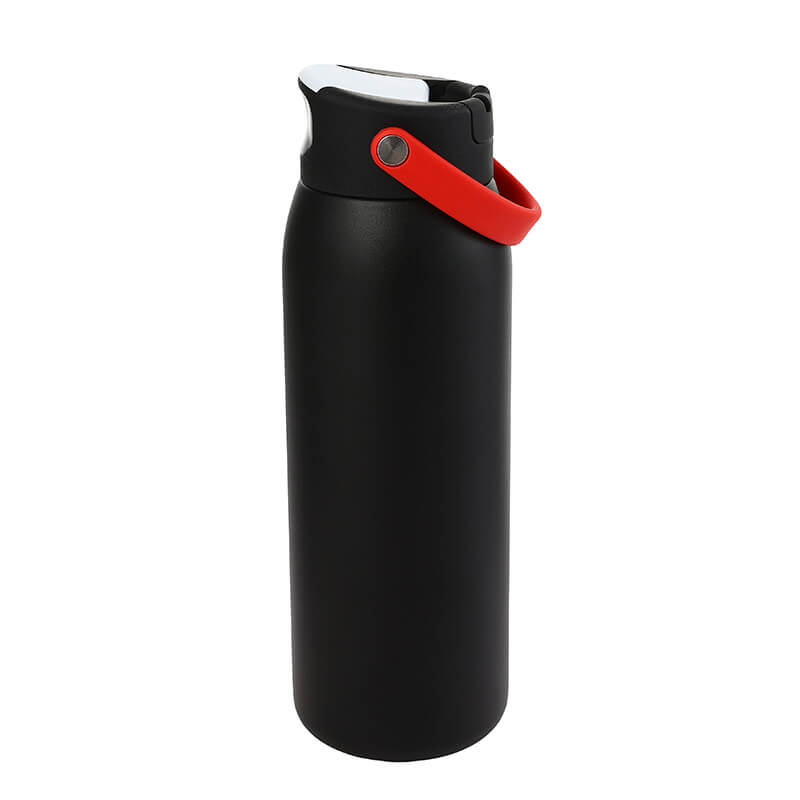
The range includes hard and soft coolers, beverage cooler jugs, personal drinkware, coffee carafes and French presses, glass-lined flasks, food jars, lunch containers and glass food storage. Each article has a separate material, construction, performance and packing specification, even when colours and presentation are coordinated.
How should I compare cooler capacity?
Compare nominal volume with the actual internal dimensions, lid clearance and objects to be packed. External dimensions are needed separately for transport, storage and display. Ask for a repeatable load arrangement when a can count or meal-container count matters; a litre value alone does not establish that count.
Are all hard coolers made with the same foam and liner?
No. The cited compact references include PP interiors with EPS insulation, while another wheeled direction identifies a PE shell with PU foam. Other articles use different material combinations. Match the shell, liner, foam, lid, gasket and hardware to the exact selected item.
What soft cooler formats are available?
The directions include lunch and picnic bags, collapsible carriers, baskets and larger soft packs. The cited 10 L reference has a zippered main compartment, an access hatch and carrying options. Confirm fabric, liner, seams, load, folded size and care on the actual article.
Can a cooler be used for regulated cold-chain transport?
A cold-chain brief needs its own validated temperature profile, duration, loading arrangement, monitoring and handling requirements. A leisure cooler or a catalogue ice-retention statement does not establish that qualification. Provide the intended contents and applicable requirements for a separate review.
What drinkware materials can I discuss?
The programme covers stainless, plastic and glass directions, with titanium bottles as another category. Steel grades and component materials vary by article: some references identify 316 inner and 304 outer vessels, while a specific travel cup identifies 304 inner and 201 outer. Confirm the complete assembly rather than applying one grade across the range.
Do you offer coffee brewing as well as coffee serving?
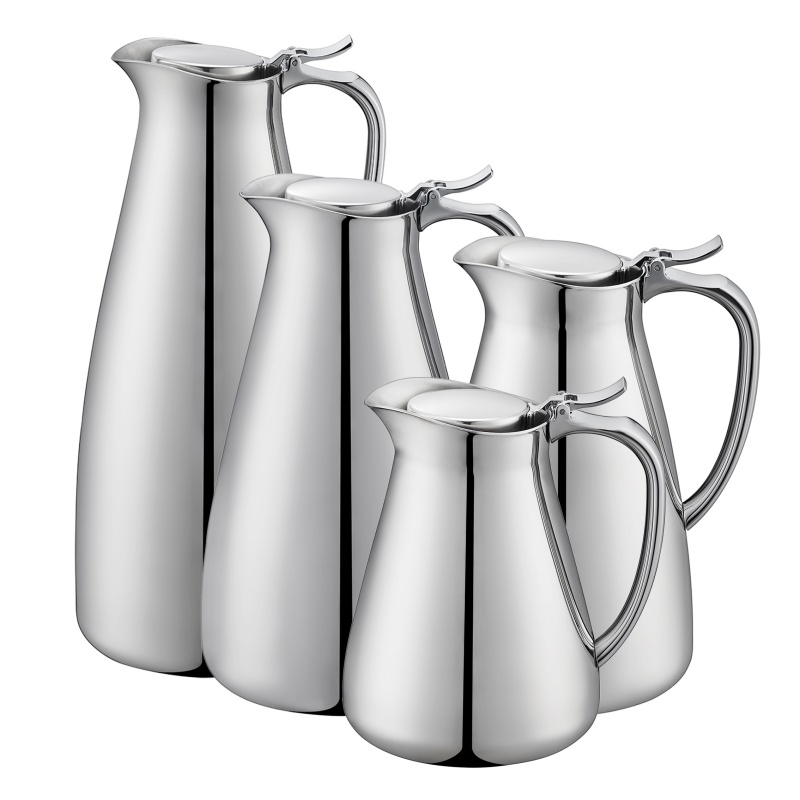
Yes, the directions include a 1 L stainless French press and separate coffee pots, carafes and thermal servers. A press requires a plunger and filter specification; a serving pot requires pouring, stopper and lid details. Define the actual routine and capacity before comparing samples.
What food-container directions are included?
The references include a 1.8 L stainless lunch container, a 700 ml wide-mouth food jar and a 1,500 ml glass storage direction within a multi-size family. Confirm the working fill, lid, contact materials, accessories and care instructions for the selected item. Insulation does not establish a food-safe holding time.
Can I customise the shape, cap, logo and box?
Existing-article colour and logo work, compatible surface finishes, cap development and new-shape tooling can be discussed with different scopes and costs. Provide authorised vector artwork and drawings where available. Define tooling ownership, confidentiality, sample approval and retail or set-packing requirements in the quotation.
What are the minimum order and production lead time?
Both depend on the selected product, colour split, decoration, tooling, packing and order programme. Individual article listings use different minimums, and generic FAQs do not establish a universal commitment. Request a current written quotation with a sample schedule and separate bulk-production schedule.
Can I specify a production-origin option?
State any origin requirement at the beginning of the enquiry. Availability must be confirmed for the particular article, process and order, with matching manufacturing and origin documents. A group’s overseas facility announcement does not mean that every listed product can be supplied from that location.
What changes for a powered refrigerator project?
The brief must identify the exact electrical supply, adapter, controls, refrigerant configuration, ventilation, operating conditions and required market approvals. Confirm these for the supplied version with current documents. Passive cooler materials, nominal volume and an advertised temperature are not a complete electrical-product qualification.
What should accompany my quotation request?
Send the product direction and capacity, intended load or use, sales market, component and performance requirements, quantity split by colour, authorised artwork and packing brief. Include any age grading, powered-product requirements, origin requirement, sample approval, inspection plan and required delivery date.
Who handles my enquiry?
Factory Sourcing Hub handles this enquiry as an independent sourcing and trading service. The product route, supplier suitability, sample scope and order responsibilities are agreed for the actual project.
How do I get a price and order minimum?
Send the product reference, quantities per variation, customization and packaging. Prices, minimums, sample charges and delivery dates are confirmed in a current quotation; the page is not a live inventory or price feed.
Can I discuss samples and inspection before ordering?
Yes. State whether you need a reference sample, a customized sample or development work. Agree the sample cost and shipping, approval specification, inspection plan and remedy for non-conforming goods before the bulk order.
What should I attach to my email?
Reference images, drawings, logo artwork and a product list are useful. Include quantities, the intended users and sales market, packaging, required documents and timing. After submitting the form, email attachments to kunhuow@gmail.com with your enquiry reference.