Independent B2B sourcing · One trading contactkunhuow@gmail.com ↗
FACTORY SOURCING HUBProduct sourcing for business buyers
Get a quote ↗
Home/Kitchen & Housewares/Custom Insulated Drinkware, Food Jars, Carafes & Outdoor Containers
Sports bottles · coffee mugs · straw tumblers · barware · food jars · carafes · coolers · pet bowls

From the first sip to the shared meal. Develop a complete insulated collection.

Custom Insulated Drinkware, Food Jars, Carafes & Outdoor Containers

Develop stainless steel drinkware and food-container assortments through an independent trading service. Explore sports and children’s bottles, coffee mugs, straw tumblers, beer cups, insulated food jars, thermal-cooker directions, beverage dispensers, airpots, carafes, ice buckets, portable coolers and pet bowls, with design, finishes, components, samples and packing coordinated by item.

  • Build connected drinkware, food-service and outdoor product groups.
  • Compare reference capacities, lid mechanisms and useful accessory configurations.
  • Coordinate structural development, colours, finishes, branding and protective presentation.

Manufacturing, product documents and order conditions depend on the model and supply route selected for your project.

Custom Insulated Drinkware, Food Jars, Carafes & Outdoor Containers category illustration
Category illustration. Product details and the final appearance are confirmed against the selected model and approved sample.

Start with a product reference, intended use and estimated quantity. We bring product selection, sample questions and quotation details into one conversation.

Email your reference image ↗
Core constructionStainless steel vacuum-insulated vessel directions
Range breadthPersonal drinking, meals, shared service, outdoor and pet products
Development pathsExisting-platform customisation and new OEM development
Approval basisCurrent specification, complete sample and item-level evidence
Explore the product range

Build the range
your buyers need.

Choose a focused product or discuss a coordinated assortment. Each direction can be developed into a more specific model and packaging brief.

Sports, gym and everyday bottles

Compare straw, spout, chug and one-touch drinking mechanisms, loop handles and different body profiles. A selected bottle platform lists five capacity references between 12 oz and 40 oz. Specify the exact lid and body combination, opening, carry requirements and cleaning arrangement before selecting variants.

Enquire about this range ↗

Shaker and children’s bottle directions

A fitness shaker adds a mixing component and a flip-top drinking arrangement. Children’s designs include shaped lids, detachable handles and strap-anchor directions. Define the intended users, accessories and cleaning needs separately; age suitability, small-parts requirements and contents compatibility need assessment for the exact assembly.

Enquire about this range ↗

Coffee mugs and travel tumblers

Explore handled mugs, slim travel bodies, slider lids, flip lids and straw-equipped tumblers. Select a desk, commuting or outdoor use brief, then agree the actual body envelope, base and lid function. Cupholder fit and transport sealing require the particular dimensions and a tested sample.

Enquire about this range ↗

Beer cups and stainless steel barware

Build a barware group around handled steins, curved pint-style cups, barrel profiles, flared forms or embossed surfaces. A sake-service direction is also listed. Confirm capacity, glass-replacement expectations, component contents and the intended beverage; barware categories do not establish suitability for sealed carbonated storage.

Enquire about this range ↗

Food jars and multi-compartment meals

Coordinate wide-mouth food jars, spoon or spork storage, two-layer and three-layer arrangements. Specify usable capacity, food-contact materials, compartment contents and how parts are removed for cleaning. Confirm closure performance and the intended food and temperature conditions on the complete sample.

Enquire about this range ↗

Thermal-cooker directions

Discuss larger insulated cooking-container concepts with the actual preparation and carrying method defined. Separate the inner vessel, outer insulated structure, lids and accessories in the specification. Confirm heating instructions, holding performance and component compatibility; the category does not establish an electrical appliance or a cooking-time promise.

Enquire about this range ↗

Carafes, airpots and dispensers

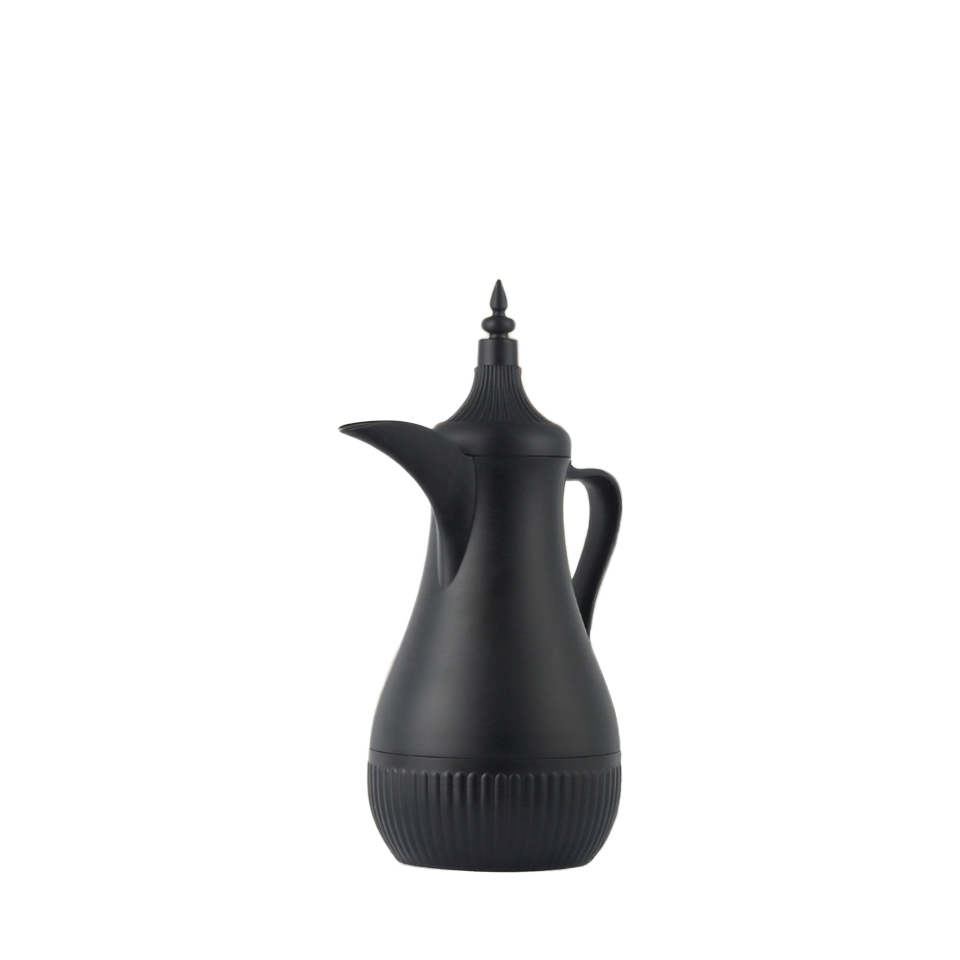
Develop shared beverage service around press-handle carafes, pump-action airpots and tap-equipped vessels. Specify capacity, dispensing method, carry arrangement, cleaning access and the required service setting. Agree flow, closure fit and any stand or accessory as part of the complete offered assembly.

Enquire about this range ↗

Commercial and hospitality containers

Define the actual venue, service volume and handling pattern for a commercial vessel project. Carafes, dispensers and airpots offer distinct ways to organise shared drinks service. Confirm the exact specification, spare-part needs, maintenance instructions and relevant evidence for the proposed destination.

Enquire about this range ↗

Outdoor coolers and ice buckets

Extend a drinking collection with an insulated hard-cooler or swing-handle ice-bucket direction. Describe usable space, carrying needs, closure and intended contents. Agree the current capacity, weight and insulation test conditions on the chosen variant rather than deriving them from a product photograph.

Enquire about this range ↗

Stainless steel pet bowls

A feeding-bowl direction combines a cylindrical steel body with a base intended to reduce movement. Specify the animal and feeding context, capacity, usable diameter, base components and cleaning needs. Current dimensions and material details require confirmation; there is no fixed size promised for this direction.

Enquire about this range ↗

Special vessels, other materials and components

Discuss non-vacuum stainless steel, plastic, glass or aluminium vessel projects and cup or bottle components as separate development briefs. Define the intended function and material at the start. Availability, engineering feasibility and evidence must be confirmed for that project rather than inferred from the insulated-steel assortment.

Enquire about this range ↗
Reference product directions

Start with a product.
Define the details.

Use these options to describe what you are buying. The public references identify your enquiry; the final model and specification are confirmed before an order.

Interchangeable-lid bottle platform sourcing illustration
REFERENCE 0114-01

Interchangeable-lid bottle platform

A vacuum-insulated bottle platform with five capacities in its parameter table. Spout, trigger-style straw, vent-style and chug-handle lids are presented as development options. Confirm the exact proposed configuration and its contents compatibility before approving any transport or pressure-related use.

Posted capacities
12 oz; 18 oz; 24 oz; 32 oz; 40 oz
Reference net weights, in capacity order
0.25; 0.31; 0.36; 0.44; 0.52 kg per piece
Listed case quantities
24 pieces for 12/18/24 oz; 20 pieces for 32/40 oz
Discuss this option ↗
Fitness shaker bottle reference sourcing illustration
REFERENCE 0114-02

Fitness shaker bottle reference

A 24 oz double-wall vacuum bottle direction with a mixing component and push-button flip-top lid. Specify the mixing assembly, ingredient compatibility and cleaning access along with the bottle. Approve performance on an actual sample without assuming a universal leakproof or mixing result.

Posted capacity
24 oz
Reference net weight
0.41 kg per piece
Listed case quantity
20 pieces
Discuss this option ↗
Shaped-lid children’s straw bottle sourcing illustration
REFERENCE 0114-03

Shaped-lid children’s straw bottle

A compact vacuum-bottle reference with a shaped house-style lid and detachable side handles. Confirm exact accessories, assembly and cleaning instructions. The reference capacity is useful for selection, while intended age and applicable product requirements need separate confirmation.

Posted capacity
10 oz
Reference net weight
0.275 kg per piece
Listed case quantity
24 pieces
Discuss this option ↗
Handled coffee mug pair sourcing illustration
REFERENCE 0114-04

Handled coffee mug pair

Two posted capacities offer a way to build a smaller and larger coffee-mug group. The reference pairs a side handle with a press-in slider-style lid. Confirm the offered gasket, opening and body dimensions before agreeing the intended desk or travel function.

Posted capacities
11 oz; 16 oz
Reference net weights
0.24 kg; 0.28 kg per piece, respectively
Listed case quantity
24 pieces
Discuss this option ↗
Handled straw tumbler capacity family sourcing illustration
REFERENCE 0114-05

Handled straw tumbler capacity family

A tapered, handled straw-tumbler direction with four posted sizes. Compare the capacity ladder alongside the required body envelope and handling. Confirm the proposed lid, straw, base and transport conditions on a complete current sample.

Posted capacities
18 oz; 24 oz; 32 oz; 40 oz
Reference net weights, in capacity order
0.443; 0.500; 0.598; 0.667 kg per piece
Listed case quantities
24 pieces for 18/24 oz; 16 pieces for 32/40 oz
Discuss this option ↗
Handled beer stein family sourcing illustration
REFERENCE 0114-06

Handled beer stein family

A stainless steel handled-stein direction with three posted capacities. Use the size progression to plan the beverage-service collection, then agree the actual finish and current dimensions. Capacity and handle appearance do not establish a load, impact or pressure rating.

Posted capacities
17 oz; 23 oz; 33 oz
Reference net weights
0.27; 0.35; 0.44 kg per piece, respectively
Listed case quantity
24 pieces
Discuss this option ↗
Food jar with stored folding utensil sourcing illustration
REFERENCE 0114-07

Food jar with stored folding utensil

A wide-mouth vacuum-food-jar direction with a folding spork stored in the lid. A carry handle, vent feature and removable gasket direction are described. Specify the actual supplied parts, contents and care instructions before sample approval.

Posted capacity
20 oz
Reference net weight
0.5728 kg per piece
Listed case quantity
12 pieces
Discuss this option ↗
Larger thermal-cooker capacity series sourcing illustration
REFERENCE 0114-08

Larger thermal-cooker capacity series

A larger insulated-container direction with three capacities in the product table. Confirm the inner vessel, lids, handles and preparation instructions for the proposed variant. Performance depends on the actual assembly and agreed conditions.

Posted capacities
108 oz; 152 oz; 203 oz
Reference net weights
2.862; 3.484; 4.1535 kg per piece, respectively
Listed case quantity
4 pieces
Discuss this option ↗
Three-layer food-jar series sourcing illustration
REFERENCE 0114-09

Three-layer food-jar series

A multi-layer meal-container direction with three posted capacity choices. Specify the complete tray arrangement and whether the quoted capacity refers to the whole assembly. Assess lids, handles and removable parts together against the intended food and carrying requirements.

Posted capacities
61 oz; 68 oz; 74 oz
Reference net weights
0.98; 1.07; 1.14 kg per piece, respectively
Listed case quantities
12 pieces for 61/68 oz; 8 pieces for 74 oz
Discuss this option ↗
Tap-equipped beverage dispenser sourcing illustration
REFERENCE 0114-10

Tap-equipped beverage dispenser

A vacuum-insulated beverage vessel direction with a carry handle, dispensing tap and folding base support described. Specify the beverage, service temperature and cleaning needs. The tap, gasket and support require assessment as components of the selected assembly.

Posted capacities
100 oz; 170 oz
Reference net weights
2.06 kg; 2.43 kg per piece, respectively
Listed case quantity
4 pieces; final packing to confirm
Discuss this option ↗
Press-handle coffee carafe sourcing illustration
REFERENCE 0114-11

Press-handle coffee carafe

A 48 oz vacuum carafe direction with a press-handle outlet and half-turn lid arrangement. The source identifies a SUS304 stainless steel construction; confirm the exact material scope for the offered body and accessories. Agree pouring, closure fit and thermal criteria on the current sample.

Posted capacity
48 oz
Reference net weight
0.91 kg per piece
Listed case quantity
12 pieces
Discuss this option ↗
Swing-handle insulated ice buckets sourcing illustration
REFERENCE 0114-12

Swing-handle insulated ice buckets

Two posted capacities provide separate ice-bucket options for an outdoor or shared-service brief. Define usable opening, handle requirements and the intended contents. Review surface finish and insulation performance against agreed conditions for the selected bucket.

Posted capacities
51 oz; 57 oz
Reference net weights
0.54 kg; 0.63 kg per piece, respectively
Listed case quantities
12 pieces for 51 oz; 20 pieces for 57 oz
Discuss this option ↗

Ounce values, net weights and case quantities above are selected catalogue references. They do not establish current stock, minimum orders, single-item dimensions or confirmed production tolerances. Product tables also contain shipping measurements and loading figures; these are not treated as body dimensions. Confirm the exact assembly, usable capacity, materials, packing and item-specific performance on a dated specification.

What matters for this category

A better brief.
A clearer comparison.

Focus the sourcing conversation on the features, materials and production details that make a difference to your product range.

01

Develop an assortment around real use

Connect daily hydration, coffee, meals and shared service through clear capacity and component choices. A coordinated finish and packaging brief can link different product groups while preserving the functional requirements of each.

02

Choose an existing platform or a new structure

Start with an established bottle or cup direction when its construction fits the project, or discuss new structural development from authorised drawings and samples. Agree the degree of change, component interfaces, tooling and approval process before selecting the commercial route.

03

Coordinate the finished product, not just its body

Treat the lid, gasket, straw, handle, utensil or dispensing mechanism as part of the sourcing brief. We help organise the product, development questions, evidence and packing around a complete proposed sales unit.

Branding, configuration & packaging

Make the product
fit your programme.

Bring artwork, reference samples and a target cost. The available process, minimum quantity, sample charges and development scope are reviewed for the chosen option.

01

Structure, lids and engineering

Discuss body proportions, opening, lid mechanism and accessory interfaces against the intended use. Provide authorised drawings and a functional brief. Confirm feasibility, prototype stages, tooling ownership and costs before committing to a modified or new assembly.

02

Colour, texture and authorised branding

Explore suitable transfer decoration, iridescent or textured paint, foil decal, laser marking, screen printing, embossing, debossing and dimensional-print directions. Select the method for the actual body and use, then approve artwork, placement and a finished colour sample.

03

Sample and retail presentation

Review the complete proposed unit and its packaging before bulk approval. Specify colours, variant mix, accessories, retail presentation and shipping protection. Sample fees, freight, current minimums and timing are confirmed for that exact project; selected stock programs and fully developed OEM orders have different conditions.

Quality & product evidence

Turn requirements
into checks.

Agree which product characteristics need testing and how the approved sample relates to the bulk order.

01

Check materials and the complete assembly

Agree incoming-material, coating and component checks suitable for the proposed construction. Confirm steel grade where specified and assess the assembled drinking or dispensing mechanism. Define fit, appearance and functional criteria against the approved sample.

02

Specify the performance test conditions

Set the required thermal, sealing, coating or cleaning checks for the selected design and destination. Request applicable results for the actual sample, test method and acceptance criteria before adopting a product-specific performance claim.

03

Connect inspection to packaging

Agree in-process and final inspection, accessory counts and packing checks for the proposed order. Verify the finished retail unit and cartons. Request appropriate transport testing where needed, with corrective handling defined for any agreed nonconformities.

Test capability is a starting point for the inspection plan. Request the method, applicable model and results needed for your order.

Documents matched to the order

Ask for evidence
that fits the product.

Request an approval package for the exact vessel, lid and accessories. Company-level quality statements should be supported by item-specific specifications and documents relevant to the proposed market and use.

State the sales market, intended users and required files in your first enquiry. Current validity and scope are checked for the selected supplier and product; a category description does not certify every item.

Share your document requirements ↗
Current specification and bill of components
Request capacity basis, measured body dimensions, steel and accessory materials, finish, component list and tolerances. For multi-layer containers, identify the individual trays and the capacity represented by the quoted value.
Relevant performance and market reports
State contents, intended users, operating conditions and destination. Ask for applicable food-contact and other relevant reports for the exact material and finished assembly, together with thermal or sealing test conditions when those claims are needed.
Commercial and packing schedule
Confirm quantities by design, finish and size; sample arrangements; tooling and decoration charges; retail and carton contents; and shipping measurements. Agree production timing and the approvals and payment conditions that start the schedule.
Built around how you sell

Different buyers.
Different specifications.

Your sales channel changes the assortment, packaging and quality priorities. Tell us the intended use as well as the product name.

01

Retail and private-label drinkware

Build a capacity and lid assortment for everyday hydration, coffee, fitness or outdoor use. Coordinate authorised branding and presentation while checking the actual function of each variant.

02

Corporate gifts and meal collections

Connect a mug or bottle to a food-jar concept through colour, packaging and a practical use story. Approve each accessory and the complete gift unit rather than assuming every configuration is stocked.

03

Shared service, outdoor and adjacent ranges

Define a hospitality, group-serving or camping brief around dispensers, carafes, ice buckets or coolers. Pet bowls and other vessel projects require their own dimensions, materials and use requirements.

From first brief to a defined order

One contact.
A practical next step.

Samples, commercial terms and responsibilities are agreed for the project. Use the same product and packing specification when comparing quotations.

01

Share the requirement

Product, reference image, quantity, sales market and timing.

02

Compare suitable options

Review configuration, materials, sample scope and relevant documents.

03

Approve the specification

Agree artwork, packaging, sample, testing and inspection criteria.

04

Confirm the order plan

Set price, payment, production, delivery and defect remedies in writing.

Buyer questions

Before you send
your first enquiry.

Practical answers about this sourcing direction, customization and the reference options. Your agreed specification and written quotation determine the actual order.

Which products can be included in a collection brief?

Include sports and children’s bottles, shakers, mugs, travel and straw tumblers, barware, food jars, multi-layer meal containers, thermal-cooker directions, dispensers, airpots, carafes, coolers, ice buckets and pet bowls. Other-material vessels and components can be discussed separately against a clear development brief.

Can I customise both the body and lid?

Share authorised drawings, samples and functional needs. Body form, structure, lid mechanisms, components, colours, finishes, branding and packaging can be discussed. Feasibility and the exact offered configuration require project-specific approval.

Do the shipping-table measurements describe the cup itself?

No single-item dimension is inferred from the shipping table. Request measured body dimensions and identify the final carton contents and shipping measurements separately. Case quantities are reference packing information rather than a minimum-order commitment.

Can you guarantee a fixed hot or cold retention time?

Define the required performance and test conditions for the selected assembly. Ask for the relevant report and acceptance criteria. Capacity, lid type, preparation and measurement conditions affect results, so no universal retention duration is stated here.

Are children’s bottles and pet bowls ready for every market?

Specify the intended users, accessories, destination and use conditions. Request the applicable item-specific materials, safety and care evidence. A category or design appearance does not establish an age approval or universal market conformity.

How are samples and minimum quantities arranged?

Request current terms for the chosen model, colour, decoration, components and pack. Existing-platform or selected stocked programs may have different conditions from new OEM development. Confirm sample charges, courier cost and the exact quoted order quantities.

Which finish and logo methods can be discussed?

Depending on the selected construction, explore transfer decoration, suitable paint effects, foil decal, laser marking, screen printing, embossing, debossing and dimensional-print directions. Provide authorised artwork and confirm method, placement, durability criteria and a finished sample.

What helps make a quotation complete?

Send product families, authorised references, capacities, dimensions, materials, lid and accessory requirements, colours, quantities and packing. Include intended contents, users, destination, required documents and requested receipt date so the complete sales unit can be assessed.

Who handles my enquiry?

Factory Sourcing Hub handles this enquiry as an independent sourcing and trading service. The product route, supplier suitability, sample scope and order responsibilities are agreed for the actual project.

How do I get a price and order minimum?

Send the product reference, quantities per variation, customization and packaging. Prices, minimums, sample charges and delivery dates are confirmed in a current quotation; the page is not a live inventory or price feed.

Can I discuss samples and inspection before ordering?

Yes. State whether you need a reference sample, a customized sample or development work. Agree the sample cost and shipping, approval specification, inspection plan and remedy for non-conforming goods before the bulk order.

What should I attach to my email?

Reference images, drawings, logo artwork and a product list are useful. Include quantities, the intended users and sales market, packaging, required documents and timing. After submitting the form, email attachments to kunhuow@gmail.com with your enquiry reference.


Tell us what you are planning

Your next order
starts with a brief.

A reference picture or a short description is enough to begin. Add the details you already know; the optional fields help make the follow-up more useful.

  • Product groups, authorised references, capacities and measured-dimension requirements
  • Lid mechanisms, complete accessories, materials, colours and decoration
  • Quantity by variant, sample needs and retail and shipping presentation
  • Intended contents and users, destination, documents and required receipt date
kunhuow@gmail.com

Download the enquiry checklist ↓

Independent sourcing and trading service. Supplier choice, service costs and order conditions are discussed for your project.

Discuss your requirements.

Product selection, customization, samples and quotation enquiries.

Add product, quantity or customization details (optional)

Submit your enquiry directly. We use your details to respond to your sourcing request. For attachments, email kunhuow@gmail.com with your enquiry reference. Enquiry data use.

Information basis: published product information reviewed . Reference details support a sourcing discussion. Current supply, samples and product-specific documents are confirmed for the selected item.

Have a product in mind?
Share your sourcing brief.
Send an enquiry ↗