
Glass-lined vacuum flasks
Compare glass-refill constructions with polymer, stainless or coated-metal exterior directions. Approve the inner vessel, outer casing, stopper, handle and cap as a complete item.
Enquire about this range ↗Thermal servingware for your drinks programme
Source glass-lined flasks, coffee carafes, pump airpots, insulated beverage dispensers, tea buckets and lunch containers. Compare liners, pouring and tap systems, custom finish, samples and packing.
Manufacturing, product documents and order conditions depend on the model and supply route selected for your project.
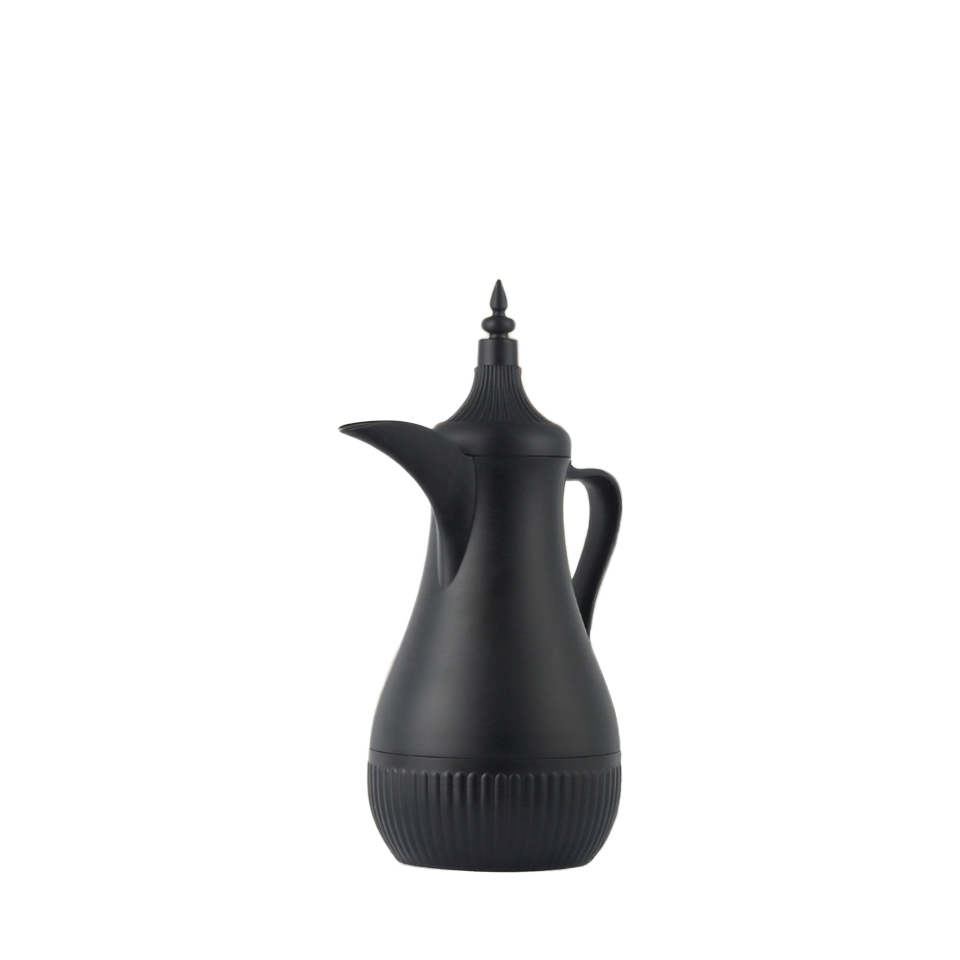
Start with a product reference, intended use and estimated quantity. We bring product selection, sample questions and quotation details into one conversation.
Email your reference image ↗Choose a focused product or discuss a coordinated assortment. Each direction can be developed into a more specific model and packaging brief.
Compare glass-refill constructions with polymer, stainless or coated-metal exterior directions. Approve the inner vessel, outer casing, stopper, handle and cap as a complete item.
Enquire about this range ↗Handled pouring formats include compact table jugs, taller flasks and coordinated capacity families. Match spout access, grip clearance, useful volume and the desired table presentation.
Enquire about this range ↗Elongated spouts, sculpted bodies, tall finials, decorative lids and metallic-look finishes support different tea and coffee collections. Confirm materials and decoration rather than inferring solid-metal construction from appearance.
Enquire about this range ↗Side-push, central-push, screw-opening and stopper directions provide different dispensing routines. State how the item should be opened, closed, carried and cleaned.
Enquire about this range ↗Pump-operated airpots offer a dispensing direction that avoids lifting the full vessel for each serving. Compare pump position, handle, spout access, liner and serviceable parts for the proposed capacity.
Enquire about this range ↗A twin pump-vessel format combines two dispensing assemblies in one handled presentation. Confirm separate chamber capacities, actual independence, included parts and loaded stability.
Enquire about this range ↗Tap-equipped insulated containers support shared beverage service. Compare cylindrical bodies, handles, covers, stand directions and the precise inner material for the intended drink.
Enquire about this range ↗Square and round dispensing formats include temperature-display directions. Define indicator type, accuracy, power arrangement and the approved cleaning method; an indicator does not establish heating or refrigeration.
Enquire about this range ↗Larger barrels and jugs support catering and drinks-service programmes. Useful volume, cover opening, tap access, handle load and the final counter or stand footprint are selection points.
Enquire about this range ↗Portable cooler and insulated-bucket references can be discussed for cold-beverage service. Required cooling method, ice use, fill temperature, drainability and cleaning are confirmed by item.
Enquire about this range ↗Portable lunch-case directions include an outer shell, inner food-container components and carrying features. Confirm actual piece count, food-contact steel, useful capacity, seals and the permitted food and cleaning conditions.
Enquire about this range ↗Discuss colour coating, electroplating, silk-screen work, heat transfer, transfer patterns, laser decoration, machine or metal printing, hot stamping and spray-painted finishes. Select the route for the actual substrate and authorised artwork.
Enquire about this range ↗A design brief can progress through drawings, three-dimensional visualisation, prototype review, tooling and packaging artwork. Agree the physical sample and manufacturing scope before confirming an assortment.
Enquire about this range ↗An earlier boiler reference extends the historic range beyond passive insulated vessels. Request current availability and complete voltage, power, capacity, protection, care and destination-market evidence before proceeding.
Enquire about this range ↗Use these options to describe what you are buying. The public references identify your enquiry; the final model and specification are confirmed before an order.

A handled table-service direction with a metal exterior, polymer handle and glass-liner reference.
A smaller handled pouring direction for a coordinated coffee-and-tea assortment.
Compare a nominal size ladder across a flask assortment. Each body, liner and closure combination requires its own drawing and sample.
A polymer-exterior direction with a glass liner. Confirm polymer grade, stopper and the intended beverage.
A larger insulated container direction with a handle, tap and stand components. Agree the inner material and intended hot or cold beverage.
A wider-mouth coffee-flask direction with a glass liner. Define the actual opening and cleaning access in the current drawing.
A shaped body and elongated spout provide a decorative coffee-service direction. Approve the exact lid, handle and exterior finish.
A large shared-service dispenser direction with a metal exterior. Confirm useful volume, tap material, stand stability and the cleaning procedure.
A glass-refill airpot format for counter dispensing. Confirm the current assembly and availability rather than assuming immediate dispatch.
A handled square-body direction with a tap, stand and temperature-display feature. The indicator is not an active heating or cooling claim.
A tap container direction with a metal exterior and polymer inner barrel. Confirm the exact food-contact polymer and filling limits.
Two visible pump assemblies share a handled exterior presentation. Confirm chamber sizes, separate dispensing and the included parts.
A large container direction with a metal exterior and aluminium inner vessel. Confirm coating, beverage compatibility and care for the selected sample.
A smaller metal-body and polymer-handle direction with a glass vacuum liner.
A larger pump dispensing option for coffee and tea programmes. Approve the liner, pump and carrying handle together.
A tap-dispensing bucket direction with a temperature display and carry handle. Power and measurement specifications must be supplied for the selected indicator.
A handled pouring-flask direction with a display feature. Confirm whether the indicator is electronic, how it is powered and how it is cleaned.
A compact glass-refill flask direction for a smaller table-service programme.
A large tap container direction with a coloured metal exterior. Confirm the inner vessel, insulation and useful fill volume.
A tap-dispensing direction for a mid-size beverage-service programme.
A smaller tap-equipped water jug with a metal-body direction. Confirm actual liner and insulation construction before applying a vacuum claim.
A carrying case with a polymer outer shell and stainless inner direction. Approve the food-contact grade, actual inner pieces and seals.
A separate insulated food-case reference shows inner-container components within a carrying shell. Confirm the supplied number of containers and their useful capacities.
A larger handled tap-container direction for a drinks-service assortment.
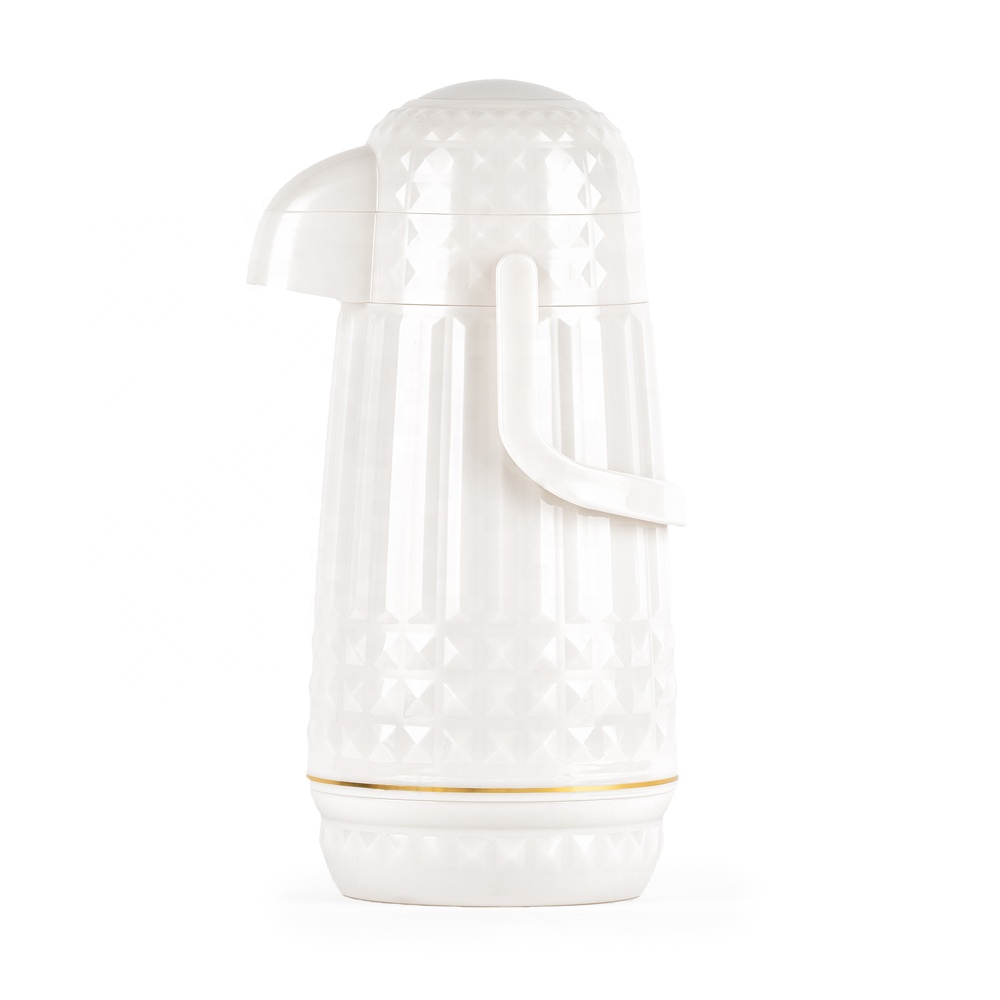
A faceted exterior and side handle support a compact pump-pot presentation. Agree the liner, cap and complete pump mechanism.
A taller airpot direction intended for counter dispensing. Confirm the pump, liner and carrying assembly in the current sample.
A pouring-flask reference with a glass inner vessel. The exterior can differ by version, so select the actual stainless or iron construction in the quotation.
A small air-pressure flask direction with a glass refill and a metal outer version. Confirm the exact case material and pump assembly.
An earlier curved-handle and pouring-spout direction can guide a request for a current equivalent.
An earlier top-handle and three-leg dispenser direction uses foam insulation. Request the current construction and capacity list before repeat buying.
An earlier large coffee-carafe direction has a top carry handle and foam-insulated body.
An earlier handled boiler reference requires current availability and full electrical specifications before it can be selected.
Nominal options refer to particular catalogue directions and require a current drawing and physical sample. Glass-lined vacuum flasks, foam-insulated barrels and other inner-vessel constructions are different products. Match the exact liner, exterior, closure, useful volume and approved care instructions; earlier references do not establish current availability.
Focus the sourcing conversation on the features, materials and production details that make a difference to your product range.
A table carafe, hand-pump airpot, tap dispenser and food carrying case solve different tasks. Build the assortment around how customers fill, carry, serve and clean each item.
Compare shaped coffee flasks, classic printed bodies, metallic finishes and plain colours without assuming their internal construction is identical. Approve the body, liner and finish for each selected size.
Discuss the structural drawing, three-dimensional visualisation, prototype, mould and packing artwork as a connected programme. Use the approved physical sample and packed-unit definition to settle the final order.
Bring artwork, reference samples and a target cost. The available process, minimum quantity, sample charges and development scope are reviewed for the chosen option.
Send a design brief or reference with capacity, liner, handle, closure and dispensing requirements. Drawing, rendering, prototype and tooling routes can be discussed;approve the actual functional sample and agree costs and timing per project.
Discuss colour coating, plating, silk-screen, heat transfer, pattern transfer, laser decoration, machine/metal printing, hot stamping or spray paint where appropriate. Confirm substrate, appearance, artwork rights, placement and physical proof.
Select individual boxes, protective bags, labels, instructions, barcode and master-carton plan as required. Confirm real set contents, carton count, liner protection, sample terms, minimums and production schedule for the selected configuration.
Agree which product characteristics need testing and how the approved sample relates to the bulk order.
Confirm liner, outer casing, foam where present, cap, seal, pump, tap and food-container materials. A stainless exterior does not establish a stainless inner or a vacuum-insulated barrel.
Define useful capacity, pouring or pump/tap operation, closure behaviour, loaded handles, stand stability and cleaning access. Specify the temperature-retention test method and intended beverage;verify claims on the actual assembly.
Request relevant material, food-contact, coating and electrical evidence for the exact configuration and destination. Agree cosmetic standards, decoration approval, component count, glass protection and the inspection plan before shipment.
Test capability is a starting point for the inspection plan. Request the method, applicable model and results needed for your order.
Provide the destination market and the intended drink or food so the quotation can identify the precise technical evidence, sample and packing requirements.
State the sales market, intended users and required files in your first enquiry. Current validity and scope are checked for the selected supplier and product; a category description does not certify every item.
Share your document requirements ↗Your sales channel changes the assortment, packaging and quality priorities. Tell us the intended use as well as the product name.
Compare table carafes, airpots and tap barrels for offices, guest service, cafés and beverage counters. Set the intended drink, cleaning routine and serving volume.
Develop coordinated body colours, shapes, printed finishes and boxes for a homewares or promotional programme. Confirm exact contents and current availability of every size.
Discuss larger dispensers, cooler directions and insulated lunch cases around the actual food or beverage task. Agree handling, transport, cleaning and required temperature evidence.
Samples, commercial terms and responsibilities are agreed for the project. Use the same product and packing specification when comparing quotations.
Product, reference image, quantity, sales market and timing.
Review configuration, materials, sample scope and relevant documents.
Agree artwork, packaging, sample, testing and inspection criteria.
Set price, payment, production, delivery and defect remedies in writing.
Practical answers about this sourcing direction, customization and the reference options. Your agreed specification and written quotation determine the actual order.
Glass-lined vacuum flasks, coffee and tea carafes, hand-pump airpots, a twin-airpot direction, tap water jugs, tea buckets, temperature-indicator dispensers, cooler directions and insulated lunch containers are covered. An earlier electric-boiler direction requires current availability and electrical verification.
Do not assume so. Glass-refill vacuum flasks, PU-foam insulated barrels and other constructions are separate directions. Ask for the exact item drawing, inner vessel, insulation and useful capacity.
Material choices depend on the item. Many pouring flasks and airpots use glass refills even when their exterior is stainless steel. Other bucket references use polymer or aluminium inner vessels. Confirm the complete component schedule and any available alternative.
No. A display direction identifies an indicator feature only. Confirm its type, power, accuracy and cleaning limits. Any active heating or cooling requirement needs a separately specified and verified product.
OEM/ODM discussion can include drawings, three-dimensional review, prototype, tooling, colour and packaging artwork. Several printing, coating, plating, transfer, laser and stamping directions can be discussed for the actual substrate. Approve the physical decorated sample.
Selected reference cards show nominal sizes from particular items or families. Confirm useful fill volume and current options per body. Packing varies;for example, certain 1 L flask and airpot references list 12 pieces/carton, but that is not a range-wide plan. Request the exact current protective pack.
No general guarantee is implied. Agree the selected construction, intended contents, test conditions and required destination-market evidence. Samples, minimum order, tooling, price and schedule are confirmed in the item quotation.
Send the serving format, quantities by size and colour, nominal and useful capacity, liner and shell preference, beverage or food, closure or tap/pump needs, display/electrical requirements if any, artwork, market, test expectations, packing and delivery target.
Factory Sourcing Hub handles this enquiry as an independent sourcing and trading service. The product route, supplier suitability, sample scope and order responsibilities are agreed for the actual project.
Send the product reference, quantities per variation, customization and packaging. Prices, minimums, sample charges and delivery dates are confirmed in a current quotation; the page is not a live inventory or price feed.
Yes. State whether you need a reference sample, a customized sample or development work. Agree the sample cost and shipping, approval specification, inspection plan and remedy for non-conforming goods before the bulk order.
Reference images, drawings, logo artwork and a product list are useful. Include quantities, the intended users and sales market, packaging, required documents and timing. After submitting the form, email attachments to kunhuow@gmail.com with your enquiry reference.
A reference picture or a short description is enough to begin. Add the details you already know; the optional fields help make the follow-up more useful.
Download the enquiry checklist ↓
Independent sourcing and trading service. Supplier choice, service costs and order conditions are discussed for your project.
Product selection, customization, samples and quotation enquiries.
Compare separate product ranges and prepare a brief that fits your assortment.

Develop stainless steel drinkware and food-container assortments through an independent trading service. Explore sports and children’s bottles, coffee mugs, straw tumblers, beer cups, insulated food jars, thermal-cooker directions, beverage dispensers, airpots, carafes, ice buckets, portable coolers and pet bowls, with design, finishes, components, samples and packing coordinated by item.
Explore this service ↗
Source glass-liner and stainless vacuum flasks, coffee and tea carafes, pump airpots, Arabic and dallah-style pots, travel bottles, wide-mouth enquiries, vacuum cups and decorative dried-flower carafes.
Explore this service ↗
Source vacuum mugs, travel flasks, ice-drink bottles, stainless and glass-lined serving jugs, food jars, airpots and larger thermal containers with coordinated closure, materials, artwork and packing requirements.
Explore this service ↗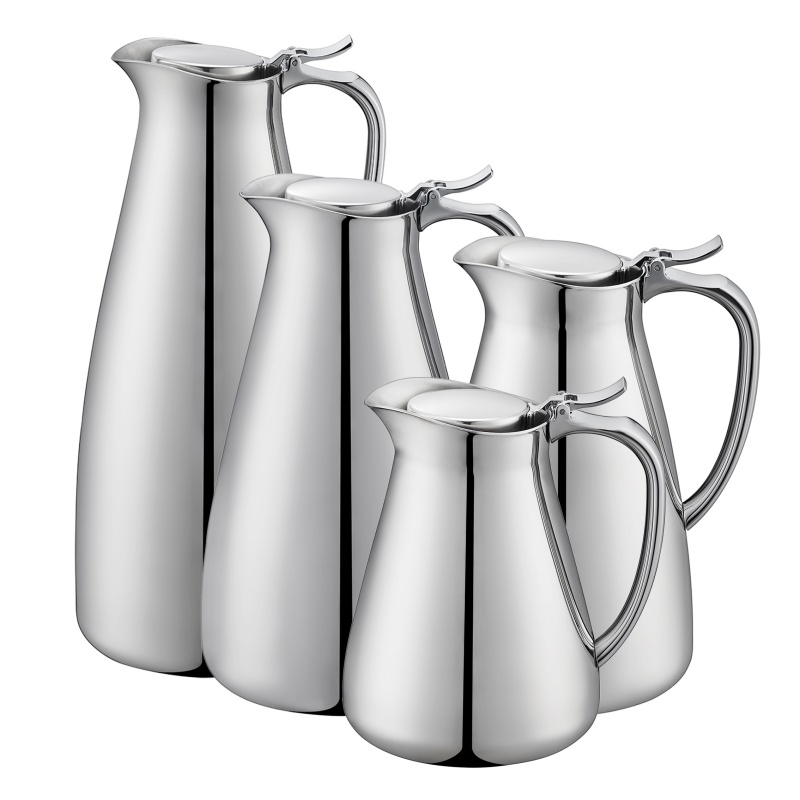
Source vacuum coffee jugs, glass-refill pots, pump airpots, stainless flasks, personal cups, food jars, French presses, moka makers and passive wine coolers through one trading enquiry.
Explore this service ↗Information basis: published product information reviewed . Reference details support a sourcing discussion. Current supply, samples and product-specific documents are confirmed for the selected item.