
Paper and clear beverage cups
Compare wall structures, coated-paper references and separately defined cold-cup materials.
Enquire about this range ↗Foodservice cups, containers and coordinated takeaway items
Coordinate paper cups, PLA/PET/PP cold cups, lids, cutlery, bowls, compartment containers, straws, sleeves, cup carriers and bag projects with item-specific material and use requirements.
Manufacturing, product documents and order conditions depend on the model and supply route selected for your project.
Start with a product reference, intended use and estimated quantity. We bring product selection, sample questions and quotation details into one conversation.
Email your reference image ↗Choose a focused product or discuss a coordinated assortment. Each direction can be developed into a more specific model and packaging brief.
Compare wall structures, coated-paper references and separately defined cold-cup materials.
Enquire about this range ↗Coordinate bowls, compartment layouts, knives, forks, spoons and stirrers with actual use conditions.
Enquire about this range ↗Match lids, sleeves, holders and trays to the complete cup and filled-pack arrangement.
Enquire about this range ↗Develop straw, takeaway bag and separate biodegradable-plastic bag requirements with composition and disposal conditions specified.
Enquire about this range ↗Use these options to describe what you are buying. The public references identify your enquiry; the final model and specification are confirmed before an order.

Compare single-wall, double-wall, ripple and embossed formats for beverage presentation. Define coating, cup fit, print layout and the actual hot or cold use conditions.
Coordinate ice-cream cups, paper bowls, soup-container briefs and salad bowl/lid combinations with fill quantity, closure and food-use requirements.
Specify the cup construction, coating and material evidence needed for the intended use and disposal route. PLA references require item-specific composition and processing conditions.
Compare the actual cup material and geometry for the beverage, filling conditions, closure and presentation. Confirm the applicable food-contact and service requirements.
Start with the exact cup rim and intended drink. Specify lid material, drinking opening and required closure checks for the selected cup/lid pair.
Develop the required utensil assortment, strength, length, finish and packing. CPLA stirrer and bamboo cutlery directions can be evaluated with their own material and use requirements.
Coordinate sleeve fit, surface presentation and the actual cup combination. Define whether a paper sleeve or clear PP sleeve is required.
Specify cold or proposed hot-food use, filling conditions, portion format and closure. Confirm the actual material, operating limits and suitability for each offer.
Coordinate the pack format, carrying requirements, print files, size and supplied contents for foodservice presentation. Material and coating are defined per proposed item.
Specify cup count, rim/body fit, filled load and takeaway arrangement. Review the actual holder or tray with the proposed cup combination.
Define length, bore, shape, drink characteristics and wrapping needs. Evaluate the actual proposed material and appropriate use conditions.
Compare the proposed PLA or paper straw construction with the beverage and use duration. Request item-specific composition and any disposal evidence required by the destination.
Provide the bag type, dimensions, thickness, load, intended use and destination. Confirm the current proposed material and applicable degradation conditions rather than assuming them from a product category.
A selected coated-paper cup reference provides a nominal size and separate upper-rim, lower-rim and height values. Confirm the intended drink and closure.
Use this double-wall configuration to compare rim fit and presentation. Coating, print, weight and service conditions are confirmed separately.
A selected cold-cup configuration pairs rim and body dimensions with a separately listed volume. Confirm actual filling limits, closure and operating conditions.
Use the listed geometry to evaluate portion layout and the proposed closure. Confirm material composition, temperature limits and food-use conditions.
Use the listed geometry to evaluate portion layout and the proposed closure. Confirm material composition, temperature limits and food-use conditions.
Use the listed geometry to evaluate portion layout and the proposed closure. Confirm material composition, temperature limits and food-use conditions.
Representative dimensions retain their original item and measurement roles. Nominal ounce designations and listed millilitres are separate source fields. Food-contact suitability, temperature limits, material composition, disposal claims and current supply terms must be confirmed for the actual proposal.
Focus the sourcing conversation on the features, materials and production details that make a difference to your product range.
Assess the cup, closure, sleeve, carrier and utensils together to reduce mismatches in the intended use.
Use defined top and bottom diameters, height, volume labels and compartment layouts when comparing offered configurations.
State the actual drink or food, filling conditions and disposal route so the requested evidence matches the proposed item.
Bring artwork, reference samples and a target cost. The available process, minimum quantity, sample charges and development scope are reviewed for the chosen option.
Supply authorised print files, positions, colours and finish expectations for design feasibility and sample review.
Define cup/lid combinations, container closure, sleeve fit and whether utensils or carrying items are included.
Specify sleeve counts, individual wrapping if needed, carton requirements and mixed-item quantities for the quotation.
Agree which product characteristics need testing and how the approved sample relates to the bulk order.
Agree measurement definitions and check the proposed cup, lid, sleeve and carrier as a complete combination.
Set the food or drink, contact duration and filling/storage conditions for relevant item-specific evaluation.
Confirm the composition and scope of any requested food-contact, compostability or other destination evidence before approval.
Test capability is a starting point for the inspection plan. Request the method, applicable model and results needed for your order.
Prepare a document set for the offered articles, materials and destination. A general category or material name does not establish a certification or disposal outcome.
State the sales market, intended users and required files in your first enquiry. Current validity and scope are checked for the selected supplier and product; a category description does not certify every item.
Share your document requirements ↗Your sales channel changes the assortment, packaging and quality priorities. Tell us the intended use as well as the product name.
Coordinate the drink cup, compatible closure, sleeve, straw and carrier.
Define the food, portion layout, closure and intended contact conditions for bowls or compartment containers.
Combine utensils, bags and carrying items with artwork, assortment and packing requirements.
Samples, commercial terms and responsibilities are agreed for the project. Use the same product and packing specification when comparing quotations.
Product, reference image, quantity, sales market and timing.
Review configuration, materials, sample scope and relevant documents.
Agree artwork, packaging, sample, testing and inspection criteria.
Set price, payment, production, delivery and defect remedies in writing.
Practical answers about this sourcing direction, customization and the reference options. Your agreed specification and written quotation determine the actual order.
Send the actual rim dimensions, cup reference, drinking opening and intended beverage. Request fit and closure checks for the exact proposed pair.
Treat them as separate catalogue fields. Confirm the actual fill level and required usable volume rather than converting a nominal size into a guaranteed capacity.
Describe the beverage, service conditions, appearance and handling needs, then compare the offered single-wall, double-wall, ripple or embossed configuration.
Give filling, contact, storage and destination requirements. Request the composition and relevant evidence for the proposed PLA, PET or PP article.
Specify the food portions, compartment count, external dimensions and closure. Confirm usable space and the proposed container/lid arrangement.
State the actual food, filling temperature, duration and any reheating requirement. Request article-specific limits and evidence before choosing the offer.
Send authorised files, colours, placement and finish requirements, along with quantities and sample expectations for feasibility review.
Define length, bore, shape, beverage, use duration and wrapping. Confirm the material and any destination requirements for the actual item.
Provide the filled cup/container combination, carrying load, pack dimensions and artwork. Confirm the supplied contents and packing together.
Specify the application, dimensions, thickness, load and destination. Identify the intended degradation or composting conditions and request evidence for the proposed material and article.
Request current written terms for the selected products, artwork, tooling, packing and quantities. Agree the approved sample and production schedule.
Email kunhuow@gmail.com with the item list, dimensions, intended food or drink, use conditions, materials, permitted artwork, quantities, destination and packing requirements.
Factory Sourcing Hub handles this enquiry as an independent sourcing and trading service. The product route, supplier suitability, sample scope and order responsibilities are agreed for the actual project.
Send the product reference, quantities per variation, customization and packaging. Prices, minimums, sample charges and delivery dates are confirmed in a current quotation; the page is not a live inventory or price feed.
Yes. State whether you need a reference sample, a customized sample or development work. Agree the sample cost and shipping, approval specification, inspection plan and remedy for non-conforming goods before the bulk order.
Reference images, drawings, logo artwork and a product list are useful. Include quantities, the intended users and sales market, packaging, required documents and timing. After submitting the form, email attachments to kunhuow@gmail.com with your enquiry reference.
A reference picture or a short description is enough to begin. Add the details you already know; the optional fields help make the follow-up more useful.
Download the enquiry checklist ↓
Independent sourcing and trading service. Supplier choice, service costs and order conditions are discussed for your project.
Product selection, customization, samples and quotation enquiries.
Compare separate product ranges and prepare a brief that fits your assortment.
Source disposable cutlery/kits, meal boxes, cups/lids, paper cups and bowls, PP/PLA/paper straw directions, bagasse-container enquiries and related carrying packs with current samples, use files and packing.
Explore this service ↗
Source vacuum flasks, sports and travel bottles, insulated cups, office mugs, tea and coffee jugs, food jars, lunch carriers, stainless kettles, cookware, serving utensils, bowls, trays and kitchen accessories.
Explore this service ↗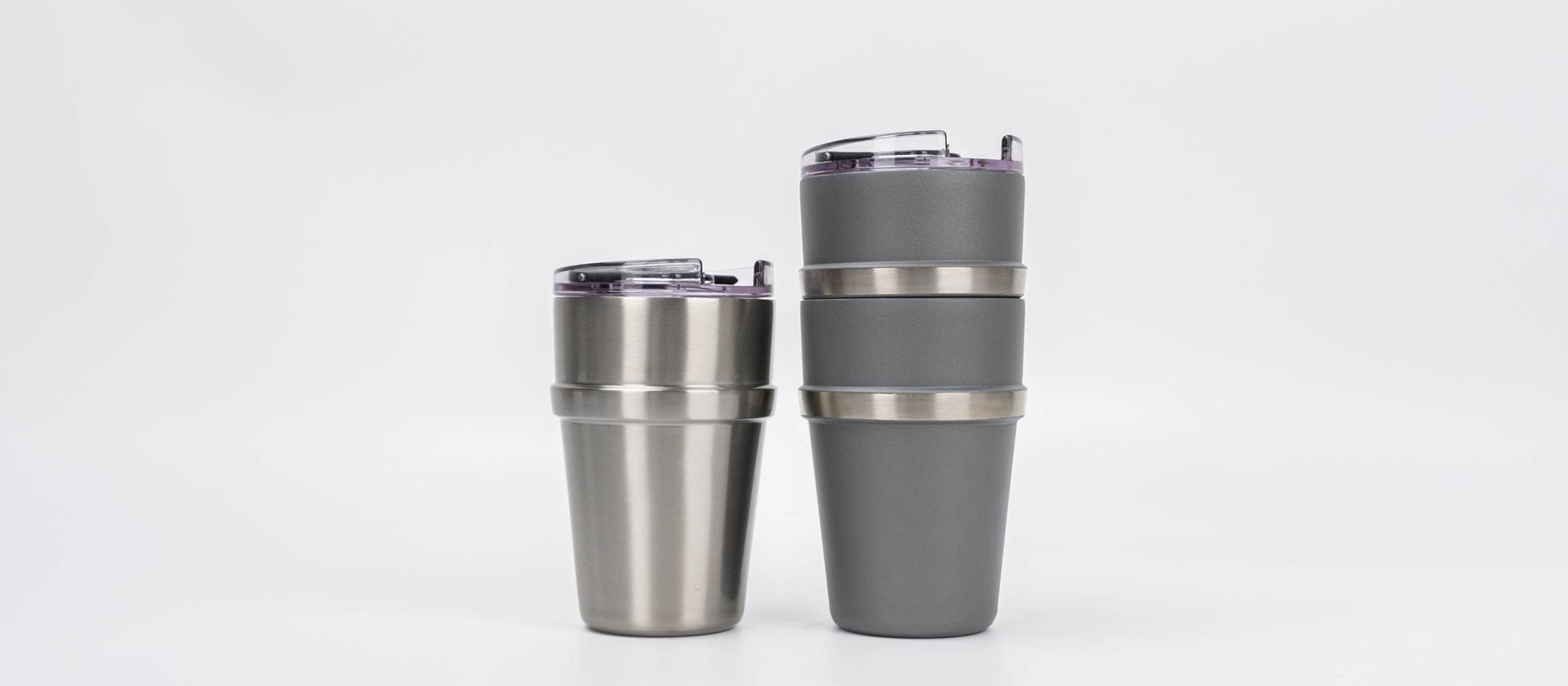
Source vacuum flasks, sports bottles, handled and stackable tumblers, coffee mugs, double-wall plastic cups, wine chillers, cocktail shakers, can coolers, reusable coffee filters and steel pet bowls with product-specific customization.
Explore this service ↗
Develop stainless steel drinkware and food-container assortments through an independent trading service. Explore sports and children’s bottles, coffee mugs, straw tumblers, beer cups, insulated food jars, thermal-cooker directions, beverage dispensers, airpots, carafes, ice buckets, portable coolers and pet bowls, with design, finishes, components, samples and packing coordinated by item.
Explore this service ↗Information basis: published product information reviewed . Reference details support a sourcing discussion. Current supply, samples and product-specific documents are confirmed for the selected item.