
Acrylic painting colours
Compare tube sets, individual tube directions and cup palettes. Define body, consistency, finish and intended substrate; a matt palette and a conventional tube range need separate specifications.
Enquire about this range ↗Choose the medium. Build the creative range.
Compare acrylic, gouache and wider painting materials for studio, school and craft programmes. Plan tube, bottle, pouch and palette formats alongside colour selection, paper, brushes and exact-product documentation.
Manufacturing, product documents and order conditions depend on the model and supply route selected for your project.

Start with a product reference, intended use and estimated quantity. We bring product selection, sample questions and quotation details into one conversation.
Email your reference image ↗Choose a focused product or discuss a coordinated assortment. Each direction can be developed into a more specific model and packaging brief.
Compare tube sets, individual tube directions and cup palettes. Define body, consistency, finish and intended substrate; a matt palette and a conventional tube range need separate specifications.
Enquire about this range ↗Bottle, spouted-pouch and multi-cup palette references serve different replenishment and painting routines. State the colour selection, fill quantity and storage requirements for each format.
Enquire about this range ↗These are distinct documented paint families. Request the current product specification, set contents and instructions for the chosen medium rather than transferring acrylic parameters to them.
Enquire about this range ↗Oil pastels, graphite and charcoal pencils, water-soluble colour pencils and art-pastel directions extend the assortment. Compare blending, layering and surface response using the actual paper.
Enquire about this range ↗Painting media, acrylic-blending directions and textile, glass or ceramic paint categories are listed. Confirm the exact chemistry, compatible paint and curing or preparation instructions before developing a project.
Enquire about this range ↗Children’s art categories include painting, drawing and creative-set directions. Define the users, supervision, contents and applicable testing; a classroom label does not establish a tested age grade.
Enquire about this range ↗Paper, erasers, brushes, water containers, boards, art bags and related tools support a broader painting range. Specify paper weight and surface, brush fibre and dimensions, and tool construction separately.
Enquire about this range ↗Ink and calligraphy categories complement the art-material offering. State the writing tool, intended surface and technique, and obtain the selected ink’s instructions and material information.
Enquire about this range ↗Use these options to describe what you are buying. The public references identify your enquiry; the final model and specification are confirmed before an order.
The product title lists three tube sizes. Confirm the chosen tube, colour and packing; the shared page description also lists separate formats.
These are alternative set formats, not a combined set. Request the current colour list, fill specification and pack.
A classroom-series reference with capacity stated in the official product title. Colour count and tested age suitability were not established.
The product image states the cup format and shows a 48-colour chart. Confirm the supplied colours, actual fill and approval sample.
A flexible-pouch format with a cap and dispensing spout. Shelf life, storage instructions and packaging performance require confirmation.
The official title gives forty cup positions and the listed cup volume. Obtain the colour list; cup positions alone are not proof of forty distinct pigments.
The inspected image gives 42 × 80 ml rectangular cups in a handled case. No measured gloss value or universal adhesion claim was established.

A drawing route described for layering, colour mixing, stencilling and scratching. Confirm the stick size, colour assortment, formulation and pack.
Volumes, colour counts and cup formats belong to separate product references. Confirm the exact formula, colour selection, fill, pack, shelf life, minimum order and current availability before an order. Category illustrations represent the range; request exact-product samples and current documentation for the selected item.
Focus the sourcing conversation on the features, materials and production details that make a difference to your product range.
Acrylic, gouache, watercolour, oil colour and pastel support different painting methods. Define opacity, consistency, drying, blending and the intended surface so comparisons are made within the right medium.
Tubes, bottles, pouches and cup palettes change dispensing, storage and replenishment. Specify the fill quantity, closure, colour arrangement and instructions around the actual painting routine and sales channel.
A paint range can be considered alongside paper, brushes, pencils and studio tools. Match the materials to the intended technique and keep the contents and performance requirements explicit for every component.
Bring artwork, reference samples and a target cost. The available process, minimum quantity, sample charges and development scope are reviewed for the chosen option.
Submit the desired paint family, colour list, volumes, quantities and retail position. Custom colour selection, formulation and private-label acceptance require a feasibility check; current commercial terms were not verified.
Define tube, bottle, pouch or palette presentation, outer packs, language, artwork and storage instructions. Ask which format and label changes can be offered, with the minimums and approval costs stated separately.
Request the selected paint and surface combination, then add any agreed brush, paper or tool. Establish sample availability, charges, approval stages and ownership of artwork before scheduling the project.
Agree which product characteristics need testing and how the approved sample relates to the bulk order.
Compare colour, consistency, coverage, mixing and brush response under a defined method. Review wet and dry appearance rather than assuming every colour has identical opacity or no colour shift.
Trial adhesion and dried-film behaviour on the actual prepared substrate. Canvas, wood, fabric, glass and ceramic require different reviews; a suggested application does not prove washfastness or long-term durability.
Check dispensing, closure, seal integrity, separation and the stated storage conditions. Agree the net-quantity basis and batch checks; millilitres and grams are different measurements and should not be substituted.
Test capability is a starting point for the inspection plan. Request the method, applicable model and results needed for your order.
Product names and broad range statements are not substitutes for current evidence. Match every report to the actual medium, formula, colour selection, tested sample and intended use; a historical result for one paint does not cover a different palette or current batch.
State the sales market, intended users and required files in your first enquiry. Current validity and scope are checked for the selected supplier and product; a category description does not certify every item.
Share your document requirements ↗Your sales channel changes the assortment, packaging and quality priorities. Tell us the intended use as well as the product name.
Plan a clear distinction between media, paint-body directions, colour selections and pack sizes. Confirm current specifications and avoid transferring one product’s report or performance to another.
State the intended age group, activity, supervision and destination-market requirements. Match paint, paper and tools and obtain appropriate product evidence before confirming a classroom assortment.
Prepare a surface-specific brief for canvas, wood, textile, glass, ceramic or wall work. Trial the proposed material and curing process before making adhesion, cleaning or durability claims.
Samples, commercial terms and responsibilities are agreed for the project. Use the same product and packing specification when comparing quotations.
Product, reference image, quantity, sales market and timing.
Review configuration, materials, sample scope and relevant documents.
Agree artwork, packaging, sample, testing and inspection criteria.
Set price, payment, production, delivery and defect remedies in writing.
Practical answers about this sourcing direction, customization and the reference options. Your agreed specification and written quotation determine the actual order.
They are alternative catalogue directions: 12, 18 or 24 tubes of 12 ml, and a separate six-tube 75 ml format. Confirm the exact colour list, pack and current availability.
The reviewed gouache reference shows a 48-colour chart and 48 cup positions. Colour names and pigment formulations are different: obtain the actual colour and pigment information if needed. Other cup formats require their own contents list.
The source’s water-based handling description does not establish cured-film re-solubility. Follow the exact paint’s cleaning, drying and curing instructions and test the intended technique.
A children’s catalogue category does not establish an age grade or universal safety claim. State the intended activity and users, then obtain current applicable reports and instructions for the selected product.
Only with complete relevant evidence for the actual product and the exact claim. A marketing name is insufficient. Historical sample reports and results below a method’s detection limit do not establish universal absence or current full-range safety.
No universal adhesion or durability was verified. Prepare and test the actual surface, coating and curing process; textile washing, outdoor use and ceramic applications need their own performance evidence.
Submit the formula or existing range direction, colour selection, pack, artwork and quantity for feasibility review. Explicit current OEM acceptance, sample charges and minimums were not established.
These were not verified as fixed terms. Request them for the chosen paint, colour assortment and pack, including the shelf-life date basis, storage conditions, sample approvals and destination date.
Factory Sourcing Hub handles this enquiry as an independent sourcing and trading service. The product route, supplier suitability, sample scope and order responsibilities are agreed for the actual project.
Send the product reference, quantities per variation, customization and packaging. Prices, minimums, sample charges and delivery dates are confirmed in a current quotation; the page is not a live inventory or price feed.
Yes. State whether you need a reference sample, a customized sample or development work. Agree the sample cost and shipping, approval specification, inspection plan and remedy for non-conforming goods before the bulk order.
Reference images, drawings, logo artwork and a product list are useful. Include quantities, the intended users and sales market, packaging, required documents and timing. After submitting the form, email attachments to kunhuow@gmail.com with your enquiry reference.
A reference picture or a short description is enough to begin. Add the details you already know; the optional fields help make the follow-up more useful.
Download the enquiry checklist ↓
Independent sourcing and trading service. Supplier choice, service costs and order conditions are discussed for your project.
Product selection, customization, samples and quotation enquiries.
Compare separate product ranges and prepare a brief that fits your assortment.

Build a painting range around the actual technique, from oil and acrylic colours to gouache, watercolour and Chinese-painting sets. Add compatible media, brushes, surfaces, drawing tools and studio accessories, with formula, colour selection, pack counts and current supply options reviewed for each item.
Explore this service ↗
Explore painting and drawing assortments, from acrylic and watercolour sets to brushes, canvas, easels, paper and accessories. Broader textile, garment, tool, electrical and leather-material enquiries can be reviewed as separate supply routes, with specifications, sampling, packing and documentation defined for each product.
Explore this service ↗
Explore paint assortments, marker-airbrush activities and wider craft-material directions through one trading contact. Build a complete enquiry around formula, colour count, fill amount, tools, instructions and retail presentation, with product-specific samples and files reviewed for your market.
Explore this service ↗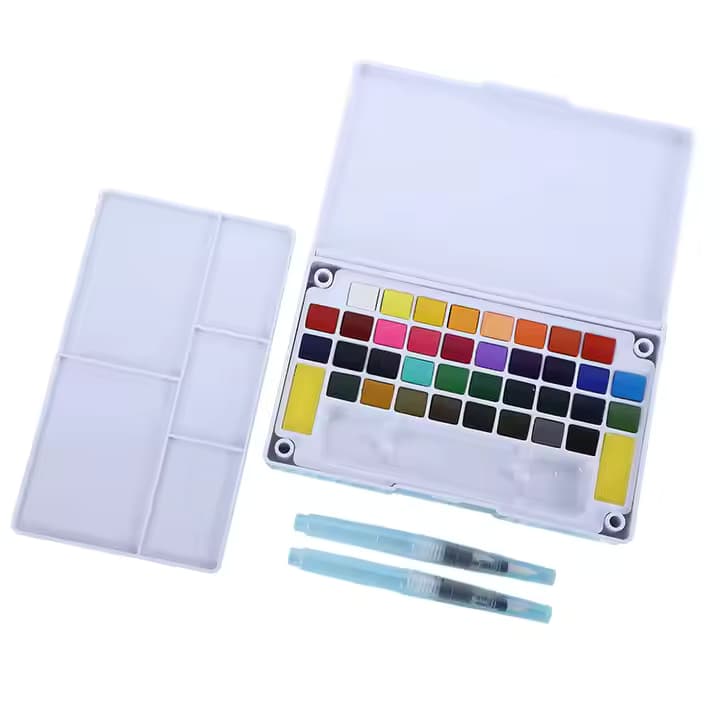
Source a coordinated stationery assortment across office, school, writing, art and selected everyday accessories. Compare item specifications, carton packs, private-label requirements and shipment planning through one enquiry.
Explore this service ↗Information basis: published product information reviewed . Reference details support a sourcing discussion. Current supply, samples and product-specific documents are confirmed for the selected item.