
Polyester minimatt
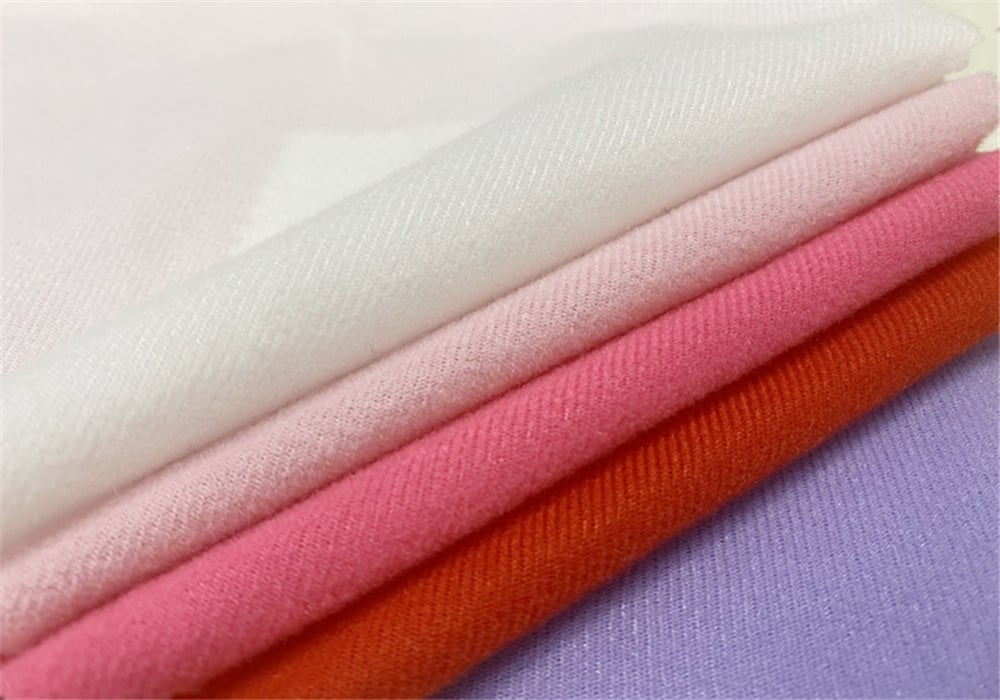
Compare cloth body, opacity and drape for table, apron, curtain or uniform briefs.
Enquire about this range ↗Compare woven and knitted polyester fabrics Develop colour, coating, print and hand for the intended application
Source minimatt, taffeta, cationic woven cloth, brushed tricot, polyester pile, mesh, satin drill and selected gabardine, bird-eye, loop-pile or flag-cloth directions, with colour, print and coating development.
Manufacturing, product documents and order conditions depend on the model and supply route selected for your project.

Start with a product reference, intended use and estimated quantity. We bring product selection, sample questions and quotation details into one conversation.
Email your reference image ↗Choose a focused product or discuss a coordinated assortment. Each direction can be developed into a more specific model and packaging brief.
Compare cloth body, opacity and drape for table, apron, curtain or uniform briefs.
Enquire about this range ↗Identify the coating side, handle, colour and required barrier test before evaluating a coated base.
Enquire about this range ↗Choose a crisp lining or other light woven direction using a physical reference and intended construction.
Enquire about this range ↗Match base cloth and coating specification separately; agree any water-resistance method and acceptance limit.
Enquire about this range ↗Define the desired melange or two-tone appearance, hand and fibre construction before colour sampling.
Enquire about this range ↗Evaluate smooth face, gloss and reverse side for garment or lining conversion.
Enquire about this range ↗Approve face, reverse, pile height and touch for a selected sportswear construction.
Enquire about this range ↗Set brushing side, nap, pilling and wash requirements around a confirmed swatch.
Enquire about this range ↗Compare pile appearance and directional shade under the intended illumination and cutting orientation.
Enquire about this range ↗Specify aperture, stability, stretch direction and usable width for the chosen application.
Enquire about this range ↗Develop artwork at the required scale on the selected pile base; approve the printed hand and shade.
Enquire about this range ↗Quote the base and artwork together with repeat, colour standard and finishing requirements.
Enquire about this range ↗Assess a requested bright colour against a physical standard. Visibility or protective-use compliance needs a scoped test.
Enquire about this range ↗Specify twill appearance, fibre content, mass and required garment performance rather than relying on the family name alone.
Enquire about this range ↗Compare the textured surface, opacity and intended shirt or lining use through a sample.
Enquire about this range ↗Define loop structure, snag resistance and laundering conditions for the end product.
Enquire about this range ↗Match print method, ink system, air permeability and edge conversion to a flag or display brief.
Enquire about this range ↗Review the requested mottled-pile texture, reverse side and surface consistency.
Enquire about this range ↗Use gloss and hand references to distinguish a requested surface effect from a specific finishing or fibre claim.
Enquire about this range ↗Share fibre, bonding process, mass, width and intended use. A current matching construction must be confirmed before quotation.
Enquire about this range ↗Use these options to describe what you are buying. The public references identify your enquiry; the final model and specification are confirmed before an order.

Compare a solid-dyed satin-facing construction for drape, lustre and the intended sewn article. Confirm the finished sample and units before ordering.
A historical bright-knit construction offers a starting point for basketball and sportswear development. Current availability and approved test results require confirmation.
Compare cloth body, opacity and drape for table, apron, curtain or uniform briefs.
Identify the coating side, handle, colour and required barrier test before evaluating a coated base.
Choose a crisp lining or other light woven direction using a physical reference and intended construction.
Match base cloth and coating specification separately; agree any water-resistance method and acceptance limit.
Define the desired melange or two-tone appearance, hand and fibre construction before colour sampling.
Evaluate smooth face, gloss and reverse side for garment or lining conversion.
Approve face, reverse, pile height and touch for a selected sportswear construction.
Set brushing side, nap, pilling and wash requirements around a confirmed swatch.
Compare pile appearance and directional shade under the intended illumination and cutting orientation.
Specify aperture, stability, stretch direction and usable width for the chosen application.
Develop artwork at the required scale on the selected pile base; approve the printed hand and shade.
Quote the base and artwork together with repeat, colour standard and finishing requirements.
Assess a requested bright colour against a physical standard. Visibility or protective-use compliance needs a scoped test.
Specify twill appearance, fibre content, mass and required garment performance rather than relying on the family name alone.
Compare the textured surface, opacity and intended shirt or lining use through a sample.
Define loop structure, snag resistance and laundering conditions for the end product.
Match print method, ink system, air permeability and edge conversion to a flag or display brief.
Review the requested mottled-pile texture, reverse side and surface consistency.
Use gloss and hand references to distinguish a requested surface effect from a specific finishing or fibre claim.
Share fibre, bonding process, mass, width and intended use. A current matching construction must be confirmed before quotation.
These are separate construction and development references, not one interchangeable specification. Linear mass and area mass are different units. We coordinate independent sourcing; current supply, conversion route, finished samples and order conditions are confirmed individually.
Focus the sourcing conversation on the features, materials and production details that make a difference to your product range.
Compare lustre, drape, pile, brushing and mesh openness with the sewn product rather than choosing by a fabric-family name alone.
Specify the substrate, coating side, artwork or colour standard and required hand in a single technical brief.
Identify composition, finished width, mass basis, shade tolerance and test methods before sample and bulk approval.
Bring artwork, reference samples and a target cost. The available process, minimum quantity, sample charges and development scope are reviewed for the chosen option.
Provide a physical colour reference or colour-book reference, artwork file, repeat size and placement. Lab dips and print sampling depend on the chosen construction.
Discuss coating, calendering, antistatic or flame-retardant development where feasible. Set performance, durability and test conditions; availability of a finish does not establish compliance.
Request the target finished mass and usable width, then agree roll length, core, protective wrapping, labels and shipment packing for the confirmed article.
Agree which product characteristics need testing and how the approved sample relates to the bulk order.
Review fibre content, weave or knit, yarn, usable width and whether mass is quoted per metre or per square metre.
Check face/reverse, directional shade, print alignment, nap, defects and seam behaviour against an approved sample.
Agree shrinkage, colourfastness, pilling, snagging or barrier tests as appropriate. Protective, outdoor or regulated uses need their own current evidence.
Test capability is a starting point for the inspection plan. Request the method, applicable model and results needed for your order.
Request documents that identify the exact construction, supplying arrangement and intended end use.
State the sales market, intended users and required files in your first enquiry. Current validity and scope are checked for the selected supplier and product; a category description does not certify every item.
Share your document requirements ↗Your sales channel changes the assortment, packaging and quality priorities. Tell us the intended use as well as the product name.
Develop smooth, bright, brushed or pile constructions around drape, touch, opacity, seam and laundering requirements.
Compare woven and printed directions for table covers, aprons, curtains, cushions or other specified interior conversions.
Evaluate mesh or flag bases for the selected print route; assess coated or functional briefs against an agreed performance specification.
Samples, commercial terms and responsibilities are agreed for the project. Use the same product and packing specification when comparing quotations.
Product, reference image, quantity, sales market and timing.
Review configuration, materials, sample scope and relevant documents.
Agree artwork, packaging, sample, testing and inspection criteria.
Set price, payment, production, delivery and defect remedies in writing.
Practical answers about this sourcing direction, customization and the reference options. Your agreed specification and written quotation determine the actual order.
No. Several selected references are polyester. We confirm fibre composition for each construction before quoting.
Send the intended application and a swatch if possible. We compare body, hand, opacity, mass, usable width and the required finish.
We can coordinate colour matching and print development on a confirmed base. Send the colour standard, artwork, repeat and target order quantity.
Yes, as a development enquiry. The substrate, finish, test method, target result and durability conditions must be agreed and verified for the chosen article.
Its listed unit is 240 g/m, a linear-mass unit. We will confirm the agreed mass basis and finished specification; it should not be relabelled as gsm.
Nonwoven enquiries can be assessed separately. Please provide fibre, bonding process, mass, width and end use so a current matching option can be verified.
These depend on the selected fabric, colour, finish, quantity and current production plan. The quotation will specify the confirmed minimums, sample charges and timing.
Send end use, composition, structure or reference swatch, mass with units, usable width, colour or artwork, finish, testing requirements, quantity and packing preferences.
Factory Sourcing Hub handles this enquiry as an independent sourcing and trading service. The product route, supplier suitability, sample scope and order responsibilities are agreed for the actual project.
Send the product reference, quantities per variation, customization and packaging. Prices, minimums, sample charges and delivery dates are confirmed in a current quotation; the page is not a live inventory or price feed.
Yes. State whether you need a reference sample, a customized sample or development work. Agree the sample cost and shipping, approval specification, inspection plan and remedy for non-conforming goods before the bulk order.
Reference images, drawings, logo artwork and a product list are useful. Include quantities, the intended users and sales market, packaging, required documents and timing. After submitting the form, email attachments to kunhuow@gmail.com with your enquiry reference.
A reference picture or a short description is enough to begin. Add the details you already know; the optional fields help make the follow-up more useful.
Download the enquiry checklist ↓
Independent sourcing and trading service. Supplier choice, service costs and order conditions are discussed for your project.
Product selection, customization, samples and quotation enquiries.
Compare separate product ranges and prepare a brief that fits your assortment.
Source polyester microfiber bedding fabrics, pongee and tricot mattress fabrics, loop and soft velvet, sports tricot, mesh, bag and upholstery directions, print and emboss effects, requested functional finishes and selected quilted or converted home textiles.
Explore this service ↗
Compare polyester microfiber, brushed, printed, dyed, embossed, satin and jacquard fabrics alongside selected curtain, upholstery, vehicle-seat and bedding directions. Coordinate samples, development and packing through one enquiry.
Explore this service ↗
Source nylon and polyester fabric requests, coating and print development, light downwear-shell references, casualwear and womenswear directions, outdoor or marine-cover materials and selected temperature-responsive or conductive textile enquiries.
Explore this service ↗
Source polyester microfiber and brushed bedsheet fabric, disperse or pigment printed textiles, solid dyed cloth, ultrasonic embossed material, apparel fabric and bed linen projects. Coordinate samples, colour, construction, testing and packing around your collection.
Explore this service ↗Information basis: published product information reviewed . Reference details support a sourcing discussion. Current supply, samples and product-specific documents are confirmed for the selected item.