
Nylon and polyester cloth
Compare the original fibre directions through composition, construction, hand and final application.
Enquire about this range ↗Develop nylon and polyester textiles for the intended product Compare coating, print, lightweight shells and functional directions
Source nylon and polyester fabric requests, coating and print development, light downwear-shell references, casualwear and womenswear directions, outdoor or marine-cover materials and selected temperature-responsive or conductive textile enquiries.
Manufacturing, product documents and order conditions depend on the model and supply route selected for your project.

Start with a product reference, intended use and estimated quantity. We bring product selection, sample questions and quotation details into one conversation.
Email your reference image ↗Choose a focused product or discuss a coordinated assortment. Each direction can be developed into a more specific model and packaging brief.
Compare the original fibre directions through composition, construction, hand and final application.
Enquire about this range ↗Develop a selected base with the required surface treatment, artwork and performance approval.
Enquire about this range ↗Assess a light grid or high-density garment shell against down leakage, seams, strength and laundering targets.
Enquire about this range ↗Select drape, touch, elasticity, recovery, colour and print effects through a fabric and sewing sample.
Enquire about this range ↗Define weathering, UV, water, tear and abrasion requirements for the actual exposure and construction.
Enquire about this range ↗Evaluate a colour-change coating sample at defined temperatures, viewing conditions and durability tests.
Enquire about this range ↗Use a scoped technical and document brief for antistatic construction or declared recycled-material needs.
Enquire about this range ↗Use these options to describe what you are buying. The public references identify your enquiry; the final model and specification are confirmed before an order.

A lightweight nylon grid direction can be assessed for a down-filled garment shell. Confirm yarn construction, finished mass, usable width, seam behaviour and down-leakage testing on the selected sample.
Explore a colour-change textile with an agreed activation range, base shade and wash or abrasion test plan. A reported demonstration is a development reference, not a guaranteed tolerance.
Choose nylon construction by intended shell, lining or other conversion use, with denier, weave, finished mass and width confirmed.
Compare composition, drape, touch, opacity and dimensional stability with the intended garment or textile application.
Define the base material, coating side, hand and desired barrier or appearance function before testing a construction.
Provide artwork, repeat, colour reference and fabric base; approve the print hand, alignment and colourfastness through a sample.
Compare stretch direction, recovery, touch and drying performance against a physical sample for casual apparel.
Set the required water resistance, moisture transport, UV, tear and abrasion test criteria for the intended outdoor construction.
Review density, hand, down containment, seam design and laundering requirements for a selected lightweight garment-shell project.
Match drape, surface appearance, composition, colour and sewing behaviour to the design and season.
Review a conductive-yarn brief for an antistatic textile application. Fibre composition, conductive construction, electrical resistance, durability and any workwear approval need current confirmation.
Assess a yarn-based cover-cloth direction for a boat or yacht project with specified UV, weathering, water and strength tests. Exposure durability requires evidence for the current material.
Discuss a recycled-content or traceability requirement alongside fibre specification and order documents. The exact current certification and transaction scope must be verified.
These directions and exhibition references support a technical enquiry; they are not a list of ready-stock articles. The exact supplying route, present construction, availability and performance evidence require confirmation. We coordinate independent fabric sourcing and development without transferring a source enterprise’s certifications or brand relationships.
Focus the sourcing conversation on the features, materials and production details that make a difference to your product range.
A downwear shell, fashion cloth, boat cover and conductive textile need different selection criteria. Build the brief around the finished product and exposure.
Approve colour, print, coating hand or temperature response on the selected cloth rather than treating the finish as interchangeable across substrates.
Identify the expected appearance, comfort, strength, weathering or electrical criteria and the documents needed to approve a production quotation.
Bring artwork, reference samples and a target cost. The available process, minimum quantity, sample charges and development scope are reviewed for the chosen option.
Share the fibre direction, swatch, weave or grid, colour reference, artwork and desired hand. Exact blend, count, mass and finished width must be specified.
State the intended temperature response, UV exposure, water or moisture behaviour, stretch, antistatic target and test conditions. Feasibility and measured performance depend on the selected construction.
Agree swatch, trial yardage or garment-test needs, shade approval, roll format, protective packing, batch labels and shipment requirements through the quotation.
Agree which product characteristics need testing and how the approved sample relates to the bulk order.
Assess composition, mass, usable width, weave or density, shade, defects, seam behaviour and dimensional change on an approved construction.
Choose the relevant wash, abrasion, tear, down-leakage, weathering, temperature-response or electrical-resistance method and acceptance limit.
Check the exact material and legal supplying scope behind any recycled-content, special-use or certification request before using the claim commercially.
Test capability is a starting point for the inspection plan. Request the method, applicable model and results needed for your order.
Ask for documents tied to the exact current construction and intended application.
State the sales market, intended users and required files in your first enquiry. Current validity and scope are checked for the selected supplier and product; a category description does not certify every item.
Share your document requirements ↗Your sales channel changes the assortment, packaging and quality priorities. Tell us the intended use as well as the product name.
Develop a selected nylon, polyester, elastic or printed direction around appearance, hand, fit and laundering behaviour.
Evaluate grid or high-density shell directions with fill compatibility, seam design, strength and down-leakage tests.
Review marine-cover, functional-coated, temperature-responsive or conductive directions against the actual use environment and approval requirements.
Samples, commercial terms and responsibilities are agreed for the project. Use the same product and packing specification when comparing quotations.
Product, reference image, quantity, sales market and timing.
Review configuration, materials, sample scope and relevant documents.
Agree artwork, packaging, sample, testing and inspection criteria.
Set price, payment, production, delivery and defect remedies in writing.
Practical answers about this sourcing direction, customization and the reference options. Your agreed specification and written quotation determine the actual order.
Nylon, polyester, coated and printed cloth are core directions. We can also assess casualwear, womenswear, lightweight shells, outdoor covers and selected functional-development briefs.
No. The reference is designated 7D, which is a yarn-density designation rather than fabric area mass. The exact yarn, finished mass and construction must be confirmed.
Yes. Share the required response range, base colour and application. A reported 28 °C demonstration provides a reference; the current sample and its tolerances need approval.
Performance depends on the precise material and finish. We agree the intended exposure, test methods, durability and acceptance criteria before using any claim.
They require a separate review of composition, electrical performance, laundering durability and relevant intended-use requirements. A conductive-yarn reference alone does not establish medical or protective approval.
We can coordinate evaluation of a defined base, print or coating brief. Send artwork, repeat, colour standard, finish target and intended order quantity.
They must be checked for the exact supplying scope and order. We request current traceability and transaction documents rather than relying on an expired listing or a general label.
These remain quotation-specific. Send quantity per colour, construction, finish, sample requirement, tests and packing needs so present minimums, charges and timing can be confirmed.
Factory Sourcing Hub handles this enquiry as an independent sourcing and trading service. The product route, supplier suitability, sample scope and order responsibilities are agreed for the actual project.
Send the product reference, quantities per variation, customization and packaging. Prices, minimums, sample charges and delivery dates are confirmed in a current quotation; the page is not a live inventory or price feed.
Yes. State whether you need a reference sample, a customized sample or development work. Agree the sample cost and shipping, approval specification, inspection plan and remedy for non-conforming goods before the bulk order.
Reference images, drawings, logo artwork and a product list are useful. Include quantities, the intended users and sales market, packaging, required documents and timing. After submitting the form, email attachments to kunhuow@gmail.com with your enquiry reference.
A reference picture or a short description is enough to begin. Add the details you already know; the optional fields help make the follow-up more useful.
Download the enquiry checklist ↓
Independent sourcing and trading service. Supplier choice, service costs and order conditions are discussed for your project.
Product selection, customization, samples and quotation enquiries.
Compare separate product ranges and prepare a brief that fits your assortment.

Compare selected cotton, polyester-cotton, nylon-cotton and stretch workwear fabrics, plus outdoor printed, coated and functional-finish development directions with sample-led specification coordination.
Explore this service ↗
Source polyester microfiber and brushed bedsheet fabric, disperse or pigment printed textiles, solid dyed cloth, ultrasonic embossed material, apparel fabric and bed linen projects. Coordinate samples, colour, construction, testing and packing around your collection.
Explore this service ↗
Compare polyester microfiber, brushed, printed, dyed, embossed, satin and jacquard fabrics alongside selected curtain, upholstery, vehicle-seat and bedding directions. Coordinate samples, development and packing through one enquiry.
Explore this service ↗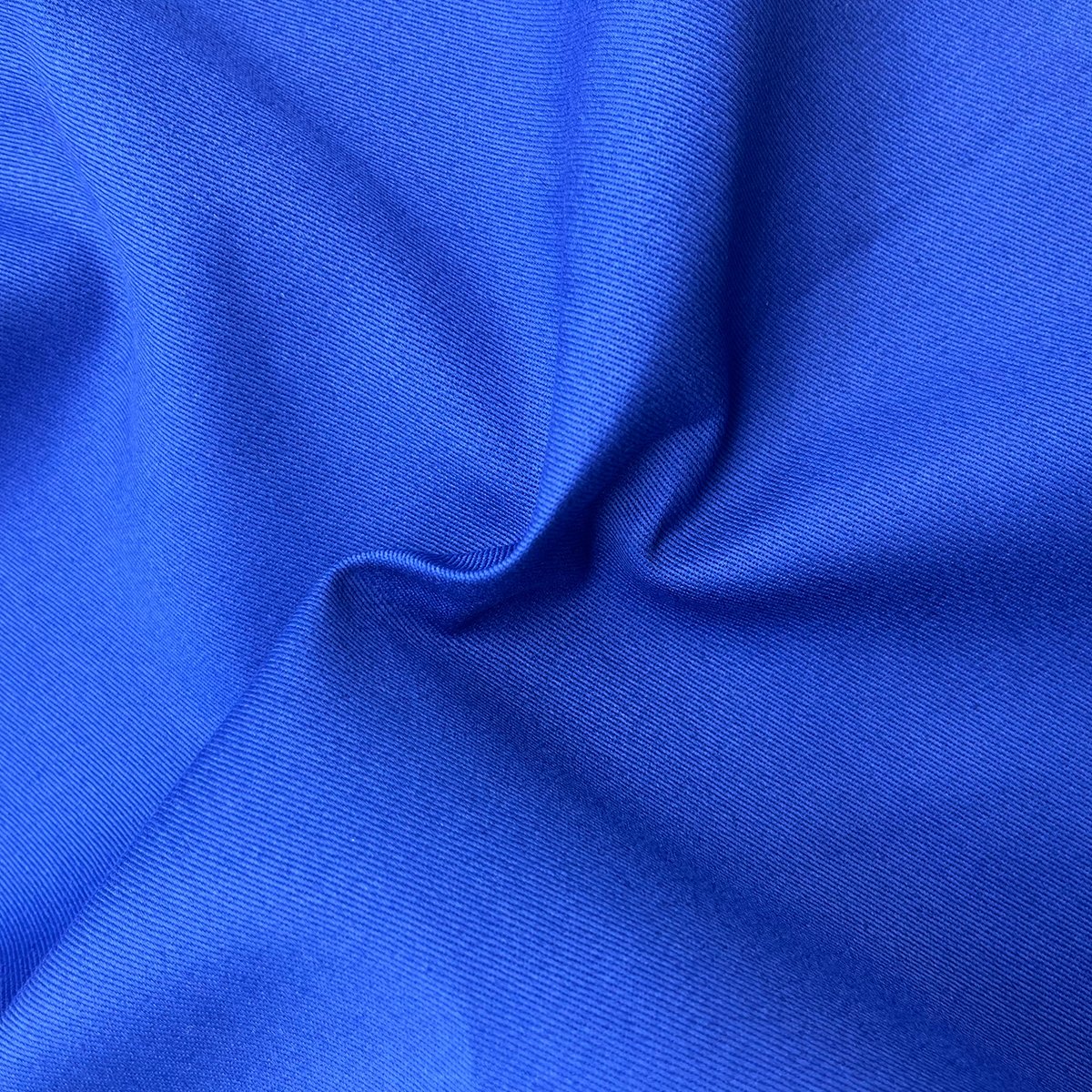
Source workwear and uniform fabrics in cotton, polycotton, viscose, nylon/cotton and stretch directions. Compare twill, canvas, ripstop, printed and institutional textile references, with sampling, finishing, testing and packing coordinated around your brief.
Explore this service ↗Information basis: published product information reviewed . Reference details support a sourcing discussion. Current supply, samples and product-specific documents are confirmed for the selected item.