Independent B2B sourcing · One trading contactkunhuow@gmail.com ↗
FACTORY SOURCING HUBProduct sourcing for business buyers
Get a quote ↗
Home/Textiles & Fabrics/Workwear, Stretch, Printed & Functional Fabric Sourcing
Cotton and polycotton · viscose blends · stretch · ripstop and canvas · printed fabric · functional development

Choose workwear cloth by construction and use. Develop colour, print, stretch and finishing together.

Workwear, Stretch, Printed & Functional Fabric Sourcing

Source workwear and uniform fabrics in cotton, polycotton, viscose, nylon/cotton and stretch directions. Compare twill, canvas, ripstop, printed and institutional textile references, with sampling, finishing, testing and packing coordinated around your brief.

  • Compare cotton, blended and stretch constructions using traceable reference specifications.
  • Develop plain shades and authorized printed designs around the selected base cloth.
  • Define end-use tests, sample approval and packing before committing to bulk.

Manufacturing, product documents and order conditions depend on the model and supply route selected for your project.

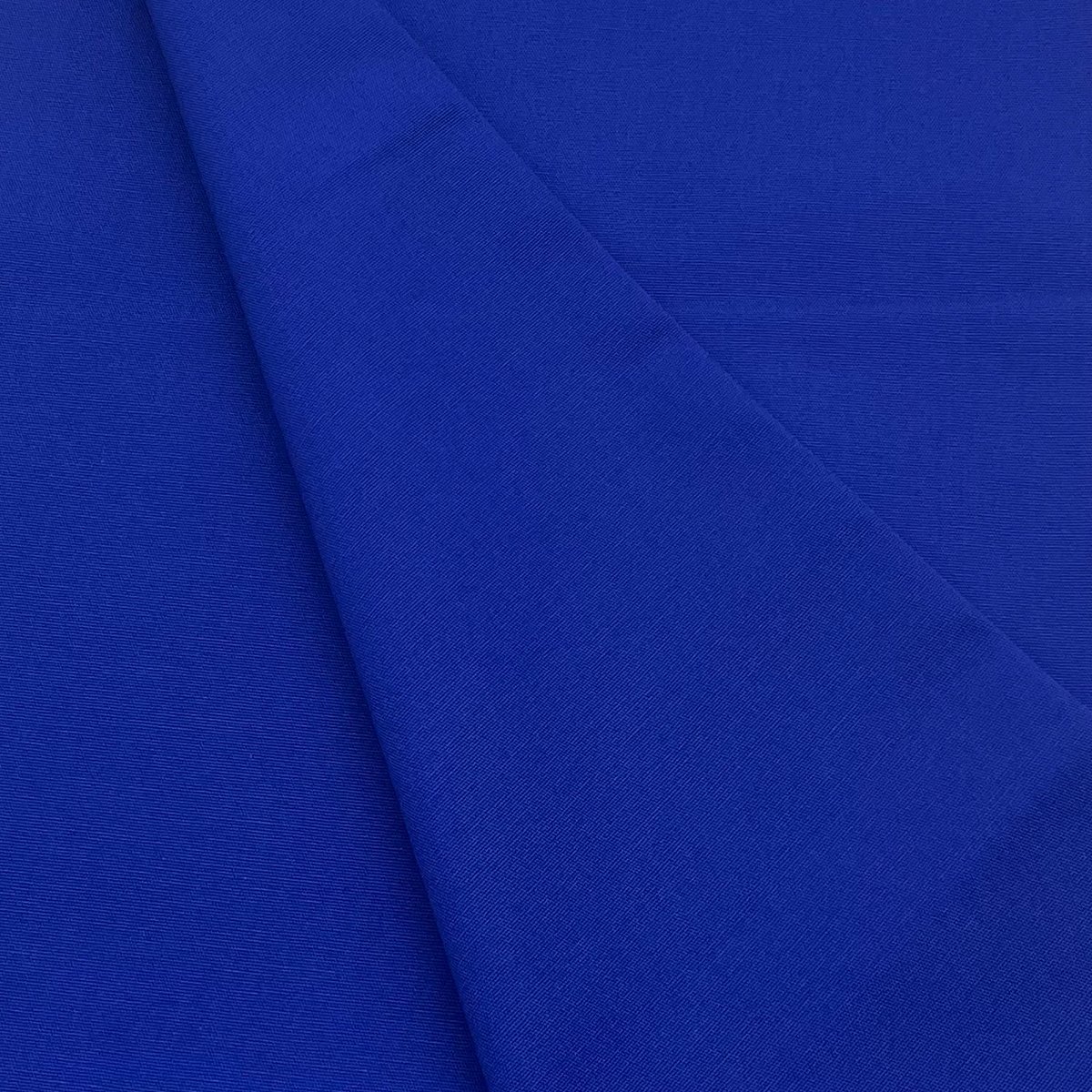
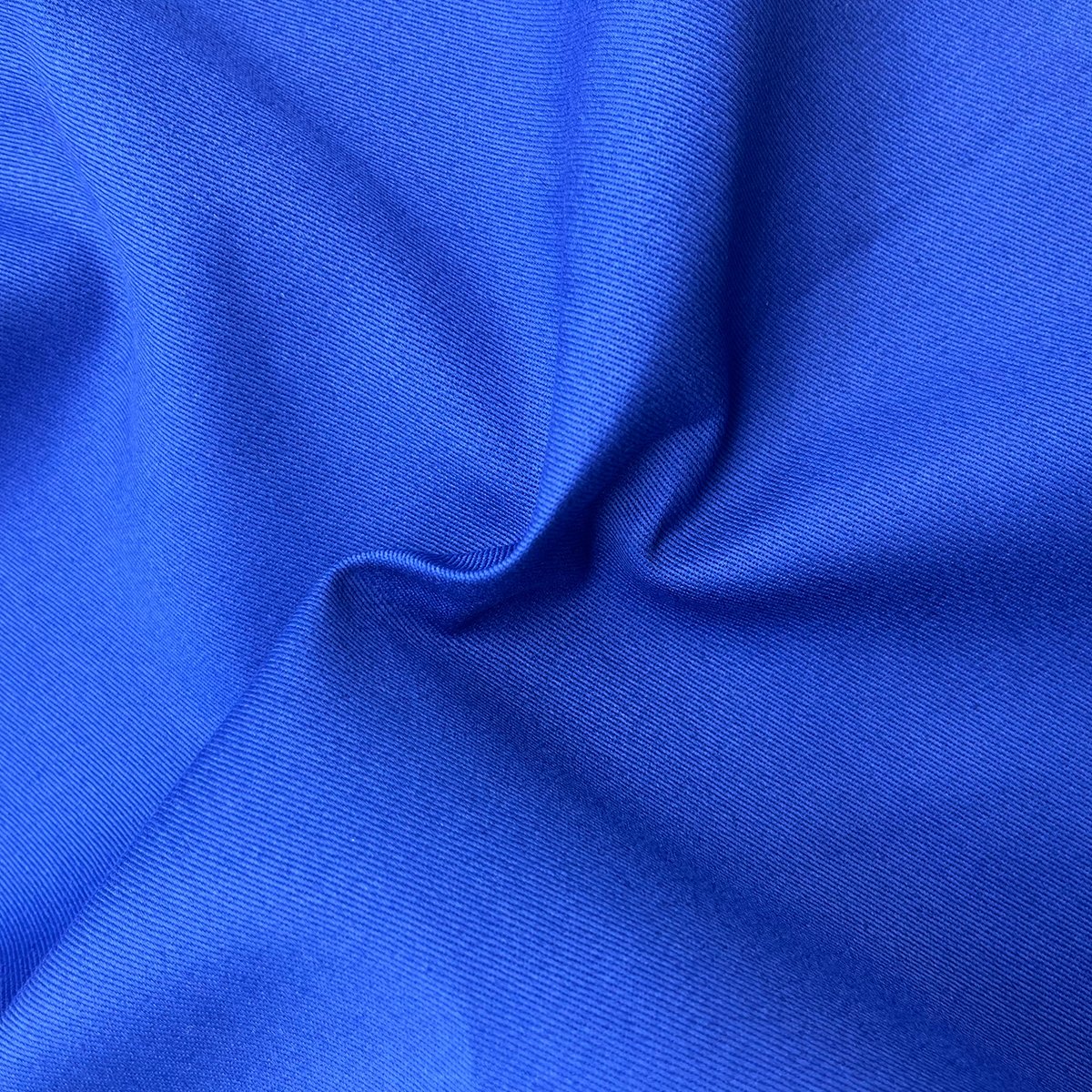
Blue cotton twill fabric texture
Cotton twill appearance reference. Confirm fibre specification, shade, usable width, finish and the approved physical sample for your order.

Start with a product reference, intended use and estimated quantity. We bring product selection, sample questions and quotation details into one conversation.

Email your reference image ↗
Construction choicesTwill · canvas · poplin · ripstop · herringbone
Material directionsCotton · polycotton · viscose · nylon/cotton · stretch blends
Development scopeDyeing · printing · finishing · stock-colour enquiries
Reference formatItem-specific composition, weight, listed width and construction
Explore the product range

Build the range
your buyers need.

Choose a focused product or discuss a coordinated assortment. Each direction can be developed into a more specific model and packaging brief.

Cotton, cotton-rich and polycotton workwear cloth

Compare full-cotton, cotton-rich and polyester/cotton constructions for the intended uniform. Twill, plain weave, canvas, poplin, herringbone and ripstop directions cover different hands and appearances. Specify composition, yarn, density, weight and usable width. Match the fabric to garment construction, care and strength requirements with an approved swatch.

Enquire about this range ↗

Polyester, viscose and nylon/cotton directions

Polyester, polyester/viscose and nylon/cotton enquiries can be discussed alongside conventional workwear materials. Send the target blend, construction, drape and laundering conditions. Select exact materials by sample and technical sheet; a product-family name does not mean every blend ratio, weight or colour is stocked.

Enquire about this range ↗

Stretch and mechanical-stretch development

Stretch directions include cotton/spandex, polycotton/spandex, polyester/viscose/spandex and mechanical-stretch material. Define stretch direction, extension, recovery, garment fit and care. Assess the actual construction after laundering. Do not treat spandex content or an elastic-yarn name as a guaranteed extension percentage.

Enquire about this range ↗

Lyocell and bamboo-derived blends

Alternative blend development includes cotton/polyester/lyocell and polyester with bamboo-labelled fibre. Confirm the exact fibre classification and blend percentages for labelling. Review softness, drape, opacity and care on the actual sample. Fibre origin alone does not establish antibacterial action, biodegradability or a quantified environmental benefit.

Enquire about this range ↗

Dyed, bleached and business-wear fabrics

Plain shades, bleached materials, twill and plain business-wear directions can be coordinated to a uniform range. Supply the shade standard, hand and construction. Agree lab-dip approval, bulk shade variation, dimensional stability and care conditions. Corporate clothing enquiries should also consider drape, opacity and garment appearance after cleaning.

Enquire about this range ↗

Custom printed and camouflage-patterned fabrics

Printed ranges include twill, canvas and ripstop bases with multicolour or digital-style patterns. Submit authorized artwork, repeat, scale and colour references. Approve a strike-off on the selected fabric. Pattern appearance does not establish camouflage effectiveness, infrared behaviour or rights to reproduce another design.

Enquire about this range ↗

Flame-retardant finishing enquiries

Flame-retardant fabric development requires the exact use, applicable standard, care procedure and performance target. Select the base construction and treatment together, then request relevant testing on the finished material. Fabric evidence, laundering durability and finished-garment obligations should be reviewed separately before protective claims are made.

Enquire about this range ↗

Antistatic and ESD fabric enquiries

Antistatic material directions include different fibre blends and stretch constructions. Define electrical properties, test method, intended environment and laundering cycle. Confirm the conductive or antistatic component and its distribution on the selected sample. A category label does not establish suitability for every ESD, explosive-atmosphere or protective-clothing application.

Enquire about this range ↗

Water, oil, stain and soil-release finishing

Specify the liquid or soil, desired result, test method and care durability for a repellent, stain-resistant or soil-release brief. These are different finishing objectives. Match finish and base cloth to the end use and request selected-material evidence; surface water repellency alone does not mean a waterproof or chemical-protective barrier.

Enquire about this range ↗

Wicking, easy-care and laundering development

Moisture-management, wrinkle-control and chlorine-bleach-resistance enquiries should state the actual use and cleaning process. Define appearance and performance acceptance after care. Compare the selected sample with the control standard. No universal drying, crease-recovery or bleach-cycle result is implied across different blends and finishes.

Enquire about this range ↗

Fluorescent, UV and other specialist finishes

Fluorescent shades, UV-control, antimicrobial, insect-control and other specialist finishing directions need a specific performance and regulatory brief. Confirm the exact treatment and selected-sample evidence. Fluorescent colour alone does not certify a high-visibility garment, and a functional description does not establish health, protective or environmental claims.

Enquire about this range ↗

Uniform, scrub and institutional sheet fabrics

Printed cotton and polycotton material directions include lighter plain and twill constructions, stripes and other designs for uniforms and institutional bed linen. State the required opacity, hand, laundering and dimensions. This is a fabric supply brief; medical barrier, sterile, infection-control or finished-garment certification requires separate evaluation.

Enquire about this range ↗

Stock-colour and repeat-order programmes

Existing colour cards can help shortlist trial or repeat fabrics. Ask for current shade and quantity availability, reserve the chosen lot and confirm the matching standard. Published colour counts and stock descriptions change; agree the actual construction, available metres, cutting format and replenishment plan in the quotation.

Enquire about this range ↗

Tent, netting and specialist technical textiles

Tent materials, camouflage netting and specialist technical textile projects require a separate application brief. Provide construction drawings, dimensions, environment, finish and acceptance criteria. Aerospace or other demanding uses need project-specific material qualification and supply review. No ready specification, institutional approval or guaranteed performance is offered for these specialist enquiries.

Enquire about this range ↗
Reference product directions

Start with a product.
Define the details.

Use these options to describe what you are buying. The public references identify your enquiry; the final model and specification are confirmed before an order.

Cotton workwear twill · 230 GSM sourcing illustration
REFERENCE 0241-01

Cotton workwear twill · 230 GSM

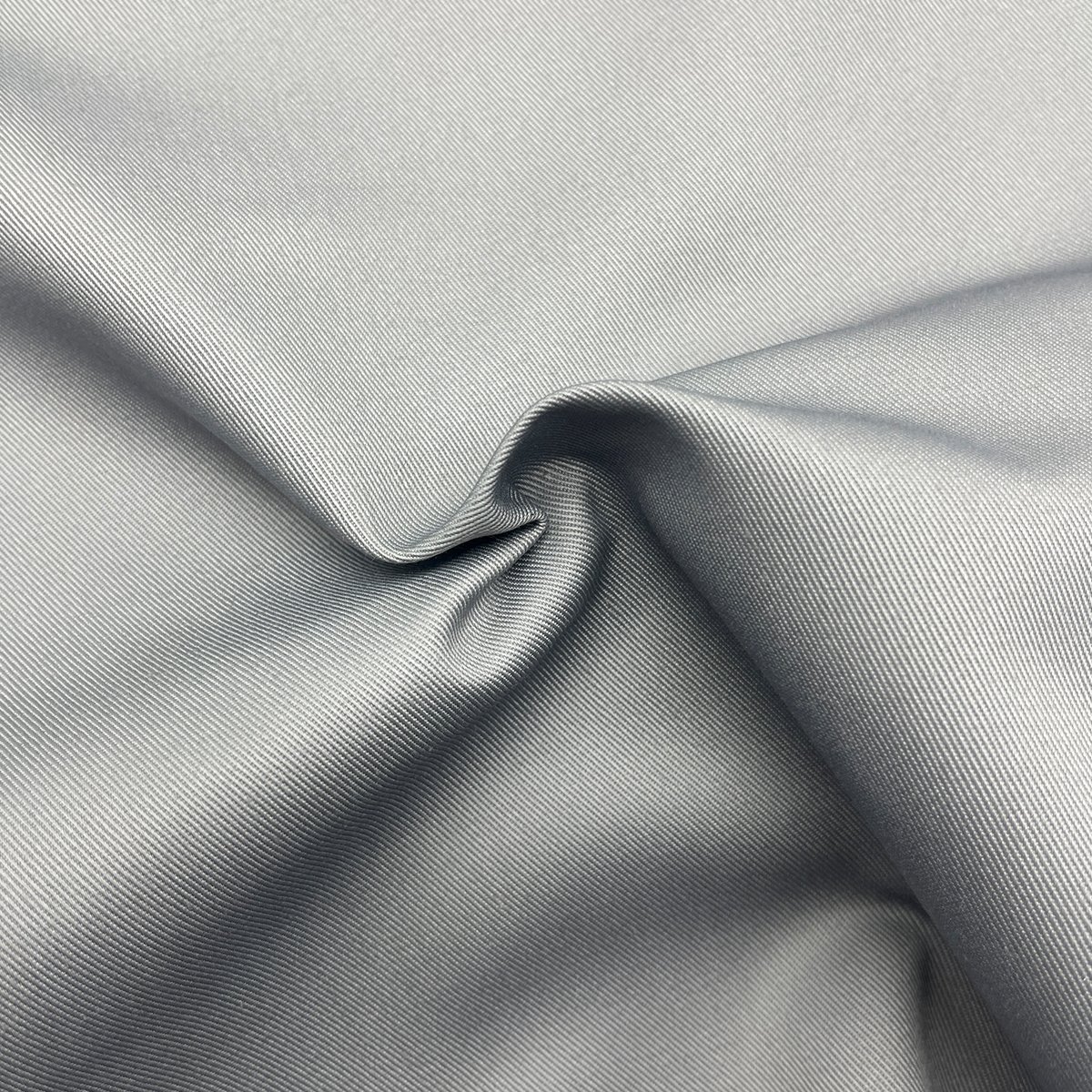
A cotton twill reference for uniform and workwear development. Review hand, shade, dimensional stability and the intended wash programme. Listed width and weight describe this construction; confirm usable width and order tolerance on the approved sample.

Composition
100%cotton
Construction
3/1twill
Reference weight
230±5GSM
Listed width
58/60"
Discuss this option ↗
Cotton canvas · 265 GSM sourcing illustration
REFERENCE 0241-02

Cotton canvas · 265 GSM

A plain-weave cotton canvas direction for garments and related workwear accessories. Confirm strength, abrasion, shade and care acceptance for the intended item. Cutting yield and finished garment construction require the actual usable width and shrinkage data.

Composition
100%cotton
Construction
1/1plain
Reference weight
265±5GSM
Listed width
58/60"
Discuss this option ↗
Cotton ripstop · 160 GSM sourcing illustration
REFERENCE 0241-03

Cotton ripstop · 160 GSM

A lighter cotton ripstop reference. Inspect the reinforcement pattern, hand and face on a physical sample. Ripstop describes construction; any required tear or tensile performance needs a defined test and acceptance value.

Composition
100%cotton
Construction
1/1plain
Reference weight
160±5GSM
Listed width
58/60"
Discuss this option ↗
Polycotton canvas · 210 GSM sourcing illustration
REFERENCE 0241-04

Polycotton canvas · 210 GSM

A polyester/cotton plain-weave direction for uniform and workwear projects. Match the shade and hand to the garment. Specify laundering, colourfastness and seam requirements before comparing bulk quotations.

Composition
65%polyester 35%cotton
Construction
1/1plain
Reference weight
210±5GSM
Listed width
58/60"
Discuss this option ↗
Cotton-rich heavy twill · 310 GSM sourcing illustration
REFERENCE 0241-05

Cotton-rich heavy twill · 310 GSM

A cotton-rich ring-spun twill reference for heavier workwear briefs. Agree finishing, strength and care requirements with the selected fabric. Yarn and density are retained as listed references; confirm their measurement convention in the technical sheet.

Composition
60%Cotton 40%Polyester
Construction
3/1 twill
Reference weight
310±5GSM
Listed width
58/60"
Listed yarn
10 × 10
Listed density
80 × 46
Discuss this option ↗
Cotton-rich herringbone · 150 GSM sourcing illustration
REFERENCE 0241-06

Cotton-rich herringbone · 150 GSM

A herringbone construction adds a woven pattern direction to a uniform collection. Review the actual pattern scale, shade and handle. Coordinate finished garment appearance, care and dimensional tolerances before approval.

Composition
60%Cotton 40%Polyester
Construction
herringbone
Reference weight
150±5GSM
Listed width
58/60"
Listed yarn
45 × 32
Listed density
140 × 100
Discuss this option ↗
Polycotton spandex twill · 240 GSM sourcing illustration
REFERENCE 0241-07

Polycotton spandex twill · 240 GSM

A stretch twill direction with a peach-skin surface brief. Confirm surface finish, extension and recovery on the actual sample. Yarn notation is left to the technical sheet because the published mixed count/denier notation requires clarification.

Composition
65%Polyester 32%cotton 3%Spandex
Construction
3/1 twill
Reference weight
240±5GSM
Listed width
58/60"
Listed density
120 × 60
Discuss this option ↗
Polyester rayon spandex twill · 150 GSM sourcing illustration
REFERENCE 0241-08

Polyester rayon spandex twill · 150 GSM

A lighter stretch blend for uniform and business-wear enquiries. Define drape, hand, opacity and care. Test recovery and dimensional change for the intended garment; stretch content alone does not establish a particular extension percentage.

Composition
65%Polyester 32%Rayon 3%Spandex
Construction
3/1 twill
Reference weight
150±5GSM
Listed width
58/60"
Listed density
90 × 64
Discuss this option ↗
Cotton spandex canvas · 210 GSM sourcing illustration
REFERENCE 0241-09

Cotton spandex canvas · 210 GSM

A cotton-rich stretch canvas reference. Review stretch direction, recovery and garment fit with the sample. Specify shade, dimensional stability and strength acceptance before bulk production.

Composition
97%cotton 3%spandex
Construction
1/1plain
Reference weight
210±5GSM
Listed width
58/60"
Discuss this option ↗
Cotton polyester lyocell twill · 240 GSM sourcing illustration
REFERENCE 0241-10

Cotton polyester lyocell twill · 240 GSM

A three-fibre blend direction for workwear and uniform development. The published material table does not give blend percentages, so composition ratios must be confirmed on the selected technical sheet. Review hand, shade and care against your garment brief.

Composition
Cotton Polyester Lyocell blend
Construction
twill
Reference weight
240±5GSM
Listed width
58/60"
Listed yarn
20 × 16
Listed density
128 × 60
Discuss this option ↗
Polyester and bamboo-derived blend · 150 GSM sourcing illustration
REFERENCE 0241-11

Polyester and bamboo-derived blend · 150 GSM

A polyester and bamboo-labelled material direction. Confirm the exact fibre classification and composition declaration before preparing labels. The listing does not establish natural bamboo-fibre processing or antibacterial performance.

Composition
Polyester bamboo
Construction
twill
Reference weight
150±5GSM
Listed width
58/60"
Listed density
108 × 88
Fibre declaration
Confirm exact bamboo-derived fibre classification and blend ratio
Discuss this option ↗
Polyester-warp cotton-weft twill · 235 GSM sourcing illustration
REFERENCE 0241-12

Polyester-warp cotton-weft twill · 235 GSM

A woven fabric with polyester in the warp and cotton in the weft. This is a directional yarn description, not two overall composition percentages. Request the tested total blend ratio and assess face, hand and care on the chosen sample.

Composition
100%polyester(warp) 100%Cotton(weft)
Construction
3/1twill
Reference weight
235±5GSM
Listed width
58/60"
Listed density
108 × 54
Discuss this option ↗
Cotton printed twill · 230 GSM sourcing illustration
REFERENCE 0241-13

Cotton printed twill · 230 GSM

A patterned cotton twill reference. Develop the design with authorized artwork, repeat and colour standards. No infrared, concealment or other special performance is implied by the printed appearance; any such requirement needs separate technical review.

Composition
100%cotton
Construction
3/1twill
Reference weight
230±5GSM
Listed width
58/60"
Discuss this option ↗
Polycotton pigment-printed twill · 235 GSM sourcing illustration
REFERENCE 0241-14

Polycotton pigment-printed twill · 235 GSM

A pigment-print direction for workwear and outdoor patterned textiles. Confirm motif ownership, colourway, repeat and strike-off approval. Define rubbing and washing acceptance on the actual printed fabric.

Composition
65%polyester 35%cotton
Construction
3/1twill
Reference weight
235±5GSM
Listed width
58/60"
Discuss this option ↗
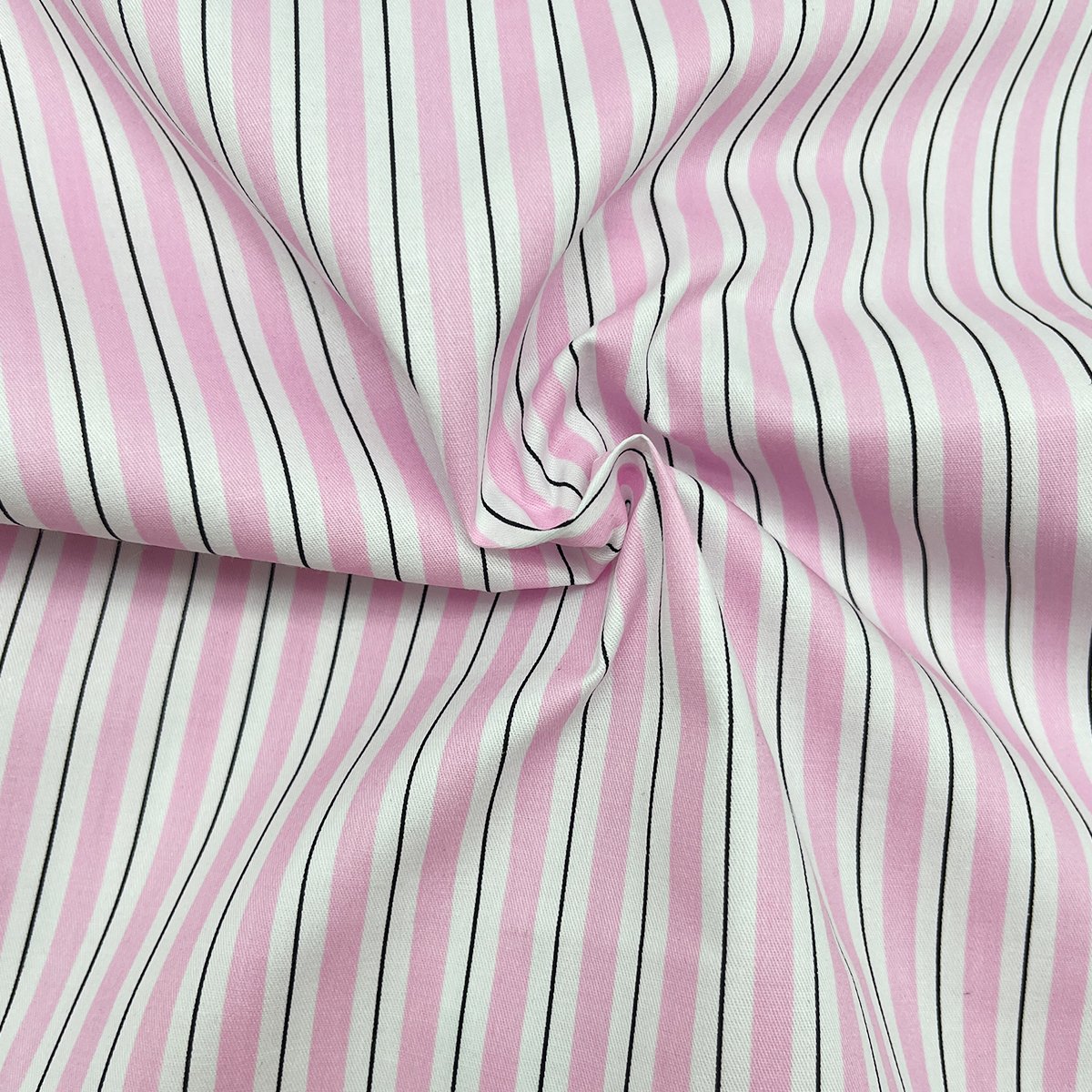
Printed cotton stripe fabric · 115 GSM sourcing illustration
REFERENCE 0241-15

Printed cotton stripe fabric · 115 GSM

A lighter printed cotton construction for uniform and bed-linen material briefs. Review pattern registration, hand, opacity and wash stability. The fabric description does not establish a medical barrier or infection-control function.

Composition
100%cotton
Construction
2/1twill
Reference weight
115±5GSM
Listed width
58/60"
Listed yarn
40 × 40
Listed density
133 × 72
Discuss this option ↗
Printed cotton plain weave · 135 GSM sourcing illustration
REFERENCE 0241-16

Printed cotton plain weave · 135 GSM

A printed plain-weave cotton reference for garment or institutional textile development. Match design, dimensions and laundering requirements to the finished item. Confirm selected-sample fastness and shrinkage before cutting or bulk supply.

Composition
100%cotton
Construction
1/1plain
Reference weight
135±5GSM
Listed width
58/60"
Listed yarn
20 × 20
Listed density
60 × 60
Discuss this option ↗
Equal-blend satin twill · 170 GSM sourcing illustration
REFERENCE 0241-17

Equal-blend satin twill · 170 GSM

A polyester/cotton satin-twill material direction for uniform and bed-sheet fabric enquiries. Review surface, opacity and hand. Confirm colour, care and dimensional stability on the actual selected construction.

Composition
50%polyester 50%cotton
Construction
satin twill
Reference weight
170±5GSM
Listed width
58/60"
Listed yarn
30 × 30
Listed density
133 × 76
Discuss this option ↗
Cotton twill for flame-retardant development · 230 GSM sourcing illustration
REFERENCE 0241-18

Cotton twill for flame-retardant development · 230 GSM

A cotton twill listed for flame-retardant finishing. Provide the exact end use, standard, laundering cycle and required test results. This reference does not establish a protective clothing rating; evaluate the selected finished fabric and garment requirements separately.

Composition
100%cotton
Construction
3/1 twill
Reference weight
230±5GSM
Listed width
58/60"
Listed yarn
20 × 16
Listed density
120 × 60
Discuss this option ↗
Stretch blend for antistatic development · 150 GSM sourcing illustration
REFERENCE 0241-19

Stretch blend for antistatic development · 150 GSM

A stretch-blend reference with a listed antistatic component. Confirm that component’s type, construction and electrical test method. ESD suitability and durability depend on the finished material and application; no resistance value or protective certification is assumed.

Construction
3/1twill
Reference weight
150±5GSM
Listed width
58/60"
Composition direction
64% polyester / 32% cotton / 3% spandex / 1% antistatic component; component type to confirm
Discuss this option ↗
Polycotton ripstop for repellent finishing · 230 GSM sourcing illustration
REFERENCE 0241-20

Polycotton ripstop for repellent finishing · 230 GSM

A ripstop fabric direction for water-repellent development. Specify the required test method, rating and care durability. Surface repellency must be assessed on the selected finish and does not alone establish waterproof barrier performance.

Composition
65%polyester 35%cotton
Construction
1/1ripstop
Reference weight
230±5GSM
Listed width
58/60"
Discuss this option ↗
Polycotton twill for soil-release development · 190 GSM sourcing illustration
REFERENCE 0241-21

Polycotton twill for soil-release development · 190 GSM

A twill direction listed for soil-release workwear. Define the soil type, laundering method, appearance grade and durability requirement. Review the selected finish and its evidence before using a performance statement on a finished collection.

Composition
80%Polyester 20%Cotton
Construction
3/1 twill
Reference weight
190±5GSM
Listed width
58/60"
Listed yarn
20 × 16
Listed density
120 × 60
Discuss this option ↗

Reference specifications belong to the individual constructions shown. Widths are listed as 58/60 inches; confirm actual usable width, yarn/density conventions, finish and order tolerances in the quotation. A functional development description is not a tested performance guarantee. Shade, availability and final production conditions require confirmation.

What matters for this category

A better brief.
A clearer comparison.

Focus the sourcing conversation on the features, materials and production details that make a difference to your product range.

01

A broad workwear comparison in one brief

Compare cotton, cotton-rich, polyester-rich and stretch materials against the garment’s needs. Keep composition, construction, weight, usable width and care consistent when assessing alternatives. Actual swatches help compare hand, opacity, drape and surface before a fabric is selected.

02

Design and finish reviewed with the base cloth

Colour, print, brushing, stretch and functional treatment affect the finished textile together. Include artwork and use requirements early so sample development can address the same acceptance standard as bulk. Confirm the chosen finish on the actual construction rather than transferring another fabric’s test result.

03

Sampling and repeat-order coordination

Use lab dips, print strike-offs, approved swatches and technical sheets to define a repeatable order. Existing colour cards can support shortlisting, subject to current lot availability. Coordinate inspection, shade lots, roll identification and packing with the final quotation.

Branding, configuration & packaging

Make the product
fit your programme.

Bring artwork, reference samples and a target cost. The available process, minimum quantity, sample charges and development scope are reviewed for the chosen option.

01

Custom fabric and pattern development

OEM and design-led development enquiries can include fibre blend, construction, shade, authorized artwork and finish. Send the garment or application brief and target quantities per colour or print. Confirm feasibility, setup cost, sampling and any tooling before approving a development order.

02

Swatches, stock colours and quantities

Ask about complimentary stock swatches and catalogues, with courier cost confirmed separately. Custom-developed or special tests may have additional charges. Use 5,000 metres as a planning reference for customized-fabric enquiries; confirm the applicable minimum, colour/design split and current stock-lot options in the actual quotation.

03

Roll packing and buyer identification

Roll packing is a listed supply format. Specify usable width, roll length, core, protection, roll/lot label and acceptable joins. If buyer labels, barcodes or special export packing are required, provide the exact text and format for feasibility and costing. Confirm final quantity, commercial terms and delivery schedule per order.

Quality & product evidence

Turn requirements
into checks.

Agree which product characteristics need testing and how the approved sample relates to the bulk order.

01

Base-fabric and construction checks

Approve composition, weave, yarn/density convention, weight and usable width for the selected construction. Include tensile, tear, abrasion or pilling checks where the garment needs them. Define defects, bow/skew, joins, measurement and inspection acceptance so incoming rolls can be assessed consistently.

02

Colour, printing and care checks

Define shade standards, viewing conditions and allowable variation within and between lots. For printing include design scale, repeat and registration. Agree washing, rubbing, shrinkage and appearance testing with the intended care procedure, including brushing or embossing effects if selected.

03

Functional claims verified per material

Antistatic, flame-retardant, repellent, wicking, antimicrobial, fluorescent or other performance claims need the selected construction, finish and matching evidence. Confirm the test method, result, care durability and intended application. Fabric testing does not automatically certify a finished garment or protective system.

Test capability is a starting point for the inspection plan. Request the method, applicable model and results needed for your order.

Documents matched to the order

Ask for evidence
that fits the product.

Build the document request around the chosen fabric and the claims you intend to use. Verify current scope and order applicability before relying on a certificate, sustainability statement or performance report.

State the sales market, intended users and required files in your first enquiry. Current validity and scope are checked for the selected supplier and product; a category description does not certify every item.

Share your document requirements ↗
Technical sheet and approved sample
Request the selected composition, construction, yarn/density notation, weight, usable width, finish, shade/design, care and tolerances. Retain the approved swatch, lab dip or strike-off. Identify any change between sampling and the production order.
Tests and material-claim evidence
Ask for reports matching the finished fabric and required method. If recycled, organic, chemical-safety or production certification is specified, verify the current holder, scope, validity and relevant transaction evidence. Do not apply one certificate or report to all colours, finishes or legal entities.
Inspection, packing and shipment file
Agree the inspection plan, roll map, shade-lot identification, measured metres, packing list and requested shipment documents. Provide buyer-label and care-text requirements. Confirm traceability and any destination-specific documentation before production and dispatch.
Built around how you sell

Different buyers.
Different specifications.

Your sales channel changes the assortment, packaging and quality priorities. Tell us the intended use as well as the product name.

01

Industrial workwear and uniform programmes

Compare twill, canvas, ripstop and stretch constructions for garments and accessories. Define the actual work environment, strength, care and fit requirements. Select fibre and finish using an approved material specification and relevant tests.

02

Corporate, service and institutional textiles

Develop business-wear, service-uniform and institutional sheet-fabric briefs around hand, appearance and laundering. Coordinate shades or prints with construction and cutting needs. Any medical or protective function requires a separate, evidence-based specification.

03

Outdoor, patterned and specialist projects

Discuss authorized printed patterns, shelter textiles, netting and specialist materials with an application-specific brief. Confirm production feasibility and qualification requirements before quoting a performance claim. Use selected-sample testing and project approval for demanding end uses.

From first brief to a defined order

One contact.
A practical next step.

Samples, commercial terms and responsibilities are agreed for the project. Use the same product and packing specification when comparing quotations.

01

Share the requirement

Product, reference image, quantity, sales market and timing.

02

Compare suitable options

Review configuration, materials, sample scope and relevant documents.

03

Approve the specification

Agree artwork, packaging, sample, testing and inspection criteria.

04

Confirm the order plan

Set price, payment, production, delivery and defect remedies in writing.

Buyer questions

Before you send
your first enquiry.

Practical answers about this sourcing direction, customization and the reference options. Your agreed specification and written quotation determine the actual order.

Which fabric families can I enquire about?

Cotton, cotton-rich and polyester/cotton workwear materials, polyester/viscose and nylon/cotton directions, stretch blends, lyocell and bamboo-derived blends, printed fabrics, uniform and institutional sheet materials. Construction choices include twill, canvas, poplin, herringbone and ripstop.

Are these ready-to-order fixed specifications?

They are individual reference constructions for a quotation. Confirm the selected composition, weight, usable width, finish, shade, available quantity and order tolerance. One card’s specifications do not apply to the whole range.

What does the listed 58/60-inch width mean?

It is the published width notation for these selected references. Ask for the actual usable width and tolerance for your cutting plan. Do not assume all materials share the same finished cutting width after processing or care.

Can I develop a custom shade or pattern?

Yes, send the selected base construction, colour standard or authorized artwork, repeat, scale and quantities per colourway. Review feasibility, lab dips or strike-offs, setup cost and the approved bulk standard in the quotation.

Which stretch options can be compared?

Cotton/spandex, polycotton/spandex, polyester/viscose/spandex and mechanical-stretch directions can be reviewed. Define stretch direction, extension, recovery, garment fit and care. Confirm the actual result on the selected material.

Is bamboo-labelled fabric naturally antibacterial?

No such conclusion is made here. Confirm the precise bamboo-derived fibre classification and blend ratio for labelling. Any antimicrobial claim needs evidence for the selected finished fabric, method and durability.

Can I request flame-retardant or antistatic fabric?

Provide the exact application, required standard, test method and care cycle. The chosen material and finish must be assessed against those requirements. A catalogue category alone does not establish a protective rating or finished-garment certification.

Does water-repellent mean waterproof?

They are different requirements. Specify the liquid, test method, desired rating and care durability. A surface-repellent finish does not automatically establish hydrostatic resistance or a chemical-protective barrier.

Can I source fabric for scrubs or institutional sheets?

Printed cotton and polycotton directions can be reviewed for those textile briefs. Specify hand, opacity, dimensions, laundering and tests. Sterility, medical-barrier and infection-control claims require separate material and product evaluation.

Can I reproduce a displayed camouflage pattern?

Provide artwork you own or are authorized to use, with the required repeat and colours. Confirm rights before production. Appearance does not establish concealment or infrared performance, and no licence to another pattern or brand is implied.

What samples and minimum quantities should I plan for?

Ask about stock swatches and catalogues, with courier costs confirmed separately. Customized-fabric planning can start from a 5,000-metre reference, but the actual minimum, colour split, setup and available stock-lot quantities must be confirmed per quotation.

Can I rely on a certificate for every fabric?

Verify the current certificate holder, scope, validity and the specific material or transaction. A production-system certificate does not prove every finishing performance. Request matching test evidence for the claims you intend to use.

How are rolls packed and delivered?

Roll packing is a listed format. Agree core, protection, roll length, labels, joins, measured metres and shade-lot separation. Buyer-specific packing and the delivery schedule need confirmation for the actual order.

What should I send for a complete quotation?

Send end use, blend, construction, weight, usable width, shade or artwork, finish, quantity and destination. Add care, test requirements, sample reference, packing and requested delivery date. Identify any special project qualification before development begins.

Who handles my enquiry?

Factory Sourcing Hub handles this enquiry as an independent sourcing and trading service. The product route, supplier suitability, sample scope and order responsibilities are agreed for the actual project.

How do I get a price and order minimum?

Send the product reference, quantities per variation, customization and packaging. Prices, minimums, sample charges and delivery dates are confirmed in a current quotation; the page is not a live inventory or price feed.

Can I discuss samples and inspection before ordering?

Yes. State whether you need a reference sample, a customized sample or development work. Agree the sample cost and shipping, approval specification, inspection plan and remedy for non-conforming goods before the bulk order.

What should I attach to my email?

Reference images, drawings, logo artwork and a product list are useful. Include quantities, the intended users and sales market, packaging, required documents and timing. After submitting the form, email attachments to kunhuow@gmail.com with your enquiry reference.

Tell us what you are planning

Your next order
starts with a brief.

A reference picture or a short description is enough to begin. Add the details you already know; the optional fields help make the follow-up more useful.

  • Garment/application, composition, construction, target weight and usable width.
  • Shade or authorized artwork, repeat, stretch/surface and functional requirements.
  • Quantity per colour/design, sample reference, care and required tests.
  • Roll packing, buyer labels, destination, commercial terms and requested date.
kunhuow@gmail.com

Download the enquiry checklist ↓

Independent sourcing and trading service. Supplier choice, service costs and order conditions are discussed for your project.

Discuss your requirements.

Product selection, customization, samples and quotation enquiries.

Add product, quantity or customization details (optional)

Submit your enquiry directly. We use your details to respond to your sourcing request. For attachments, email kunhuow@gmail.com with your enquiry reference. Enquiry data use.

Information basis: published product information reviewed . Reference details support a sourcing discussion. Current supply, samples and product-specific documents are confirmed for the selected item.

Have a product in mind?
Share your sourcing brief.
Send an enquiry ↗