Independent B2B sourcing · One trading contactkunhuow@gmail.com ↗
FACTORY SOURCING HUBProduct sourcing for business buyers
Get a quote ↗
Home/Textiles & Fabrics/Functional Fabric Development & Occupational Workwear Sourcing
Cotton and blended cloth · flame-retardant and antistatic enquiries · repellent finishing · bib trousers · vests · chef workwear

Start with the task and the required evidence. Coordinate fabric finishing with occupational workwear.

Functional Fabric Development & Occupational Workwear Sourcing

Source cotton and blended workwear fabrics, functional finishing, bib trousers, occupational garments, safety vests, fluorescent clothing and chef-workwear projects. Define material, garment construction, care, testing, sample approval and packing for the intended use.

  • Connect base fabric, finishing and garment construction in one clear brief.
  • Separate material selection from the performance evidence required for its use.
  • Plan samples, care durability, inspection and packing per selected item.

Manufacturing, product documents and order conditions depend on the model and supply route selected for your project.

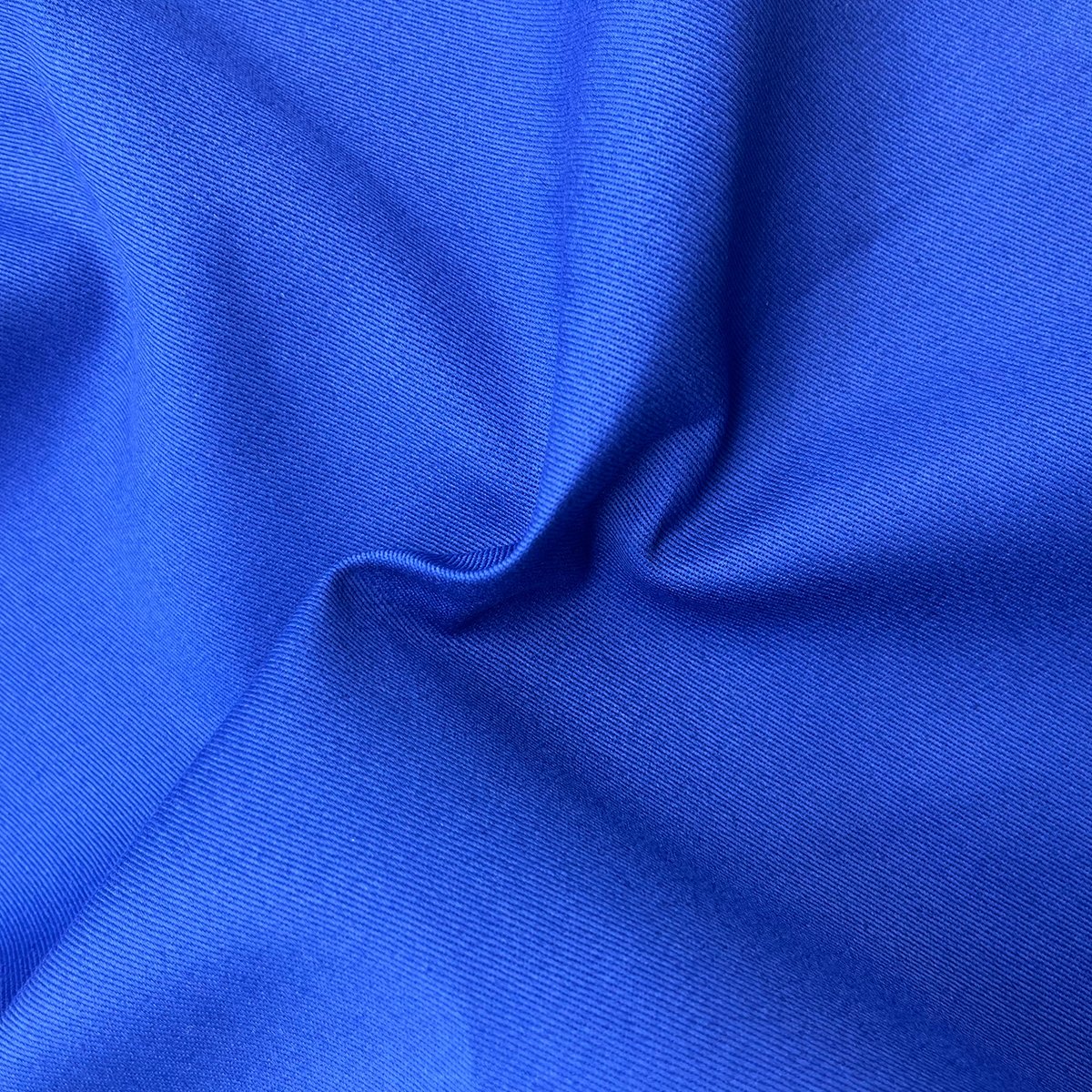
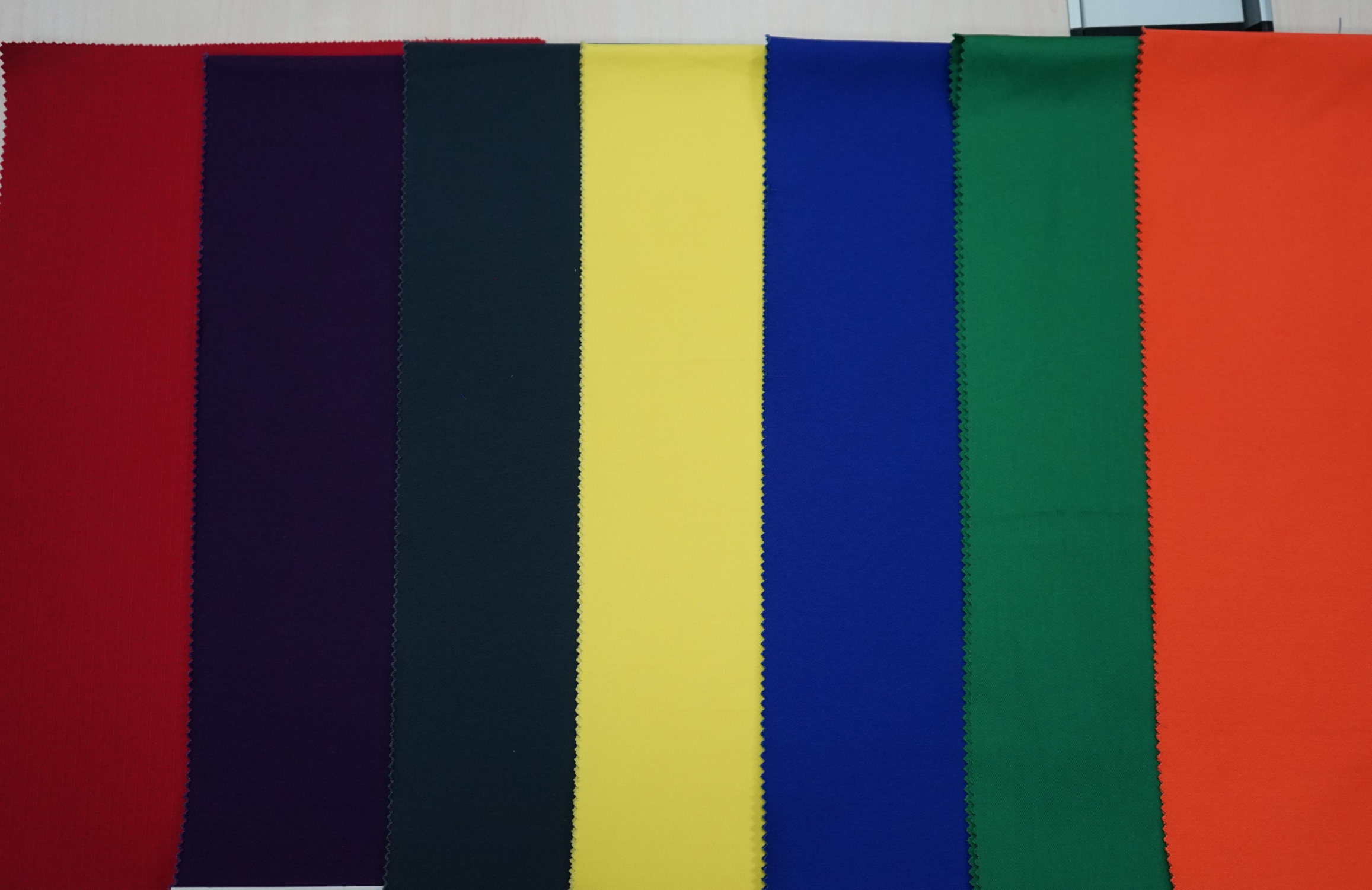
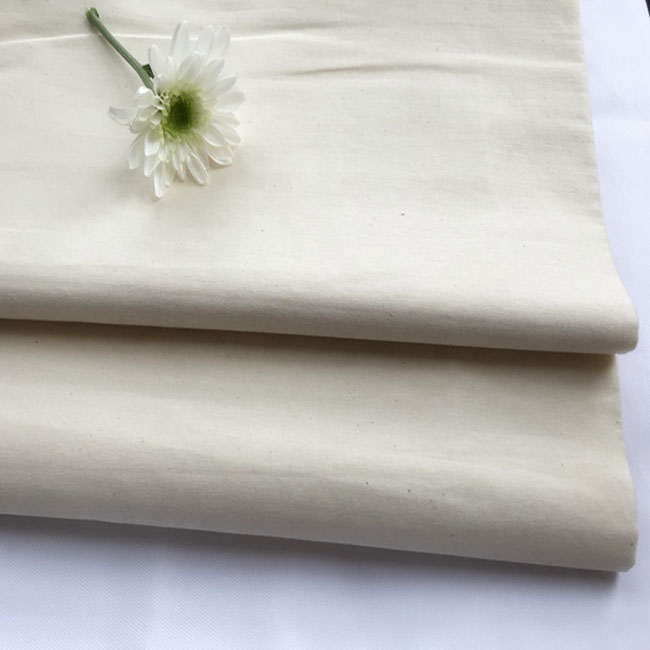
Illustration of layered fabric swatches and a textile roll
Category illustration. Select fibre, construction, usable width, mass, colour, finish and the required tests through a confirmed sample and quotation.

Start with a product reference, intended use and estimated quantity. We bring product selection, sample questions and quotation details into one conversation.

Email your reference image ↗
Fabric directionsCotton · polycotton · dyed and finished workwear cloth
Functional enquiriesFlame retardancy · antistatic · water/oil repellency · combined finishes
Garment scopeBib trousers · occupational wear · vests · fluorescent and chef clothing
Approval basisSelected material · defined use · matching tests · finished sample
Explore the product range

Build the range
your buyers need.

Choose a focused product or discuss a coordinated assortment. Each direction can be developed into a more specific model and packaging brief.

Cotton and blended workwear cloth

Compare cotton and polyester/cotton cloth around the intended uniform or workwear item. Provide fibre content, construction, yarn, density, weight, usable width and hand. Select the actual dyed or finished swatch before quoting bulk. A broad material category does not define every construction, colour or functional result.

Enquire about this range ↗

Dyeing and textile-finishing briefs

Dyeing and finishing enquiries should identify the incoming cloth, target shade, surface and end use. Define who supplies the base material and the required process sequence. Approve colour and hand against a selected sample. Agree responsibility for incoming defects, processing yield and the final acceptance point before production.

Enquire about this range ↗

Flame-retardant fabric development

Specify the actual hazard, application, required standard, laundering procedure and acceptance criteria for flame-retardant development. Select the fibre and treatment together. Relevant testing must identify the finished fabric and care conditions. A fabric description alone does not establish a fire-service garment rating or protection under every exposure.

Enquire about this range ↗

Antistatic fabric development

Antistatic textile enquiries need the exact electrical test method, acceptance target and use environment. Confirm the fibre or conductive component, construction and laundering durability on the selected material. Static control, ESD-sensitive handling and protective clothing may have different requirements; approve the fabric for its defined application.

Enquire about this range ↗

Water and oil repellency

Define the liquid, test method, required result and durability after care. Water and oil repellency need their own acceptance criteria, even when requested on one cloth. Compare the selected finish and base together. A visible water-drop effect does not establish waterproof barrier performance or protection against a chemical hazard.

Enquire about this range ↗

Acid and alkali resistance briefs

Chemical-resistance enquiries must identify the actual substance, concentration, contact conditions, use and cleaning method. Select a suitable textile and request the relevant test evidence. A general acid/alkali label is insufficient to establish protection against all liquids or to qualify a complete garment.

Enquire about this range ↗

Soil release and easy-clean finishing

Soil-release and stain-management briefs should state the target soil, washing process and appearance acceptance. Agree the selected treatment and test durability after the intended care procedure. Review colour, hand and strength alongside the finishing result; different soils and constructions can require different development routes.

Enquire about this range ↗

Crease control and moisture management

Easy-care, crease-control and moisture-management enquiries need the garment use, material and cleaning conditions. Define the desired appearance, drying or wicking target and test method. Evaluate the actual finished sample after care. No universal comfort, drying-time or crease-recovery result is assumed across different fabrics.

Enquire about this range ↗

Coated and combined-function materials

Coated cloth and combined-function development should start with a clear list of required properties. Polyurethane-coated or moisture-transfer directions require construction, coating, hand and test review for the actual material. Verify how each requested property performs after processing and laundering; combining labels does not establish combined protection.

Enquire about this range ↗

UV and specialist finishing enquiries

Specialist finishing can be reviewed against a stated end use, test method and durability target. Confirm the current feasibility and exact chemistry or construction before attaching a UV or other functional claim to a collection. Historical research or a general category does not replace selected-material evidence.

Enquire about this range ↗

Bib trousers, overalls and occupational clothing

Bib trousers, dungarees and other workwear enquiries need a garment drawing or sample, material, measurements, grading and construction details. Specify pockets, closures, reinforcement and care. Review fit and workmanship on a finished sample. Any functional or protective requirement must be agreed separately for the actual garment.

Enquire about this range ↗

Flame-retardant and specialist workwear

Develop flame-retardant or other specialist workwear from the intended task and required garment standard. Coordinate base fabric, seams, trims, closures and fit. Request evidence appropriate to the finished construction and use, rather than assuming a fabric report covers every garment feature or complete protective ensemble.

Enquire about this range ↗

Safety vests and fluorescent workwear

Safety-vest and fluorescent-clothing projects need the exact style, colour, material, visibility requirement and size assortment. Define reflective or fluorescent components and their arrangement in the garment specification. A bright colour or reflective trim alone does not establish a certified high-visibility class.

Enquire about this range ↗

Chef and service workwear

Chef and related occupational clothing can be specified around role, fit, material, pockets, closures and laundering. Provide the desired garment construction and size grading. Confirm hand, appearance and workmanship on a sample, and identify any specialist protective requirement separately before development.

Enquire about this range ↗
Reference product directions

Start with a product.
Define the details.

Use these options to describe what you are buying. The public references identify your enquiry; the final model and specification are confirmed before an order.

Cotton workwear fabric brief sourcing illustration
REFERENCE 0247-01

Cotton workwear fabric brief

A full-cotton direction for workwear material selection. Provide construction, target weight, usable width, shade and care. Review the selected swatch and the exact finishing requirements before a bulk quotation.

Material direction
100% cotton
To specify
Construction, weight, usable width and finishing
Approval
Selected fabric and applicable tests
Discuss this option ↗
Polycotton workwear fabric brief sourcing illustration
REFERENCE 0247-02

Polycotton workwear fabric brief

Compare polyester/cotton cloth against hand, strength, care and cost requirements. Blend ratio, construction and dimensions must be selected for the actual garment; no standard ratio is assumed.

Material direction
Polyester/cotton blend
To confirm
Blend ratio, yarn/density, GSM and width
Use brief
Uniform or occupational clothing
Discuss this option ↗
Flame-retardant textile brief sourcing illustration
REFERENCE 0247-03

Flame-retardant textile brief

Send the hazard, end use, standard, care cycle and required test results. Fabric, finish and garment construction need to be considered together before a protective statement is used.

Development direction
Flame-retardant fabric
Required input
Application, material, standard and care
Evidence
Selected-fabric performance; no rating assumed
Discuss this option ↗
Antistatic textile brief sourcing illustration
REFERENCE 0247-04

Antistatic textile brief

Define the use environment and required electrical measurement. Confirm the antistatic component and its durability on the selected finished material.

Development direction
Antistatic fabric
Required input
Construction, electrical test and care
To confirm
Component type, results and application suitability
Discuss this option ↗
Water and oil repellent textile brief sourcing illustration
REFERENCE 0247-05

Water and oil repellent textile brief

A repellent-finishing enquiry should separate the target water and oil results. Specify the relevant test and after-care durability, and review the selected cloth and finish together.

Development direction
Water/oil repellency
Required input
Liquid, test, acceptance and laundering
To confirm
Material and selected-finish evidence
Discuss this option ↗
Coated or combined-function cloth brief sourcing illustration
REFERENCE 0247-06

Coated or combined-function cloth brief

Define the required coating and list each performance objective. Confirm current production feasibility, hand, weight, width and the finished material’s test plan before ordering.

Development direction
Coated and combined-function textile enquiry
Required input
Base cloth, coating, use and properties
To confirm
Construction and property-specific evidence
Discuss this option ↗
Chemical-resistance fabric brief sourcing illustration
REFERENCE 0247-07

Chemical-resistance fabric brief

Identify the specific chemical and contact conditions, then review a material and testing plan. An acid/alkali label is not a universal chemical-protection guarantee.

Development direction
Acid/alkali-resistance enquiry
Required input
Substance, concentration, use and care
Approval
Application-specific selected-material evidence
Discuss this option ↗
Soil-release and easy-care textile brief sourcing illustration
REFERENCE 0247-08

Soil-release and easy-care textile brief

State the soil or appearance target, cleaning method and acceptance criteria. Confirm the selected finish and its effect on colour, hand and strength after care.

Development direction
Soil release; crease-care enquiries
Required input
Base cloth, cleaning and acceptance
To confirm
Finish, sample and durability
Discuss this option ↗
Bib trouser and overall brief sourcing illustration
REFERENCE 0247-09

Bib trouser and overall brief

Send a drawing or sample, fabric, measurements and construction. Specify straps, pockets, reinforcements, fastenings and size grading, then approve fit and workmanship.

Garment directions
Bib trousers, dungarees and overalls
Required input
Style, material, sizes and construction
To confirm
Sample, tests, quantity and packing
Discuss this option ↗
Functional occupational garment brief sourcing illustration
REFERENCE 0247-10

Functional occupational garment brief

Build a workwear specification around the task, required material, fit, seams and care. List any functional result or protective standard separately, with the evidence required.

Garment direction
Functional and specialist workwear
Required input
Task, fabric, design, care and standards
Approval
Finished sample and matching requirements
Discuss this option ↗
Flame-retardant workwear brief sourcing illustration
REFERENCE 0247-11

Flame-retardant workwear brief

Define the intended exposure and garment requirement before choosing a fabric. Trims, seams, closures and fit must be reviewed with the finished product’s evidence.

Garment direction
Flame-retardant workwear enquiry
Required input
Use, garment standard, fabric and care
Performance
No fire-service or universal rating assumed
Discuss this option ↗
Safety-vest and fluorescent clothing brief sourcing illustration
REFERENCE 0247-12

Safety-vest and fluorescent clothing brief

Provide the garment style, visibility requirement, components, dimensions and size range. Confirm the selected material and finished arrangement against the intended specification.

Garment directions
Safety vest; fluorescent workwear
Required input
Colour, construction, sizes and visibility brief
To confirm
Material and finished-garment evidence
Discuss this option ↗
Chef-workwear brief sourcing illustration
REFERENCE 0247-13

Chef-workwear brief

Develop a chef garment around the role, material, fit, construction and cleaning. Include pockets, closures, grading, label and packing details for an accurate quotation.

Garment direction
Chef and service clothing
Required input
Style, fabric, measurements and care
Approval
Fit, workmanship and item-specific quotation
Discuss this option ↗

These are specification-led material and garment enquiries. Apart from the stated full-cotton direction, no fixed composition ratio, GSM, width, electrical value, protective class or care durability is offered. Current construction, finish, availability, tests and order conditions must be confirmed for the selected goods.

What matters for this category

A better brief.
A clearer comparison.

Focus the sourcing conversation on the features, materials and production details that make a difference to your product range.

01

Define each requested function precisely

List the property, test method, acceptance and care durability for the intended task. This helps compare quotations that use different materials or finishing routes. Keep each result tied to the actual selected construction instead of treating a broad functional label as sufficient evidence.

02

Coordinate fabric and garment development

Fabric properties, seams, closures, trims and fit all influence a workwear brief. Review those details together when selecting material and sampling a garment. Record which tests concern the cloth and which concern the complete item so the approval scope remains clear.

03

A written standard for bulk and repeat orders

An approved swatch, garment sample and technical specification give inspection and repeat orders a shared reference. Define shade, dimensions, workmanship, care and packing with the test plan. Confirm any later material or construction change before bulk acceptance.

Branding, configuration & packaging

Make the product
fit your programme.

Bring artwork, reference samples and a target cost. The available process, minimum quantity, sample charges and development scope are reviewed for the chosen option.

01

Material, colour and finishing brief

Send composition, weave, yarn/density, weight, usable width, shade and hand. Add the required functions with methods, acceptance targets and after-care conditions. If supplying the base cloth, identify pretreatment and inspection responsibility. Sample feasibility, charges and development timing require confirmation.

02

Garment construction and buyer identity

Provide the style drawing or sample, measurements, size grading, seams, pockets, closures and trim requirements. Include authorized logo or private-label artwork, care/fibre text and placement. Any reflective or fluorescent arrangement and protective design requirement should be part of the specification before sampling.

03

Sampling, packing and order terms

Request the fabric and finished-garment sample stages needed for approval, together with relevant testing. Specify roll or garment packing, lot and size/colour identification, carton limits and shipment documents. Sample policy, minimums, prices, commercial terms and lead time are confirmed per selected item; no universal schedule is promised.

Quality & product evidence

Turn requirements
into checks.

Agree which product characteristics need testing and how the approved sample relates to the bulk order.

01

Construction and physical material checks

Approve fibre, construction, weight, usable width, shade and hand. Define strength, tear, abrasion, pilling or other relevant checks for the actual use. Agree defect acceptance, measurement, shade-lot separation and roll identification for the supplied material.

02

Function and care durability

Request test results matching the finished fabric, treatment and intended care method. Confirm test conditions, acceptance, laundering and any required re-treatment. For combined-function fabric, assess every specified property on the same construction rather than combining reports from different materials.

03

Garment and packing inspection

Inspect dimensions, fit, seams, trims, closures, reinforcements, labels and workmanship against the approved sample. Confirm any garment-level qualification separately from the cloth report. Check size/colour assortment, completeness, identification and packing before dispatch.

Test capability is a starting point for the inspection plan. Request the method, applicable model and results needed for your order.

Documents matched to the order

Ask for evidence
that fits the product.

Request documents that identify the selected fabric, finish, garment design and intended use. Performance claims and certificate coverage must match the actual material and order.

State the sales market, intended users and required files in your first enquiry. Current validity and scope are checked for the selected supplier and product; a category description does not certify every item.

Share your document requirements ↗
Material and garment specification
Record composition, construction, dimensions, weight, usable width, shade, finish and care with tolerances. Garments need measurement/grading, seams, closures and trim details. Retain approved swatches and finished samples with revision identification.
Performance and qualification evidence
Ask for the relevant material and garment reports, their methods, results, care conditions and scope. Verify current certificate holder, validity and covered products where required. A historical statement, patent or generic system certificate is not a substitute for the chosen goods’ evidence.
Inspection and shipment file
Agree the inspection plan, lot traceability, quantity units, size/colour assortment, packing labels, roll/carton details and requested commercial documents. Define destination-specific labelling and shipment requirements before production and dispatch.
Built around how you sell

Different buyers.
Different specifications.

Your sales channel changes the assortment, packaging and quality priorities. Tell us the intended use as well as the product name.

01

Workwear distributors and uniform programmes

Develop material and garment specifications for bib trousers, overalls, vests and other occupational clothing. Match size runs, colour, care, construction and packing to the programme. Confirm any protective requirement and evidence before bulk.

02

Fabric converters and garment developers

Coordinate base-cloth selection, dyeing and specialist-finishing enquiries with the downstream garment. Define sample standards, use-specific tests and approval stages. Confirm actual processing feasibility and responsibilities for supplied materials.

03

Specialist and service-clothing projects

Chef, fluorescent and function-led workwear projects need clear garment and material requirements. Define the task and applicable acceptance before sampling. Each selected fabric and finished article should be evaluated within its intended use and evidence scope.

From first brief to a defined order

One contact.
A practical next step.

Samples, commercial terms and responsibilities are agreed for the project. Use the same product and packing specification when comparing quotations.

01

Share the requirement

Product, reference image, quantity, sales market and timing.

02

Compare suitable options

Review configuration, materials, sample scope and relevant documents.

03

Approve the specification

Agree artwork, packaging, sample, testing and inspection criteria.

04

Confirm the order plan

Set price, payment, production, delivery and defect remedies in writing.

Buyer questions

Before you send
your first enquiry.

Practical answers about this sourcing direction, customization and the reference options. Your agreed specification and written quotation determine the actual order.

What materials and garments can I enquire about?

Cotton and blended workwear cloth, dyeing and functional finishing, bib trousers and overalls, occupational garments, flame-retardant workwear, safety vests, fluorescent clothing and chef-workwear briefs. Send the intended use and item specification so the material and garment requirements can be reviewed.

Are fixed fabric weights and widths available here?

No fixed GSM, usable width, yarn count or blend ratio is offered on this page. Provide the target construction or a reference swatch. Confirm the selected material, finish and tolerances in the quotation and approved technical sheet.

Does a flame-retardant fabric guarantee complete garment protection?

No. The exact fabric, finishing, seams, trims, closures, design and care all need evaluation for the intended use. Define the relevant material and garment requirements and obtain matching evidence before making a protective claim.

Can I request antistatic or ESD-related material?

Provide the use environment, required electrical test, acceptance target and care method. Confirm the selected construction and antistatic component with relevant results. Different ESD and protective uses may require different assessments.

Can water and oil repellency be combined with other functions?

List every required property and its acceptance criteria in the same development brief. Confirm feasibility and test each property on the selected finished material, including after care. A combined description does not itself establish combined performance.

Is repellent cloth the same as a waterproof or chemical barrier?

No. State the actual liquid, exposure, method and performance target. Surface repellency, water resistance and chemical protection are different requirements, and must be assessed for the intended material and use.

What is needed for an acid- or alkali-resistance enquiry?

Identify the substance, concentration, contact conditions, garment use and cleaning method. The selected material and construction need application-specific evaluation. A general category is insufficient to cover every chemical or exposure.

Can you coordinate bib trousers or other finished workwear?

Send a drawing or sample, fabric, measurements, grading and construction details. Specify straps, pockets, reinforcements, closures and care. Approve fit and workmanship and confirm any functional requirement for the finished item.

Do fluorescent garments or safety vests have a visibility class?

No class is assumed. Specify the applicable requirement, material, colour, components and garment arrangement. Qualification depends on the actual selected material and finished construction, not colour or trim appearance alone.

Can I use buyer logos and labels?

Include authorized artwork, fibre/care text, size labels and placement in the garment brief. Confirm feasibility, sample approval and quotation conditions. Labels and claims must match the actual material, use and destination.

What are the minimum order, sample policy and lead time?

They are confirmed for the selected fabric, finish, garment, colours and quantities. Provide trial and bulk requirements and a requested date. No universal free sample, minimum or delivery schedule is promised.

Can one test report cover all fabric options?

Reports should identify the actual fibre, construction, finish and relevant test conditions. A report for another material or a general quality-system certificate does not establish every product’s performance. Check any garment-level evidence separately.

What should I send to obtain a complete quotation?

Send the item and intended task, fabric and construction, dimensions or size grading, colours, functions and required tests. Add care, sample references, quantity breakdown, labels, packing, destination and requested delivery date.

Who handles my enquiry?

Factory Sourcing Hub handles this enquiry as an independent sourcing and trading service. The product route, supplier suitability, sample scope and order responsibilities are agreed for the actual project.

How do I get a price and order minimum?

Send the product reference, quantities per variation, customization and packaging. Prices, minimums, sample charges and delivery dates are confirmed in a current quotation; the page is not a live inventory or price feed.

Can I discuss samples and inspection before ordering?

Yes. State whether you need a reference sample, a customized sample or development work. Agree the sample cost and shipping, approval specification, inspection plan and remedy for non-conforming goods before the bulk order.

What should I attach to my email?

Reference images, drawings, logo artwork and a product list are useful. Include quantities, the intended users and sales market, packaging, required documents and timing. After submitting the form, email attachments to kunhuow@gmail.com with your enquiry reference.


Tell us what you are planning

Your next order
starts with a brief.

A reference picture or a short description is enough to begin. Add the details you already know; the optional fields help make the follow-up more useful.

  • Item and intended task, garment design or reference sample.
  • Fabric composition, construction, weight/width, shade and finishing needs.
  • Functions, test methods, acceptance and laundering or care conditions.
  • Quantities, size/colour assortment, labels, packing, destination and requested date.
kunhuow@gmail.com

Download the enquiry checklist ↓

Independent sourcing and trading service. Supplier choice, service costs and order conditions are discussed for your project.

Discuss your requirements.

Product selection, customization, samples and quotation enquiries.

Add product, quantity or customization details (optional)

Submit your enquiry directly. We use your details to respond to your sourcing request. For attachments, email kunhuow@gmail.com with your enquiry reference. Enquiry data use.

Information basis: published product information reviewed . Reference details support a sourcing discussion. Current supply, samples and product-specific documents are confirmed for the selected item.

Have a product in mind?
Share your sourcing brief.
Send an enquiry ↗