Independent B2B sourcing · One trading contactkunhuow@gmail.com ↗
FACTORY SOURCING HUBProduct sourcing for business buyers
Get a quote ↗
Home/Textiles & Fabrics/Textile Materials, Apparel, Workwear & Bedding Sourcing
Yarns and greige cloth · cotton and blended fabrics · apparel and workwear · children’s clothing · sheets and bedding

Connect textile materials with the finished collection. Source fabrics, apparel, uniforms and home textiles.

Textile Materials, Apparel, Workwear & Bedding Sourcing

Coordinate textile sourcing from yarns, greige cloth and garment fabrics to apparel, chef and medical uniforms, infant sets, school sportswear, sheets and bedding. Prepare samples, specifications, testing and packing for each item in your collection.

  • Build a connected brief for raw materials, fabrics and made-up textiles.
  • Compare garment and bedding requirements without losing item-level specifications.
  • Define approved samples, size or colour assortments, testing and shipment documents.

Manufacturing, product documents and order conditions depend on the model and supply route selected for your project.

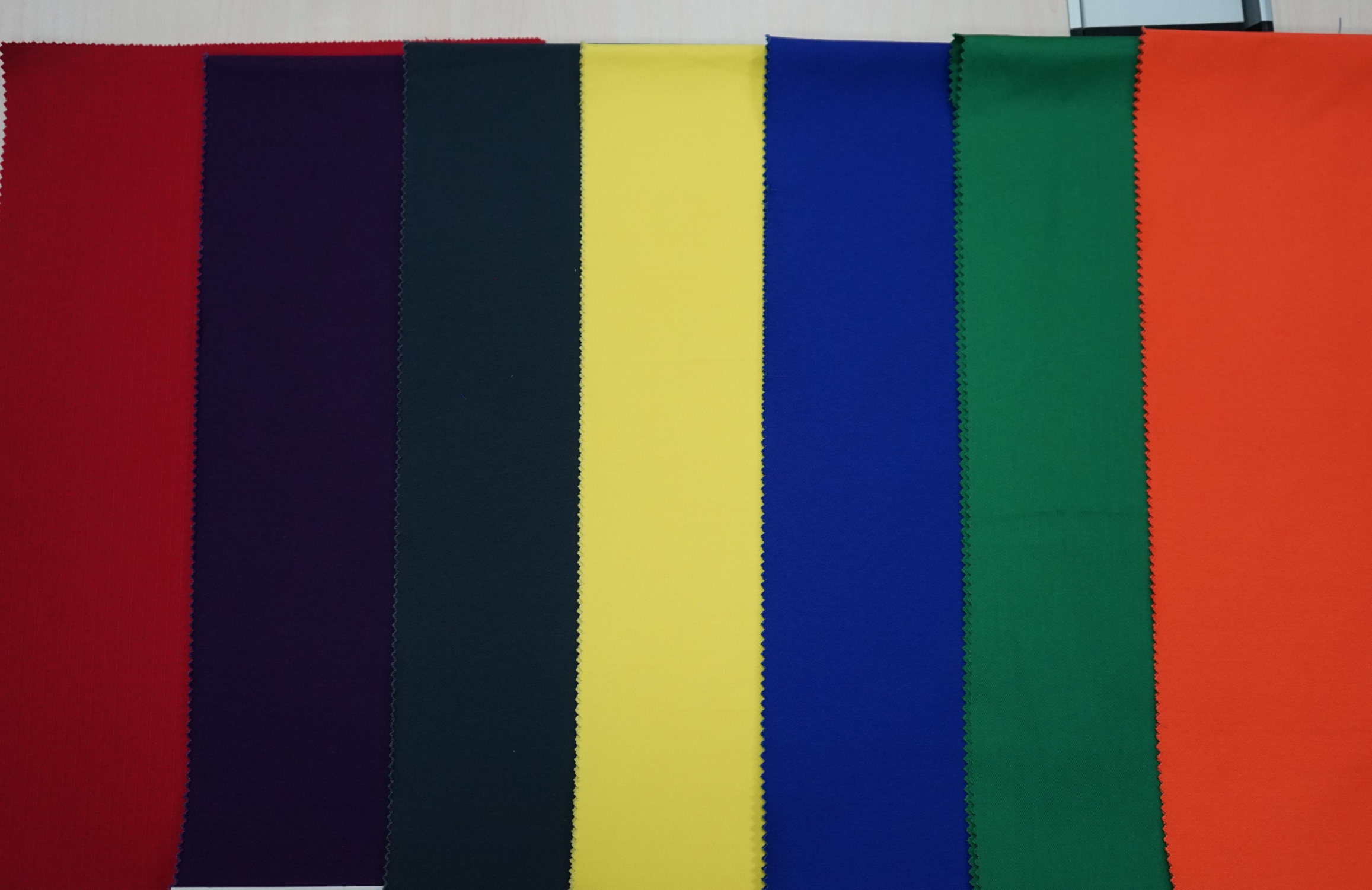
Solid coloured textile swatches
Fabric colour appearance reference. Confirm the selected composition, construction, shade, hand and finish with a physical sample.

Start with a product reference, intended use and estimated quantity. We bring product selection, sample questions and quotation details into one conversation.

Email your reference image ↗
Textile inputsYarns · greige · trims · industrial cloth
Fabric directionsCotton · polyester · polycotton · knitted materials
Apparel scopeMen’s/women’s · infant/children’s · school and occupational
Home-textile scopeCotton, blended and microfiber sheets · bedding sets
Explore the product range

Build the range
your buyers need.

Choose a focused product or discuss a coordinated assortment. Each direction can be developed into a more specific model and packaging brief.

Cotton, polyester and blended garment fabrics

Compare full-cotton, full-polyester and polyester/cotton material directions against the finished garment. Provide the required composition, weave, yarn/construction, density, weight and usable width. Select colour, print and finish on an actual sample. No fixed blend ratio or stock construction is implied for a general fabric-family enquiry.

Enquire about this range ↗

Workwear and uniform materials

Develop workwear-fabric briefs around the garment, working conditions, care and strength requirements. Supply a reference swatch and specify construction, shade, hand and performance targets. A uniform-material category does not establish a protective rating; any flame, antistatic, liquid or other functional requirement needs a selected-material review.

Enquire about this range ↗

Yarns, colour yarns and textile inputs

Yarn enquiries can be coordinated with the intended weaving, knitting or sewing use. State fibre, count system, ply, twist, shade and winding format. Agree quantity units, package weight and lot matching. For dyed yarn, use an approved shade standard and specify the relevant fastness and batch consistency requirements.

Enquire about this range ↗

Greige cloth, trims and industrial fabrics

Greige and industrial-cloth briefs need construction, fibre, usable width, weight, finish state and downstream use. Trims and textile accessories require drawings or a sample, dimensions and material requirements. Confirm which processing steps and acceptance points are included, together with packing, identification and incoming-material inspection.

Enquire about this range ↗

Knitted cotton and wool-knit directions

Knitted goods and wool-knit enquiries should define the exact fibre blend, knit structure, gauge, weight or finished dimensions, hand and care. Submit a swatch or garment reference. Confirm pilling, dimensional change and appearance after laundering before approving the selected material or finished article.

Enquire about this range ↗

Men’s and women’s apparel

Coordinate apparel sourcing around an item list, fabric, style, measurements and size grading. Include construction details, trims, colours and packing. Men’s pullover enquiries can be reviewed alongside other garments, with knit or fabric requirements clearly defined. Fit, appearance and workmanship should be approved on a sample before bulk.

Enquire about this range ↗

Infant sets and children’s clothing

Infant outfit sets and children’s apparel need age/size ranges, exact set contents, fabric and construction details. Specify intended use, care and destination requirements early. Confirm trims, fastenings, labels and packing on the actual sample, and agree relevant garment and material tests before production.

Enquire about this range ↗

School and sportswear projects

School and student sportswear enquiries can include coordinated colours, styles and size assortments. Supply the garment specification, fabric reference and authorized crest or artwork. Define movement, fit, laundering and colourfastness requirements. Construction, logo placement and set contents need sample approval and an item-specific quotation.

Enquire about this range ↗

Chef, service and occupational clothing

Chef and other workwear projects should identify garment type, role, environment and cleaning method. Specify fabric, pockets, closures, seams and size grading. Confirm comfort, strength, appearance and any required function on the selected sample. Occupational styling alone does not establish protective performance or certification.

Enquire about this range ↗

Medical and care-uniform projects

Medical-uniform enquiries can be developed around garment style, material, sizing, cleaning and packing. State any required barrier or other performance separately. An ordinary uniform or fabric is not automatically sterile or a medical protective product; the actual material, product design and applicable evidence must match the intended use.

Enquire about this range ↗

Cotton, polycotton and microfiber sheets

Sheet projects include cotton, polyester/cotton and microfiber material directions. Define the precise fibre composition, construction, weight, finished dimensions, hems, openings and packing. Agree dimensional tolerances and care requirements. A fibre-family label does not establish a particular thread count, hand, durability or institutional performance.

Enquire about this range ↗

Bedding sets, jacquard and home textiles

Coordinate bedding sets and home textiles with exact piece counts, sizes, fabric, design and sewing details. Jacquard and cellulosic-material directions can be reviewed using an approved swatch and fibre declaration. Photographic styling is an appearance reference; confirm what belongs to the supplied set and which components are quoted separately.

Enquire about this range ↗

A coordinated textile sourcing programme

Link raw material, fabric and made-up requirements in one structured enquiry while retaining a separate specification for each item. Define samples, approved standards, quantity breakdown, packing and documentation. Actual production route, order conditions and delivery arrangements require confirmation for the selected goods.

Enquire about this range ↗
Reference product directions

Start with a product.
Define the details.

Use these options to describe what you are buying. The public references identify your enquiry; the final model and specification are confirmed before an order.

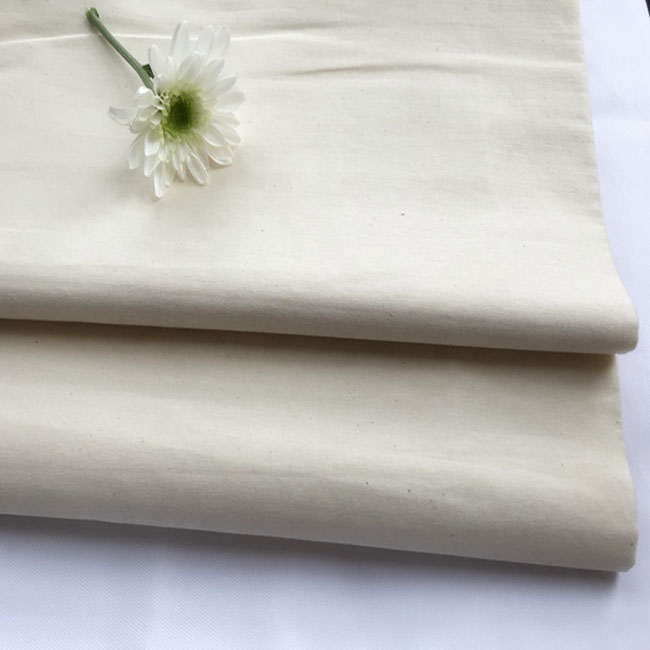
Full-cotton fabric enquiry sourcing illustration
REFERENCE 0244-01

Full-cotton fabric enquiry

Select cotton cloth around the intended garment or home-textile use. Submit a reference sample and specify construction, hand and care before comparing colour or print options.

Fibre direction
100% cotton
To specify
Yarn/construction, GSM, usable width, shade and finish
Approval
Selected cloth and agreed tests
Discuss this option ↗
Full-polyester fabric enquiry sourcing illustration
REFERENCE 0244-02

Full-polyester fabric enquiry

A polyester cloth direction for garment and related textile briefs. Define construction, weight, usable width and surface requirements; confirm the exact sample before costing bulk.

Fibre direction
100% polyester
To specify
Construction, weight, width, colour/print and finish
Supply detail
Order-specific quotation
Discuss this option ↗
Polycotton fabric enquiry sourcing illustration
REFERENCE 0244-03

Polycotton fabric enquiry

Compare polyester/cotton blends against hand, care, strength and price requirements. The exact blend ratio and construction must be supplied or selected; no standard ratio is assumed.

Fibre direction
Polyester/cotton blend
To confirm
Blend ratio, construction, weight and usable width
Input
Garment use and reference swatch
Discuss this option ↗
Dyed yarn and textile-input enquiry sourcing illustration
REFERENCE 0244-04

Dyed yarn and textile-input enquiry

Request the fibre, count system, ply, twist, winding and shade needed for the downstream product. Confirm package units, lot matching and sample requirements.

Supply direction
Yarns and colour-yarn enquiries
Required input
Fibre, count, twist, shade and package
Acceptance
Agreed material and colour standard
Discuss this option ↗
Greige and industrial-cloth enquiry sourcing illustration
REFERENCE 0244-05

Greige and industrial-cloth enquiry

Specify the incoming cloth and intended downstream processing. Agree construction, width, weight, defect limits and whether further finishing is included.

Supply direction
Greige cloth and industrial fabric
Required input
Material, construction, dimensions and end use
To confirm
Processing route and inspection point
Discuss this option ↗
Men’s pullover and apparel brief sourcing illustration
REFERENCE 0244-06

Men’s pullover and apparel brief

Send a garment drawing or sample, fibre and fabric requirements, measurements and size grading. Confirm trims, workmanship, colour and packing on a pre-production sample.

Product direction
Men’s pullover; related apparel enquiries
Required input
Style, fabric, measurements and size assortment
Approval
Fit and workmanship sample
Discuss this option ↗
Infant outfit-set brief sourcing illustration
REFERENCE 0244-07

Infant outfit-set brief

Define which pieces form the set, age or size range, material, fastenings and packing. Include the destination and relevant testing requirements before sampling.

Product direction
Infant clothing sets
Set contents
Buyer specification; not assumed
Required input
Sizes, fabric, trims, care and packing
Discuss this option ↗
Children’s and student sportswear brief sourcing illustration
REFERENCE 0244-08

Children’s and student sportswear brief

Coordinate the style, material, colours and size run for children’s or school sportswear. Submit authorized artwork and specify placement, construction and care.

Product direction
Children’s clothing and student sportswear
Design input
Style, sizes, fabric and authorized artwork
Approval
Fit, construction and care standard
Discuss this option ↗
Chef and occupational-uniform brief sourcing illustration
REFERENCE 0244-09

Chef and occupational-uniform brief

Specify garment type, role, fabric, fit, pockets, closures and laundering. Any protective requirement must be defined separately and supported for the selected goods.

Product direction
Chef clothing and other workwear
Required input
Garment construction, sizes and care
To confirm
Material, testing and packing
Discuss this option ↗
Medical-uniform brief sourcing illustration
REFERENCE 0244-10

Medical-uniform brief

Provide style, fabric, size range and cleaning conditions for a medical or care-uniform enquiry. Any barrier, sterile or other medical claim needs a separate qualification review.

Product direction
Medical and care uniforms
Required input
Fabric, construction, sizes, care and use
Performance
Defined and verified per selected product
Discuss this option ↗
Cotton sheet brief sourcing illustration
REFERENCE 0244-11

Cotton sheet brief

A cotton-sheet direction for home or institutional textile sourcing. State finished dimensions, construction, hems, shade or print, care and packing.

Material direction
Full-cotton sheet
Required input
Dimensions, cloth construction and finishing
To confirm
Actual weight, thread/construction and tolerances
Discuss this option ↗
Polycotton and microfiber sheet brief sourcing illustration
REFERENCE 0244-12

Polycotton and microfiber sheet brief

Compare blended and microfiber sheet directions with the intended hand, cleaning and price target. Fibre ratio, construction, size and packing are selected per item.

Material directions
Polycotton sheet; microfiber/chemical-fibre sheet
Required input
Composition, construction, finished size and care
Approval
Selected cloth and made-up sample
Discuss this option ↗
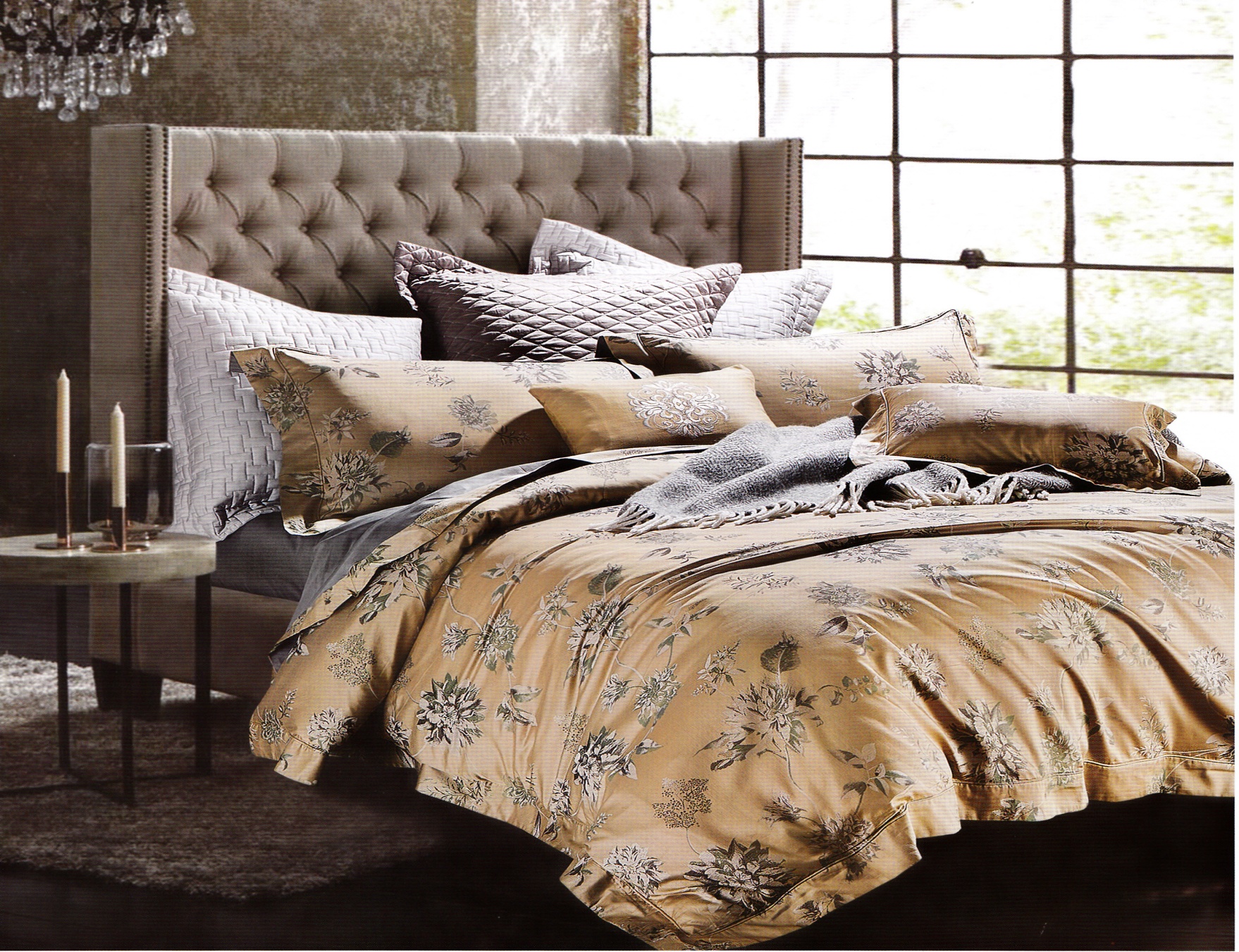
Four-piece jacquard bedding reference sourcing illustration
REFERENCE 0244-13

Four-piece jacquard bedding reference

A jacquard bedding-set direction shown in the textile range. Confirm the four quoted pieces, their sizes, exact fibre declaration and sewing details. Room accessories and photographic styling are not a defined packing list.

Set reference
4 pieces; exact contents to confirm
Appearance direction
Jacquard bedding
Material
Cellulosic-material direction; exact fibre and blend to confirm
Discuss this option ↗
Knitted textile and wool-knit enquiry sourcing illustration
REFERENCE 0244-14

Knitted textile and wool-knit enquiry

Specify the exact fibre blend, structure, gauge or weight, dimensions and care for knitted materials or made-ups. Confirm a swatch and, where applicable, the finished article.

Supply direction
Knitted cotton goods; wool-knit directions
Required input
Composition, knit structure, hand and care
To confirm
Item specification and sample acceptance
Discuss this option ↗

These are sourcing briefs for the listed product directions, rather than a fixed stock catalogue. The four-piece bedding reference and full-cotton/full-polyester material directions are identified where applicable. Weight, width, count, blend ratios, garment sizes, set contents, minimums and schedules require the selected item’s quotation and approved sample.

What matters for this category

A better brief.
A clearer comparison.

Focus the sourcing conversation on the features, materials and production details that make a difference to your product range.

01

Materials and made-ups considered together

A garment or bedding programme benefits from a consistent fabric and finish brief. Coordinate fibre, construction, shade and hand with the final dimensions and sewing needs. Keep separate specifications for the raw material, fabric and finished item so quotations can be compared fairly.

02

A mixed textile collection under one enquiry

Apparel, occupational clothing and bedding can be organized with an item list, size/colour breakdown and sample plan. This helps identify which materials, trims and packing requirements can be coordinated. Production and order conditions are confirmed separately for each selected item.

03

Clear approvals before bulk

Use swatches, lab dips, garment fit samples and made-up textile samples to define acceptance. Confirm measurement tolerances, care and testing with the packing requirements. Keep the final written specification and approved references available for bulk inspection and repeat orders.

Branding, configuration & packaging

Make the product
fit your programme.

Bring artwork, reference samples and a target cost. The available process, minimum quantity, sample charges and development scope are reviewed for the chosen option.

01

Fabric and colour specification

Provide fibre, blend ratio, weave or knit structure, yarn/density, weight, usable width and finish. For colour or print include the standard or authorized artwork, repeat and scale. Request swatches, lab dips or strike-offs as appropriate; feasibility, sample charges and development times require confirmation.

02

Garment, size and set development

Submit a tech pack or clear sample with measurements, grading, seams, trims, closures and colourways. Identify age/size ranges for children’s goods and exact contents for outfit or bedding sets. Confirm fit and workmanship on the selected sample. Private-label details and logo placement need feasibility and quotation approval.

03

Packing and commercial coordination

Specify roll, cone, individual garment or bedding-set packing with labels, barcodes, assortment and carton limits. Include order quantities, destination and requested delivery date. Minimums, prices, payment terms, sample policy and production schedules depend on the selected goods and must be confirmed in writing.

Quality & product evidence

Turn requirements
into checks.

Agree which product characteristics need testing and how the approved sample relates to the bulk order.

01

Material and fabric acceptance

Agree the selected fibre composition, construction, weight, usable width, shade and hand. Specify fastness, dimensional change, strength or other relevant tests for the use and care method. Define defect inspection, lot identification and acceptance for yarn, greige and finished cloth separately.

02

Garment and made-up inspection

Use the approved sample and measurement sheet to check fit, dimensions, seams, trims, openings, labels and appearance. Set enquiries also need piece completeness and size matching. Confirm the inspection plan, sampling level and packing checks for the actual order.

03

Use-specific testing and labels

Infant, children’s, occupational, medical-uniform and institutional textile projects may have different requirements. Identify the destination, age/use category and claims before sampling. Request evidence matching the actual material and item; do not rely on an unrelated product’s test report or general certificate.

Test capability is a starting point for the inspection plan. Request the method, applicable model and results needed for your order.

Documents matched to the order

Ask for evidence
that fits the product.

Request a document set for the actual yarn, fabric, garment or bedding order. The detail should identify the material, production scope, selected sample and intended use, rather than applying one general statement to the entire collection.

State the sales market, intended users and required files in your first enquiry. Current validity and scope are checked for the selected supplier and product; a category description does not certify every item.

Share your document requirements ↗
Specification and sample file
Include material/construction, dimensions, colour/design, finish, care, tolerances and packing. Garments need measurements and grading; sets need an exact piece list. Retain approved swatches and samples with revision identification.
Test and claim evidence
Ask for relevant reports tied to the chosen material or article. Verify any requested certificate’s current holder, scope and validity, and order-level evidence where applicable. Claims about protection, medical use, fibre origin or environmental benefits require specific support.
Packing and shipment records
Confirm item quantities, units, size/colour assortment, marks, roll or carton details, weights and requested commercial documents. Agree inspection reports and any destination-specific fibre/care labels before production and dispatch.
Built around how you sell

Different buyers.
Different specifications.

Your sales channel changes the assortment, packaging and quality priorities. Tell us the intended use as well as the product name.

01

Apparel and uniform collections

Coordinate fabric, garment styles, size grading and packing for men’s, women’s and occupational clothing. Define laundering and any functional requirement for the actual intended role. Approve fit, material and workmanship before bulk.

02

Children’s, infant and school programmes

Develop outfit sets or student sportswear around exact age/size ranges, fabrics, construction and authorized artwork. Plan destination-specific testing, trim assessment and labels early. Confirm the final assortment and sample approval per item.

03

Home textiles and textile converters

Compare sheets and bedding in cotton, blended, microfiber or jacquard directions. Coordinate yarn, greige or fabric inputs with the made-up specification when needed. Set contents, dimensions, care, packing and inspection acceptance belong in the quotation.

From first brief to a defined order

One contact.
A practical next step.

Samples, commercial terms and responsibilities are agreed for the project. Use the same product and packing specification when comparing quotations.

01

Share the requirement

Product, reference image, quantity, sales market and timing.

02

Compare suitable options

Review configuration, materials, sample scope and relevant documents.

03

Approve the specification

Agree artwork, packaging, sample, testing and inspection criteria.

04

Confirm the order plan

Set price, payment, production, delivery and defect remedies in writing.

Buyer questions

Before you send
your first enquiry.

Practical answers about this sourcing direction, customization and the reference options. Your agreed specification and written quotation determine the actual order.

What can I include in one textile enquiry?

Yarns, greige cloth, textile accessories, industrial and garment fabrics, knitted goods, apparel, workwear, infant and children’s clothing, school sportswear, sheets and bedding. Provide an item list with a separate specification, quantity and approval requirement for each.

Can I compare cotton, polyester and polycotton fabrics?

Yes, state the end use, exact fibre or blend ratio, construction, weight, usable width, shade and finish. Use samples to compare hand and appearance. No universal polycotton ratio, thread count or weight is assumed.

Do you have fixed fabric widths, weights or yarn counts?

These values depend on the selected item. Send the target width, GSM, count system and construction or a reference swatch. The quotation and approved technical sheet should confirm the actual specification and tolerances before bulk.

Can I request both fabric and finished garments?

Include the fabric requirements and garment tech pack together. Define measurements, size grading, seams, trims, colours and packing. Fabric approval and garment fit/workmanship approval are separate steps and should both be recorded.

What is needed for infant or children’s outfit sets?

Provide the exact pieces, age/size range, material, construction, fastenings, labels and packing. State the destination and intended use so testing requirements can be considered before sampling. Set contents and safety-related acceptance must match the actual goods.

Can I develop school or student sportswear?

Send the garment specification, size run, fabric reference, colours and authorized school artwork. Define fit, movement, laundering and appearance requirements. Confirm sample approval, artwork placement, set contents and the quantity breakdown before ordering.

Do chef or medical uniforms include protective certification?

No certification is implied by a garment’s name. Identify any protective, barrier or medical requirement separately, with the intended use, applicable tests and evidence needed. Confirm suitability for the actual fabric and finished item before making such claims.

Which sheet and bedding directions can I enquire about?

Cotton, polyester/cotton and microfiber sheet directions, plus bedding-set and jacquard projects. Provide composition, construction, finished dimensions, care, sewing and packing. Confirm the material and exact pieces on an approved sample.

What does the four-piece jacquard reference include?

It identifies a four-piece set direction, without a fixed piece list or sizes. Specify which four items you need and their dimensions, material and construction. Photographic styling and surrounding accessories do not define the quoted contents.

Can I request buyer labels and packaging?

Include fibre/care text, size labels, authorized logo or artwork, barcodes and packing details in the enquiry. Feasibility, setup cost and minimum quantities need confirmation per item. Label text should match the actual material and destination requirements.

Are samples free and what are the MOQ and lead time?

No universal sample policy, minimum or delivery schedule is offered. State trial and bulk quantities per item, colour and size, together with the requested date. Confirm sample charges, development steps, minimums and timing in the written quotation.

What documents should I request?

Start with a technical specification and approved sample, then relevant material or garment test reports. Add any required current certificate-scope evidence, inspection plan, packing list, commercial documents and destination-specific labels. The documents should identify the actual goods and order.

How can I make a mixed textile quotation easier to compare?

Use a line-by-line list of material or garment specifications, quantities, colour/size assortments and packing. Add end use, destination, care and tests, samples and delivery requirements. Keep optional developments separate so price and production scope remain clear.

Who handles my enquiry?

Factory Sourcing Hub handles this enquiry as an independent sourcing and trading service. The product route, supplier suitability, sample scope and order responsibilities are agreed for the actual project.

How do I get a price and order minimum?

Send the product reference, quantities per variation, customization and packaging. Prices, minimums, sample charges and delivery dates are confirmed in a current quotation; the page is not a live inventory or price feed.

Can I discuss samples and inspection before ordering?

Yes. State whether you need a reference sample, a customized sample or development work. Agree the sample cost and shipping, approval specification, inspection plan and remedy for non-conforming goods before the bulk order.

What should I attach to my email?

Reference images, drawings, logo artwork and a product list are useful. Include quantities, the intended users and sales market, packaging, required documents and timing. After submitting the form, email attachments to kunhuow@gmail.com with your enquiry reference.

Tell us what you are planning

Your next order
starts with a brief.

A reference picture or a short description is enough to begin. Add the details you already know; the optional fields help make the follow-up more useful.

  • Item list: yarn/fabric/garment/bedding, intended use and reference samples.
  • Material, construction, weight/width or finished measurements and size grading.
  • Colours/designs, exact set contents, care, testing and label requirements.
  • Quantities per item/colour/size, packing, destination and requested date.
kunhuow@gmail.com

Download the enquiry checklist ↓

Independent sourcing and trading service. Supplier choice, service costs and order conditions are discussed for your project.

Discuss your requirements.

Product selection, customization, samples and quotation enquiries.

Add product, quantity or customization details (optional)

Submit your enquiry directly. We use your details to respond to your sourcing request. For attachments, email kunhuow@gmail.com with your enquiry reference. Enquiry data use.

Information basis: published product information reviewed . Reference details support a sourcing discussion. Current supply, samples and product-specific documents are confirmed for the selected item.

Have a product in mind?
Share your sourcing brief.
Send an enquiry ↗