
Real-wax print directions
Define the intended wax process, design, colour penetration and hand through an approved sample.
Enquire about this range ↗Coordinate yarn, woven fabric and finished textile requests Compare wax print, colour-woven cloth and cotton bases
Source real/imitation wax-print directions, yarn-dyed cotton and blends, stretch and jacquard enquiries, raised fabrics, viscose prints, cotton greige cloth and weaving yarns, woollen coating references and selected towels or bedding.
Manufacturing, product documents and order conditions depend on the model and supply route selected for your project.

Start with a product reference, intended use and estimated quantity. We bring product selection, sample questions and quotation details into one conversation.
Email your reference image ↗Choose a focused product or discuss a coordinated assortment. Each direction can be developed into a more specific model and packaging brief.
Define the intended wax process, design, colour penetration and hand through an approved sample.
Enquire about this range ↗Compare alternative printed constructions and appearance, keeping process naming and base-fabric identity clear.
Enquire about this range ↗Develop checks, stripes and colour-woven shirting with yarn, weave, colour and hand standards.
Enquire about this range ↗Specify the precise fibre percentages, construction and finishing for the intended apparel application.
Enquire about this range ↗Provide a swatch, stretch/recovery requirements and pattern repeat so construction feasibility can be reviewed.
Enquire about this range ↗Define brushing side, pile/hand and dimensional stability for a raised colour-woven fabric.
Enquire about this range ↗Compare drape, colour, print and shrinkage with the exact viscose base and required care method.
Enquire about this range ↗Select the base around greige width, yarn, density, weave, selvedge and the intended finishing route.
Enquire about this range ↗Compare rotor, compact, compact-siro and combed weaving-yarn references with count and quality requirements.
Enquire about this range ↗Develop a coating specification with verified wool content, nap, finished width and clearly separated linear/area mass.
Enquire about this range ↗Compare size, piece mass, pile, colour and printed designs with an approved towel sample.
Enquire about this range ↗Prepare dimensions, layers, filling and stitching details separately from the base-fabric order.
Enquire about this range ↗Use these options to describe what you are buying. The public references identify your enquiry; the final model and specification are confirmed before an order.

Compare the greige construction with the required dyeing, finishing and usable-width outcome.
Develop a separate cutting and finishing specification for the wider greige base.
Select the spinning arrangement, count system and yarn-quality limits for the intended woven construction.
Select the spinning arrangement, count system and yarn-quality limits for the intended woven construction.
Select the spinning arrangement, count system and yarn-quality limits for the intended woven construction.
Select the spinning arrangement, count system and yarn-quality limits for the intended woven construction.
Select the spinning arrangement, count system and yarn-quality limits for the intended woven construction.
Select the spinning arrangement, count system and yarn-quality limits for the intended woven construction.
Select the spinning arrangement, count system and yarn-quality limits for the intended woven construction.
Approve the actual wax-print process, design, colour and hand through a current sample before purchase.
Compare a different printed base and hand; real-wax and imitation-wax processes must be distinguished in the enquiry.
Develop a stripe, check or other colour-woven fabric brief around the required blend, hand and finish.
Compare a smooth shirting surface with a separately specified brushed or raised hand.
Choose a woollen coating brief with the exact composition, width and pile/nap appearance confirmed.
Provide the base cloth and target print, shrinkage and hand for a finishing or finished-fabric enquiry.
Evaluate size, piece mass, fibre content and finish with an approved current towel sample.
Specify elastane percentage, direction and recovery for a colour-woven stretch fabric request.
Define repeat, weave, yarn, colour and mass with a physical reference.
Compare greige, dyed or printed cotton bases for the intended end use.
Prepare finished dimensions, layers, filling, sewing and packing requirements for a converted home-textile enquiry.
Construction figures are reference specifications for enquiry. Some print, coating and towel references come from older catalogues and require a current sample and quotation. Greige and finished widths differ; yarn-count/density conventions and linear versus area mass must be agreed explicitly.
Focus the sourcing conversation on the features, materials and production details that make a difference to your product range.
Coordinate yarn, base-cloth, printing or colour weaving and requested converted textiles with a clear specification at each stage.
Use a physical standard to distinguish process, hand, shade, design repeat and base construction before agreeing production.
Identify greige versus finished width, piece versus area mass, count notation and the required shrinkage or colourfastness tests.
Bring artwork, reference samples and a target cost. The available process, minimum quantity, sample charges and development scope are reviewed for the chosen option.
Send artwork repeat, colour reference and a desired hand sample. Request current development feasibility and approval stages for real/imitation wax or yarn-dyed constructions.
Specify fibre blend, yarn, density, weave, stretch and required singeing, desizing, preshrinking, mercerising or raising. Performance finishes need separate tested evidence.
Request swatches or a trial batch with piece/roll/bale identification. Confirm MOQ, charges, courier, roll lengths, bale contents and timing in a current quotation.
Agree which product characteristics need testing and how the approved sample relates to the bulk order.
Agree count system, fibre percentage, evenness/strength/hairiness and contamination limits for yarn; define weave, density, width and defects for greige cloth.
Approve shade, print registration/penetration, hand, shrinkage and washing/rubbing/light fastness through agreed methods.
Set towel piece mass/size or bedding layer/seam/filling criteria. Coating linear mass is not g/m²; request separate measured values where needed.
Test capability is a starting point for the inspection plan. Request the method, applicable model and results needed for your order.
Request a current technical and commercial file for the selected article; historical catalogue terms and generic quality awards are not a substitute.
State the sales market, intended users and required files in your first enquiry. Current validity and scope are checked for the selected supplier and product; a category description does not certify every item.
Share your document requirements ↗Your sales channel changes the assortment, packaging and quality priorities. Tell us the intended use as well as the product name.
Develop wax-print or viscose-print selections with the required design, hand and garment performance.
Compare colour-woven cotton/blends, raised surfaces and woollen-coating directions with application-specific tests.
Coordinate cotton yarn/greige inputs and separate towel, bedding or quilt enquiries.
Samples, commercial terms and responsibilities are agreed for the project. Use the same product and packing specification when comparing quotations.
Product, reference image, quantity, sales market and timing.
Review configuration, materials, sample scope and relevant documents.
Agree artwork, packaging, sample, testing and inspection criteria.
Set price, payment, production, delivery and defect remedies in writing.
Practical answers about this sourcing direction, customization and the reference options. Your agreed specification and written quotation determine the actual order.
They are distinct process directions. Identify the desired result with a physical sample and approve the base construction, hand, colour and exact process in the quotation.
Send the pattern, fibre percentages, yarn/count system, weave and any stretch/recovery requirements. Exact construction feasibility needs sample review.
It describes the unfinished base. Dyeing, finishing and relaxation may change usable width; specify and approve the finished-width requirement separately.
The reviewed coating reference uses grams per linear metre. Ask for finished width and g/m² separately; do not treat those figures as area mass.
Agree the count and density conventions first, together with fibre composition, spinning arrangement and tolerances. The same numbers are not a complete yarn or cloth specification.
Provide artwork and colour for prints; add finished dimensions, piece mass, construction and packing for towels or bedding. Development scope is subject to quotation.
No. Request a current quotation for the selected material, colour and quantity. Availability, MOQ, sample charges and production timing need written confirmation.
Send the end use, sample/artwork, composition, yarn/weave/density, usable width, mass basis, finish/tests, quantity by colour and roll/piece/bale packing.
Factory Sourcing Hub handles this enquiry as an independent sourcing and trading service. The product route, supplier suitability, sample scope and order responsibilities are agreed for the actual project.
Send the product reference, quantities per variation, customization and packaging. Prices, minimums, sample charges and delivery dates are confirmed in a current quotation; the page is not a live inventory or price feed.
Yes. State whether you need a reference sample, a customized sample or development work. Agree the sample cost and shipping, approval specification, inspection plan and remedy for non-conforming goods before the bulk order.
Reference images, drawings, logo artwork and a product list are useful. Include quantities, the intended users and sales market, packaging, required documents and timing. After submitting the form, email attachments to kunhuow@gmail.com with your enquiry reference.
A reference picture or a short description is enough to begin. Add the details you already know; the optional fields help make the follow-up more useful.
Download the enquiry checklist ↓
Independent sourcing and trading service. Supplier choice, service costs and order conditions are discussed for your project.
Product selection, customization, samples and quotation enquiries.
Compare separate product ranges and prepare a brief that fits your assortment.
Source yarn-dyed, dyed and printed fabrics, ring and compact cotton yarns, knitted developments, shirts, women’s and children’s apparel and home textiles. Build a precise brief for composition, construction, colour, care, samples, testing and packing.
Explore this service ↗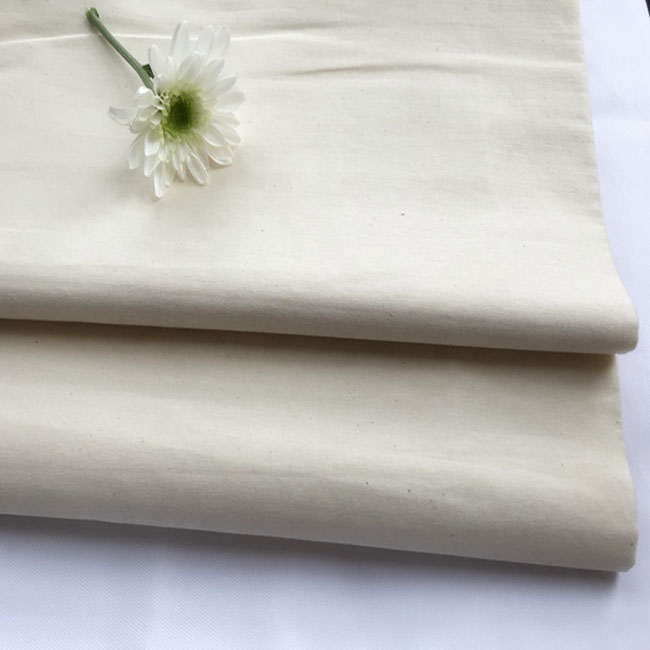
Source cotton and polyester/cotton woven bases, greige and bleached cloth, dyed and printed fabric, poplin and twill, pocketing/lining, workwear and uniform materials, bedding fabrics, cotton/polyester yarn and selected robe, headwear or industrial-material enquiries.
Explore this service ↗
Source printed and dyed rayon, cotton plain/poplin/twill/satin, raised and double-layer fabrics, stretch and polyester/cotton directions, selected fibre-blend briefs, rayon yarn/greige bases and print design, separation or strike-off services.
Explore this service ↗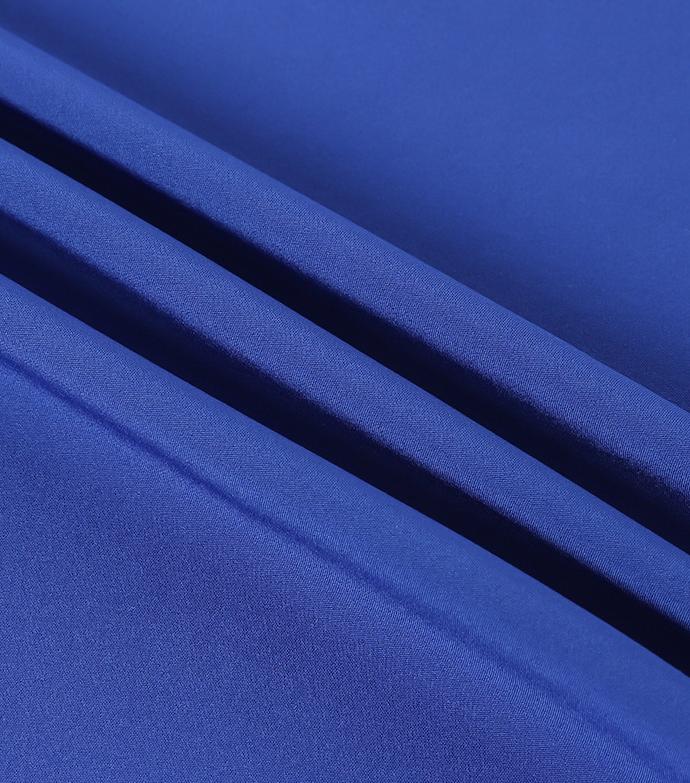
Source polyester and blended yarns, carded, combed and stretch greige, shirting, uniform twills, healthcare-uniform textiles, pocketing and Arabian trouser fabrics. Compare item-specific constructions, samples, finishing, inspection and roll packing.
Explore this service ↗Information basis: published product information reviewed . Reference details support a sourcing discussion. Current supply, samples and product-specific documents are confirmed for the selected item.