
Textile polyester filaments
Compare POY, FDY, DTY, composite, coloured and selected functional directions using construction-specific requirements.
Enquire about this range ↗Connect yarn, fabric and polymer specifications Source polyester textile and industrial material directions
Source polyester POY, FDY and DTY, composite and fine-filament directions, selected industrial yarns, satin and polyester/cotton fabric requests, PET chips and related polymer or film enquiries through an independent specification-led service.
Manufacturing, product documents and order conditions depend on the model and supply route selected for your project.

Start with a product reference, intended use and estimated quantity. We bring product selection, sample questions and quotation details into one conversation.
Email your reference image ↗Choose a focused product or discuss a coordinated assortment. Each direction can be developed into a more specific model and packaging brief.
Compare POY, FDY, DTY, composite, coloured and selected functional directions using construction-specific requirements.
Enquire about this range ↗Define total linear density and filament count separately; evaluate the required touch and downstream processing behaviour.
Enquire about this range ↗Assess twisted, coloured, automotive or flame-retardant yarn briefs with application-specific engineering validation.
Enquire about this range ↗Coordinate polyester satin, all-polyester and polyester/cotton directions around weave, drape, finished width, shade and test targets.
Enquire about this range ↗Set measurable stretch, recovery, moisture or antimicrobial targets before selecting the construction and evidence.
Enquire about this range ↗Compare spinning or industrial-polyester chip grades with current technical sheets and lot documentation.
Enquire about this range ↗Review polyester film and PBT/PBAT/PBS-related briefs as distinct conversion and grade-selection projects.
Enquire about this range ↗Assess substance identity, grade, destination and legal handling requirements before any commercial commitment.
Enquire about this range ↗Use these options to describe what you are buying. The public references identify your enquiry; the final model and specification are confirmed before an order.

Evaluate a combined-shrinkage yarn against the target drape and dyeing effect on a woven or knitted sample.
Compare lustre, unwinding and dye uniformity through the intended weaving or knitting trial.
Request the exact feedstock declaration, traceability and current scope before making a recycled-content claim.
Set bulk, crimp, dyeing and knitting behaviour around a confirmed sample. The selected grade and feedstock declaration must be established separately.
Compare mechanical-elastic or bicomponent directions through stretch, recovery and processing trials.
Coordinate the dyeing route, desired colour effect and final fabric colourfastness assessment.
A shaped-section yarn can be assessed for a moisture-management brief. Finished-fabric performance needs an agreed test and sample.
Assess a functional-yarn request against the intended organisms, method, wash durability and market requirements. Medical or protective use needs separate approval.
Review black shade, lustre and compatibility with the intended fabric construction.
Compare a polyester-based appearance and hand reference; a viscose-like feel does not establish viscose fibre content.
An elastic-yarn woven base can be sampled for blouses or tailored fashion; approve drape, recovery, opacity and dimensional change.
Specify strand count, twist direction and turns alongside strength and processing requirements.
Compare shade and the intended industrial construction. Different single-yarn and multi-ply ranges must be quoted separately.
Review an automotive textile raw-material brief under the required approval and validation process; this reference is not a vehicle-component certification.
Define the intended textile, burning test and conditioning. Any performance claim needs the current selected-grade report.
Select a spinning grade by processing needs and its current technical data and batch analysis.
Compare the grade for the intended industrial-filament route using the actual technical sheet and viscosity test method.
Request the exact polymer grade and processing information for the selected fibre, film or related conversion route.
Assess a polymer-processing request using a current grade technical sheet, drying conditions and the intended conversion method.
Define the downstream texturing process, linear density, filament count, lustre and lot requirements.
Share the target denier per filament, total linear density, process and final fabric hand for technical matching.
Develop lustre, drape, opacity and final fabric construction around a colour or swatch standard.
Specify the exact fibre ratio, yarn, weave and finished treatment before evaluating a blended cloth.
Compare fashion or functional briefs through composition, finished width, hand and relevant measured performance.
Assess fabric construction and finishing for a defined apparel or interior project.
Specify thickness, width, surface treatment and intended packaging, electrical or optical conversion.
Discuss a PBT, PET, PBAT or PBS resin brief by grade and end use; claims such as compostability need the exact applicable evidence.
Provide the required substance, grade, quantity, destination and handling requirements for a separate feasibility and documentation review.
Ranges belong to separate product families and do not mean every density and filament-count combination is available. Textile and industrial materials require different approvals. We act as an independent sourcing service; the legal supplier, exact grade, current availability and sales route are confirmed individually. Catalogue performance or certification descriptions require current scoped evidence.
Focus the sourcing conversation on the features, materials and production details that make a difference to your product range.
Start with chip, filament or finished fabric so technical enquiries reach the correct material and processing route.
Evaluate lustre, colour, texture and drape alongside unwinding, dyeing, weaving, knitting or downstream conversion requirements.
Request current grade data, samples and relevant reports before making functional, recycled-content or regulated-use claims.
Bring artwork, reference samples and a target cost. The available process, minimum quantity, sample charges and development scope are reviewed for the chosen option.
Share linear density, filament count, lustre, twist, interlace, feedstock and colour needs. Confirm the exact available combination and processing conditions.
Supply a swatch or construction brief covering composition, weave, mass, finished width, shade, stretch and any requested finish.
Define polymer grade or conversion targets, pack format, lot identification and label requirements. Bespoke options and trial quantities need case-specific confirmation.
Agree which product characteristics need testing and how the approved sample relates to the bulk order.
Review the selected grade sheet, fibre or polymer identity, density/count units, and sample performance in the intended process.
Link the approved sample, technical specification, batch information and inspection record; avoid mixing lots where it affects processing or colour.
Agree test methods, conditioning, wash durability, relevant approval scope and acceptance criteria for functional, industrial or regulated applications.
Test capability is a starting point for the inspection plan. Request the method, applicable model and results needed for your order.
Documents should identify the exact grade, batch, legal supplying route and intended market.
State the sales market, intended users and required files in your first enquiry. Current validity and scope are checked for the selected supplier and product; a category description does not certify every item.
Share your document requirements ↗Your sales channel changes the assortment, packaging and quality priorities. Tell us the intended use as well as the product name.
Compare filament and fabric directions for fashion, sportswear, lining, interiors or other specified sewn products.
Develop raw-material briefs for webbing, rope, hose or automotive textile conversion under the required validation process.
Evaluate chip, resin or film grades with drying, processing, surface and end-market requirements identified in advance.
Samples, commercial terms and responsibilities are agreed for the project. Use the same product and packing specification when comparing quotations.
Product, reference image, quantity, sales market and timing.
Review configuration, materials, sample scope and relevant documents.
Agree artwork, packaging, sample, testing and inspection criteria.
Set price, payment, production, delivery and defect remedies in writing.
Practical answers about this sourcing direction, customization and the reference options. Your agreed specification and written quotation determine the actual order.
We coordinate enquiries across polyester textile yarns, selected industrial filaments, fabric directions, PET chips and related materials. Each requires its own confirmed grade and supply route.
Provide the yarn type, total linear density, filament count, lustre, twist or interlace, colour, quantity and downstream process. Share a reference sample when possible.
No. Density and filament ranges describe a product family. The exact combination, current availability and technical limits must be confirmed.
Yes. Please specify the content requirement and required certification or chain-of-custody documents. Claims depend on the selected grade and current evidence.
Yes, through a defined technical brief. Flame, moisture, antimicrobial, load-bearing or automotive applications need their own tests and approvals.
Yes. Send composition, blend ratio, weave, mass, usable width, colour and intended use so a current matching construction can be assessed.
They depend on material, grade, quantity, colour, development work and current scheduling. We confirm them in the quotation without applying one policy to all materials.
Provide the intended conversion route, required grade or current technical sheet, viscosity or other key targets, quantity, packing, destination and document requirements.
Factory Sourcing Hub handles this enquiry as an independent sourcing and trading service. The product route, supplier suitability, sample scope and order responsibilities are agreed for the actual project.
Send the product reference, quantities per variation, customization and packaging. Prices, minimums, sample charges and delivery dates are confirmed in a current quotation; the page is not a live inventory or price feed.
Yes. State whether you need a reference sample, a customized sample or development work. Agree the sample cost and shipping, approval specification, inspection plan and remedy for non-conforming goods before the bulk order.
Reference images, drawings, logo artwork and a product list are useful. Include quantities, the intended users and sales market, packaging, required documents and timing. After submitting the form, email attachments to kunhuow@gmail.com with your enquiry reference.
A reference picture or a short description is enough to begin. Add the details you already know; the optional fields help make the follow-up more useful.
Download the enquiry checklist ↓
Independent sourcing and trading service. Supplier choice, service costs and order conditions are discussed for your project.
Product selection, customization, samples and quotation enquiries.
Compare separate product ranges and prepare a brief that fits your assortment.

Compare polyester spun, viscose, blended, melange and coloured yarn directions, plus selected recycled-content, polyester filament and PET raw-material enquiries for knitting and weaving.
Explore this service ↗
Source polyester POY, FDY and DTY, composite or mixed filaments, elastic and air-covered yarn directions, selected specialist fibres, PET chips and woven-fabric enquiries with construction-specific samples and documentation.
Explore this service ↗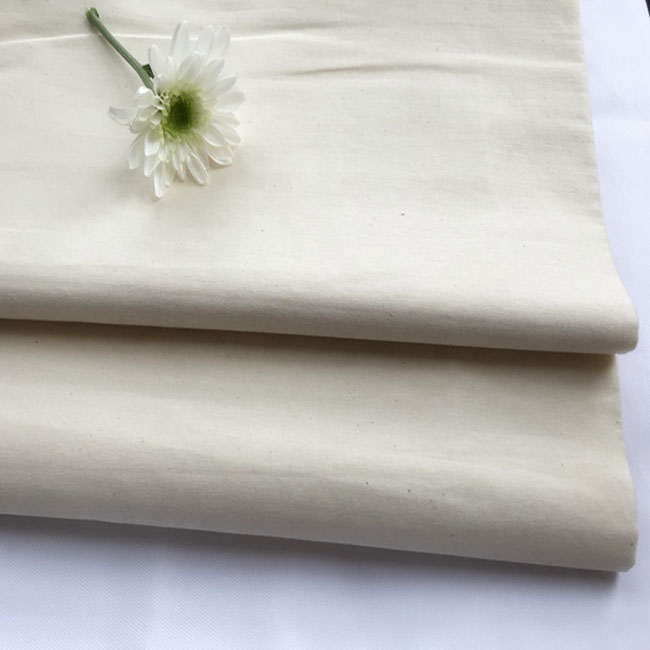
Source cotton and polyester/cotton woven bases, greige and bleached cloth, dyed and printed fabric, poplin and twill, pocketing/lining, workwear and uniform materials, bedding fabrics, cotton/polyester yarn and selected robe, headwear or industrial-material enquiries.
Explore this service ↗
Source nylon and polyester fabric requests, coating and print development, light downwear-shell references, casualwear and womenswear directions, outdoor or marine-cover materials and selected temperature-responsive or conductive textile enquiries.
Explore this service ↗Information basis: published product information reviewed . Reference details support a sourcing discussion. Current supply, samples and product-specific documents are confirmed for the selected item.