Independent B2B sourcing · One trading contactkunhuow@gmail.com ↗
FACTORY SOURCING HUBProduct sourcing for business buyers
Get a quote ↗
Home/Cables & Electrical Hardware/Overhead Conductors, Power-Line Hardware & Electrical Equipment Sourcing
CABLES, LINE FITTINGS, INSULATORS, SWITCHING, TOOLS & RELATED PROJECT EQUIPMENT

Build a coordinated overhead-line enquiry Compare conductors, fittings, insulation and equipment

Overhead Conductors, Power-Line Hardware & Electrical Equipment Sourcing

Source aluminium conductors, aerial bundled cables, pole-line hardware, preformed fittings, insulators, fuse cutouts, surge protection, transformers, distribution equipment, tools and related solar-lighting directions.

  • Compare conductor construction, cable accessories and matching mechanical fittings in one procurement brief.
  • Keep voltage, current, creepage, mechanical load and test requirements specific to the selected item.
  • Coordinate drawings, samples, inspection documents, drum lengths and packing before an order.

Manufacturing, product documents and order conditions depend on the model and supply route selected for your project.

Illustration of overhead conductors, pole hardware and line fittings
Category illustration. Confirm the conductor construction, hardware drawing, electrical duty and required tests for the selected project.

Start with a product reference, intended use and estimated quantity. We bring product selection, sample questions and quotation details into one conversation.

Email your reference image ↗
Conductor directionsAAC, AAAC, ACSR, ABC and additional reinforced families
Mechanical rangePole hardware, preformed fittings, stay wires and earthing
Electrical equipmentInsulators, switching, protection, transformers and distribution
Enquiry inputsProject schedule, drawings, standards, quantities and destination
Explore the product range

Build the range
your buyers need.

Choose a focused product or discuss a coordinated assortment. Each direction can be developed into a more specific model and packaging brief.

Bare aluminium conductors

Compare AAC, AAAC and steel-reinforced ACSR for an overhead-line schedule. Keep nominal and calculated conductor areas, strand construction, mechanical ratings and resistance separate in the approved specification.

Enquire about this range ↗

Additional reinforced conductor directions

Enquire about aluminium-alloy/steel-reinforced and aluminium-alloy-reinforced conductor families. Supply the required construction and utility standard; these options need their own current data sheet rather than inherited AAC or ACSR values.

Enquire about this range ↗

Aerial bundled and insulated power cables

Develop an ABC or other power-cable enquiry around phase sizes, neutral arrangement, insulation, voltage designation and drum lengths. The sample constructions below are project-specification references, subject to an agreed supply schedule.

Enquire about this range ↗

Preformed line fittings

Include tension and suspension fittings, splicing strips, armour rods and binding wires. Match each fitting to conductor material, exact diameter, span and the mechanical design; family names alone do not establish interchangeability.

Enquire about this range ↗

ABC suspension and connection accessories

Specify suspension or anchoring arrangements, connectors and associated overhead distribution accessories by cable construction and installation drawing. Confirm electrical connection, tightening and environmental requirements for each item.

Enquire about this range ↗

Pole and tower hardware

Build a hardware list covering eye bolts, hooks, plates, crossarms and related links. Drawings should define dimensions, holes, threads, material, surface finish and proof-load requirements.

Enquire about this range ↗

Stay wires and earthing items

Compare stranded stay-wire and earth-rod directions with the required strand construction, termination and corrosion protection. Calculated conductor breaking load is distinct from the working load of an installed guy system.

Enquire about this range ↗

Polymeric and porcelain insulators

Explore pin, suspension and horizontal-post constructions as well as porcelain directions. Define rated system voltage, mechanical duty, creepage, end fittings and the exact wet and impulse test requirements.

Enquire about this range ↗

Fuse cutouts and surge protection

Compare medium-voltage cutouts and arresters using a model-specific schedule. Rated voltage, continuous operating voltage, current and interrupting or impulse characteristics describe different duties and cannot be substituted for one another.

Enquire about this range ↗

Air-break and isolating switches

Prepare an outdoor isolation enquiry with voltage class, continuous current, pole arrangement, operating mechanism, installation clearances and verified withstand requirements.

Enquire about this range ↗

Heat-shrink cable accessories

Enquire about insulation and termination accessory directions against conductor size, cable construction, voltage class and the installation environment. Confirm kit contents and compatibility before selecting a package.

Enquire about this range ↗

Transformers and related accessories

Compare oil-immersed distribution, power-transformer and dry-type directions. Submit the required kVA, voltage ratio, vector group, losses, cooling, taps and local utility requirements for a project-specific proposal.

Enquire about this range ↗

Switchgear, distribution boxes and metering

Coordinate enclosures, switchgear and meter directions as distinct items in a bill of materials. Specify electrical duty, ingress protection, busbar arrangement, interfaces, drawings and the required inspection scope.

Enquire about this range ↗

Solar and new-energy project directions

Enquire about solar panels, off-grid system arrangements and associated energy equipment using an agreed load profile and site conditions. System output, storage, autonomy and component approval require a matched design.

Enquire about this range ↗

Street, area and traffic lighting

Explore solar or integrated street lights, separate LED street lights, floodlights, smart-lighting and traffic-light directions. Define photometric performance, control method, power supply and environmental duty for each product.

Enquire about this range ↗

Cable preparation and hydraulic tools

Include hydraulic crimpers, compression heads, pumps, terminal crimpers, cable cutters, busbar cutting/bending equipment and hydraulic punch tools. Match dies, force, conductor range and pump connections to the intended operation.

Enquire about this range ↗

Construction and operating tools

Enquire about fixed or telescopic operating-rod and related line-construction tool directions. Professional users should define working voltage, test regime, reach, insulation and operating procedures for the selected equipment.

Enquire about this range ↗
Reference product directions

Start with a product.
Define the details.

Use these options to describe what you are buying. The public references identify your enquiry; the final model and specification are confirmed before an order.

39.3 mm² all-alloy conductor reference sourcing illustration
REFERENCE 0216-01

39.3 mm² all-alloy conductor reference

A seven-strand alloy-conductor table example for comparing an overhead-line brief. Listed resistance and breaking load are calculated reference figures, not a certificate for a delivered drum.

Construction
7 × 2.67 mm
Calculated area
39.3 mm²
Overall diameter
8.01 mm
Approximate mass
107.32 kg/km
Calculated DC resistance at 20°C
0.8547 Ω/km
Calculated breaking load
12.50 kN
Discuss this option ↗
Steel-reinforced aluminium conductor reference sourcing illustration
REFERENCE 0216-02

Steel-reinforced aluminium conductor reference

Keep the aluminium and steel areas visible when comparing this reinforced construction. Confirm the specified standard, tolerance and acceptance tests with the current quotation.

Aluminium area
40 mm²
Steel area
6.67 mm²
Total area
46.67 mm²
Strands
Al 6 × 2.91 mm; steel 1 × 2.91 mm
Overall diameter
8.74 mm
Approximate mass
161.5 kg/km
Rated strength
14.40 kN
Listed DC resistance
0.7174 Ω/km
Discuss this option ↗
Nominal 100 mm² all-aluminium reference sourcing illustration
REFERENCE 0216-03

Nominal 100 mm² all-aluminium reference

A published conductor-table construction for comparing area, stranding, resistance and mechanical duty. Agree the applicable standard, current drawing and acceptance tests in the quotation.

Nominal area
100 mm²
Calculated area
106 mm²
Construction
7 × 4.39 mm
Overall diameter
13.17 mm
Approximate mass
290 kg/km
Calculated DC resistance at 20°C
0.2702 Ω/km
Calculated breaking load
16 kN
Discuss this option ↗
ABC with 25 mm² phase conductors sourcing illustration
REFERENCE 0216-04

ABC with 25 mm² phase conductors

A tender-style construction reference with an alloy neutral. Confirm the complete voltage designation, phase and neutral dimensions, applicable cable standard and the agreed acceptance table.

Phase construction
3 × 25 mm² aluminium
Neutral reference
54.6 mm² alloy
Phase insulation
XLPE, 1.4 mm listed
Phase DC resistance at 20°C
≤1.20 Ω/km in reference table
Discuss this option ↗
ABC with 35 mm² phase conductors sourcing illustration
REFERENCE 0216-05

ABC with 35 mm² phase conductors

Compare a larger bundled-cable direction using the same neutral reference. Current carrying capacity requires the actual design conditions and is not inferred from the catalogue size.

Phase construction
3 × 35 mm² aluminium
Neutral reference
54.6 mm² alloy
Phase insulation
XLPE, 1.6 mm listed
Phase DC resistance at 20°C
≤0.868 Ω/km in reference table
Discuss this option ↗
ABC with 50 mm² phase conductors sourcing illustration
REFERENCE 0216-06

ABC with 50 mm² phase conductors

A third bundled construction for a utility or contractor enquiry. Drum length, accessories, tests and marking need a coordinated specification.

Phase construction
3 × 50 mm² aluminium
Neutral reference
54.6 mm² alloy
Phase insulation
XLPE, 1.6 mm listed
Approval basis
Current project-specific cable schedule
Discuss this option ↗
Seven-strand stay-wire reference sourcing illustration
REFERENCE 0216-07

Seven-strand stay-wire reference

A stranded-wire catalogue example. The listed calculated tensile figure must not be treated as an installed working-load limit or a completed anchoring-system rating.

Strands
7
Individual strand diameter
4 mm
Calculated tensile strength
101 kN
Confirmation
Wire grade, coating and termination tests
Discuss this option ↗
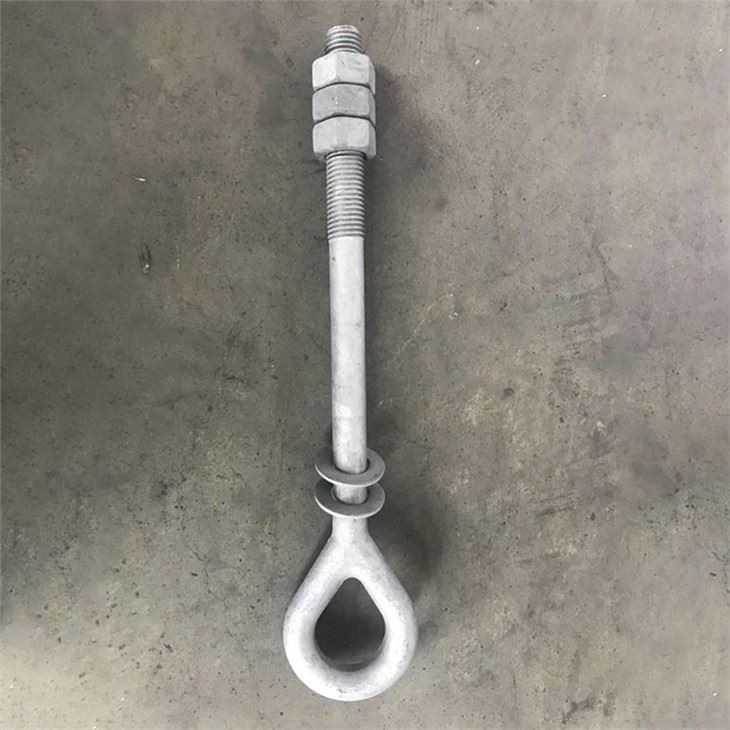
Nominal 16 mm eye-bolt direction sourcing illustration
REFERENCE 0216-08

Nominal 16 mm eye-bolt direction

Compare a pole-line eye bolt by the required drawing and fastening arrangement. Nominal diameter alone does not establish thread pitch or mechanical capacity.

Nominal diameter
16 mm
Listed length options
120, 150, 200, 250, 300 or 400 mm
To specify
Thread, eye geometry, material, finish and proof load
Discuss this option ↗
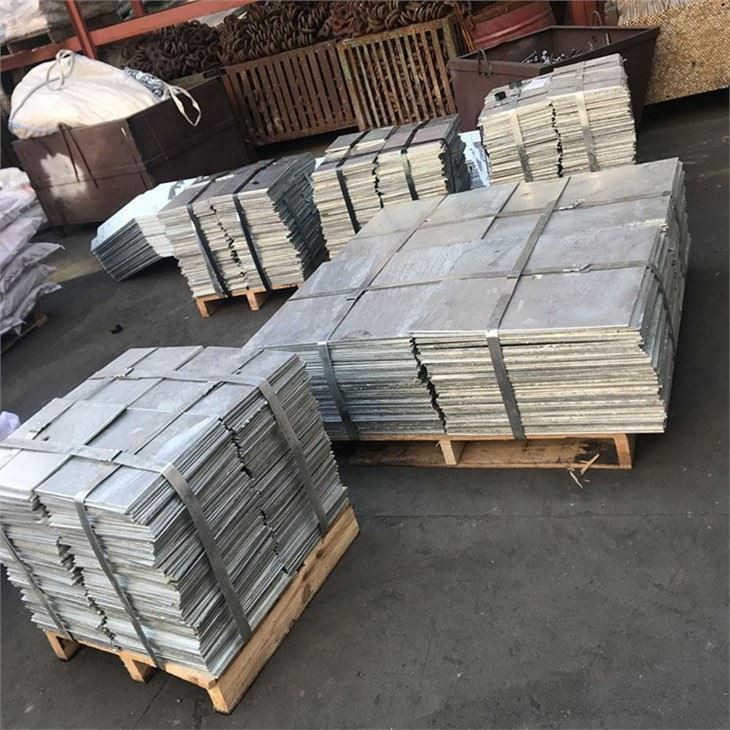
Square base-plate reference sourcing illustration
REFERENCE 0216-09

Square base-plate reference

A dimensional starting point for a line-hardware drawing. Hole pattern, material, finish and load design remain quotation-specific.

Listed size
300 × 300 × 6 mm
Required approval
Hole drawing, material and surface treatment
Discuss this option ↗
Long crossarm reference sourcing illustration
REFERENCE 0216-10

Long crossarm reference

Develop the required crossarm section and mounting arrangement around the published length. Confirm structural duty and coating from approved drawings.

Listed length
2500 mm
To define
Section, hole layout, material and loading
Discuss this option ↗
Outdoor air-break switch direction sourcing illustration
REFERENCE 0216-11

Outdoor air-break switch direction

The reference table lists a voltage and continuous-current range. Select the precise construction and operating arrangement through the engineering schedule.

Listed rated-voltage range
30–36 kV
Listed current range
400–1250 A
Reference creepage range
660–900 mm
Selection
Exact variant and withstand schedule required
Discuss this option ↗
33 kV surge-arrester reference sourcing illustration
REFERENCE 0216-12

33 kV surge-arrester reference

Compare rated and maximum continuous operating voltage separately. Residual-voltage tests, impulse duties and protection coordination require a clean current technical sheet.

Rated voltage
33 kV rms
Maximum continuous operating voltage
26.8 kV rms
Approval
System earthing, insulation coordination and verified tests
Discuss this option ↗
33 kV cutout reference sourcing illustration
REFERENCE 0216-13

33 kV cutout reference

A specific 100 A table configuration for initial evaluation. The interrupting value belongs to this configuration and does not extend to every cutout.

Rated voltage
33 kV
Rated current
100 A
Listed breaking current
8000 A
Listed creepage
820 mm
Listed impulse withstand
170 kV
Listed power-frequency withstand
70 kV
Discuss this option ↗
36 kV polymeric pin-insulator reference sourcing illustration
REFERENCE 0216-14

36 kV polymeric pin-insulator reference

A polymeric pin-insulator reference with a model-specific voltage and mechanical schedule. Confirm the end fittings, dimensions and matching test evidence for the selected construction.

Rated voltage
36 kV
Cantilever strength
8 kN
Structure height
440 mm
Insulating distance
320 mm
Minimum creepage
1000 mm
Lightning impulse withstand
185 kV
Wet power-frequency withstand
95 kV
Discuss this option ↗
35 kV suspension-insulator reference sourcing illustration
REFERENCE 0216-15

35 kV suspension-insulator reference

A suspension table example with its own voltage and mechanical duty. Installed string design, end fittings and site conditions require engineering approval.

Rated voltage
35 kV
Mechanical load
70 kN
Structure height
650 mm
Insulating distance
450 mm
Creepage
1225 mm
Lightning impulse withstand
230 kV
Wet power-frequency withstand
95 kV
Discuss this option ↗
Preformed tension and suspension fittings sourcing illustration
REFERENCE 0216-16

Preformed tension and suspension fittings

Prepare the exact conductor diameter and construction before selecting a fitting family. Armour rods, splicing strips and binding-wire requirements can be assessed alongside it.

Options
Tension, suspension, armour, splicing and binding directions
Required input
Conductor construction and mechanical drawing
Discuss this option ↗
Transformer and distribution equipment brief sourcing illustration
REFERENCE 0216-17

Transformer and distribution equipment brief

Compare separate oil-immersed and dry-type directions with the required switching and enclosure items. No common power rating or approval is assumed across them.

Directions
Distribution/power transformers; dry-type; accessories
Required input
kVA, ratio, vector group, cooling and tests
Discuss this option ↗
Solar and outdoor-lighting project brief sourcing illustration
REFERENCE 0216-18

Solar and outdoor-lighting project brief

Prepare the energy and lighting requirements together where a project needs both. Panel layouts or system names do not establish a guaranteed daily output.

Directions
Solar systems, street and flood lighting, controls
Required input
Load profile, photometry, autonomy and environmental duty
Discuss this option ↗
Hydraulic cable and busbar tooling brief sourcing illustration
REFERENCE 0216-19

Hydraulic cable and busbar tooling brief

Compare tools and matching accessories as a complete work package. Confirm conductor range, dies, pump interface and operating duty.

Directions
Crimping, cutting, punching and busbar preparation
Required input
Material, section, operation and matching dies
Discuss this option ↗
Operating-rod and construction-tool brief sourcing illustration
REFERENCE 0216-20

Operating-rod and construction-tool brief

Supply the professional operating requirements and site conditions for an insulated operating-tool enquiry. Voltage suitability and test evidence must be specific to the selected tool.

Directions
Fixed/telescopic operating rods and construction tools
Required input
Working duty, reach, insulation and required tests
Discuss this option ↗

Values above are catalogue or specification-table references for the stated construction. They require a current technical sheet, exact variant and agreed acceptance criteria. Calculated breaking loads are not installed working-load limits; current ratings depend on the specified system and conditions.

What matters for this category

A better brief.
A clearer comparison.

Focus the sourcing conversation on the features, materials and production details that make a difference to your product range.

01

Coordinate the complete line schedule

Develop a connected bill of materials across conductors, mechanical fittings, insulation and protection rather than comparing isolated product names.

02

Compare the parameters that change selection

Separate conductor areas and stranding, continuous voltage and current, breaking capacity, mechanical duty and installation interfaces for an effective technical comparison.

03

Extend the enquiry when a project needs more

Bring distribution equipment, specialist tools and solar or outdoor-lighting directions into a defined sourcing scope, with independent specifications for each family.

Branding, configuration & packaging

Make the product
fit your programme.

Bring artwork, reference samples and a target cost. The available process, minimum quantity, sample charges and development scope are reviewed for the chosen option.

01

Drawing-led mechanical work

Provide bolt threads, crossarm sections, hole patterns, plates, materials, coating and load requirements. Request an approved drawing and sample plan before committing to a changed construction.

02

Cable and electrical schedules

State conductor sizes, insulation, drum lengths, system voltage and earthing, pollution environment, creepage and the applicable standard and revision.

03

Marking, samples and packing

Request project markings, cable-drum or pallet arrangements and sample quantities against the selected item. Artwork, sample charges, tooling, minimum quantity and production timing need written confirmation.

Quality & product evidence

Turn requirements
into checks.

Agree which product characteristics need testing and how the approved sample relates to the bulk order.

01

Approve matching technical evidence

Ask for the actual offered construction and current type or routine test documentation. A general company certificate does not certify every cable, insulator or switch.

02

Agree inspection by product family

Define dimensional and coating checks for hardware, electrical and mechanical tests for conductors or insulators, and the relevant functional or withstand tests for equipment.

03

Check assembly compatibility

Review conductor-to-fitting match, hole and thread interfaces, creepage and mounting dimensions, operating mechanisms and the approved installation drawings before release.

Test capability is a starting point for the inspection plan. Request the method, applicable model and results needed for your order.

Documents matched to the order

Ask for evidence
that fits the product.

Request documentation for the exact offered article and its legal supply route. Required reports, approval marks and inspection scope should be agreed before sampling or production.

State the sales market, intended users and required files in your first enquiry. Current validity and scope are checked for the selected supplier and product; a category description does not certify every item.

Share your document requirements ↗
Technical selection file
Current data sheets, conductor and hardware drawings, equipment configuration, bill of materials, standard references and revision control.
Inspection and test file
Applicable type/routine tests, material or coating records and agreed dimensional, electrical or mechanical inspection results for the offered model and batch.
Commercial and shipping file
Itemised quotation, sample and tooling terms, confirmed minimum quantity and lead time, packing/drum details, weights and shipment documents.
Built around how you sell

Different buyers.
Different specifications.

Your sales channel changes the assortment, packaging and quality priorities. Tell us the intended use as well as the product name.

01

Utility and overhead-line projects

Prepare an engineer-approved schedule for conductor, insulator, hardware and protection procurement with a clearly defined network duty.

02

Electrical contractors and distributors

Compare stock-range requirements or project-specific packages with exact part drawings, acceptance documents and packing requirements.

03

Industrial and energy infrastructure

Coordinate separate transformer, distribution, tooling and outdoor-energy or lighting enquiries around a defined project specification.

From first brief to a defined order

One contact.
A practical next step.

Samples, commercial terms and responsibilities are agreed for the project. Use the same product and packing specification when comparing quotations.

01

Share the requirement

Product, reference image, quantity, sales market and timing.

02

Compare suitable options

Review configuration, materials, sample scope and relevant documents.

03

Approve the specification

Agree artwork, packaging, sample, testing and inspection criteria.

04

Confirm the order plan

Set price, payment, production, delivery and defect remedies in writing.

Buyer questions

Before you send
your first enquiry.

Practical answers about this sourcing direction, customization and the reference options. Your agreed specification and written quotation determine the actual order.

Which conductor families can I enquire about?

AAC, AAAC, ACSR and aerial bundled directions are included, with additional alloy/steel or alloy-reinforced families available for specification review. Provide the required standard, cross-section and stranding.

Can a fitting be selected only from the nominal cable size?

No. Supply the conductor material, actual diameter, construction, mechanical duty and installation drawing so that the fitting can be evaluated against the actual cable.

Are the values on this page guaranteed for every order?

They are stated reference constructions. The current quotation and approved data sheet must identify the exact offered variant, tolerances, standard revision and acceptance criteria.

Do a breaking load and a working load mean the same thing?

They are different quantities. A conductor or wire breaking-load reference does not establish an installed system working-load limit, which requires the project design and appropriate safety factors.

Can I request a sample or modified drawing?

Send the drawing, required tests, quantity and destination. Sample availability, fees, tooling and the minimum quantity for a modified article are confirmed for the selected product.

Are all products supplied under the same certification?

Documentation must match the actual offered model, producer and destination requirements. Request applicable reports and confirm their scope instead of assuming one approval covers the full range.

Can you include tools, transformers or solar-lighting equipment?

These directions can be included in a sourcing enquiry with separate technical schedules. Electrical compatibility, performance, packing and approval are assessed for each family.

What should I send for an itemised quotation?

Send the bill of materials, drawings or part descriptions, system and mechanical duty, required standards and reports, quantities, packing and shipment destination.

Who handles my enquiry?

Factory Sourcing Hub handles this enquiry as an independent sourcing and trading service. The product route, supplier suitability, sample scope and order responsibilities are agreed for the actual project.

How do I get a price and order minimum?

Send the product reference, quantities per variation, customization and packaging. Prices, minimums, sample charges and delivery dates are confirmed in a current quotation; the page is not a live inventory or price feed.

Can I discuss samples and inspection before ordering?

Yes. State whether you need a reference sample, a customized sample or development work. Agree the sample cost and shipping, approval specification, inspection plan and remedy for non-conforming goods before the bulk order.

What should I attach to my email?

Reference images, drawings, logo artwork and a product list are useful. Include quantities, the intended users and sales market, packaging, required documents and timing. After submitting the form, email attachments to kunhuow@gmail.com with your enquiry reference.

Tell us what you are planning

Your next order
starts with a brief.

A reference picture or a short description is enough to begin. Add the details you already know; the optional fields help make the follow-up more useful.

  • Bill of materials, construction drawings and exact item quantities
  • Voltage, current, conductor size, mechanical loads and environmental duty
  • Applicable standard and revision, required tests, sample and inspection scope
  • Drum lengths, project marking, packing and shipment destination
kunhuow@gmail.com

Download the enquiry checklist ↓

Independent sourcing and trading service. Supplier choice, service costs and order conditions are discussed for your project.

Discuss your requirements.

Product selection, customization, samples and quotation enquiries.

Add product, quantity or customization details (optional)

Submit your enquiry directly. We use your details to respond to your sourcing request. For attachments, email kunhuow@gmail.com with your enquiry reference. Enquiry data use.

Information basis: published product information reviewed . Reference details support a sourcing discussion. Current supply, samples and product-specific documents are confirmed for the selected item.

Have a product in mind?
Share your sourcing brief.
Send an enquiry ↗