
Miniature AC circuit breakers
Compare poles, current, trip curve and short-circuit duty for a DIN-rail or panel layout. Confirm the exact variant, accessories and current test evidence.
Enquire about this range ↗Circuit Protection & Electrical Hardware Coordinated for Your Installation
Source miniature, moulded-case and air breakers, residual-current devices, contactors, starters, fuses, isolators, timers, controls, meters, distribution boxes, terminals, sockets, cable accessories, tools and related lighting directions.
Manufacturing, product documents and order conditions depend on the model and supply route selected for your project.

Start with a product reference, intended use and estimated quantity. We bring product selection, sample questions and quotation details into one conversation.
Email your reference image ↗Choose a focused product or discuss a coordinated assortment. Each direction can be developed into a more specific model and packaging brief.
Compare poles, current, trip curve and short-circuit duty for a DIN-rail or panel layout. Confirm the exact variant, accessories and current test evidence.
Enquire about this range ↗Explore RCCB, leakage-device and RCBO directions with the required waveform, sensitivity, neutral arrangement and overcurrent functions. These devices are not interchangeable.
Enquire about this range ↗Develop a power-distribution brief with frame, trip, poles, voltage and breaking-duty requirements. Coordinate protection and installation dimensions for the actual equipment.
Enquire about this range ↗Compare AC contactors, coils, auxiliary blocks, interlocking and motor-starting arrangements. Include capacitor-switching duty as a separate enquiry requiring an appropriate offered model.
Enquire about this range ↗Specify coil supply, motor load, overload range, reset and enclosure. Select the contactor, overload relay and short-circuit device as a coordinated system.
Enquire about this range ↗Include low-voltage fuse links and holders, load-isolation and changeover arrangements. Confirm physical size, operating duty, fuse class and switching sequence.
Enquire about this range ↗Explore low-voltage surge-protection and separate medium-voltage arrester or cutout directions. Specify system earthing, voltage, impulse duty, mounting and current technical evidence.
Enquire about this range ↗Select actuator, contact action, travel, mounting and circuit duty for micro, limit, snap-action or pedal controls. Safety functions require a validated application.
Enquire about this range ↗Compare rotary/universal changeover, weather-protected isolation and related control directions. State the contact chart, utilisation category, enclosure and locking needs.
Enquire about this range ↗Include timing, general, solid-state, photo-control and liquid-level directions. Specify supply, contact duty, timing range and sensor or load interface for each device.
Enquire about this range ↗Compare signal lamps, illuminated controls, mushroom heads, selector and pushbutton directions by mounting, colour, voltage and contact configuration.
Enquire about this range ↗Develop energy-meter and instrument requirements around phase, supply, measurement function, display and accuracy. Current destination approval and installation rules need separate confirmation.
Enquire about this range ↗Enquire about protected or general distribution enclosures, device layouts and photovoltaic DC switching boxes. State system voltage/current, protection, entries and the complete assembly specification.
Enquire about this range ↗Coordinate conductor sizes, poles, material, current duty, finger/pin interfaces and mounting rails. Approve the complete mating arrangement and insulation clearances.
Enquire about this range ↗Include metal or plastic conduit fittings, compression or screw types, liquid-tight connections, hubs, locknuts and box connection parts. Match threads and the environment.
Enquire about this range ↗Specify poles, voltage, current, clock position, mating format and environmental duty. Portable reels, wall switches and bell directions can be included as separate items.
Enquire about this range ↗Compare manual ratchet, hydraulic and combination-tool sets against terminal type and conductor range. Confirm dies, tool duty, spares and sample crimp acceptance.
Enquire about this range ↗Include connecting tubes, copper/aluminium terminals, clamps, line hardware and insulation-piercing directions. Match conductor construction, material, torque and mechanical duty.
Enquire about this range ↗Enquire about cable ties, clips, mounts, ducts, glands, wire joints, wrapping bands, markers, heat-shrink and busbar insulation. Specify dimensions, material and installation requirements.
Enquire about this range ↗Compare relay, servo and contact-regulator directions with the required phase, input range, output, VA rating and load. Confirm actual tolerances and protection settings.
Enquire about this range ↗Build a cubicle or cabinet brief with electrical duty, busbar layout, drawers, operating mechanisms, metal parts and inspection requirements. A family label does not establish assembly approval.
Enquire about this range ↗Include LED flood, high-bay and street-light directions as well as other area fixtures. State input, photometry, colour, mounting and environmental requirements.
Enquire about this range ↗Compare toggle/rocker controls, duplex or tamper-resistant receptacles, GFCI, USB outlets, dimmers, boxes and wallplates. Select exact regional wiring and current documentation.
Enquire about this range ↗Load or knife-switch, automatic transfer, vacuum-breaker and high-voltage current-limiting fuse requirements can be listed for separate technical and supply confirmation. Do not infer a current offered model from a broad project description.
Enquire about this range ↗Use these options to describe what you are buying. The public references identify your enquiry; the final model and specification are confirmed before an order.

A published AC family reference. Breaking capacity, current and curve must be specified as the selected variant.
Select the actual operating mechanism and waveform variant. Conditional current is not an independent overcurrent-breaking rating.
A line-voltage-dependent combined direction with solid neutral. Confirm the offered sensitivity, current and test basis.
Develop the exact frame and trip schedule. Insulation voltage and operating voltage describe different ratings.
A separate distribution breaker family. Select the exact frame, release and current rating through the engineering schedule.
A catalogue contactor example with distinct motor utilisation duties. Choose the correct coil and auxiliary arrangement.
Coordinate the contactor, overload device and motor duty rather than selecting only by enclosure appearance.
Compare exact fuse size, current, voltage and class with its holder. Obtain current interruption evidence for the offered item.
A specific daily timer table example. Confirm contact load and the actual supply variant before use.
Compare mounting and contact behaviour with the control load and current item sheet.
Provide the required positions and contact sequence. A thermal-current label alone is not a motor-switching rating.
Confirm the exact supplied construction, conduit entries and tested enclosure conditions.
Compare actuator, illumination and contact options against the panel and circuit design.
A catalogue metering direction requiring current local suitability and approval.
Agree the exact device layout, entries and assembled condition rather than treating box appearance as a complete distribution rating.
Confirm plastic option, conductor suitability and terminal tests for the offered strip.
A specific smaller-current catalogue arrangement. Match the exact mating device and wiring.
Match dies and terminals and approve sample crimps before selecting a production tool.
Compare the input/output reference with load, VA size and actual protection requirements.
Develop a project schedule and current assembly evidence. Ambiguous catalogue voltage/current labels are not converted into a rating.
A specific floodlight catalogue row. Confirm current photometric and ingress evidence for the offered fixture.
Keep the selected rated voltage, continuous operating voltage and discharge class separate. Complete protection coordination needs engineering approval.
Provide the system voltage, required interruption duty, housing, mounting and installation drawing for selection of the exact cutout.
A catalogue receptacle option for the appropriate wiring market. Obtain current exact-model approval rather than relying on printed logos.
The specifications are published catalogue references for the stated configuration. Current availability, exact model, test basis, approval and drawings require confirmation. Insulation voltage, operating voltage, conditional current and breaking capacity describe different quantities; a family range does not establish every possible combination.
Focus the sourcing conversation on the features, materials and production details that make a difference to your product range.
Prepare a connected bill of materials across protective devices, control components, distribution enclosures and wiring hardware rather than collecting unrelated product names.
Keep trip curve, residual-current function, poles, duty category, coil and connector arrangement visible so quotations can be assessed against the application.
Include terminals, busbars, glands, ducts, tools and cabinet parts alongside the principal devices, with their own dimensional and inspection requirements.
Bring artwork, reference samples and a target cost. The available process, minimum quantity, sample charges and development scope are reviewed for the chosen option.
Provide the electrical schedule, contact chart, coil voltage, poles, curves, sensitivity, terminals and mounting. Request a current exact-item sheet and approved drawing.
Submit enclosure layout, busbar arrangement, protection coordination, inlets/outlets and wiring diagrams. PV, medium-voltage or transfer-system requirements need separate engineering schedules.
Request artwork, labels, sample quantities, cartons and protective packing against the selected item. Tooling, minimum quantities, sample charges and production timing are confirmed in writing.
Agree which product characteristics need testing and how the approved sample relates to the bulk order.
Request current reports and declarations matching the actual configuration, producer and destination. Historical catalogue standard references or corporate certificates do not establish current approval.
Define breaker/protection tests, contactor or switch functions, timer settings, dimensional checks, terminal connections and enclosure inspection as applicable.
Review protection coordination, mating interfaces, conductor sizes, mounting and circuit drawings. Individual component ratings do not establish approval of the finished distribution assembly.
Test capability is a starting point for the inspection plan. Request the method, applicable model and results needed for your order.
Request a current product-specific technical and acceptance file. Specifications and reports must identify the exact offered configuration, with particular care for residual-current devices, DC switching and medium-voltage equipment.
State the sales market, intended users and required files in your first enquiry. Current validity and scope are checked for the selected supplier and product; a category description does not certify every item.
Share your document requirements ↗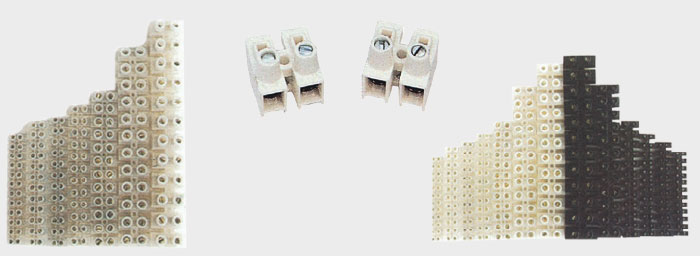
Your sales channel changes the assortment, packaging and quality priorities. Tell us the intended use as well as the product name.
Develop breaker, residual-current, fuse, isolation and enclosure requirements for a defined low-voltage installation.
Coordinate contactors, overloads, starters, switches, timers, indicators and connection hardware around the actual motor and control circuit.
Compare a documented range of devices and supporting hardware for distribution or a project bill of materials, including separately specified lighting or utility items.
Samples, commercial terms and responsibilities are agreed for the project. Use the same product and packing specification when comparing quotations.
Product, reference image, quantity, sales market and timing.
Review configuration, materials, sample scope and relevant documents.
Agree artwork, packaging, sample, testing and inspection criteria.
Set price, payment, production, delivery and defect remedies in writing.
Practical answers about this sourcing direction, customization and the reference options. Your agreed specification and written quotation determine the actual order.
Miniature, moulded-case and air breakers, residual-current devices, combined protection, fuses and surge-protection directions can be assessed against the required duty. State the exact voltage, current, poles and protection functions.
Identify whether overcurrent protection is required in addition to residual-current operation. Waveform type, sensitivity, neutral arrangement and breaking or conditional duty must match the offered device.
Provide the motor/load, utilisation duty, control voltage, overload range, reset and enclosure. The contactor, relay and short-circuit device need appropriate coordination.
Include conductor sizes, device layout, interfaces, dimensions and environmental duty. Specify wiring, connection and inspection requirements for the complete assembly.
Request current documents matching the exact article, ratings, producer and destination. Company certificates, old catalogue standards and printed approval marks do not replace model-specific evidence.
Provide the complete engineering schedule for load/knife switching, automatic transfer, vacuum breakers or current-limiting fuses. Current model availability, duty and documentation require separate confirmation.
Send the item list, artwork, quantities, sample tests and packing needs. Feasibility, minimum quantities, charges, tooling and current production timing are confirmed for the selected products.
Send the itemised circuit schedule, voltage/current and protection duties, drawings or contact charts, standards and documents required, quantities, packing and shipment destination.
Factory Sourcing Hub handles this enquiry as an independent sourcing and trading service. The product route, supplier suitability, sample scope and order responsibilities are agreed for the actual project.
Send the product reference, quantities per variation, customization and packaging. Prices, minimums, sample charges and delivery dates are confirmed in a current quotation; the page is not a live inventory or price feed.
Yes. State whether you need a reference sample, a customized sample or development work. Agree the sample cost and shipping, approval specification, inspection plan and remedy for non-conforming goods before the bulk order.
Reference images, drawings, logo artwork and a product list are useful. Include quantities, the intended users and sales market, packaging, required documents and timing. After submitting the form, email attachments to kunhuow@gmail.com with your enquiry reference.
A reference picture or a short description is enough to begin. Add the details you already know; the optional fields help make the follow-up more useful.
Download the enquiry checklist ↓
Independent sourcing and trading service. Supplier choice, service costs and order conditions are discussed for your project.
Product selection, customization, samples and quotation enquiries.
Compare separate product ranges and prepare a brief that fits your assortment.
Source low-voltage and DC circuit protection, EV charging equipment, distribution boxes, motor control, sensors, meters and industrial connection products. Compare specific electrical ratings, configuration, customization and documentation for your project.
Explore this service ↗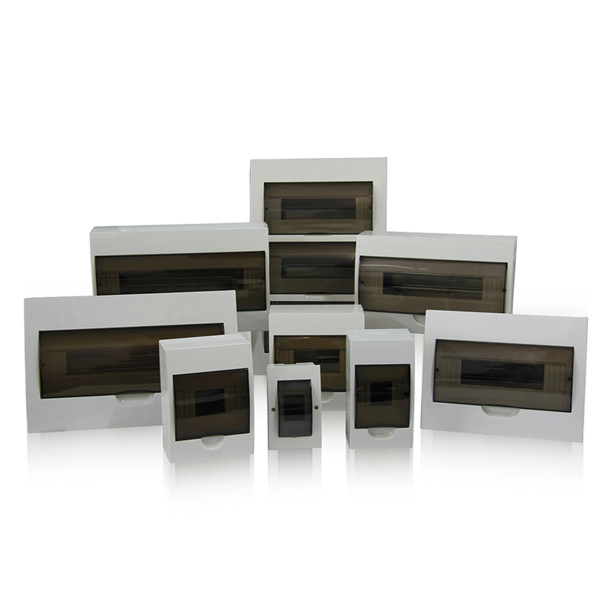
Source fixed, adjustable and electronic circuit protection, motor switching, distribution boxes and matched accessories. Compare voltage-specific fault ratings, trip settings, mounting, packaging and technical-document requirements for each product.
Explore this service ↗
Source circuit protection, contactors, relays, distribution boxes, transformers, switchgear, overhead-line accessories and selected AC or DC charging equipment through a coordinated technical enquiry.
Explore this service ↗
Source low-voltage circuit protection, transfer switches, contactors, starters, distribution boxes, smart gateways and solar electrical products. Match individual ratings, protection functions, mounting, communication and documents to the installation.
Explore this service ↗Information basis: published product information reviewed . Reference details support a sourcing discussion. Current supply, samples and product-specific documents are confirmed for the selected item.