
Indoor FTTH drop cables
Compare bow-type drop constructions with non-metallic or steel strength members, fibre count, jacket and termination requirements. Define the indoor route and required building-fire documentation.
Enquire about this range ↗Fibre & Network Cabling From Access Routes to Patch Connections
Source FTTH drop cable, indoor and outdoor optical fibre, self-supporting and armoured directions, Cat5e–Cat8 network cable, RJ45 and optical patch assemblies, hybrid cabling and related infrastructure connections.
Manufacturing, product documents and order conditions depend on the model and supply route selected for your project.
Start with a product reference, intended use and estimated quantity. We bring product selection, sample questions and quotation details into one conversation.
Email your reference image ↗Choose a focused product or discuss a coordinated assortment. Each direction can be developed into a more specific model and packaging brief.
Compare bow-type drop constructions with non-metallic or steel strength members, fibre count, jacket and termination requirements. Define the indoor route and required building-fire documentation.
Enquire about this range ↗Enquire about drop cables with an additional messenger and matched strength members. Select span, tension, sag, hardware and environmental requirements through the project design.
Enquire about this range ↗Compare compact multi-core, backbone and individually protected breakout constructions. Define fibre type/count, subunits, jacket, bend limits and connectorisation.
Enquire about this range ↗Prepare simplex, duplex or tight-buffer requirements for termination and internal routing. State fibre mode, diameter, jacket and the desired finished assembly.
Enquire about this range ↗Compare uni-tube or stranded loose-tube, armoured or non-armoured and messenger-supported directions. Specify duct, aerial or burial method and mechanical design rather than assuming one cable suits every route.
Enquire about this range ↗Explore all-dielectric self-supporting, compact access and air-blown micro-cable options. Span, electric-field environment, duct size and blowing conditions require project-specific evaluation.
Enquire about this range ↗Include metal or non-metal strength members, moisture barriers, single/double armour, ribbon and high-density directions. Agree the exact construction and acceptance tests.
Enquire about this range ↗Develop an overhead ground-wire fibre brief with the utility engineering schedule. Fibre capacity, metallic construction, fault-current duty, breaking force and fittings require an approved design.
Enquire about this range ↗Compare combined optical and electrical constructions against fibre type, copper conductor arrangement and the intended equipment. Electrical voltage/current and optical performance need their own schedule.
Enquire about this range ↗Specify connector format, polish, polarity, mode, fibre count, length and insertion/return-loss acceptance. Include trunk, pigtail and outdoor connector directions where required.
Enquire about this range ↗Compare Cat5e, Cat6, Cat6A, Cat7 and Cat8 directions around conductor gauge, shielding, jacket and the intended channel. Confirm a current tested construction and link design before promising transmission performance.
Enquire about this range ↗Explore U/UTP, overall-foil, foil-plus-braid and individually shielded pair directions. Select PVC, LSZH or outdoor PE against the actual installation and required fire or environmental documentation.
Enquire about this range ↗Compare single PE and inner/outer jacket constructions with the appropriate copper gauge and shielding. Define exposure, routing, tension, bend requirements and termination protection.
Enquire about this range ↗Enquire about shielded or unshielded category patch cords, round or flat formats, conductor gauge, boot and finished lengths. Approve the actual cable-and-plug construction.
Enquire about this range ↗AOC and direct-attach interconnect requests need an exact transceiver/interface schedule, end equipment and compatibility review. Confirm the actual offered assembly and data sheet before selecting speed or reach.
Enquire about this range ↗Include coaxial cables and network/fibre accessories in a defined sourcing brief. Telephone, power wiring, modules, plugs or cabinet requirements can be listed separately for current item confirmation.
Enquire about this range ↗Provide the interface and cabling needs for dialler, wireless alarm, door-contact, infrared detection or remote-switch projects. Complete alarm-device supply and wireless compatibility require separate confirmation.
Enquire about this range ↗Develop cable routing, connection and dress-package requirements for a robot or automated cell. Movement, bend/torsion duty, connectors and integration scope need approval; complete robot or automation-equipment supply is separately evaluated.
Enquire about this range ↗Use these options to describe what you are buying. The public references identify your enquiry; the final model and specification are confirmed before an order.

A compact reference with parallel non-metallic strength members. Listed mechanical values require confirmation for the offered construction.
A separate steel-strength construction with its own weight and load values.
A self-supporting drop direction requiring an engineered route, hardware and sag/tension schedule.
A mini-cable example with different listed jacket weights. Select the actual fibre count and jacket in the approved schedule.
Compare a breakout structure using individually protected subunits and a central strength member.
A larger breakout construction with separate dimensional and load data.
A stated outdoor cable construction. Mechanical ratings alone do not approve the span or support arrangement.
A table example for an engineer-reviewed utility schedule. Rated breaking force is not a permissible installed working tension.
Compare jacket and mechanical design with the actual site and electrical environment. Span must be confirmed for the project conditions.
A compact fibre direction to be matched to the microduct and installation process. Do not infer a blowing distance from diameter alone.
Compare the optical unit and separate copper conductors with an agreed electrical duty. A withstand test is not an operating-voltage rating.
Specify fibre mode and polish, then agree the corresponding loss limits. Outdoor sealing requires the exact connector and mating conditions.
Develop male/female multi-fibre trunk requirements with an agreed fibre mode, polarity and loss grade. Confirm the actual offered part and connector supplier.
A construction-table example. The current sheet and channel test should resolve any inconsistent catalogue labelling before an order.
Compare a foil-screened copper construction with the required drain and earthing arrangement.
Select the exact jacket, colour and channel test requirements for this construction.
Specify the overall foil and drain arrangement along with conductor and jacket requirements.
A separate screened construction with a different finished diameter.
Compare per-pair foil with overall tinned-copper braid for the specified installation.
Cat7 and Cat8 constructions can be reviewed without assuming a shared bandwidth or reach. Request a current tested channel schedule.
An outdoor construction-table direction. Confirm environmental requirements and the actual shielding arrangement before approval.
A single-PE outdoor construction with its own gauge and diameter.
Compare finished patch cords by the exact category, shielding, gauge, length and boot. Round and flat constructions have separate gauge directions.
List the cable and interface requirements for an alarm, robot cell or automation project. Whole-device procurement is a separate scope requiring confirmation.
Published figures are reference constructions, not batch test certificates or a complete installed-link design. Confirm the current exact item, tolerances, cable route and acceptance requirements. Working tension, breaking force and installation load describe different duties. Category names and connector appearance alone do not guarantee transmission speed, reach or compatibility.
Focus the sourcing conversation on the features, materials and production details that make a difference to your product range.
Develop a coordinated schedule for backbone/access cable, copper links, patch assemblies, connectors and the project route rather than isolated cable names.
Compare strength members, armour, shielding, jacket, diameter and conductor or fibre arrangement against installation, termination and environmental requirements.
Define required lengths, colours, jacket markings, connector options and reel or box presentation, then approve samples and matching inspection criteria.
Bring artwork, reference samples and a target cost. The available process, minimum quantity, sample charges and development scope are reviewed for the chosen option.
Specify fibre type/count or copper gauge/category, strength members, shielding, jacket, colour, length and printing. Confirm construction changes through approved sheets and samples.
Provide connector format, polish, polarity, boot, length and loss limits. For high-speed interconnects include the exact equipment and interface compatibility requirements.
Request sample construction, reel or pull-box length, cable protection, labels and pallet plan. Minimum quantities, sample charges, tooling and current production timing need written confirmation.
Agree which product characteristics need testing and how the approved sample relates to the bulk order.
Agree the appropriate copper-channel or optical insertion/return-loss tests and the offered cable construction. Request reports tied to the selected item and agreed batch scope.
Review conductor/fibre arrangement, diameter, jacket, length marking, bend limits, tensile/crush test conditions, connector end faces and polarity where applicable.
Confirm current model-specific product, fire-classification or environmental documentation for the actual installation and destination. A general company logo or family statement does not cover every variant.
Test capability is a starting point for the inspection plan. Request the method, applicable model and results needed for your order.
Request the current technical and test file for the offered construction. Cable category, fire classification, jacket suitability and connector acceptance need their own evidence and approved configuration.
State the sales market, intended users and required files in your first enquiry. Current validity and scope are checked for the selected supplier and product; a category description does not certify every item.
Share your document requirements ↗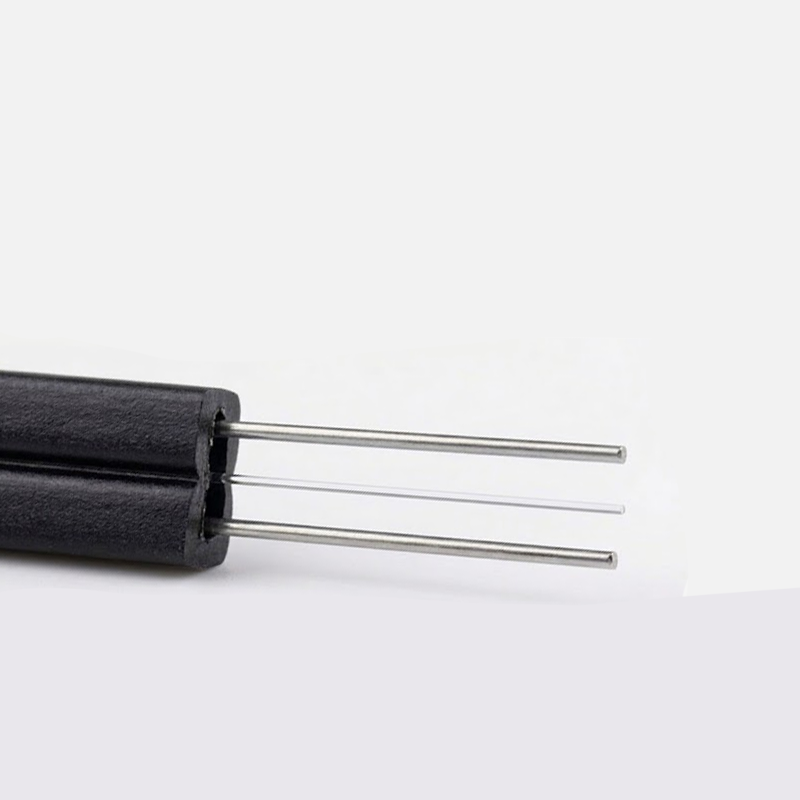
Your sales channel changes the assortment, packaging and quality priorities. Tell us the intended use as well as the product name.
Prepare fibre schedules for FTTH, building entry, aerial, duct and backbone routes with a defined mechanical and optical design.
Compare copper horizontal cabling, indoor fibre, patch assemblies and outdoor links with exact interfaces and tested channel requirements.
Define cables and connection assemblies for data facilities, monitoring, alarm or automation applications; confirm any complete-equipment procurement separately.
Samples, commercial terms and responsibilities are agreed for the project. Use the same product and packing specification when comparing quotations.
Product, reference image, quantity, sales market and timing.
Review configuration, materials, sample scope and relevant documents.
Agree artwork, packaging, sample, testing and inspection criteria.
Set price, payment, production, delivery and defect remedies in writing.
Practical answers about this sourcing direction, customization and the reference options. Your agreed specification and written quotation determine the actual order.
FTTH drop, indoor mini/distribution/breakout, simplex or duplex, outdoor loose-tube, figure-eight, dielectric self-supporting, armoured, air-blown, ribbon and ground-wire directions can be specified. Provide the route, fibre type/count and mechanical duty.
Yes. List cable category, conductor, shielding, jacket, bulk lengths and finished cord lengths or connectors separately so the components can be evaluated as a complete channel.
The current tested construction, installed channel, connectors and equipment determine suitability. Request an agreed performance schedule and matching reports rather than relying on the category name alone.
Provide the actual installation method, span or duct/burial conditions, wind/ice requirements, tension and environmental limits. Strength members, armour and fittings must match the engineered route.
These directions can be requested with lengths, jackets, artwork, labels and reel or box requirements. Feasibility, tooling, sample costs, minimum order and current timing need a written quotation.
Ask for the current construction sheet, optical or copper test criteria/results, relevant mechanical evidence and applicable product/fire/environmental documents for the exact offered item and destination.
Include the required cabling, connectors, motion duty and system interfaces in the enquiry. Complete alarm, robot or automation-device supply is a separate scope requiring specific confirmation and suitable technical evidence.
Send fibre type/count or copper category/gauge, construction and jacket, connectors and length, route/environment, tests and documents, quantity, marking, packing and destination.
Factory Sourcing Hub handles this enquiry as an independent sourcing and trading service. The product route, supplier suitability, sample scope and order responsibilities are agreed for the actual project.
Send the product reference, quantities per variation, customization and packaging. Prices, minimums, sample charges and delivery dates are confirmed in a current quotation; the page is not a live inventory or price feed.
Yes. State whether you need a reference sample, a customized sample or development work. Agree the sample cost and shipping, approval specification, inspection plan and remedy for non-conforming goods before the bulk order.
Reference images, drawings, logo artwork and a product list are useful. Include quantities, the intended users and sales market, packaging, required documents and timing. After submitting the form, email attachments to kunhuow@gmail.com with your enquiry reference.
A reference picture or a short description is enough to begin. Add the details you already know; the optional fields help make the follow-up more useful.
Download the enquiry checklist ↓
Independent sourcing and trading service. Supplier choice, service costs and order conditions are discussed for your project.
Product selection, customization, samples and quotation enquiries.
Compare separate product ranges and prepare a brief that fits your assortment.
Source conductors, aerial and concentric cable, power and control cable, building wire, rubber and photovoltaic cable, with additional electrical-product and cable-material enquiries assessed against current specifications.
Explore this service ↗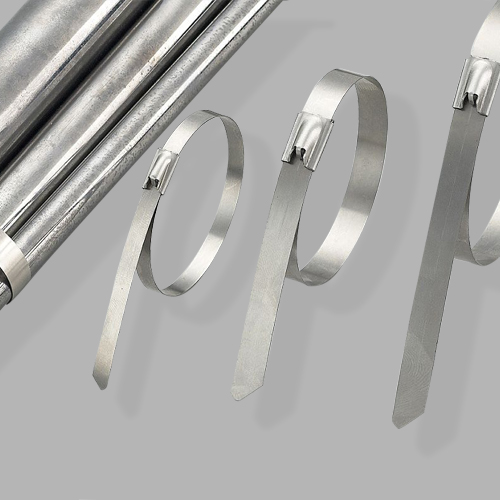
Source cable ties, mounts, clips, terminals, connectors, cable glands, protective tubing, trunking and wiring kits. Compare model-specific dimensions and loop-strength references, then coordinate custom components, samples, packaging and documentation.
Explore this service ↗
Source selected recycled coloured polyester staple, virgin and recycled low-melt fibre, ES fibre, bonding yarn and nonwoven material directions with application-led specification and sample coordination.
Explore this service ↗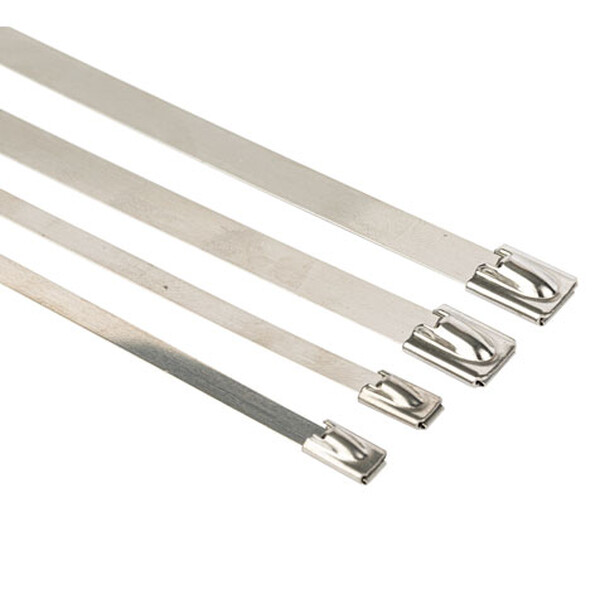
Source nylon and stainless cable ties, clips, crimp terminals, connectors, cable glands, tie mounts, spiral wrap, PVC tape, heat-shrink tubing and wiring tools. Compare individual sizes, fixing details, material requirements, private-label packing and sample acceptance.
Explore this service ↗Information basis: published product information reviewed . Reference details support a sourcing discussion. Current supply, samples and product-specific documents are confirmed for the selected item.