Independent B2B sourcing · One trading contactkunhuow@gmail.com ↗
FACTORY SOURCING HUBProduct sourcing for business buyers
Get a quote ↗
Home/Glassware/Blown Glass Drinkware, Decanters, Vases & Decorative Collection Sourcing
Stemware · decanters · drinkware · vases · candleholders · glass finishing

Form, finish and balance. Glass for serving and display.

Blown Glass Drinkware, Decanters, Vases & Decorative Collection Sourcing

Develop glassware collections across stemmed and everyday drinking glasses, decanters, vases, candleholders and tabletop pieces. Compare handworked and machine-made directions, with original decoration, reference specifications, approved samples and protective packing agreed for each selected item.

  • Coordinate drinking, pouring and decorative glass in one assortment.
  • Discuss forming method, permitted artwork and item-level finish options.
  • Confirm current dimensions, components, care and packing on the actual sample.

Manufacturing, product documents and order conditions depend on the model and supply route selected for your project.

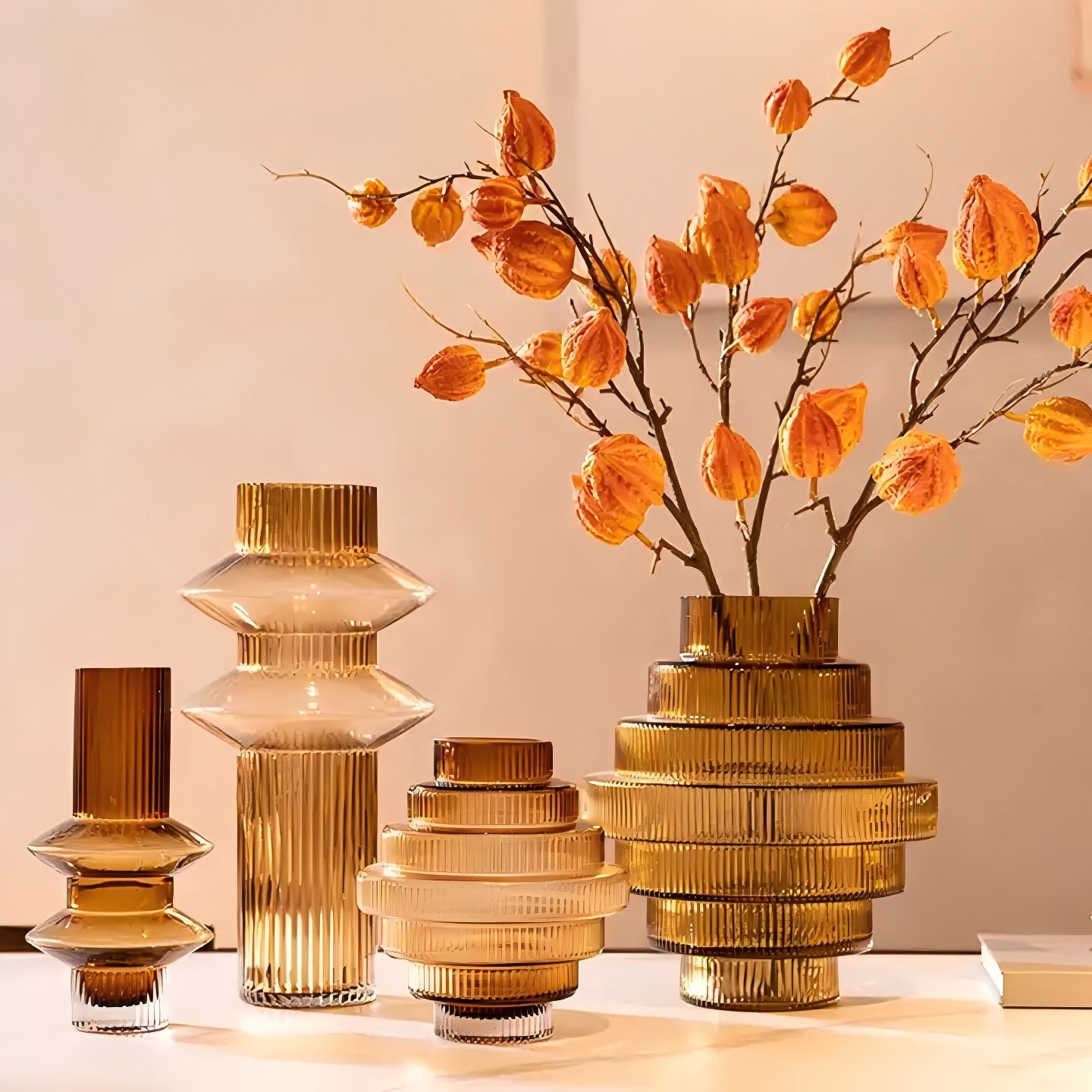
Blown Glass Drinkware, Decanters, Vases & Decorative Collection Sourcing category illustration
Category illustration. Product details and the final appearance are confirmed against the selected model and approved sample.

Start with a product reference, intended use and estimated quantity. We bring product selection, sample questions and quotation details into one conversation.

Email your reference image ↗
DrinkwareStemmed, beer and straight-sided directions
ServingDecanters, pouring vessels and tabletop glass
Home displayVases, hurricane forms and candleholders
Selection references1,500 ml decanter ·182 ×61 mm stemware
Explore the product range

Build the range
your buyers need.

Choose a focused product or discuss a coordinated assortment. Each direction can be developed into a more specific model and packaging brief.

Wine glasses and stemware

Plan a stemmed-glass assortment around serving portions and table presentation. Describe bowl form, rim, stem and foot proportions. Confirm the actual glass composition, balance and care information for the selected version rather than relying on a broad crystal or glass label.

Enquire about this range ↗

Beer and straight-sided drinking glasses

Explore beer glasses, tumblers and cylindrical beverage-vessel directions. Include the drink, usable capacity, handling, storage and cleaning conditions. Agree whether the selected shape is handworked or machine-made and what variation is acceptable.

Enquire about this range ↗

Decanters and coordinated sets

Select a decanter around capacity, aeration or serving needs, grip and pouring. Include any stopper and matching glasses in the specification. Assess the complete sample and define how the shape and accessories will be protected in an individual or set pack.

Enquire about this range ↗

Pouring and beverage service

Discuss water jugs and small pouring-vessel directions for a defined service task. Specify neck, spout, handle, useful volume and any graduation or artwork. Confirm pouring behaviour, glass identity and the actual intended contact conditions on the chosen item.

Enquire about this range ↗

Vases and decorative vessels

Develop floral or display glass through proportions, opening, colour and surface treatment. Confirm base stability and any water-retention need separately from appearance. A decorative silhouette needs its own specification and protective pack.

Enquire about this range ↗

Candleholders and hurricane forms

Define the candle, insert or light system along with glass, support and clearance requirements. Review stability, access and appropriate heat-use evidence for the selected construction. Keep glass-component supply distinct from any complete electrical assembly.

Enquire about this range ↗

Jars, bowls, plates and tabletop pieces

Bring containers and table-presentation directions into a coordinated assortment. Specify usable dimensions, contents, covers and set components. Food contact, sealing and appliance compatibility need evidence for the actual item and finish.

Enquire about this range ↗

Handworked, machine-made and decorated glass

Discuss the appropriate forming route alongside decal firing, printing, engraving, hand painting or selected plated effects. Provide authorised artwork and confirm the actual process through a finished sample; different methods need different variation, contact and care criteria.

Enquire about this range ↗
Reference product directions

Start with a product.
Define the details.

Use these options to describe what you are buying. The public references identify your enquiry; the final model and specification are confirmed before an order.

1,500 ml curved-neck decanter reference sourcing illustration
REFERENCE 0076-01

1,500 ml curved-neck decanter reference

A historical curved-neck pouring direction with a tall, rounded form. Use the capacity and height as initial selection references, then request a current drawing, weight and glass specification. Confirm pouring, cleaning access and protective packing on the actual sample.

Capacity reference
1,500 ml
Height reference
260 mm
Construction direction
Handworked decanter
Discuss this option ↗
Compact stemmed-glass reference sourcing illustration
REFERENCE 0076-02

Compact stemmed-glass reference

A stemmed drinking-glass direction with a listed two-piece presentation. Confirm the dimension order and exact usable capacity for the selected version before approving the drawing, contact evidence and packaging.

Listed dimension sequence
182 ×61 mm; axes to confirm
Listed capacity band
201–300 ml; exact capacity to confirm
Presentation reference
2 pieces /colour-box direction
Discuss this option ↗
Decal-decorated vase direction sourcing illustration
REFERENCE 0076-03

Decal-decorated vase direction

A vase direction for a decorative range with authorised applied artwork. Specify dimensions, opening, pattern location and intended display, then confirm the actual firing or finishing process and appearance tolerance on the finished sample.

Form direction
Decorative vase
Finishing enquiry
Applied decal /firing direction
Measurements
Drawing and selected version required
Discuss this option ↗
Screen-decorated pouring vessel sourcing illustration
REFERENCE 0076-04

Screen-decorated pouring vessel

A small pouring-vessel direction for a beverage or table-service project. Define working volume, spout, rim and any graduation or graphic, with authorised artwork and contact boundaries included in sample approval.

Product direction
Table-service pouring vessel
Finish direction
Screen-printing enquiry
Function brief
Capacity, pouring and cleaning
Discuss this option ↗
Plated low-glass direction sourcing illustration
REFERENCE 0076-05

Plated low-glass direction

A shorter drinking-glass direction with a selected plated surface effect. Confirm whether the effect is suitable for the intended contact, use and cleaning conditions, with dimensions and colour approved on an actual sample.

Form direction
Low drinking glass
Finish direction
Selected plating effect
Approval
Finished article and supporting use evidence
Discuss this option ↗
Coordinated tabletop and home glass sourcing illustration
REFERENCE 0076-06

Coordinated tabletop and home glass

A collection brief can combine selected drinking, serving, vase and candleholder directions. Provide each item’s purpose and quantity, with separate dimensions, components and acceptance requirements even where the pieces share one finish.

Collection scope
Drinkware /serving /decorative glass
Buying brief
Item schedule, quantities and common styling
Approval
Individual products and complete sets
Discuss this option ↗

Historical numerical references support initial selection only. Confirm current versions, dimension axes, capacity methods, composition, tolerances and availability in the quotation. The decanter and stemware figures apply to their own references. A forming or finish description does not establish universal food-contact, heat-use or cleaning performance.

What matters for this category

A better brief.
A clearer comparison.

Focus the sourcing conversation on the features, materials and production details that make a difference to your product range.

01

Serve and display with a shared design brief

Coordinate glass forms across drinks, pouring and decoration through proportions or finish. Keep each item’s practical purpose clear so the common visual direction still respects different capacity, contact and handling needs.

02

Match forming method to acceptance

Handworked and machine-made glass can be considered for different forms. Agree the chosen method and the permitted variation against a sample, including the critical rim, base, stem and pouring details that matter to the order.

03

Include the finish in the approval sample

Decoration is part of the finished article. Review authorised artwork, location, colour and care information on the actual glass, with product-specific evidence and protective packing agreed before the order is finalised.

Branding, configuration & packaging

Make the product
fit your programme.

Bring artwork, reference samples and a target cost. The available process, minimum quantity, sample charges and development scope are reviewed for the chosen option.

01

Forms and collection design

Provide drawings, target volumes, critical measurements and intended use. Identify existing forms versus a new mould or development need. Agree tooling, development scope, sample charges and revisions for the selected items.

02

Artwork and surface effects

Submit artwork you can authorise, colour standards and placement. Discuss printing, decal, sprayed colour, frosting or other suitable effects for the actual surface. Confirm appearance, durability, food-contact boundaries and care requirements on finished samples.

03

Retail sets and packaging

Define set contents, box or sleeve, labels, barcode and required instructions. Specify separators and carton protection, then request a current proposal for quantities, sampling, inspection and production milestones.

Quality & product evidence

Turn requirements
into checks.

Agree which product characteristics need testing and how the approved sample relates to the bulk order.

01

Glass and dimensional acceptance

Set the capacity measurement method, rim, base, handle or stem checks and appearance criteria. Record permitted variation against the selected drawing and sample, including decorated surfaces and matching pieces.

02

Fit and intended-use evidence

Review lids, seals and accessories as a complete assembly. State contents, filling, temperature and cleaning conditions, then request appropriate current evidence for the finished item and destination.

03

Packing and release checks

Approve internal separation, set counts and carton protection with the actual configuration. Agree inspection scope, records and any packed-product transit assessment, including the handling of non-conforming goods in the order terms.

Test capability is a starting point for the inspection plan. Request the method, applicable model and results needed for your order.

Documents matched to the order

Ask for evidence
that fits the product.

Prepare one item schedule linking the glass, finish, components and pack to its approved sample. Add the destination and intended use so the proposed evidence and order requirements address the actual finished collection.

State the sales market, intended users and required files in your first enquiry. Current validity and scope are checked for the selected supplier and product; a category description does not certify every item.

Share your document requirements ↗
Assortment and dimension file
List shapes, quantities, capacity basis, dimension axes, materials and component counts. Identify critical fit, colour or handling requirements and the accepted sample reference.
Artwork and evidence file
Provide authorised decoration and packaging files. Request matching food-contact, care and any thermal or functional evidence for the exact finished article; assess supplier-level records separately from product claims.
Packing and shipment file
Agree retail and transport packing, quantities per carton, labels and shipping basis. Include inspection responsibilities, export documents, sample approval and the required shipment schedule.
Built around how you sell

Different buyers.
Different specifications.

Your sales channel changes the assortment, packaging and quality priorities. Tell us the intended use as well as the product name.

01

Retail glassware and gift sets

Develop stemware, drinkware or decanter assortments with clearly defined set contents. Include presentation and transport protection as part of the approved specification.

02

Dining and beverage-service enquiries

Specify the actual beverages, filling, cleaning and handling routine before selection. Confirm the dimensions, pouring, glass and decoration evidence needed for the chosen service environment.

03

Floral, candle and decorative collections

Coordinate home-display pieces through shape and authorised finish. Define placement, contents and any candle or water-containment requirement for the actual selected construction.

From first brief to a defined order

One contact.
A practical next step.

Samples, commercial terms and responsibilities are agreed for the project. Use the same product and packing specification when comparing quotations.

01

Share the requirement

Product, reference image, quantity, sales market and timing.

02

Compare suitable options

Review configuration, materials, sample scope and relevant documents.

03

Approve the specification

Agree artwork, packaging, sample, testing and inspection criteria.

04

Confirm the order plan

Set price, payment, production, delivery and defect remedies in writing.

Buyer questions

Before you send
your first enquiry.

Practical answers about this sourcing direction, customization and the reference options. Your agreed specification and written quotation determine the actual order.

Can handworked and machine-made glass be included?

Yes, identify the preferred forming route for each item and request a feasible proposal. Dimensions, permitted variation and appearance criteria are agreed against the selected sample; one method is not assumed for the entire range.

What is the decanter size reference?

The historical pictured decanter states1,500 ml capacity and260 mm height. Request a current drawing, glass specification and sample; those figures do not apply to other decanter forms or establish present availability.

How should the stemware dimensions be read?

The reference lists182 ×61 mm without axis labels and a201–300 ml capacity band. Confirm height, diameter and exact usable capacity on the actual drawing before approving the version and packing.

Which decoration directions can I discuss?

Provide authorised artwork and appearance targets for printing, decals, engraving, hand painting or selected plated effects. Confirm process compatibility, contact boundaries, durability and care instructions for the chosen finished item.

Can a printed or plated glass go in any dishwasher?

Specify the actual cleaning conditions and request matching instructions and evidence. The glass body and its decoration may have different limits; a finish name does not establish a universal cleaning rating.

Can vases or candleholders be used for food?

State the intended use separately. Request relevant evidence for food contact or the actual candle and heat conditions; a decorative form or photograph does not establish suitability for another application.

Can I request logo, labels and gift sets?

Submit artwork you can authorise and the complete item and packaging schedule. Private-label feasibility, sample scope, minimums and costs are confirmed for the selected forms and finishes.

What should the first enquiry include?

Send product references or drawings, quantities, dimensions and capacity, intended contents and care conditions. Add authorised decoration, set components, packaging, destination evidence and target timing.

Who handles my enquiry?

Factory Sourcing Hub handles this enquiry as an independent sourcing and trading service. The product route, supplier suitability, sample scope and order responsibilities are agreed for the actual project.

How do I get a price and order minimum?

Send the product reference, quantities per variation, customization and packaging. Prices, minimums, sample charges and delivery dates are confirmed in a current quotation; the page is not a live inventory or price feed.

Can I discuss samples and inspection before ordering?

Yes. State whether you need a reference sample, a customized sample or development work. Agree the sample cost and shipping, approval specification, inspection plan and remedy for non-conforming goods before the bulk order.

What should I attach to my email?

Reference images, drawings, logo artwork and a product list are useful. Include quantities, the intended users and sales market, packaging, required documents and timing. After submitting the form, email attachments to kunhuow@gmail.com with your enquiry reference.


Tell us what you are planning

Your next order
starts with a brief.

A reference picture or a short description is enough to begin. Add the details you already know; the optional fields help make the follow-up more useful.

  • Product list, quantities, dimensions, capacity and intended use.
  • Forming preference, glass identity, authorised decoration and finish.
  • Approved samples, permitted variation and product-specific evidence.
  • Set contents, protective packing, destination and timing.
kunhuow@gmail.com

Download the enquiry checklist ↓

Independent sourcing and trading service. Supplier choice, service costs and order conditions are discussed for your project.

Discuss your requirements.

Product selection, customization, samples and quotation enquiries.

Add product, quantity or customization details (optional)

Submit your enquiry directly. We use your details to respond to your sourcing request. For attachments, email kunhuow@gmail.com with your enquiry reference. Enquiry data use.

Information basis: published product information reviewed . Reference details support a sourcing discussion. Current supply, samples and product-specific documents are confirmed for the selected item.

Have a product in mind?
Share your sourcing brief.
Send an enquiry ↗