Independent B2B sourcing · One trading contactkunhuow@gmail.com ↗
FACTORY SOURCING HUBProduct sourcing for business buyers
Get a quote ↗
Home/Glassware/Glass Bottles, Jars & Packaging Sourcing
Food · beverages · condiments · beer · wine · spirits · cosmetics · specialist containers

Start with what goes inside. Build the right glass packaging brief.

Glass Bottles, Jars & Packaging Sourcing

Source glass bottles and jars around your contents, filling process and closure. Explore food, beverage, condiment, beer, wine, spirit and cosmetic container directions, with specialist container enquiries, bottle-design development, weight optimisation and printed decoration assessed by project.

  • Compare narrow-mouth bottles, wide-mouth jars and coordinated cosmetic formats.
  • Define nominal volume, fill level, neck finish and closure together.
  • Discuss bottle drawings, decoration, protective packing and item-specific evidence.

Manufacturing, product documents and order conditions depend on the model and supply route selected for your project.

Plain glass cosmetic bottle and cream-jar collection reference
Cosmetic packaging direction; confirm sizes, contents, closures and component supply for the selected items.

Start with a product reference, intended use and estimated quantity. We bring product selection, sample questions and quotation details into one conversation.

Email your reference image ↗
Core rangeGlass bottles, jars and container packaging
Design directionsRound, square, faceted and category-specific forms
DevelopmentBottle geometry, weight optimisation and decoration enquiries
Approval focusContents, process, closure, dimensions and documentation
Explore the product range

Build the range
your buyers need.

Choose a focused product or discuss a coordinated assortment. Each direction can be developed into a more specific model and packaging brief.

Liquid condiments and edible-oil bottles

Explore narrow-mouth packaging for sauces, vinegar, edible oils, dressings and related liquid condiments. Specify viscosity, pouring method, target fill volume, headspace and closure. Define any liner, pourer or tamper-evident requirement separately, then validate the complete package with the actual contents and filling process.

Enquire about this range ↗

Food jars, preserves and wider-mouth packaging

Discuss jars for sauces, pickles, preserved foods and other products that need a larger opening. Compare round and square directions for filling access, shelf presentation and label space. Closure fit, seal, processing conditions, hygiene and opening performance need confirmation for the proposed jar-and-lid combination.

Enquire about this range ↗

Beverage, milk and soft-drink bottles

Build a beverage brief around portion, filling equipment, neck finish and distribution. Clear or coloured glass directions can be considered, with drawings and sample validation for each selected bottle. Carbonation, hot filling, pasteurisation, sterilisation or repeated use require appropriate item-level design and supporting evidence.

Enquire about this range ↗

Wine, fruit-wine and premixed-drink bottles

Explore wine-bottle silhouettes and fruit-wine or premixed-drink packaging. Establish nominal volume, required fill level, overall dimensions, colour and closure system. A familiar bottle silhouette does not establish compatibility with a particular cork, screw closure, sparkling product or filling line; confirm those details on a dimensioned drawing.

Enquire about this range ↗

Beer packaging

Discuss beer-bottle forms in clear, green or amber directions according to the product and presentation brief. Include carbonation, filling, thermal processing and distribution conditions. Agree neck finish, closure, dimensional tolerances and any pressure or impact validation required for the actual bottle rather than relying on category naming.

Enquire about this range ↗

Spirit, rice-wine and related bottles

Compare spirit and related alcoholic-drink packaging in different shapes and nominal portions. State the alcohol content, closure type, tamper-evident needs, label area and desired appearance. Confirm the bottle and closure as a complete system, including compatibility with the contents and any planned decoration.

Enquire about this range ↗

Cosmetic bottle and jar collections

Coordinate container directions for lotion, cream and perfume packaging. Specify the formula, nominal fill, dispensing format, component materials and desired finish. Pumps, caps, liners, seals and decorative effects need separate confirmation; a photographed collection does not define included accessories or establish formula compatibility.

Enquire about this range ↗

Specialist medicine, reagent and chemical-container enquiries

Provide a detailed application brief for specialist container selection, including contents, intended contact, market, storage, closure and processing conditions. Required material classifications, current registration evidence and compatibility or other validation must be checked for the exact application before selection. Suitability for one use cannot be transferred to another.

Enquire about this range ↗

Printed and decorated bottle packaging

Discuss printed and fired-decoration directions using artwork you are authorised to use. Define colour references, label or print areas, handling, washing and filling conditions. Confirm process feasibility, finished appearance and durability on the proposed sample, including whether the chosen decoration is suitable for the actual contact and care conditions.

Enquire about this range ↗

Oil jugs, storage jars and household containers

Extend a container brief into oil-jug, juice-jug, cold-water-jug or food-storage directions. Identify the contents, opening, pouring arrangement, lid and cleaning needs. Capacity, component fit, seal and practical handling are agreed for each item; these household directions do not imply universal heat or appliance suitability.

Enquire about this range ↗
Reference product directions

Start with a product.
Define the details.

Use these options to describe what you are buying. The public references identify your enquiry; the final model and specification are confirmed before an order.

Square sauce-jar reference sourcing illustration
REFERENCE 0080-01

Square sauce-jar reference

A square-bodied food-container direction for a sauce or condiment brief. Confirm opening, closure, usable fill volume, label position and protection around the corners against the proposed sample.

Nominal catalogue size
250 ml
Approval basis
Confirm current drawing, sample and fill-level specification
Discuss this option ↗
Round sauce-jar reference sourcing illustration
REFERENCE 0080-02

Round sauce-jar reference

A round food-jar direction with a twist-closure concept. Define the actual lid and liner, processing conditions and required seal performance. The supply and specification of closure components are confirmed separately.

Nominal catalogue size
250 ml
Approval basis
Confirm current drawing, sample and fill-level specification
Discuss this option ↗
Wine-bottle reference sourcing illustration
REFERENCE 0080-03

Wine-bottle reference

A wine-bottle direction for comparing proportions and nominal portion. Obtain the current neck-finish drawing and matching closure specification before selection, together with the required fill level and intended wine-processing conditions.

Nominal catalogue size
750 ml
Approval basis
Confirm current drawing, sample and fill-level specification
Discuss this option ↗
Craft beer-bottle reference sourcing illustration
REFERENCE 0080-04

Craft beer-bottle reference

A compact beer-packaging direction with a nominal portion reference. Provide carbonation, filling and distribution conditions so the actual bottle design, neck and required validation can be assessed.

Nominal catalogue size
258 ml
Approval basis
Confirm current drawing, sample and fill-level specification
Discuss this option ↗
Spirit-bottle reference sourcing illustration
REFERENCE 0080-05

Spirit-bottle reference

A round spirit-packaging direction with a tamper-evident closure requirement to be specified. Confirm the actual neck finish, closure system, alcohol compatibility and decoration before approving the container.

Nominal catalogue size
500 ml
Approval basis
Confirm current drawing, sample and fill-level specification
Discuss this option ↗
Specialist reagent-container reference sourcing illustration
REFERENCE 0080-06

Specialist reagent-container reference

A specialist-container reference for a defined reagent application. Confirm the actual material classification, neck, closure, compatibility, storage and required evidence. The reference does not establish suitability for medicines, sterile use or an unspecified chemical.

Nominal catalogue size
500 ml
Approval basis
Confirm current drawing, sample and fill-level specification
Discuss this option ↗
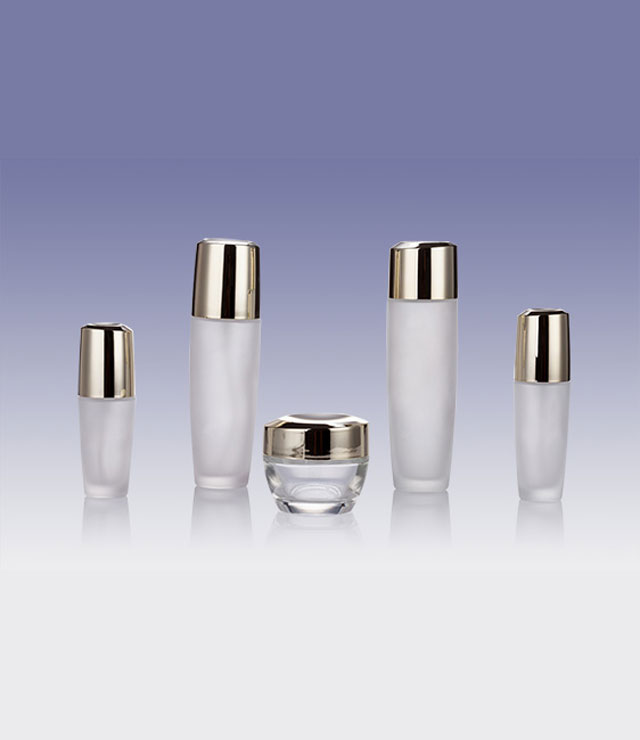
Unbranded cosmetic glass bottle and cream-jar assortment
REFERENCE 0080-07

Cosmetic container collection

A coordinated bottle-and-jar presentation direction for cosmetics. Define the individual forms, fill volumes, caps or dispensers and finish. Each component and any formula compatibility need confirmation on the proposed sample.

Direction
Cosmetic bottle and jar assortment
Specification
Confirm current sizes and components
Discuss this option ↗
Faceted oil-jug reference sourcing illustration
REFERENCE 0080-08

Faceted oil-jug reference

A faceted household oil-jug direction for a pouring and storage brief. Confirm capacity, opening, lid or dispensing component, grip and cleaning needs before considering the item for the intended contents.

Direction
Faceted jug
Specification
Confirm current sizes and components
Discuss this option ↗

Volumes above are nominal catalogue design labels. Confirm usable fill volume, headspace, overflow capacity where relevant, dimensions, tolerances, weight, neck finish and closure on the current drawing and sample. Catalogue references do not establish present stock, included closures or performance. Final specifications and availability are confirmed for the proposed order.

What matters for this category

A better brief.
A clearer comparison.

Focus the sourcing conversation on the features, materials and production details that make a difference to your product range.

01

Make contents and packaging work as one brief

Bring the contents, filling conditions, closure and distribution route into the enquiry from the start. This helps compare suitable bottle or jar directions against the practical requirements of the package, rather than selecting only by appearance. Testing and acceptance remain specific to the chosen combination.

02

Compare form, weight and filling-line requirements

Discuss standard-form selection or development around geometry, weight and equipment constraints. Weight optimisation and bottle-shape evaluation may be part of an engineering brief, subject to feasibility. Any design change must retain the agreed functional requirements and be supported by appropriate sample or line validation.

03

Coordinate the container with presentation

Consider bottle shape, colour, authorised decoration, label space and packing together. A coherent brief can cover food, beverage or cosmetic product families while defining each item separately. Confirm tooling, decoration scope, accessories, approval stages and commercial terms before any production commitment.

Branding, configuration & packaging

Make the product
fit your programme.

Bring artwork, reference samples and a target cost. The available process, minimum quantity, sample charges and development scope are reviewed for the chosen option.

01

Container and neck-finish development

Send a dimensioned drawing or authorised reference with required capacity, fill line, finish, overall envelope and label panel. Include existing caps, filling and capping equipment where relevant. Confirm design feasibility, tooling, mould ownership, sampling stages and development charges for the specific project.

02

Glass appearance and authorised decoration

Describe clear or coloured appearance, transparency and any printed or fired-decoration effect. Supply authorised artwork, colour references and contact-area restrictions. The available process, minimum decoration run, resistance and care information are confirmed on a finished sample for the actual container and contents.

03

Closure and packing coordination

Define caps, corks, liners, seals, pumps, pourers or other components as applicable, including whether they are supplied with the container. Agree the protective packing, pallet configuration, labels, quantity and handling needs. Component compatibility, sealing and transport requirements are reviewed before final approval.

Quality & product evidence

Turn requirements
into checks.

Agree which product characteristics need testing and how the approved sample relates to the bulk order.

01

Dimensional and closure checks

Agree neck-finish dimensions, verticality, ovality, body envelope, capacity method, weight tolerances and visible-quality criteria. Include closure fit and the application torque or other sealing controls required by the actual system. Use an approved drawing and sample as the basis for any agreed inspection.

02

Composition, process and application evidence

Specify the contents and destination-market requirements, then request relevant evidence for the proposed glass and decoration. Identify required filling, thermal, pressure, chemical-compatibility or other tests for the actual application. Specialist containers need appropriate current documentation and customer validation before selection.

03

Cleanliness, packing and traceability

Discuss cleanliness expectations, protection of openings, separation, pallet or carton design and lot identification. Define the documentation and acceptance points needed for incoming goods. Any transport, handling or filling-line trial should use an agreed method appropriate to the actual route and package configuration.

Test capability is a starting point for the inspection plan. Request the method, applicable model and results needed for your order.

Documents matched to the order

Ask for evidence
that fits the product.

The approval file should identify the exact container, closure and intended application. Request the applicable evidence and commercial details for the selected item; availability and scope are confirmed during quotation.

State the sales market, intended users and required files in your first enquiry. Current validity and scope are checked for the selected supplier and product; a category description does not certify every item.

Share your document requirements ↗
Approved technical drawing
Record nominal and measured capacities with their methods, fill level, headspace, dimensions, tolerances, weight and neck-finish specification. Identify mould or revision references and any agreed sample. Keep closure and accessory specifications linked to the same approval record.
Material and application documentation
Request relevant material, food-contact or specialist-use evidence for the finished container and intended market. Confirm the scope, issuing body and applicability of any report. General company certificates do not replace item-specific compatibility, pressure, thermal or regulatory validation.
Commercial, packing and inspection records
Confirm sample and tooling charges, minimum quantities, production schedule, packing unit, pallet or carton details, marking and inspection requirements in writing. Include closure supply responsibilities and transport arrangements so the final quotation clearly identifies the package being purchased.
Built around how you sell

Different buyers.
Different specifications.

Your sales channel changes the assortment, packaging and quality priorities. Tell us the intended use as well as the product name.

01

Food, condiment and beverage brands

Provide the product, portion, filling process and route to market. Compare shapes and closures against line equipment, label requirements and shelf presentation. Agree testing, sample review and any trial filling before accepting the final container specification.

02

Wine, beer and spirit-packaging buyers

Define beverage type, alcohol or carbonation conditions, fill volume, neck finish, closure, colour and decoration. Specify distribution and processing demands. Bottle performance and closure compatibility require the appropriate evidence for the selected package.

03

Cosmetic and specialist-container projects

Share the formula or reagent application, dispensing and storage requirements, destination and required documentation. Coordinate the container with caps or dispensers and the desired presentation. Confirm application suitability and responsibilities before choosing the exact item.

From first brief to a defined order

One contact.
A practical next step.

Samples, commercial terms and responsibilities are agreed for the project. Use the same product and packing specification when comparing quotations.

01

Share the requirement

Product, reference image, quantity, sales market and timing.

02

Compare suitable options

Review configuration, materials, sample scope and relevant documents.

03

Approve the specification

Agree artwork, packaging, sample, testing and inspection criteria.

04

Confirm the order plan

Set price, payment, production, delivery and defect remedies in writing.

Buyer questions

Before you send
your first enquiry.

Practical answers about this sourcing direction, customization and the reference options. Your agreed specification and written quotation determine the actual order.

Which packaging categories can I enquire about?

Food and condiment bottles or jars, beverage bottles, beer, wine and spirit packaging, cosmetics and selected household containers can be discussed. Specialist medicine or reagent directions require a separate application and evidence brief. Each item is selected against its actual contents and processing conditions.

What is the difference between nominal and actual capacity?

A nominal catalogue size is a design label. The required fill level, headspace, usable capacity and overflow capacity may be different measurements. Agree the method and current values on the approved drawing and sample before using them for filling, labelling or order acceptance.

Can you develop a custom bottle or lighter design?

Send the required geometry, volume, neck finish, equipment constraints and performance targets. Form development and weight optimisation can be assessed for feasibility. Tooling, ownership, samples, trials and any strength or process requirements must be agreed before approving a changed design.

Are caps, corks, pumps or other closures included?

The supply scope is confirmed for the selected item. Identify the closure and liner or accessory, its material, sealing needs and how it will be applied. Approve the matching components and package performance rather than assuming that a bottle photograph defines everything supplied.

Are bottles suitable for hot fill, carbonation or sterilisation?

Suitability depends on the actual glass, design, contents, pressure, temperatures and process. Provide the full conditions and required tests. A bottle-category name or general manufacturing description does not establish compatibility with an unspecified filling or thermal process.

Can printing or decoration be added?

Printed and fired-decoration directions can be discussed using authorised artwork. Specify colours, position, contact areas and handling or cleaning conditions. Process feasibility, minimum quantities, charges, durability and final appearance are confirmed for the selected container and approved sample.

Can specialist containers be used for medicines or chemicals?

The exact application must be assessed separately. Provide contents, market, contact conditions, storage, closure and required material classification or regulatory evidence. A catalogue reagent or medicine-container reference does not establish sterile supply, a particular pharmaceutical grade or compatibility with every substance.

What are sample costs, minimum quantities and delivery?

These depend on the selected form, material, tooling, finish, closure and packing. Send quantities by item, destination, required documents and target receipt date. The quotation will confirm sample and development charges, minimum quantities, timing and shipping arrangements for the specific project.

Who handles my enquiry?

Factory Sourcing Hub handles this enquiry as an independent sourcing and trading service. The product route, supplier suitability, sample scope and order responsibilities are agreed for the actual project.

How do I get a price and order minimum?

Send the product reference, quantities per variation, customization and packaging. Prices, minimums, sample charges and delivery dates are confirmed in a current quotation; the page is not a live inventory or price feed.

Can I discuss samples and inspection before ordering?

Yes. State whether you need a reference sample, a customized sample or development work. Agree the sample cost and shipping, approval specification, inspection plan and remedy for non-conforming goods before the bulk order.

What should I attach to my email?

Reference images, drawings, logo artwork and a product list are useful. Include quantities, the intended users and sales market, packaging, required documents and timing. After submitting the form, email attachments to kunhuow@gmail.com with your enquiry reference.

Tell us what you are planning

Your next order
starts with a brief.

A reference picture or a short description is enough to begin. Add the details you already know; the optional fields help make the follow-up more useful.

  • Contents, nominal fill, headspace and filling or processing conditions
  • Bottle or jar drawing, dimensions, neck finish, closure and accessory requirements
  • Colour, authorised decoration, destination and required supporting evidence
  • Quantities by item, protective packing, shipping destination and target receipt date
kunhuow@gmail.com

Download the enquiry checklist ↓

Independent sourcing and trading service. Supplier choice, service costs and order conditions are discussed for your project.

Discuss your requirements.

Product selection, customization, samples and quotation enquiries.

Add product, quantity or customization details (optional)

Submit your enquiry directly. We use your details to respond to your sourcing request. For attachments, email kunhuow@gmail.com with your enquiry reference. Enquiry data use.

Information basis: published product information reviewed . Reference details support a sourcing discussion. Current supply, samples and product-specific documents are confirmed for the selected item.

Have a product in mind?
Share your sourcing brief.
Send an enquiry ↗