Independent B2B sourcing · One trading contactkunhuow@gmail.com ↗
FACTORY SOURCING HUBProduct sourcing for business buyers
Get a quote ↗
Home/Glassware/Glass Storage Jars, Borosilicate Food Containers & Kitchenware Sourcing
Pantry jars · spice organization · oil and beverage bottles · meal containers · tableware

Glass storage for every shelf. A specification for every component.

Glass Storage Jars, Borosilicate Food Containers & Kitchenware Sourcing

Build a kitchen and tabletop assortment across soda-lime glass jars, spice racks, oil dispensers, decanters and high-borosilicate food-container directions. Compare actual size and volume references, choose closures and presentation, and discuss OEM or ODM development with samples, packing and item-specific checks.

  • Compare jars, bottles, tableware and food containers within one kitchen brief.
  • Plan lid materials, nominal volumes, dimensions and set contents individually.
  • Discuss existing formats, decorative finishes, private-label packing or mould development.

Manufacturing, product documents and order conditions depend on the model and supply route selected for your project.

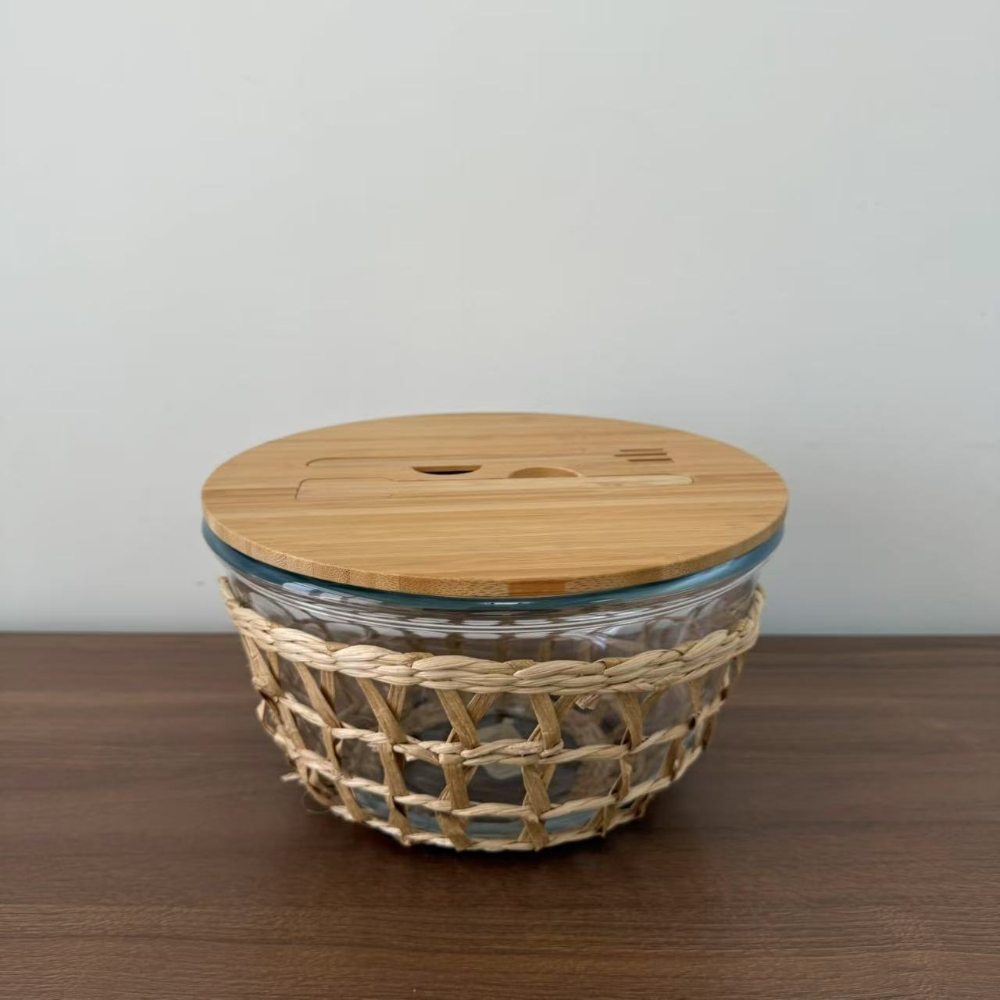
Clear glass bowl in a woven holder with a wood lid and fitted utensils
Mixed-material collection reference. Final glass, lid, holder and accessory inclusions are confirmed in the quotation; care and heating limits differ by component.

Start with a product reference, intended use and estimated quantity. We bring product selection, sample questions and quotation details into one conversation.

Email your reference image ↗
Pantry jar family800–3000 ml · five explicit size pairings
Divided container references640 / 860 / 1040 / 1520 ml
Oil dispenser reference300 ml · 6.6 × 6.6 × 26.0 cm
Water service reference550 ml bottle with 200 ml cup
Explore the product range

Build the range
your buyers need.

Choose a focused product or discuss a coordinated assortment. Each direction can be developed into a more specific model and packaging brief.

Everyday glass storage jars

Compare soda-lime pantry jars, mason-style formats and storage canisters with metal, glass, ceramic, plastic or selected wood-lid directions. Define the contents, opening, cleaning and closure requirements. A matching appearance does not establish airtightness, leak resistance or suitability for heat processing.

Enquire about this range ↗

Borosilicate pantry jars

Explore clear pantry shapes with bamboo, cork and other lid directions, including handles or spoon arrangements. Select the glass size and closure as a complete item. Capacity, lid fit and care should be approved together; a glass composition does not establish the performance of its lid or seal.

Enquire about this range ↗

Spice jars and organized rack sets

Develop small jars for salt, pepper and dry herbs, with individual or rack presentation. Plastic, metal or wood stand directions can be discussed. Specify jar count, fill volume, dispensing opening, label area and access to each jar, then confirm what is included in the set.

Enquire about this range ↗

Oil and vinegar dispensing

Compare bottles with metal, plastic, silicone or cork closure directions and ribbed or decorated exteriors. Provide the ingredient and target pouring behaviour, then check spout control, opening, cap fit and cleaning. Matching oil and vinegar pieces can be quoted with a separate stand or presentation brief where available.

Enquire about this range ↗

Decanters and bar bottles

Use embossed square or rounded glass bottle directions for a coordinated beverage or gift collection. Define nominal and usable fill, stopper style and intended liquid contact. Sealing, decoration and gift-box requirements should be confirmed on the selected article rather than assumed from a glass-stopper appearance.

Enquire about this range ↗

Water bottles and companion cups

Discuss single bottles, bottle-and-cup formats or multi-piece service sets. Establish individual bottle and cup dimensions, required volumes and the intended table setting. Confirm the complete item list, cup fit and packing arrangement; an overall photograph does not specify which accessories are supplied.

Enquire about this range ↗

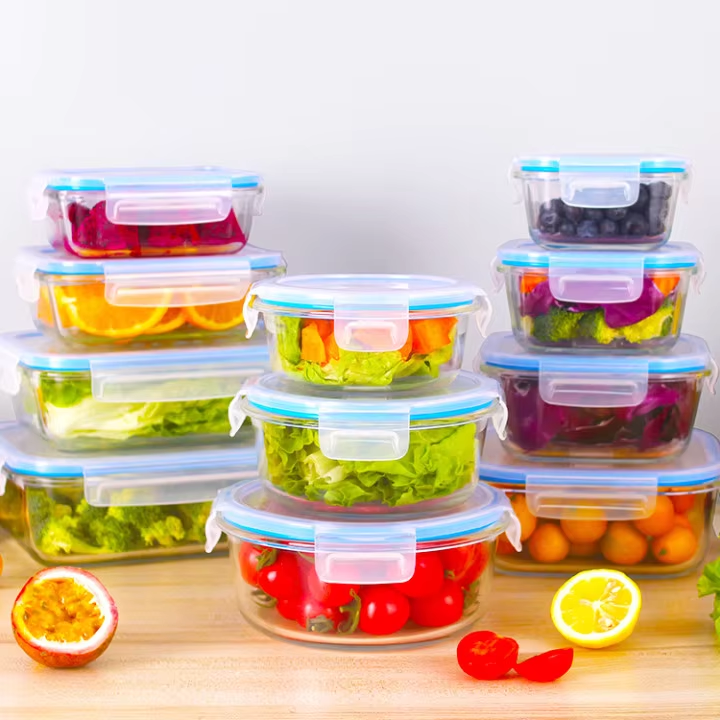
Round, square and rectangular food containers

Compare high-borosilicate food-container bodies in several capacities with selected lid constructions. Specify storage, transport, reheating and cleaning needs separately. Confirm whether a listed dimension includes the lid or clips, with gasket fit and opening behaviour reviewed on the exact complete item.

Enquire about this range ↗

Divided meal and cutlery formats

Explore compartmented containers, detachable-lid directions and designs with separate utensil storage. Agree the number and shape of compartments, total and compartment volumes, seal contact and whether liquids need to remain separated. A physical divider alone does not establish a liquid-tight barrier.

Enquire about this range ↗

Bakeware and mixed-material serving

Discuss borosilicate glass bakeware or serving-body directions with optional woven holders or wood lids. Treat glass, lid, basket and utensils as separate components when approving care and heating. Confirm the model-specific instructions before moving a body between storage, oven or serving conditions.

Enquire about this range ↗

Plates, bowls and supporting glass pieces

Build tableware collections with embossed plate-and-bowl directions, candy bowls, serving formats or related glass lids. Flowerpot directions can be included in a separate decorative brief. Specify food contact or decorative use, dimensions and packing per article rather than applying food-container conditions to every piece.

Enquire about this range ↗
Reference product directions

Start with a product.
Define the details.

Use these options to describe what you are buying. The public references identify your enquiry; the final model and specification are confirmed before an order.

Embossed pantry jars with tinplate lids sourcing illustration
REFERENCE 0081-01

Embossed pantry jars with tinplate lids

A coordinated soda-lime glass storage family with metal closures. Compare the listed capacity and size pairings, then specify the food, sealing requirement and label presentation.

3000 ml
14.3 × 14.3 × 20.7 cm
2000 ml
13.0 × 13.0 × 18.3 cm
1500 ml
11.8 × 11.8 × 17.0 cm
1100 ml
10.5 × 10.5 × 15.5 cm
800 ml
9.4 × 9.4 × 13.9 cm
Glass and closure
Soda-lime glass · tinplate lid
Discuss this option ↗
Textured glass plates and bowls sourcing illustration
REFERENCE 0081-02

Textured glass plates and bowls

Build a matching tableware assortment from bowl, flat-plate and deeper-plate formats. Agree which pieces are included rather than assuming every size forms one retail set.

Small bowl
13.5 × 13.5 × 5.3 cm
Large bowl
23.8 × 23.8 × 9.5 cm
Flat plate sizes
20.5 × 20.5 × 1.8 / 26.0 × 26.0 × 2.3 / 31.0 × 31.0 × 2.5 cm
Deep plate
21.2 × 21.2 × 3.8 cm
Material
Embossed soda-lime glass
Discuss this option ↗
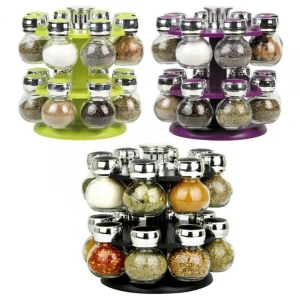
Sixteen-jar spice rack direction sourcing illustration
REFERENCE 0081-03

Sixteen-jar spice rack direction

Plan salt, pepper and dry-herb storage with small jars and an organized display. Confirm jar materials, dispensing openings, rack construction and exact set contents at sampling.

Individual jar
140 ml · 6.2 × 6.2 × 8.4 cm
Overall reference
22.8 × 22.8 × 22.5 cm
Set direction
16 jars with plastic lids and stand
Material confirmation
Agree glass specification and plastic components
Discuss this option ↗
Metal-covered oil and vinegar dispenser sourcing illustration
REFERENCE 0081-04

Metal-covered oil and vinegar dispenser

A tall dispensing-bottle reference with a metal lid and exterior metal detail. Specify pouring behaviour, cap fit, cleaning and ingredient compatibility.

Capacity
300 ml
Size
6.6 × 6.6 × 26.0 cm
Glass
Soda-lime
Closure
Metal lid
Discuss this option ↗
Embossed square decanter family sourcing illustration
REFERENCE 0081-05

Embossed square decanter family

Three bottle-size references with glass stoppers for a coordinated bar or gift direction. Confirm stopper fit and any sealing requirement for the intended beverage.

1000 ml
9.5 × 9.5 × 23.8 cm
500 ml
8.0 × 8.0 × 20.5 cm
250 ml
6.7 × 6.7 × 18.0 cm
Material and closure
Soda-lime glass · glass lid
Discuss this option ↗
Water bottle and companion cup sourcing illustration
REFERENCE 0081-06

Water bottle and companion cup

A ribbed bottle-and-cup direction for table or bedside service. Confirm the complete set, cup fit and selected drinking use.

Bottle
550 ml · 9.2 × 9.2 × 14.7 cm
Cup
200 ml · 7.4 × 7.4 × 7.6 cm
Glass
Soda-lime
Set contents
Confirm bottle, cup and presentation
Discuss this option ↗
Round borosilicate food-container family sourcing illustration
REFERENCE 0081-07

Round borosilicate food-container family

Compare four nominal volumes for food storage and serving. Select the lid, sealing construction and intended heating or cooling conditions separately.

400 ml
14.4 × 13.3 × 5.4 cm
620 ml
16.7 × 15.3 × 6.4 cm
950 ml
18.8 × 17.5 × 6.7 cm
1350 ml
21.0 × 19.7 × 7.5 cm
Glass
High borosilicate
Lid
Confirm actual construction and inclusion
Discuss this option ↗
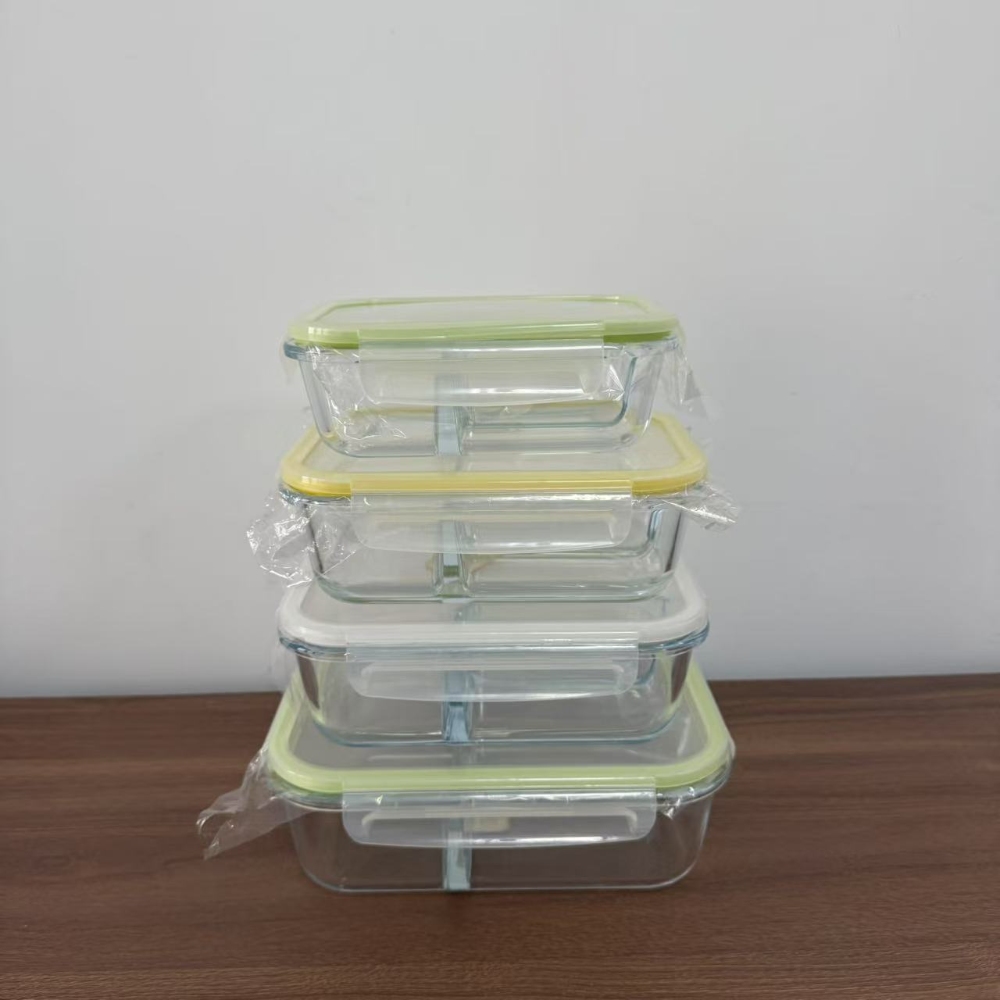
Stacked divided glass containers with coloured plastic lids
REFERENCE 0081-08

Divided rectangular meal containers

Compare container sizes for separated meal components. Agree compartment layout, internal capacity distribution and the selected lid and seal rather than assuming partitions are liquid-tight.

1520 ml
23.0 × 17.4 × 7.6 cm
1040 ml
20.4 × 15.4 × 7.0 cm
860 ml
19.7 × 14.5 × 6.7 cm
640 ml
17.7 × 13.4 × 6.1 cm
Glass and lid
High-borosilicate glass · plastic lid
Layout
Confirm exact compartment arrangement
Discuss this option ↗
Glass bowl with woven holder and wood lid
REFERENCE 0081-09

Glass serving bowl with woven holder and wood lid

A mixed-material serving and storage direction that pairs clear glass with a woven exterior holder and wood lid. Confirm the final accessory set and separate each component for care and heating instructions.

Capacity
3.5 L
Listed size
24.0 × 24.0 × 13.6 cm
Glass
High borosilicate
Accessories
Woven holder and wood-lid direction
Heating conditions
Confirm glass body separately; accessories have separate limits
Discuss this option ↗
Borosilicate pantry jar with handle-top lid sourcing illustration
REFERENCE 0081-10

Borosilicate pantry jar with handle-top lid

A compact clear-glass pantry direction with a bamboo-lid option. Confirm the exact model, lid and handle assembly against an approved sample.

Capacity reference
490 ml
Listed size
10.0 × 10.0 × 12.0 cm
Glass
High borosilicate
Lid direction
Bamboo with handle; confirm complete construction
Discuss this option ↗

Volumes are nominal catalogue references and dimensions are listed product sizes. Confirm measurement points, usable fill, tolerances, exact model, lid and accessory inclusion at sample approval. Several formats combine glass with plastic, metal, bamboo, wood or woven parts; each component needs its own care conditions. Thermal limits, sealing performance and food-contact requirements are confirmed for the actual order.

What matters for this category

A better brief.
A clearer comparison.

Focus the sourcing conversation on the features, materials and production details that make a difference to your product range.

01

Choose the body and closure together

The assortment covers both everyday soda-lime glassware and borosilicate container directions, with several lid materials. Buyers can define the task first, then select the complete jar or container around capacity, opening, cleaning and presentation needs.

02

Size families for a coordinated assortment

Explicit capacity-and-size references help compare shelf, meal and table-service roles. A small pantry jar, a divided lunch container and a serving bowl have different footprints and packing needs. Build the product mix with quantities per size rather than assuming one specification covers the whole family.

03

Existing formats and development options

Discuss a standard article with a selected finish, or prepare a new-shape brief for mould feasibility. Colour, decals, frosting and laser treatment offer different appearance directions. Match development and decoration to the intended use and design rights before approving the sample.

Branding, configuration & packaging

Make the product
fit your programme.

Bring artwork, reference samples and a target cost. The available process, minimum quantity, sample charges and development scope are reviewed for the chosen option.

01

Finish, labels and shape development

Submit dimensions, capacity, colour standards, artwork and quantities per item. Available directions include spraying, decals, frosting and laser work. Shape changes require mould discussion, with tooling cost, ownership, exclusivity and approval stages agreed before development.

02

Regular and development samples

Regular samples may be available without product charge, with freight paid by the buyer, subject to confirmation. New-shape pre-samples follow mould-cost agreement. Identify which closure, finish and dimensions must be evaluated; sample availability, fees and timing are confirmed before dispatch.

03

Packaging matched to the sales format

Discuss bulk packs, colour boxes, clear presentation boxes, display boxes or inner boxes as appropriate to the selected item. Specify set contents, inserts, separators, barcode and care-text placement. Agree protective performance, carton measurements and pack counts for the actual shipment.

Quality & product evidence

Turn requirements
into checks.

Agree which product characteristics need testing and how the approved sample relates to the bulk order.

01

Appearance, dimensions and glass handling

Define acceptable clarity, shade, bubbles, seams, rim finish and base stability using an approved sample. Record dimension measurement points and tolerances. For bottles and jars, check the opening and closure interface; for coordinated sets, review consistency across the selected sizes.

02

Body, lid and seal need separate checks

Specify the food or beverage, destination, cleaning method and intended temperature conditions. Review the actual glass composition, coating, lid and gasket documentation. Do not apply a borosilicate body condition to plastic, wood, woven or metal components, or to everyday soda-lime jars.

03

Fit and packing for the complete item

Agree checks for cap engagement, stopper fit, clips, gasket seating and compartment layout where applicable. Define any required leak or transit checks and acceptance criteria. Inspect the product and packing together, especially where a set contains several glass parts or a separate holder.

Test capability is a starting point for the inspection plan. Request the method, applicable model and results needed for your order.

Documents matched to the order

Ask for evidence
that fits the product.

Build the approval pack around the selected glass body, finish, closure and destination. Product data, applicable reports and packing documents should identify the actual components being supplied. A broad material claim or an older certificate image does not replace current evidence for a new order.

State the sales market, intended users and required files in your first enquiry. Current validity and scope are checked for the selected supplier and product; a category description does not certify every item.

Share your document requirements ↗
Product and approved-sample file
Record the model reference, dimensions, nominal and usable capacity definitions, glass type, decoration and complete component list. Include lid and seal materials, compartment arrangement and approved sample identification, with measurement points and appearance limits agreed.
Applicable testing and care instructions
Request current evidence for the intended food contact, decoration and destination requirements. For heating, cooling or cleaning, confirm component-specific instructions and the applicable test conditions. Match reports to the actual product rather than using an unrelated jar or lid result.
Packing and quotation agreement
Confirm item and set counts, protective materials, labels, carton dimensions and any agreed transit requirements. Record per-item minimums, sample terms, tooling costs, payment schedule and planned production and shipment dates in the quotation and order documents.
Built around how you sell

Different buyers.
Different specifications.

Your sales channel changes the assortment, packaging and quality priorities. Tell us the intended use as well as the product name.

01

Retail pantry and kitchen organization

Combine jars, spice racks and oil dispensers around a capacity range and visual theme. Provide shelf constraints, label needs and quantities per item. Compare closure and rack options through samples before deciding the retail pack or coordinated set.

02

Meal storage and food-service preparation

Build a container assortment around portion sizes, storage and transport needs. Define total and compartment volumes, opening, sealing and supported reheating conditions for the chosen complete articles. Confirm the cleaning and handling requirements of lids and seals separately.

03

Table service, bar and gifting

Use water bottle-and-cup directions, decanters, plates, bowls and selected mixed-material serving pieces to extend a collection. State the presentation, set count and intended use. Gift packaging, artwork rights and decorative finishes should be included in the same approval brief.

From first brief to a defined order

One contact.
A practical next step.

Samples, commercial terms and responsibilities are agreed for the project. Use the same product and packing specification when comparing quotations.

01

Share the requirement

Product, reference image, quantity, sales market and timing.

02

Compare suitable options

Review configuration, materials, sample scope and relevant documents.

03

Approve the specification

Agree artwork, packaging, sample, testing and inspection criteria.

04

Confirm the order plan

Set price, payment, production, delivery and defect remedies in writing.

Buyer questions

Before you send
your first enquiry.

Practical answers about this sourcing direction, customization and the reference options. Your agreed specification and written quotation determine the actual order.

How do soda-lime and borosilicate ranges differ in the enquiry?

State the use conditions first. Everyday jars, bottles and tableware have soda-lime references, while certain food containers and pantry jars have borosilicate references. Confirm composition and supported use for the selected article; the lid, seal and other accessories require separate conditions.

What pantry jar sizes are shown?

One embossed jar family has explicit pairings at 800, 1100, 1500, 2000 and 3000 ml. The product card gives the individual dimensions. Confirm usable fill, closure and current selection rather than using volume alone to specify the jar.

Can I source divided meal containers?

Yes, divided rectangular directions include nominal total capacities of 640, 860, 1040 and 1520 ml. Specify the exact compartment layout, individual portions, lid and sealing requirement. Do not assume the internal partitions keep liquids separated without agreed testing.

Can lids and decorative finishes be customized?

Discuss the selected jar or container, required closure, colour and finish. Spraying, decals, frosting and laser treatment are development directions, subject to compatibility and quotation. New shapes require mould feasibility, costs and design ownership to be agreed.

Are regular samples free?

Regular products may be available without a sample product charge if the buyer covers freight or provides an accepted shipping account. Confirm availability and any specific fees first. OEM shape development involves mould-cost agreement before pre-samples.

What sample timing should I plan for?

Selected references list around 7 days for regular samples and 20–30 days for OEM or ODM samples after the applicable sample fee. Treat these as initial planning references. Actual timing depends on availability, tooling, artwork and the approval brief, with freight scheduled separately.

What is the minimum order?

Many of the selected catalogue references list 3000 pieces. Confirm whether the quoted minimum is per size, finish, component or complete set, particularly for spice racks and mixed assortments. A listed reference does not establish one minimum across all products.

How long does production take?

The published planning basis is approximately 50–60 days after confirmed order and advance payment, with selected product pages listing 60 days after deposit. The actual schedule is reconfirmed for the product mix and development needs; colour-box artwork and sample approvals can affect timing.

Can containers go in ovens, microwaves or freezers with the lids attached?

Do not assume complete-item heating or cooling conditions from the glass body. Confirm the selected model, lid removal instructions, accessories, thermal limits and care documents before use. Plastic lids, seals, wood and woven holders have separate restrictions.

What packaging options can be discussed?

Bulk packing, colour boxes, clear presentation boxes, display boxes and inner boxes are possible directions for suitable articles. Provide the piece or set count, retail presentation, labels and destination. Carton dimensions, protective inserts and any transit checks are agreed for the actual order.

What is needed for a useful quotation?

Send item references or authorized drawings, capacities, dimensional limits, glass and lid preferences, finish, quantities per item, destination and packaging. Add the intended food use, sealing and care requirements, sample objectives and required arrival window so these can be checked before approval.

Who handles my enquiry?

Factory Sourcing Hub handles this enquiry as an independent sourcing and trading service. The product route, supplier suitability, sample scope and order responsibilities are agreed for the actual project.

How do I get a price and order minimum?

Send the product reference, quantities per variation, customization and packaging. Prices, minimums, sample charges and delivery dates are confirmed in a current quotation; the page is not a live inventory or price feed.

Can I discuss samples and inspection before ordering?

Yes. State whether you need a reference sample, a customized sample or development work. Agree the sample cost and shipping, approval specification, inspection plan and remedy for non-conforming goods before the bulk order.

What should I attach to my email?

Reference images, drawings, logo artwork and a product list are useful. Include quantities, the intended users and sales market, packaging, required documents and timing. After submitting the form, email attachments to kunhuow@gmail.com with your enquiry reference.

Tell us what you are planning

Your next order
starts with a brief.

A reference picture or a short description is enough to begin. Add the details you already know; the optional fields help make the follow-up more useful.

  • Product families, capacities, dimensions and quantities per item
  • Glass body, lid, seal, finish and intended use conditions
  • Existing format or development brief, samples and design rights
  • Destination, packaging, documentation and required arrival
kunhuow@gmail.com

Download the enquiry checklist ↓

Independent sourcing and trading service. Supplier choice, service costs and order conditions are discussed for your project.

Discuss your requirements.

Product selection, customization, samples and quotation enquiries.

Add product, quantity or customization details (optional)

Submit your enquiry directly. We use your details to respond to your sourcing request. For attachments, email kunhuow@gmail.com with your enquiry reference. Enquiry data use.

Information basis: published product information reviewed . Reference details support a sourcing discussion. Current supply, samples and product-specific documents are confirmed for the selected item.

Have a product in mind?
Share your sourcing brief.
Send an enquiry ↗