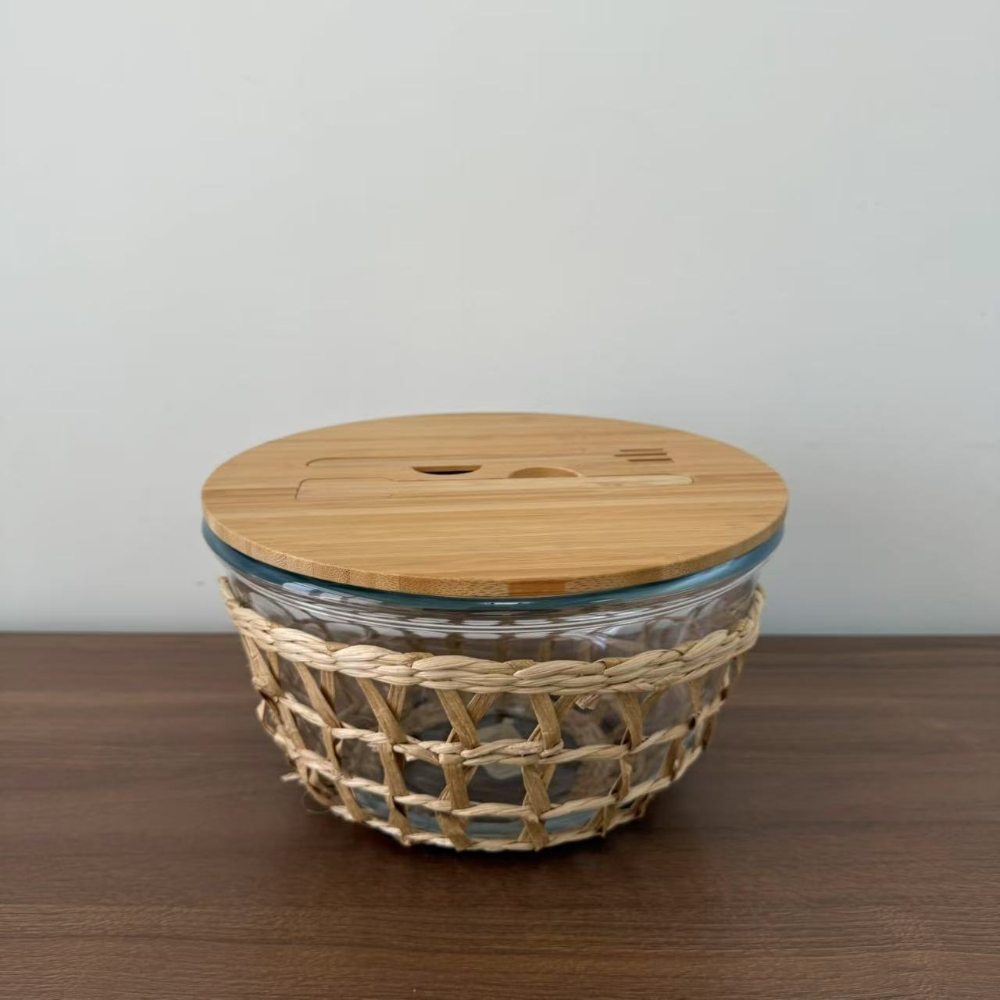
Which collection groups can be combined?
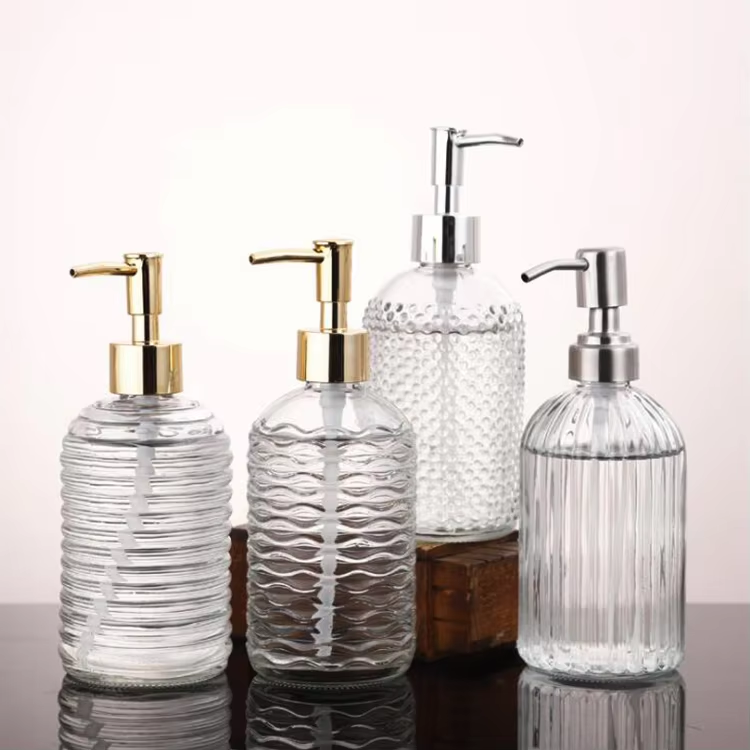
Food containers, baking-dish directions, soda-lime and borosilicate pantry jars, condiment and rack sets, salad bowls with stands, bottles, jug sets, coffee presses and household pump bottles can be discussed. Define the specification and use for every selected article.
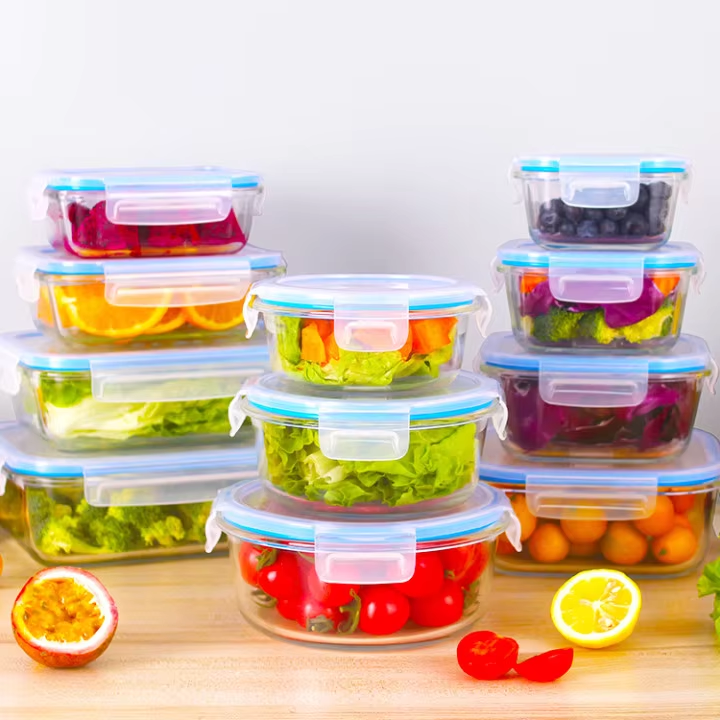
What round food-container sizes are shown?
One series lists 400 ml at 13.8 × 13.8 × 6.1 cm, 620 ml at 15.7 × 15.7 × 6.7 cm and 950 ml at 17.8 × 17.8 × 7.1 cm. Confirm the current lid version, measurement points, usable fill and care before approval.
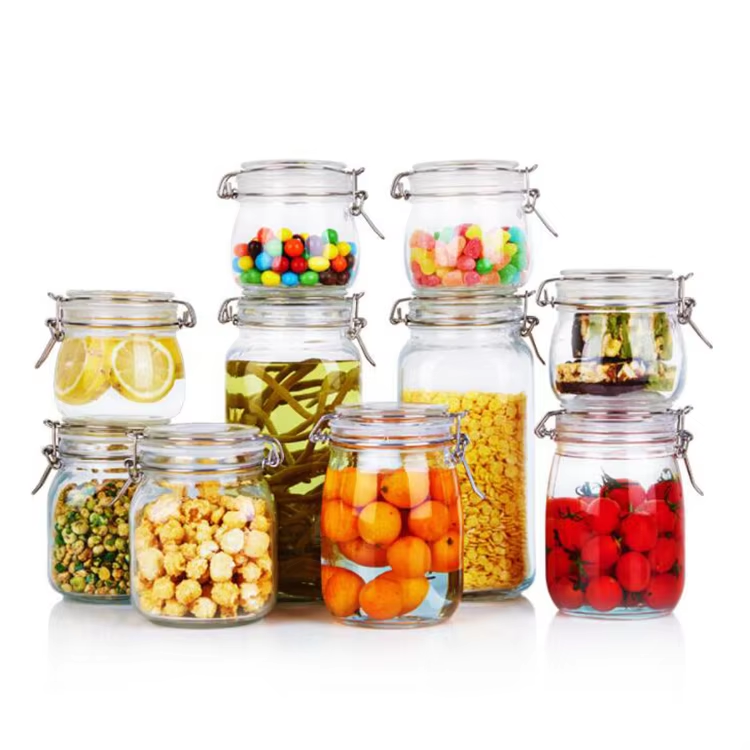
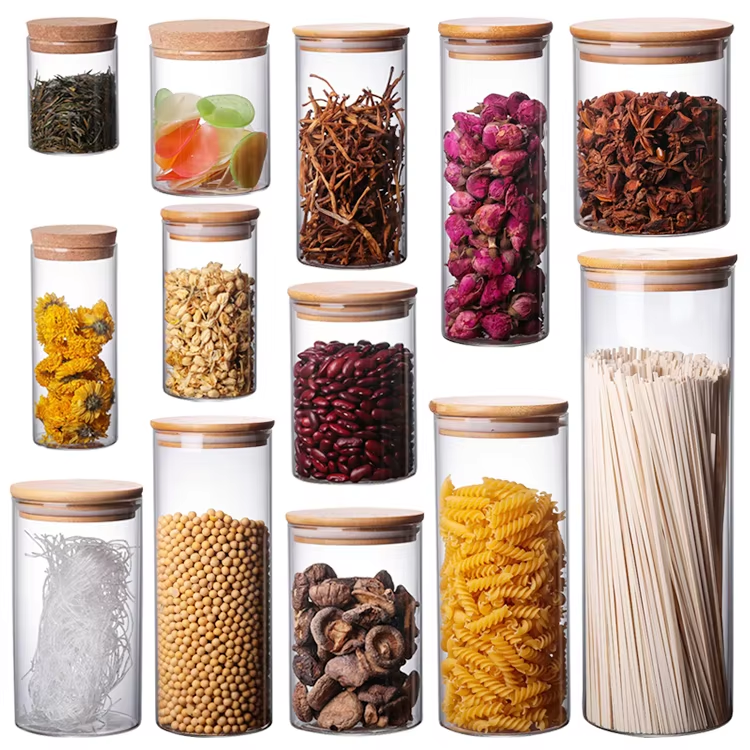
Can I build a taller pantry-jar assortment?
A cylindrical family spans 400 to 1600 ml with a listed 9.5 × 9.5 cm footprint and heights from 8.9 to 27.9 cm. Other families use different footprints and closures. Confirm the chosen size pairings, lid and seal instead of combining dimensions from different series.
Is there a large salad bowl with a stand?
A 4000 ml reference lists 29.8 × 25 × 13.8 cm with a wood-support presentation. Confirm what the dimensions include, the glass, stand and utensil materials, exact accessories and separate care instructions.
Can I coordinate pitchers with mugs and tumblers?
One direction lists a 1300 ml pitcher, a 420 ml handled mug and a 270 ml tumbler. Select quantities and colours for each piece, then confirm the lid, complete set contents and packing rather than assuming every photographed article is included.
Which French-press volumes are available as references?
A glass-handled series lists 350, 600, 800 and 1000 ml. Define useful brewing volume, body, filter, press, lid, handle and base materials. Obtain the current sample and instructions for the selected assembly.
Are all glass bodies, lids and stands suitable for heating?
Confirm model-specific conditions before use. Glass composition alone does not establish instructions for a finished item or its plastic lid, gasket, metal parts or wood stand. Heating, cooling and cleaning evidence must match the actual components.
Can custom shapes and packaging be considered?
Send original drawings or permitted samples, quantities and required materials. Request new-mould feasibility, authorised printing or hot-stamped effects, insert papers and packaging options, with sample stages, ownership and charges agreed.
What are samples, minimums and delivery times?
Request current terms for each item and finish. Source pages contain different minimums and schedules, so no single quantity or delivery promise covers the range. Confirm sample fees, freight, tooling, production milestones and shipping in writing.
What information helps with a first quotation?
Send item references or authorised images, size and capacity targets, glass and closure preferences, quantities by model and set contents. Add intended contents, destination, use conditions, required evidence, packaging and arrival window.
Who handles my enquiry?
Factory Sourcing Hub handles this enquiry as an independent sourcing and trading service. The product route, supplier suitability, sample scope and order responsibilities are agreed for the actual project.
How do I get a price and order minimum?
Send the product reference, quantities per variation, customization and packaging. Prices, minimums, sample charges and delivery dates are confirmed in a current quotation; the page is not a live inventory or price feed.
Can I discuss samples and inspection before ordering?
Yes. State whether you need a reference sample, a customized sample or development work. Agree the sample cost and shipping, approval specification, inspection plan and remedy for non-conforming goods before the bulk order.
What should I attach to my email?
Reference images, drawings, logo artwork and a product list are useful. Include quantities, the intended users and sales market, packaging, required documents and timing. After submitting the form, email attachments to kunhuow@gmail.com with your enquiry reference.