Independent B2B sourcing · One trading contactkunhuow@gmail.com ↗
FACTORY SOURCING HUBProduct sourcing for business buyers
Get a quote ↗
Home/Glassware/Glass Storage Jars, Condiment Containers & Coordinated Kitchenware Sourcing
GLASS STORAGE, CONDIMENTS, DISPENSING & MIXED-MATERIAL HOUSEWARES

Storage, seasoning & serving Define the container and every closure component

Glass Storage Jars, Condiment Containers & Coordinated Kitchenware Sourcing

Source glass kitchen-storage and canister directions, oil and sauce container enquiries, spice-storage sets and beverage-dispensing vessels, with related ceramic, porcelain, stainless-steel and wood houseware requirements.

  • Specify the container body, opening, lid, seal and serving function as one complete assembly.
  • Coordinate storage jars, condiment requirements and selected mixed-material kitchenware in one project brief.
  • Approve the current article, food-contact requirements and protective packing before ordering.

Manufacturing, product documents and order conditions depend on the model and supply route selected for your project.

Glass Storage Jars, Condiment Containers & Coordinated Kitchenware Sourcing category illustration
Category illustration. Product details and the final appearance are confirmed against the selected model and approved sample.

Start with a product reference, intended use and estimated quantity. We bring product selection, sample questions and quotation details into one conversation.

Email your reference image ↗
Core enquiryGlass food-storage jars, canisters and kitchen containers
Supporting directionsCondiment storage, spice sets and beverage dispensing
Material scopeGlass, ceramic, porcelain, stainless steel and wood enquiries
Approval focusVolume, neck, closure, contact parts and complete pack
Explore the product range

Build the range
your buyers need.

Choose a focused product or discuss a coordinated assortment. Each direction can be developed into a more specific model and packaging brief.

Glass storage jars and food containers

Build a kitchen-storage brief around the contents, working volume, neck opening, closure and cleaning requirements. Compare body shape and shelf footprint while keeping the complete lid and seal assembly tied to the approved sample.

Enquire about this range ↗

Clip-top jar directions

Clip-top glass jars with contrasting lid directions appear in the product imagery. Specify the actual lid material, hinge or wire closure, seal, opening clearance and replacement-part needs before choosing the assembly.

Enquire about this range ↗

Labelled canisters and serving accessories

Explore a coordinated canister direction for dry ingredients, with a front label area and optional serving utensil. Define the label treatment, legibility, lid fit, utensil inclusion and intended contents for the selected design.

Enquire about this range ↗

Oil, sauce and condiment storage enquiries

Include oil or sauce containers and spice-storage enquiries with your project requirements. Specify controlled pouring or dispensing, refill access, closure, leakage expectations and cleaning, with a current design and assembly confirmed before selection.

Enquire about this range ↗

Beverage-dispensing vessels

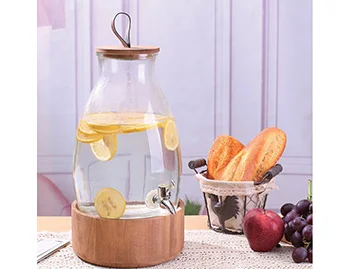
A glass vessel with a lid and lower tap appears in product imagery. Define the intended beverage, capacity, tap and seal materials, flow, stand requirements and complete assembly. Hot filling, pressure, heating and dishwasher use require separate product evidence.

Enquire about this range ↗

Ceramic and porcelain houseware enquiries

Include ceramic or porcelain requirements alongside glassware, with an exact article brief. Specify the body, glaze, shape, decoration, intended use and required material evidence; a general ceramic category does not establish a particular glaze or firing performance.

Enquire about this range ↗

Stainless-steel supporting products

Discuss stainless-steel houseware or component requirements with a drawing or reference. Identify the exact article, steel grade, surface finish, edge treatment and any contact with food or beverages.

Enquire about this range ↗

Wood products and coordinated material combinations

Include wood-product or mixed-material requirements where needed for the assortment. Define the article, species, construction, finish, moisture and food-contact requirements; capacity and availability depend on the selected design.

Enquire about this range ↗
Reference product directions

Start with a product.
Define the details.

Use these options to describe what you are buying. The public references identify your enquiry; the final model and specification are confirmed before an order.

Clip-top storage-jar direction sourcing illustration
REFERENCE 0153-01

Clip-top storage-jar direction

A clear glass jar with a wire-style closure is visible in product imagery. Choose the required volume, neck opening and lid or seal construction, then approve the exact drawing and sample.

Visible direction
Clear body / clip-style closure
To specify
Volume, dimensions, lid, seal and closure materials
Discuss this option ↗
Label-area kitchen-canister direction sourcing illustration
REFERENCE 0153-02

Label-area kitchen-canister direction

Rounded glass canisters with dark lids and contrasting front label areas appear in the imagery. The final artwork method, label material, size and decoration durability need an article-specific agreement.

Visible direction
Glass body / front label area / separate lid
To specify
Capacity, opening, lid material and label treatment
Discuss this option ↗
Canister with serving-scoop direction sourcing illustration
REFERENCE 0153-03

Canister with serving-scoop direction

A storage-canister arrangement is illustrated with a separate scoop. Confirm that a utensil is included and specify its material, size, storage arrangement and packaging protection.

Visible direction
Canister and separate serving utensil
To specify
Complete bill of materials and included piece count
Discuss this option ↗
Glass beverage-dispenser direction sourcing illustration
REFERENCE 0153-04

Glass beverage-dispenser direction

A glass vessel with a screw-style lid and lower dispensing tap is illustrated. Agree the tap connection, seal materials, usable fill volume and leakage test for the actual proposed assembly.

Visible direction
Glass vessel / lid / lower tap
To specify
Capacity, tap, seals, intended beverage and cleaning
Discuss this option ↗
Oil or sauce container enquiry sourcing illustration
REFERENCE 0153-05

Oil or sauce container enquiry

Start from the intended contents and pouring or dispensing task. Provide a target volume, closure, nozzle and leakage requirements so a current item can be proposed and approved.

Enquiry scope
Oil / sauce storage and serving
To specify
Body, closure, pouring arrangement and contact materials
Discuss this option ↗
Spice storage and rack enquiry sourcing illustration
REFERENCE 0153-06

Spice storage and rack enquiry

Define whether the project needs loose condiment jars, a coordinated set or a holder assembly. Confirm jar count, closures, rack dimensions and material combinations against a current reference.

Enquiry scope
Spice storage / rack requirements
To specify
Jar count, closures, holder and pack contents
Discuss this option ↗
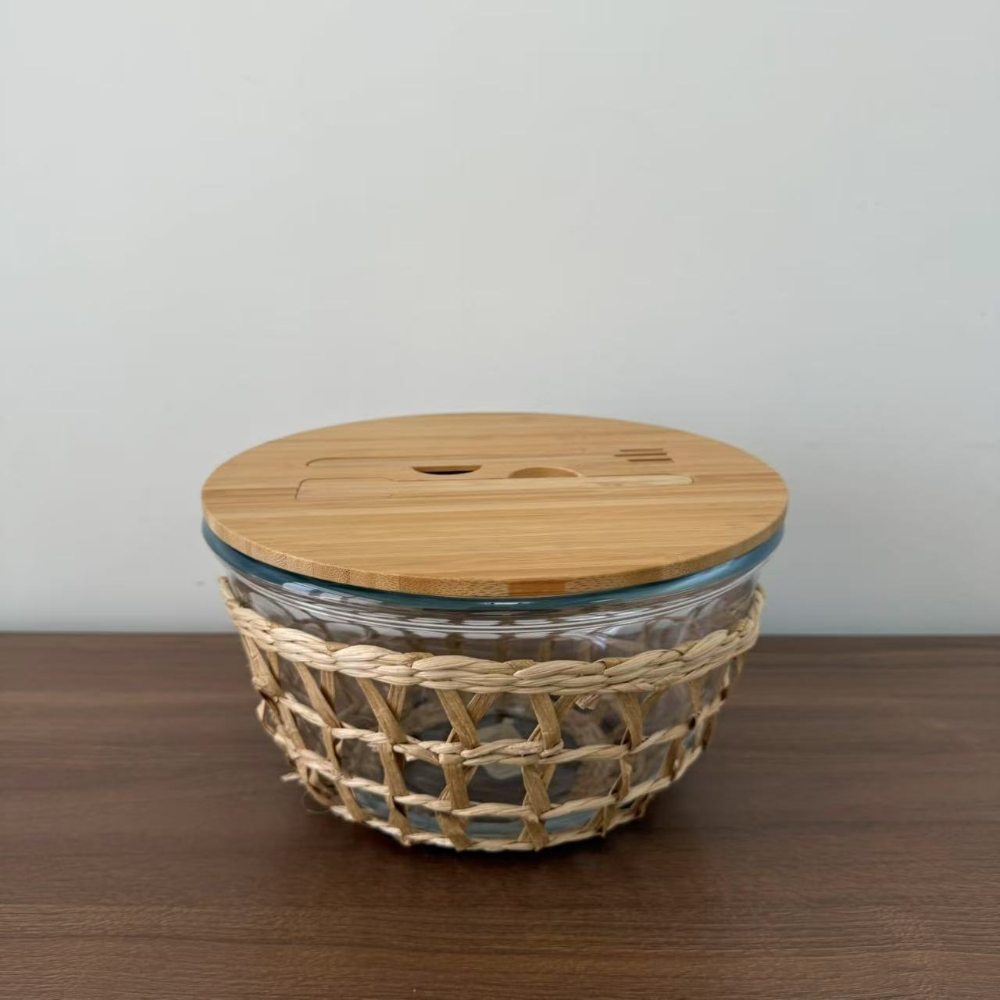
Ceramic, steel and wood assortment brief sourcing illustration
REFERENCE 0153-07

Ceramic, steel and wood assortment brief

Include a separate specification for every non-glass article. Material families can be considered together while each proposed product receives its own drawing, sample, packing and use-specific approval.

Material enquiry scope
Ceramic / porcelain / stainless steel / wood
To specify
Exact article, materials, dimensions, finish and intended use
Discuss this option ↗

Illustrated directions and material categories are starting points for an enquiry. Exact current models, capacities, dimensions, materials, availability and commercial terms need confirmation against a proposed item, drawing and approved sample. No fixed minimum quantity or delivery time is offered here.

What matters for this category

A better brief.
A clearer comparison.

Focus the sourcing conversation on the features, materials and production details that make a difference to your product range.

01

Specify the full storage system

Treat glass body, lid, closure, seal, scoop, holder or tap as connected components. This helps prevent an attractive container from being quoted with a different closure or incomplete accessory set.

02

Coordinate different kitchen tasks

Build an assortment around dry storage, seasoning and serving, with material choices and article-specific requirements recorded separately for every item.

03

Make use and packing part of selection

Include the intended contents, cleaning method, shelf footprint and breakage protection in the initial brief so the proposed container can be reviewed for its actual retail or hospitality use.

Branding, configuration & packaging

Make the product
fit your programme.

Bring artwork, reference samples and a target cost. The available process, minimum quantity, sample charges and development scope are reviewed for the chosen option.

01

Shape, volume and component brief

Send a drawing or reference with target fill volume, outer dimensions, opening, closure and complete component list. Confirm which existing or development direction can meet the requirements.

02

Decoration and coordinated materials

Describe colour, artwork, label areas, lid appearance and any ceramic, metal or wood components. Decoration method, repeatability, contact restrictions and minimum quantities need a project-specific feasibility review.

03

Sampling and packing approval

Request the proposed model and sample terms, then approve the complete assembly and protection layout. Sample charges, tooling, quantity breaks, carton contents and scheduling must be agreed in writing.

Quality & product evidence

Turn requirements
into checks.

Agree which product characteristics need testing and how the approved sample relates to the bulk order.

01

Body, rim and closure fit

Agree visual and dimensional criteria for the glass body, rim, lid, closure and seal. Include surface defects, rocking, closure operation and component compatibility in the inspection specification.

02

Use-specific material and function checks

Request evidence for the actual food-contact parts, intended contents and market. Leakage, tap flow, seal retention or thermal performance must be established on the selected product; no heating suitability follows from a glass appearance.

03

Assembly and shipment protection

Approve the component count and protective separation for jars, lids, taps, utensils or holders. Define the agreed packing test and shipment inspection records for the actual retail and transport configuration.

Test capability is a starting point for the inspection plan. Request the method, applicable model and results needed for your order.

Documents matched to the order

Ask for evidence
that fits the product.

Tie every document to the selected article, components, intended use and destination. Company management-system claims do not replace product-specific material or functional evidence.

State the sales market, intended users and required files in your first enquiry. Current validity and scope are checked for the selected supplier and product; a category description does not certify every item.

Share your document requirements ↗
Article and component specification
Drawing, capacity basis, dimensions, materials, lid and seal details, accessories and the signed sample or specification reference.
Applicable test and inspection records
Food-contact and decoration evidence for the actual assembly where required, agreed fit and function results, and the relevant production or shipment inspection records.
Packing and care information
Piece count, inner and outer protection, carton dimensions, artwork, barcode, cleaning guidance and explicit permitted or restricted temperature and appliance use.
Built around how you sell

Different buyers.
Different specifications.

Your sales channel changes the assortment, packaging and quality priorities. Tell us the intended use as well as the product name.

01

Kitchen and pantry retail

Develop storage and condiment assortments with a clear size hierarchy, consistent presentation, complete closures and protective retail packaging.

02

Hospitality and beverage service

Specify refill access, pouring or dispensing, cleaning and handling for the intended food or beverage, with the complete vessel assembly reviewed before selection.

03

Coordinated houseware projects

Combine glass-container requirements with separate ceramic, porcelain, steel or wood enquiries, each with its own material, article, sample and packing approval.

From first brief to a defined order

One contact.
A practical next step.

Samples, commercial terms and responsibilities are agreed for the project. Use the same product and packing specification when comparing quotations.

01

Share the requirement

Product, reference image, quantity, sales market and timing.

02

Compare suitable options

Review configuration, materials, sample scope and relevant documents.

03

Approve the specification

Agree artwork, packaging, sample, testing and inspection criteria.

04

Confirm the order plan

Set price, payment, production, delivery and defect remedies in writing.

Buyer questions

Before you send
your first enquiry.

Practical answers about this sourcing direction, customization and the reference options. Your agreed specification and written quotation determine the actual order.

What can I include in an enquiry?

Start with glass storage jars and kitchen canisters, oil or sauce container requirements, spice-storage or rack requirements and beverage-dispenser directions. Related ceramic, porcelain, stainless-steel and wood articles can be discussed with an exact product brief.

Are exact capacities and dimensions available here?

No fixed capacity or dimensional schedule is established for these directions. Send the intended volume, shelf footprint, opening and complete assembly requirements so a current reference, drawing and sample can be confirmed.

Can I choose clip closures, labels or serving utensils?

Clip-top jars, separate-lid canisters, front label areas and a scoop arrangement appear among the illustrated directions. Confirm the current design, actual materials, included parts and any decoration requirements for the proposed item.

Are these containers airtight or leakproof?

No universal sealing or leakage guarantee is assumed. State the contents, orientation and storage or transport conditions, then agree the closure, gasket and relevant leakage or seal-performance criteria for the selected assembly.

Can a beverage dispenser hold hot drinks?

Hot-drink use, hot filling, thermal shock and temperature limits require evidence for the exact body, lid, tap and seals. Do not select an illustrated cold-beverage-style vessel for heating or pressurised use without an explicit product specification.

Can ceramic, steel or wood products be coordinated with glassware?

Include the exact articles and required material combinations in the brief. Confirm the proposed body, glaze, steel grade, wood species, finish, dimensions and contact requirements separately for each item.

What are the MOQ, sample and production terms?

Request current minimums by article and variant, sample availability and charges, tooling needs and an order-specific production schedule. No verified universal quantity or time applies to this range.

What information helps produce an accurate quotation?

Provide a reference or drawing, quantities, working volume, outer dimensions, neck opening, lid and seal, accessories, contents and intended use, decoration, packaging, destination and required testing or inspection criteria.

Who handles my enquiry?

Factory Sourcing Hub handles this enquiry as an independent sourcing and trading service. The product route, supplier suitability, sample scope and order responsibilities are agreed for the actual project.

How do I get a price and order minimum?

Send the product reference, quantities per variation, customization and packaging. Prices, minimums, sample charges and delivery dates are confirmed in a current quotation; the page is not a live inventory or price feed.

Can I discuss samples and inspection before ordering?

Yes. State whether you need a reference sample, a customized sample or development work. Agree the sample cost and shipping, approval specification, inspection plan and remedy for non-conforming goods before the bulk order.

What should I attach to my email?

Reference images, drawings, logo artwork and a product list are useful. Include quantities, the intended users and sales market, packaging, required documents and timing. After submitting the form, email attachments to kunhuow@gmail.com with your enquiry reference.


Tell us what you are planning

Your next order
starts with a brief.

A reference picture or a short description is enough to begin. Add the details you already know; the optional fields help make the follow-up more useful.

  • Container or article reference, quantities and target volume
  • Body, opening, closure, seal and complete accessories
  • Intended contents, use, cleaning and required evidence
  • Decoration, protective packing, destination and target date
kunhuow@gmail.com

Download the enquiry checklist ↓

Independent sourcing and trading service. Supplier choice, service costs and order conditions are discussed for your project.

Discuss your requirements.

Product selection, customization, samples and quotation enquiries.

Add product, quantity or customization details (optional)

Submit your enquiry directly. We use your details to respond to your sourcing request. For attachments, email kunhuow@gmail.com with your enquiry reference. Enquiry data use.

Information basis: published product information reviewed . Reference details support a sourcing discussion. Current supply, samples and product-specific documents are confirmed for the selected item.

Have a product in mind?
Share your sourcing brief.
Send an enquiry ↗