Independent B2B sourcing · One trading contactkunhuow@gmail.com ↗
FACTORY SOURCING HUBProduct sourcing for business buyers
Get a quote ↗
Home/Home & Lifestyle/Sheepskin Rugs, Wool Home Products & Leather Material Sourcing
Sheepskin rugs · wool home products · garment leather · footwear leather · bag leather · upholstery materials

Bring natural texture into your collection. Sheepskin, wool and leather sourcing.

Sheepskin Rugs, Wool Home Products & Leather Material Sourcing

Source sheepskin rugs, wool home products and leather materials for apparel, footwear, bags and upholstery. Compare hair-on and smooth finishes, develop color and hand-feel references, and specify samples, traceability requests, testing and packaging for the exact article.

  • Combine home-textile enquiries with leather and wool material requirements.
  • Compare actual finish and hair-texture references before selecting your construction.
  • Develop article-specific samples, color standards, quality checks and packing details.

Manufacturing, product documents and order conditions depend on the model and supply route selected for your project.

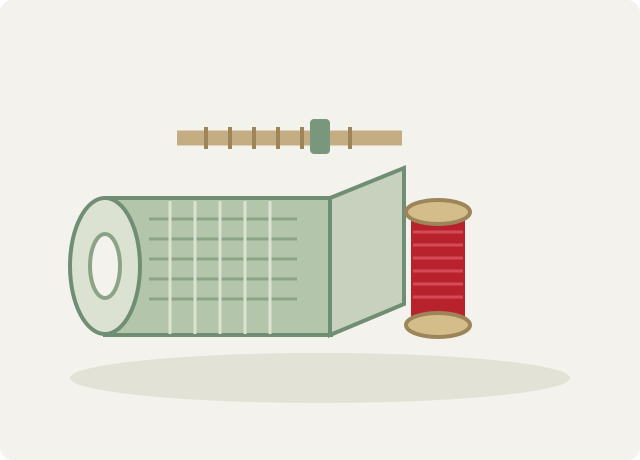
Illustration of leather swatches, a wool-texture sample and a sheepskin rug shape
Category illustration. Final texture, colour, materials, construction and dimensions depend on the selected article and approved sample.

Start with a product reference, intended use and estimated quantity. We bring product selection, sample questions and quotation details into one conversation.

Email your reference image ↗
Home collectionSheepskin rugs · wool products · selected soft furnishings
Material familiesWool-on sheepskin · sheep leather · cattle leather · wool
End usesApparel · footwear · bags · sofas and interiors
Development briefFinish · thickness or pile · color · cutting area · testing · packaging
Explore the product range

Build the range
your buyers need.

Choose a focused product or discuss a coordinated assortment. Each direction can be developed into a more specific model and packaging brief.

Sheepskin rugs and home accents

Build a home collection around natural texture, hand feel, shape and the intended room setting. Set the required finished dimensions, backing, edge treatment and care information for each article. Compare the approved sample with an agreed shade and appearance range so natural variation can be managed consistently.

Enquire about this range ↗

Wool and wool-based home products

Wool materials and home-product directions can be considered alongside the rug range. Start with the intended construction, finished article and material declaration. For soft furnishings, specify whether the enquiry concerns a cover, a filled item or a material component before comparing quotes and packaging.

Enquire about this range ↗

Wool-on and double-face materials

Hair-on sheepskin and double-face directions combine the wool side with a leather side. Compare pile appearance, density, leather hand feel and the finish of both faces. Define the usable cutting area and orientation required for your design, with the thickness and pile specification confirmed on the selected article.

Enquire about this range ↗

Garment leather

Select apparel materials around drape, weight, hand feel, surface appearance and the construction of the garment. Provide a physical swatch or an authorized design brief. Agree thickness tolerance, color standard, finishing requirements and the relevant tests before approving a production article.

Enquire about this range ↗

Footwear uppers and linings

Footwear material options include hair-on, smooth and suede directions. Separate upper and lining requirements, since cutting, flexing, color transfer and contact considerations differ. Provide the footwear design, manufacturing process and intended performance so the exact article can be assessed.

Enquire about this range ↗

Calf and cattle leather finishes

Calf and cattle leather offer different surface and handle directions for footwear and other leather goods. Review the actual finish sample rather than relying on a generic material name. Agree thickness, shade, grain appearance, usable area and cutting expectations for the selected construction.

Enquire about this range ↗

Bag and accessory leather

Bag and leather-goods enquiries can be developed around structure, softness, finish and the planned cutting layout. State whether the material is for an exterior panel, lining, trim or another component. Review color matching and finishing behavior against your own hardware, adhesive and assembly process.

Enquire about this range ↗

Sofa and interior materials

Upholstery material enquiries require their own specification for end use, coverage and appearance. Define the furniture or interior component, substrate needs, color standard and applicable durability or fire requirements. Material availability and compliance must be checked for the particular article and destination.

Enquire about this range ↗

Straight, curled and patterned hair effects

Straight hair, curled textures, solid colors, natural markings and printed effects create different visual directions. Select from actual references and confirm which effects can be developed on the chosen substrate. Use an approved appearance standard for production, including the acceptable variation in a natural material.

Enquire about this range ↗

Tanning and finish development

Different tanning and finishing routes can be discussed for the intended leather article. State your restricted-substance requirements and desired feel, color and performance before choosing a process. Any chromium, formaldehyde, metal or other chemical-content claim requires article-specific definitions and supporting evidence.

Enquire about this range ↗

Finished footwear and lifestyle enquiries

Selected finished-product directions extend beyond the supply of leather sheets or hides. Send a dedicated specification for footwear, garments, gloves or home articles, including construction and size requirements. Production arrangements, rights to a design and sample approval are assessed separately from a material-only enquiry.

Enquire about this range ↗

Traceability and component documentation

Where origin or processing information matters to your buying program, define the required documents and level of traceability at the outset. Identify the material and production lot concerned. Facility audit status, a material claim and a finished-product approval have different scopes and should be reviewed separately.

Enquire about this range ↗
Reference product directions

Start with a product.
Define the details.

Use these options to describe what you are buying. The public references identify your enquiry; the final model and specification are confirmed before an order.

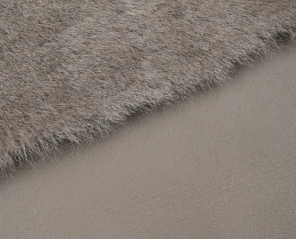
Straight-hair footwear shearling sourcing illustration
REFERENCE 0203-01

Straight-hair footwear shearling

A smooth leather-side and straight-hair material reference for footwear development. Compare both faces and confirm whether the selected article is intended for an upper, a lining or another component.

Material family
Genuine hair-on leather
Appearance reference
Smooth side with straight hair
Application direction
Footwear material
Thickness and pile
Confirm on the selected article
Discuss this option ↗
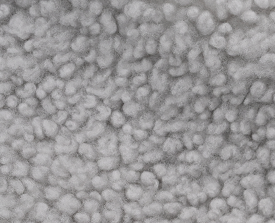
Pearl-curl shearling texture sourcing illustration
REFERENCE 0203-02

Pearl-curl shearling texture

A curled wool-side appearance for a textured material collection. Specify the curl appearance, color and leather-side requirements through a physical approval sample.

Material family
Genuine hair-on leather
Texture reference
Pearl-curl wool appearance
Application direction
Footwear material
Article dimensions
Confirm usable area and thickness
Discuss this option ↗
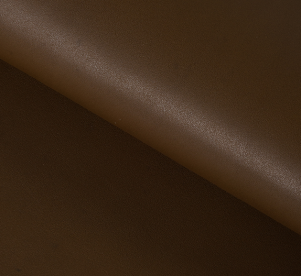
Burnished calf leather sourcing illustration
REFERENCE 0203-03

Burnished calf leather

A calf-leather finish reference for a leather-goods or footwear brief. Develop the desired tone, surface effect and handle on the actual construction rather than assuming the same behavior across every calf article.

Material
Calf leather
Finish direction
Burnished effect
Color and handle
Sample approval required
Thickness and area
To be specified for quotation
Discuss this option ↗
Suede double-face boot material sourcing illustration
REFERENCE 0203-04

Suede double-face boot material

A suede-side double-face direction identified within the footwear material assortment. Agree the wool-side texture and leather-side finish as one article specification.

Format
Double-face hair-on material
Surface direction
Suede
Application direction
Boot material
Thickness and pile
To be confirmed per article
Discuss this option ↗
Natural-marking hair-on leather sourcing illustration
REFERENCE 0203-05

Natural-marking hair-on leather

A patterned hair-on direction for a material collection. Assess the actual hide selection and establish the acceptable marking range and cutting yield for your design.

Material direction
Hair-on cattle or calf selection
Appearance direction
Natural markings
Selection criterion
Approved appearance and cutting requirements
Numerical grading
Confirm before order
Discuss this option ↗
Solid-color or printed hair-on material sourcing illustration
REFERENCE 0203-06

Solid-color or printed hair-on material

Solid-color and screen-printed effects offer another design route. Confirm the chosen substrate and effect, with artwork rights and color transfer requirements defined before sampling.

Appearance options
Solid color or screen-printed effect
Material selection
Confirm the selected hair-on article
Development inputs
Authorized artwork and physical color standard
Performance
Test against agreed end-use requirements
Discuss this option ↗
Wool-on sheepskin rug direction sourcing illustration
REFERENCE 0203-07

Wool-on sheepskin rug direction

A natural-texture rug enquiry for a home collection. Submit your finished shape and dimension requirements, backing and edge preferences, care presentation and pack format.

Product family
Sheepskin rug
Material direction
Wool-on sheepskin
Shape and size
Set in the approved product brief
Packing
Individual protection and outer carton to agree
Discuss this option ↗
Garment and bag leather brief sourcing illustration
REFERENCE 0203-08

Garment and bag leather brief

A material enquiry for apparel or leather goods. Define the application, desired hand feel, grain or surface effect, color and cutting needs so a suitable article can be selected.

Material range
Sheep and cattle leather directions
Applications
Garment or bag component
Thickness
Set for the specific article
Supply format
Confirm hide or component requirements
Discuss this option ↗
Sofa leather and wool home brief sourcing illustration
REFERENCE 0203-09

Sofa leather and wool home brief

A separate material or finished-home-product enquiry. Clarify the furniture component or soft furnishing, the exact material construction and the tests needed for its intended market.

Product directions
Sofa leather; wool and home products
Specification basis
Selected material or finished article
Material declaration
Confirm composition and component scope
Dimensions and performance
Agree before sample approval
Discuss this option ↗

These references identify real material families and appearance directions. No standard thickness, pile length, finished rug size, minimum quantity or lead time is implied. Confirm the chosen article, physical swatch, construction and acceptance criteria in the quotation. Natural hides and wool require an agreed approach to appearance variation and usable cutting area.

What matters for this category

A better brief.
A clearer comparison.

Focus the sourcing conversation on the features, materials and production details that make a difference to your product range.

01

Connect material and home-product buying

Coordinate enquiries for sheepskin rugs, wool home articles and leather materials in one purchasing discussion. Keep material-only and finished-product specifications clear so sample approval, testing and packing can be organized for each order.

02

Choose the surface and construction together

Compare smooth, suede, straight-hair, curled and patterned references against the actual design. A physical swatch and cutting requirement help define the right article more precisely than a color name or a generic leather description.

03

Make repeat specifications easier to review

Record the approved article, shade, handle, dimensions, finishing and tolerances. Add the required tests and document scope so later batches can be assessed against the same commercial and quality criteria.

Branding, configuration & packaging

Make the product
fit your programme.

Bring artwork, reference samples and a target cost. The available process, minimum quantity, sample charges and development scope are reviewed for the chosen option.

01

Swatches, color and finish

Provide a physical sample, authorized artwork or a clear design brief with the desired hand feel and application. Review substrate, finish and color development for the selected article, with sample charges, revisions and approval timing confirmed in the quotation.

02

Dimensions and article construction

For rugs and finished home articles, define shape, finished dimensions, backing, seams, edges and component materials. For leather, define thickness, usable area, pile or hair requirements and the intended manufacturing process. Availability is assessed by article rather than assumed across the range.

03

Private-label and shipping presentation

Discuss unbranded or private-label presentation for the chosen finished item, including labels, care information, languages, barcode space and packaging. Confirm design rights, minimum quantities and production timing before approving artwork or shipment arrangements.

Quality & product evidence

Turn requirements
into checks.

Agree which product characteristics need testing and how the approved sample relates to the bulk order.

01

Appearance, handle and dimensions

Use approved swatches to assess color, texture, hair or pile appearance, surface finish and hand feel. Define dimensional and thickness tolerances, acceptable natural marks and usable area. Review the finished sample under agreed inspection conditions.

02

End-use performance

Choose test methods relevant to the article: color transfer, flexing, abrasion, seam or component behavior, dimensional stability or other agreed requirements. A footwear lining and an upholstery material need different evidence; do not transfer results between constructions without review.

03

Materials and restricted substances

Identify the destination and applicable restricted-substance brief before selecting the material. Request evidence for the chosen article and any claimed tanning or finish property. Verify the scope of certificates and traceability records separately from finished-product performance.

Test capability is a starting point for the inspection plan. Request the method, applicable model and results needed for your order.

Documents matched to the order

Ask for evidence
that fits the product.

Tell us the material or finished product, end use, destination and claims required by your buying program. The document request can then be tied to the selected article and production arrangement.

State the sales market, intended users and required files in your first enquiry. Current validity and scope are checked for the selected supplier and product; a category description does not certify every item.

Share your document requirements ↗
Approved article specification
Request material and construction descriptions, thickness or pile requirements, dimensions, color and finish standards, tolerances, sample references and the agreed packing details. Add cutting-area or appearance grading where it affects your costing.
Test and chemical-content evidence
Specify the tests and restricted-substance limits needed for your application. Request reports that identify the actual article, test method, date and result. Definitions such as chrome-free, metal-free or low-formaldehyde need clear scope and evidence.
Traceability and supply documents
Request available material origin, processing and lot information for the selected supply. Where a facility audit or other program is important, confirm its holder, site, scope and validity, together with the shipment documents and labeling required for the order.
Built around how you sell

Different buyers.
Different specifications.

Your sales channel changes the assortment, packaging and quality priorities. Tell us the intended use as well as the product name.

01

Home brands and interior collections

Develop natural-texture rug and wool home-product enquiries with a clear visual standard, finished construction and pack plan. Compare materials and care presentation around the intended consumer use.

02

Footwear and fashion manufacturers

Source upper, lining, garment or accessory materials against the planned cutting and assembly process. Use actual swatches and test requirements to guide article selection and avoid treating every leather finish as interchangeable.

03

Furniture and specialist material buyers

Submit a component-level brief for upholstery or other interior materials, including dimensions, end-use performance and documentation. Confirm the selected supply and manufacturing arrangement before committing a retail claim or design.

From first brief to a defined order

One contact.
A practical next step.

Samples, commercial terms and responsibilities are agreed for the project. Use the same product and packing specification when comparing quotations.

01

Share the requirement

Product, reference image, quantity, sales market and timing.

02

Compare suitable options

Review configuration, materials, sample scope and relevant documents.

03

Approve the specification

Agree artwork, packaging, sample, testing and inspection criteria.

04

Confirm the order plan

Set price, payment, production, delivery and defect remedies in writing.

Buyer questions

Before you send
your first enquiry.

Practical answers about this sourcing direction, customization and the reference options. Your agreed specification and written quotation determine the actual order.

Can I enquire about more than sheepskin rugs?

Yes. Wool home products and leather directions for apparel, footwear, bags and sofas can be discussed. Selected finished-product projects need a separate construction brief. State whether you need material, cut components or a finished article.

Which hair-on and surface effects are represented?

Reference directions include straight hair, pearl-curl texture, smooth and suede faces, solid colors, natural markings and printed effects. Availability depends on the selected substrate and article; compare a physical sample before setting your production standard.

What sizes and thicknesses are available?

Send your required finished dimensions or material thickness, pile requirements and usable cutting area. These values are confirmed for the selected article. The references here do not establish a universal rug size or leather thickness range.

How is natural variation handled?

Agree an appearance range using approved samples and define acceptable color, grain, markings, hair texture and cutting-area criteria. Include these requirements in the order specification so the quotation and inspection use the same basis.

Can I develop a specific color or print?

Provide a physical color standard or authorized artwork with the desired substrate and end use. Color and finish development can then be assessed for that article. Confirm sample cost, matching tolerance, revisions and print performance requirements before approval.

Are low-chemical-content or alternative tanning options possible?

Submit the exact chemical-content limits and intended use. A process name alone does not establish compliance. Review the selected article, the definition of the requested claim and the available test evidence before using that wording on packaging.

Does a tannery audit certify my finished product?

A facility audit has its own holder, site and scope. A finished rug, shoe or furniture component may require additional material and performance evidence. Identify which documents your buying program needs and verify them for the actual supply.

Can you support private-label finished products?

Submit your design and construction brief with labeling, care information, pack format and quantity. Unbranded or private-label options can be assessed for the selected item. Design rights, manufacturing arrangements and approval steps must be confirmed for the project.

What should a leather-material enquiry include?

State the animal/material type, end use, thickness, surface finish, color, hand feel, usable area, quantity and destination. Include your test requirements and a reference swatch where possible so the quoted article matches your production process.

How are samples, minimum quantities and lead times determined?

They depend on the article, finish, color development, construction and packaging. Send the complete brief for a project-specific quotation covering samples, minimum quantities, approval steps and production timing. No single minimum or delivery figure applies across this range.

Can traceability documents be requested?

Yes. Define the material, lot and level of origin or processing information required. Availability and document scope are checked for the selected supply. A documented record, a physical mark and a finished-product claim should be assessed as distinct requirements.

What packaging details should I provide?

For finished articles, state individual protection, labels, care inserts, piece counts and outer-carton requirements. For materials, specify identification and protection during transport. Final packing is agreed after the article and shipment quantities are confirmed.

Who handles my enquiry?

Factory Sourcing Hub handles this enquiry as an independent sourcing and trading service. The product route, supplier suitability, sample scope and order responsibilities are agreed for the actual project.

How do I get a price and order minimum?

Send the product reference, quantities per variation, customization and packaging. Prices, minimums, sample charges and delivery dates are confirmed in a current quotation; the page is not a live inventory or price feed.

Can I discuss samples and inspection before ordering?

Yes. State whether you need a reference sample, a customized sample or development work. Agree the sample cost and shipping, approval specification, inspection plan and remedy for non-conforming goods before the bulk order.

What should I attach to my email?

Reference images, drawings, logo artwork and a product list are useful. Include quantities, the intended users and sales market, packaging, required documents and timing. After submitting the form, email attachments to kunhuow@gmail.com with your enquiry reference.


Tell us what you are planning

Your next order
starts with a brief.

A reference picture or a short description is enough to begin. Add the details you already know; the optional fields help make the follow-up more useful.

  • Material or finished-product category, application, construction and reference swatch or authorized design.
  • Required thickness, pile or texture, dimensions, usable cutting area, color and finish tolerances.
  • Quantity per article or color, private-label needs, packaging, destination and requested delivery date.
  • Test methods, restricted-substance limits, traceability scope, document requirements and sample approval plan.
kunhuow@gmail.com

Download the enquiry checklist ↓

Independent sourcing and trading service. Supplier choice, service costs and order conditions are discussed for your project.

Discuss your requirements.

Product selection, customization, samples and quotation enquiries.

Add product, quantity or customization details (optional)

Submit your enquiry directly. We use your details to respond to your sourcing request. For attachments, email kunhuow@gmail.com with your enquiry reference. Enquiry data use.

Information basis: published product information reviewed . Reference details support a sourcing discussion. Current supply, samples and product-specific documents are confirmed for the selected item.

Have a product in mind?
Share your sourcing brief.
Send an enquiry ↗