
Sewing threads
Compare spun polyester, corespun, cotton, nylon, high-tenacity, overlock, bag-closing and selected recycled directions. Match fibre, count, ply, finish and winding to the seam and machine.
Enquire about this range ↗Garment Accessories Threads, Trims & Fabrics
Coordinate sewing and embroidery threads, zippers, lace, ribbons, webbing, elastic, buttons, labels, interlining, fabrics and tailoring materials for apparel, home textiles, bags and wholesale programmes.
Manufacturing, product documents and order conditions depend on the model and supply route selected for your project.
Start with a product reference, intended use and estimated quantity. We bring product selection, sample questions and quotation details into one conversation.
Email your reference image ↗Choose a focused product or discuss a coordinated assortment. Each direction can be developed into a more specific model and packaging brief.
Compare spun polyester, corespun, cotton, nylon, high-tenacity, overlock, bag-closing and selected recycled directions. Match fibre, count, ply, finish and winding to the seam and machine.
Enquire about this range ↗Include polyester, viscose rayon and cotton embroidery directions, bobbin thread, metallic, invisible, elastic and knitting yarn. Technical finishes require an application-specific sample and test specification.
Enquire about this range ↗Review polyester spun and filament, selected blended, water-soluble and other raw-yarn directions. Specify composition, linear density, twist, dyeing state, package and downstream process.
Enquire about this range ↗Compare nylon-coil, metal, resin, invisible and continuous-chain directions, with sliders, pulls and components. Define chain size, length, end style, locking, tape and any special-function evidence.
Enquire about this range ↗Include polypropylene, cotton or blended webbing, bag straps, bias binding, waistbands, mattress and sofa tapes. Select width, construction, finish and required strength by use.
Enquire about this range ↗Compare knitted, woven, braided, jacquard, buttonhole and gripper elastic directions alongside sew-on or adhesive hook-and-loop. Specify stretch, recovery, material and attachment requirements.
Enquire about this range ↗Review satin, sheer, grosgrain, petersham, velvet, metallic, checked, printed and seasonal ribbon directions. Specify face, edge, width, colour, artwork and winding.
Enquire about this range ↗Include elastic and non-elastic rope, flat and twisted cord, waxed string, drawcord and selected decorative directions. Define diameter, construction, end treatment and use.
Enquire about this range ↗Compare lace trims and fabrics, cotton, nylon, chemical and organza directions, crochet, stretch and selected three-dimensional decoration. Approve the actual motif, width, repeat and shade.
Enquire about this range ↗Include shirt and fashion buttons, jeans buttons, rivets, snaps, eyelets, covered buttons, hooks, buckles and cord stoppers. Match material, finish, attachment and tooling.
Enquire about this range ↗Coordinate woven or printed labels, care and size labels, blank label tapes, hang tags and attachment strings. Artwork, fibre declarations, care information and brand permissions need buyer approval.
Enquire about this range ↗Compare collar, waist, hat, robe, coat, tricot and other woven interlining directions. Match base cloth, handfeel, adhesive, weight and fusing conditions to the shell fabric.
Enquire about this range ↗Review selected nonwoven interlinings, embroidery backing, water-soluble supports, fusing tapes and related substrates. Define composition, bonding method, weight and the intended process.
Enquire about this range ↗Include scissors, needles, pins, seam rippers, tracing wheels, marking tools, tape measures, tag guns, thimbles, threaders, knitting tools, sewing kits and related notions.
Enquire about this range ↗Review selected machine and parts directions including needles, bobbins, cases, hooks, plates, feet and races. Provide the machine make, model, part reference and dimensions for compatibility review.
Enquire about this range ↗Include decorative beads, rhinestones, sequins, chain, fringe, appliqués, patches, bows and embellishments. Approve material, attachment, design rights and packaging for the intended market.
Enquire about this range ↗Compare poplin, taffeta, polyester-cotton, polyester-viscose, twill, Oxford, mini-matt, checked, satin, pongee and denim directions. Define composition, construction, mass, width and finishing.
Enquire about this range ↗Include jersey, interlock, rib, stretch, mesh and chiffon directions. Specify actual fibre content, structure, stretch and recovery rather than relying on a fabric trade name.
Enquire about this range ↗Review fleece, flannel, towel, artificial-fur, peach-skin, bedding and selected compound-fabric directions. Choose backing, handle, pile, construction and end-use tests.
Enquire about this range ↗Include selected PU or PVC artificial-leather, coated and film directions. Confirm backing, thickness, finish, flexing, abrasion, hydrolysis or other test requirements for the application.
Enquire about this range ↗Coordinate material schedules for uniforms, workwear, suiting, shirts, fashion, sportswear, lingerie and bridalwear. Footwear and hat enquiries can include selected associated fabrics, fittings and trims.
Enquire about this range ↗Combine curtain fabrics and hardware, selected sofa and mattress materials, and bag or luggage components. Provide drawings and a component schedule for each finished-product programme.
Enquire about this range ↗Discuss selected notion assortments, craft sets, garment packaging, wrapping paper, bags and tapes. Fishing-twine and related textile requests can be reviewed separately with the actual specification.
Enquire about this range ↗Use these options to describe what you are buying. The public references identify your enquiry; the final model and specification are confirmed before an order.

A two-ply spun-polyester reference for an agreed sewing application.
Review shade, sheen, winding and machine-running performance with the actual stitch design.
Compare embroidery and sewing directions by the fabric and finished use.
Coordinate spun, filament and selected blended-yarn requests.
A closed-end invisible nylon-coil direction combines a concealed closure with lace tape.
Review the complete zipper and slider arrangement before comparing prices.
A satin-face ribbon reference for garment or decorative projects.
Select width and recovery with a sample suited to the garment construction.
Compare attachment and material before specifying the fastening schedule.
Coordinate binding, straps, decorative tapes and cord with the finished article.
A non-stretch polyester lace reference with a decorative eyelash edge.
Review a buyer-approved motif or reference sample for fashion, bridal or decorative projects.
Prepare a coordinated garment-closure and attachment schedule.
Use buyer-approved artwork for garment identification and presentation.
A soft cotton interlining reference for a fabric-specific fusing trial.
Review interlining, backing and selected soluble support directions against the production process.
A plain-woven polyester reference for a selected garment or lining requirement.
Compare garment, lining, stretch and decorative fabric directions with a complete specification.
Review a fabric or coated-material sample against the intended wear and care conditions.
Build a workshop, retail or assortment enquiry from an itemised list.
Match selected sewing-machine parts using exact equipment information.
Coordinate fabrics and related installation or assembly accessories.
Review a component schedule for accessories or finished-product assembly.
Figures describe selected published references, not every product in the range. Confirm a current specification, approved sample, shade and written commercial offer for each order.
Focus the sourcing conversation on the features, materials and production details that make a difference to your product range.
Review fabric and trim schedules together for a garment collection, home-textile programme or wholesale assortment. Compare each line on the same specification and packing basis.
Selected materials support shade matching, logo or pattern development and private packing discussions. Approve a physical reference and development scope before bulk work.
Coordinate sampling, specification approval, production follow-up and shipment requirements through a single enquiry. Keep inspection and supporting-document requirements tied to the selected products.
Bring artwork, reference samples and a target cost. The available process, minimum quantity, sample charges and development scope are reviewed for the chosen option.
Provide fibre composition, construction, count, mass, width, finish and a physical shade reference as relevant. Confirm lab dips, pattern samples and agreed tolerances.
Review selected woven logos, print designs, closure details, label artwork and private packaging. Buyer-owned or authorised artwork is required for branded work.
Specify cone or roll formats, length or mass, set contents, bag or carton quantities and shipping marks. Samples, MOQ, charges and lead time depend on the actual line and customisation.
Agree which product characteristics need testing and how the approved sample relates to the bulk order.
Use a reference sample, shade approval and written specification. Agree the checks relevant to thread, fabric, closures, tape or interlining before production.
Request appropriate colour, dimensional, strength, running, shrinkage, adhesion or fastening checks for the selected goods. Define methods and acceptance criteria; fusing needs a shell-fabric trial.
Request available inspection and product-specific compliance documents. Confirm label information, quantities, moisture protection, carton condition and shipment identification.
Test capability is a starting point for the inspection plan. Request the method, applicable model and results needed for your order.
Send the bill of materials and destination requirements with the enquiry. Documents and test scope must be matched to each selected article.
State the sales market, intended users and required files in your first enquiry. Current validity and scope are checked for the selected supplier and product; a category description does not certify every item.
Share your document requirements ↗Your sales channel changes the assortment, packaging and quality priorities. Tell us the intended use as well as the product name.
Coordinate shell fabrics, lining, thread, interlining, closures, elastic, labels and decorative trims for a defined collection.
Prepare fabric and accessory schedules for curtains, bedding, selected furniture, bags or luggage with end-use requirements.
Build notions, thread, ribbon, trim, hardware or craft assortments with clear variants, pack sizes and presentation requirements.
Samples, commercial terms and responsibilities are agreed for the project. Use the same product and packing specification when comparing quotations.
Product, reference image, quantity, sales market and timing.
Review configuration, materials, sample scope and relevant documents.
Agree artwork, packaging, sample, testing and inspection criteria.
Set price, payment, production, delivery and defect remedies in writing.
Practical answers about this sourcing direction, customization and the reference options. Your agreed specification and written quotation determine the actual order.
Yes. Send an itemised material schedule with quantities, variants and destination. Each line will receive its own specification and commercial confirmation.
Shade matching can be reviewed from physical references or agreed colour standards. Different fibres and surfaces require separate approvals; confirm tolerances and viewing conditions.
Selected logo, label, artwork, winding and packaging requirements can be reviewed. Provide authorised artwork, quantities and the desired presentation.
No. Request current documents for the exact article, composition and process. Recycled content, restricted substances and end-use requirements need the relevant supporting scope.
Provide the shell fabric, garment area, required handfeel, care process and press type. Confirm an adhesion and appearance trial before adopting fusing conditions.
They vary by article, colour, pack, customisation and quantity. Ask for the actual sample and bulk quotation rather than applying one condition to the whole range.
Selected parts can be reviewed when you provide the machine make and model, part reference, dimensions and a clear sample or drawing. Compatibility requires confirmation.
Send the bill of materials, reference samples or drawings, fibre and dimensional specifications, colours, quantities, destination, test requirements, packing and target delivery.
Factory Sourcing Hub handles this enquiry as an independent sourcing and trading service. The product route, supplier suitability, sample scope and order responsibilities are agreed for the actual project.
Send the product reference, quantities per variation, customization and packaging. Prices, minimums, sample charges and delivery dates are confirmed in a current quotation; the page is not a live inventory or price feed.
Yes. State whether you need a reference sample, a customized sample or development work. Agree the sample cost and shipping, approval specification, inspection plan and remedy for non-conforming goods before the bulk order.
Reference images, drawings, logo artwork and a product list are useful. Include quantities, the intended users and sales market, packaging, required documents and timing. After submitting the form, email attachments to kunhuow@gmail.com with your enquiry reference.
A reference picture or a short description is enough to begin. Add the details you already know; the optional fields help make the follow-up more useful.
Download the enquiry checklist ↓
Independent sourcing and trading service. Supplier choice, service costs and order conditions are discussed for your project.
Product selection, customization, samples and quotation enquiries.
Compare separate product ranges and prepare a brief that fits your assortment.
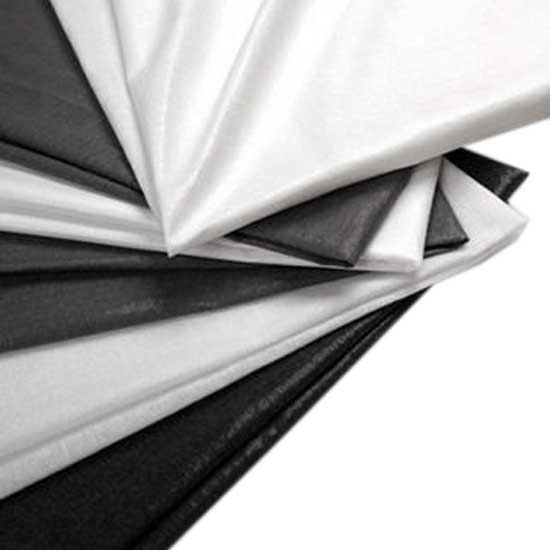
Source shirt, thobe and outerwear interlinings, garment fabrics and hospitality textile projects. Coordinate substrate, finish, bonding trials, care testing, samples and roll packing around the intended use.
Explore this service ↗
Source selected woven and knitted straps, underbands, waistbands, sports and homewear elastics, decorative trims and related lace, cord or textile-development enquiries with sample-led specification coordination.
Explore this service ↗
Source yarn-dyed, dyed and printed fabrics, ring and compact cotton yarns, knitted developments, shirts, women’s and children’s apparel and home textiles. Build a precise brief for composition, construction, colour, care, samples, testing and packing.
Explore this service ↗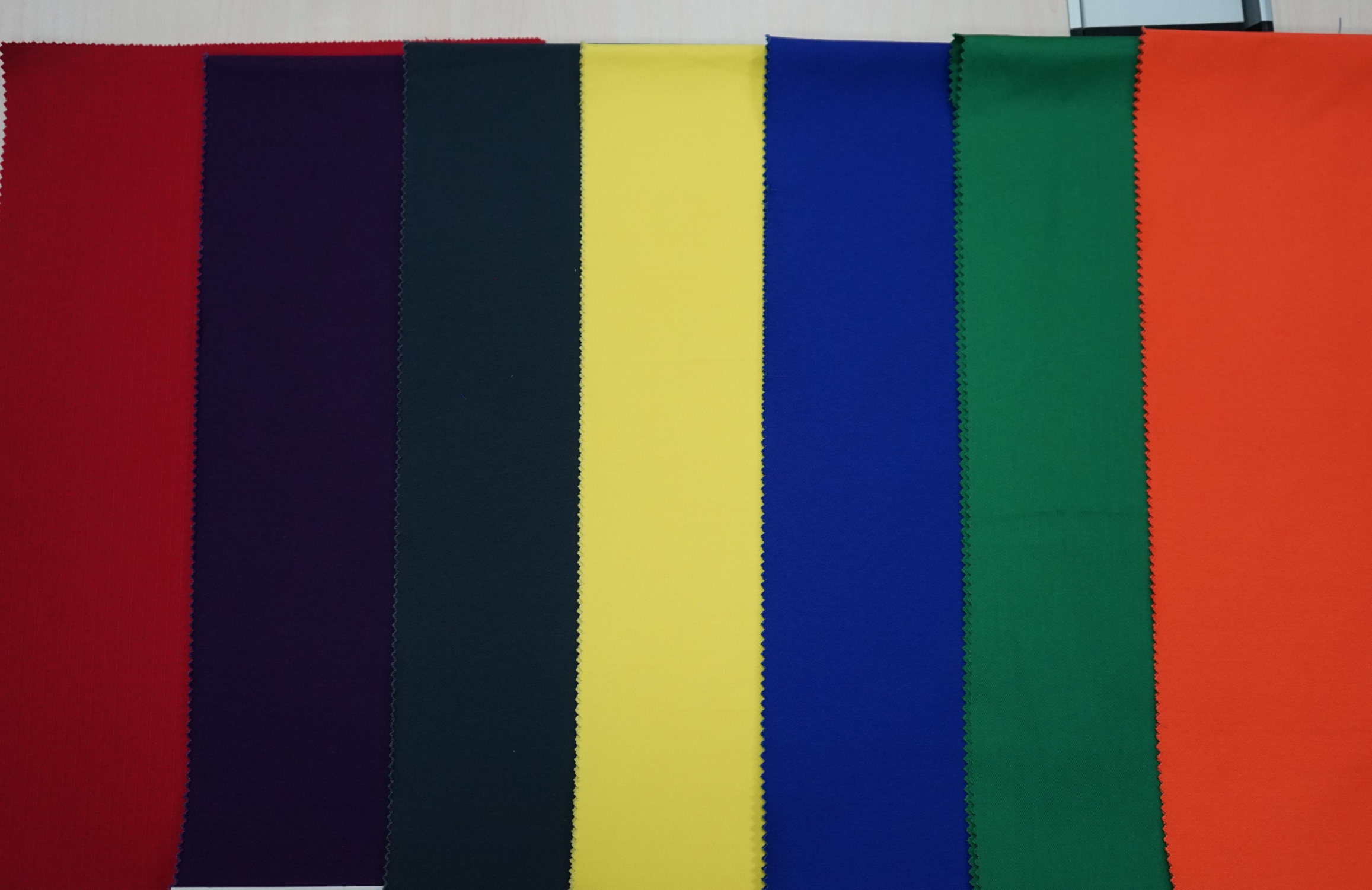
Coordinate textile sourcing from yarns, greige cloth and garment fabrics to apparel, chef and medical uniforms, infant sets, school sportswear, sheets and bedding. Prepare samples, specifications, testing and packing for each item in your collection.
Explore this service ↗Information basis: published product information reviewed . Reference details support a sourcing discussion. Current supply, samples and product-specific documents are confirmed for the selected item.