Independent B2B sourcing · One trading contactkunhuow@gmail.com ↗
FACTORY SOURCING HUBProduct sourcing for business buyers
Get a quote ↗
Home/Textiles & Fabrics/Shirt & Thobe Interlining, Garment and Bedding Fabric Sourcing
Shirt and thobe components · woven and nonwoven support · garment fabrics · bedding fabric enquiries

Match the support to the garment. Source interlinings and coordinated fabrics.

Shirt & Thobe Interlining, Garment and Bedding Fabric Sourcing

Source shirt, thobe and outerwear interlinings, garment fabrics and hospitality textile projects. Coordinate substrate, finish, bonding trials, care testing, samples and roll packing around the intended use.

  • Compare support, hand and show-through on the actual garment fabric.
  • Define interlining construction and visible fabric as separate specifications.
  • Plan samples, bonding trials, inspection and packing for each selected item.

Manufacturing, product documents and order conditions depend on the model and supply route selected for your project.

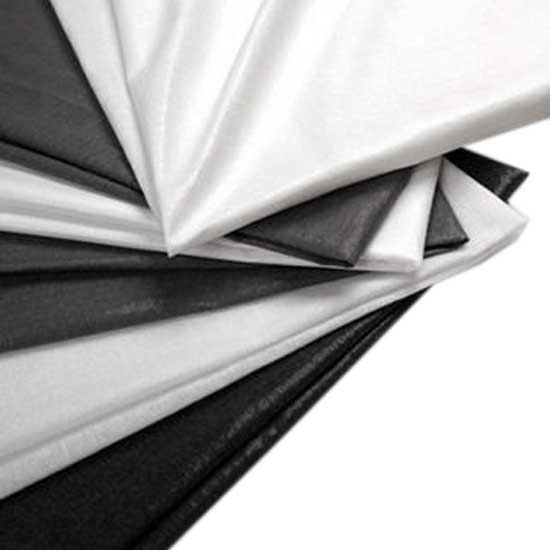
Fan of light and dark interlining fabric textures
Interlining appearance reference. Compare support, hand, show-through and care using the selected material bonded to the intended shell fabric.

Start with a product reference, intended use and estimated quantity. We bring product selection, sample questions and quotation details into one conversation.

Email your reference image ↗
Garment supportShirt · thobe · coat · suiting and womenswear enquiries
Material directionsWoven · nonwoven · knitted and film enquiries
Related fabricsShirting · thobe cloth · hotel linen and duvet-shell enquiries
Order basisConfirmed technical sheet, approved sample and item-specific quotation
Explore the product range

Build the range
your buyers need.

Choose a focused product or discuss a coordinated assortment. Each direction can be developed into a more specific model and packaging brief.

Shirt collar, cuff and placket interlining

Build the shirt structure around the shell fabric, desired collar roll and sewing construction. Compare firmness, recovery and edge appearance on a complete component; a stiff swatch alone does not show how the finished collar will behave.

Enquire about this range ↗

Thobe interlining and matching cloth

Coordinate structural material with the visible fabric for collars, cuffs and front details. Whiteness, show-through, hand and repeated care matter together. Supply a fabric cutting and a finished construction sample when requesting a match.

Enquire about this range ↗

Woven interlining

Specify the base cloth, grain direction, finish and component placement. Woven structure can be discussed for stable garment parts; the selected combination still needs a trial with the actual shell material and production process.

Enquire about this range ↗

Nonwoven interlining

Request the required weight, thickness, resilience and dimensional behaviour for the intended garment component. Use the approved trial to judge handle and support rather than treating all nonwoven substrates as interchangeable.

Enquire about this range ↗

Film and knitted interlining enquiries

Include adhesive construction and stretch compatibility in the brief. These are separate development directions: a film-based construction and a knitted substrate should each receive their own material specification, bonding trial and approval.

Enquire about this range ↗

Coat and outerwear support

Assess how the interlining changes drape, bulk and seam appearance in the assembled garment. Provide the shell composition, finish and care method so that bonding and appearance can be evaluated on a representative panel.

Enquire about this range ↗

Suiting and womenswear interlining

Discuss soft support, shaping and recovery for the intended silhouette. A front panel, facing and small shaped component can require different materials even within the same garment; identify the part before selecting the support.

Enquire about this range ↗

Shirting and garment fabrics

Source the visible fabric alongside the supporting material when a coordinated project is needed. Define fibre content, yarn specification, structure, finished width, colour and hand separately from the interlining specification.

Enquire about this range ↗

Thobe fabrics

Begin with opacity, whiteness or target shade, drape and care expectations. Confirm the actual composition and finished specification in the quotation. Approval of a collar interlining does not approve the matching body fabric.

Enquire about this range ↗

Hotel-linen and duvet-shell fabric enquiries

Discuss fabric requirements for bedding and hospitality applications as a separate textile project. Specify the intended finished article, composition, weave, weight and laundering requirements. A shell-fabric enquiry does not imply a filled duvet or an automatic down-proof claim.

Enquire about this range ↗

Dyeing, resin finishing and coating coordination

Use a clear process brief where colour, handle and adhesive or resin treatment must work together. Define the required result and acceptance tests rather than assuming that one finishing recipe suits every base fabric.

Enquire about this range ↗

Garment-accessory coordination

Related accessories can be included in a project brief, with buttons treated as a separately confirmed item. Approve dimensions, material, finish and colour against the garment; historical accessory listings do not establish present stock or a production lead time.

Enquire about this range ↗
Reference product directions

Start with a product.
Define the details.

Use these options to describe what you are buying. The public references identify your enquiry; the final model and specification are confirmed before an order.

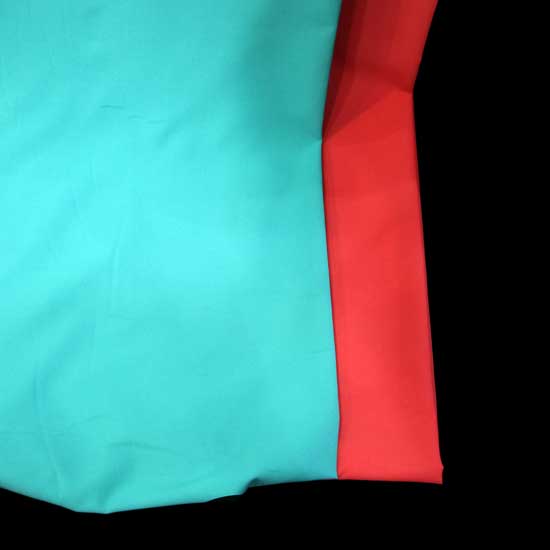
Coloured blended interlining reference sourcing illustration
REFERENCE 0250-01

Coloured blended interlining reference

A published construction direction for comparing coloured support materials with the intended garment fabric. Use the photograph to discuss appearance; order only after an actual composition and shade sample are agreed.

Material directions
Cotton, polyester and cotton/polyester blends
Selection details
Exact blend ratio, weight, width and finish to be confirmed
Availability
Published catalogue reference; current supply subject to confirmation
Discuss this option ↗
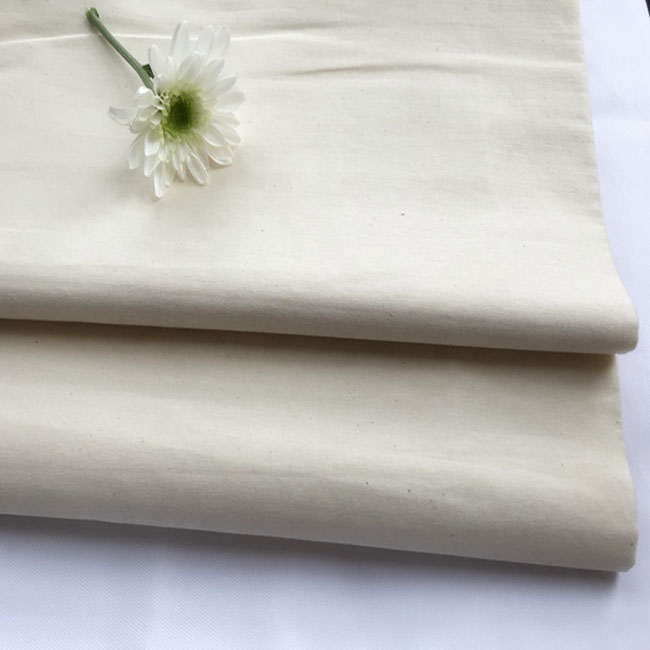
White blended interlining reference sourcing illustration
REFERENCE 0250-02

White blended interlining reference

A second published blended-material reference suited to discussions about white support cloth. Assess show-through and shade together with the outer fabric, particularly where a fine or pale shell may reveal the supporting layer.

Material directions
Cotton, polyester and cotton/polyester blends
Colour reference
White appearance shown in the source photograph
Approval basis
Actual swatch and current technical sheet
Discuss this option ↗
Thobe structural interlining reference sourcing illustration
REFERENCE 0250-03

Thobe structural interlining reference

Compare the published layer and film construction alternatives for the garment part. Confirm the complete construction with a physical sample before deciding on the support level or bonding process.

Ply alternatives
Single-ply or double-ply construction references
Film alternatives
Single-film or double-film construction references
Garment parts
Collar, cuffs and front detail
Process settings
Set through a material-specific bonding trial
Discuss this option ↗
Coat interlining reference sourcing illustration
REFERENCE 0250-04

Coat interlining reference

A published outerwear-support direction with distinct substrate alternatives. The fabric fan illustrates appearance and texture only; it does not establish a weight range, thermal performance or suitability for a particular cleaning process.

Substrate directions
Woven and nonwoven
Project details
Support, handle, colour and component to be specified
Performance
Confirm on the selected shell/interlining combination
Discuss this option ↗
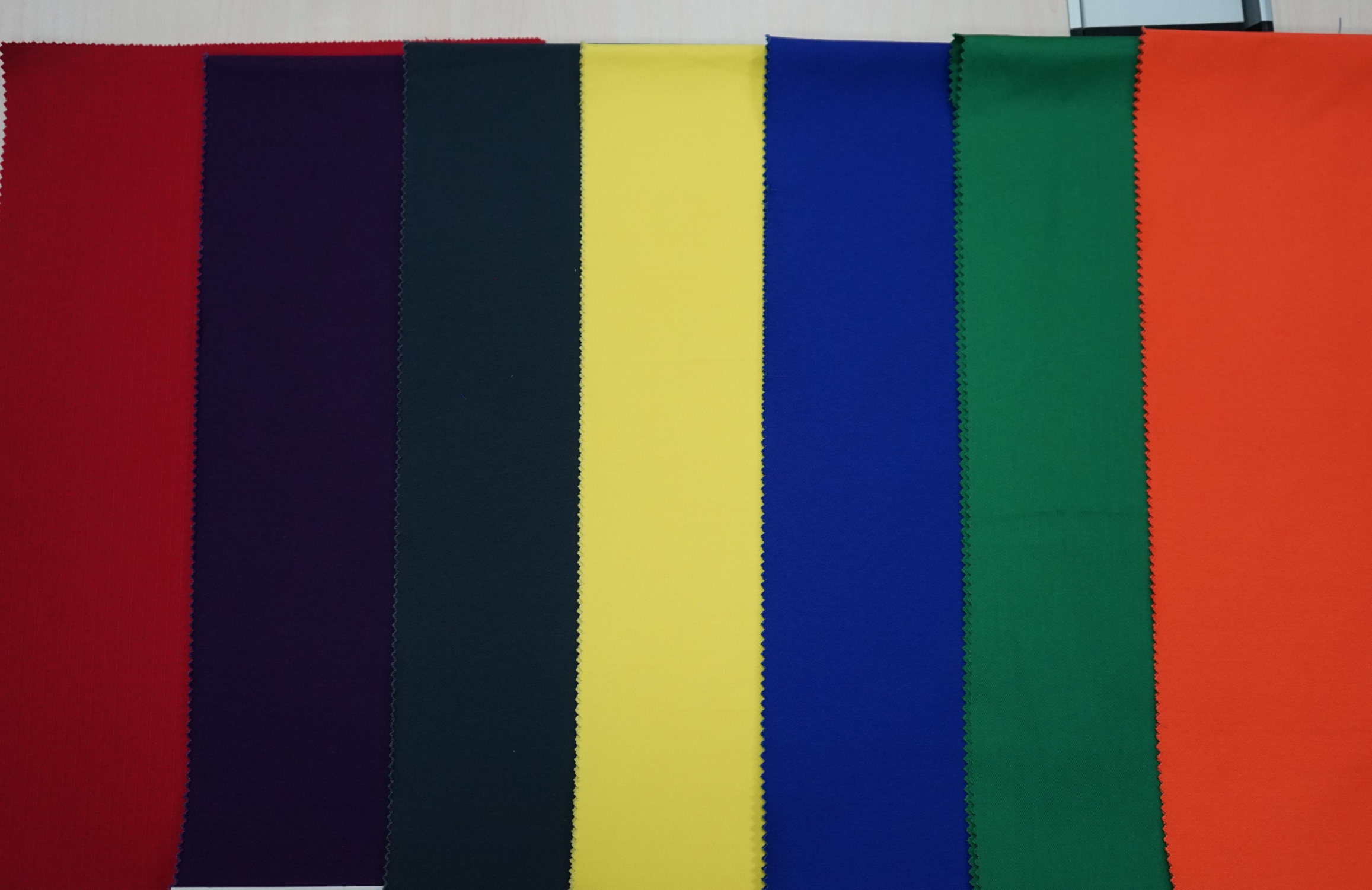
Cotton woven collar and cuff sourcing sourcing illustration
REFERENCE 0250-05

Cotton woven collar and cuff sourcing

Discuss cotton woven support for shirt components, including the required firmness, construction and finished feel. The current item, adhesive specification and care performance must be agreed for the order.

Specification basis
Buyer brief and separately confirmed material sheet
Commercial terms
Quotation after construction, quantity and finishing are defined
Discuss this option ↗
Shirting and thobe fabric development sourcing illustration
REFERENCE 0250-06

Shirting and thobe fabric development

Provide a fabric standard or an independently defined specification for a coordinated visible-cloth project. Quote the body fabric independently from collars, cuffs or other support materials.

Specification basis
Buyer brief and separately confirmed material sheet
Commercial terms
Quotation after construction, quantity and finishing are defined
Discuss this option ↗
Hospitality and bedding fabric enquiry sourcing illustration
REFERENCE 0250-07

Hospitality and bedding fabric enquiry

Identify whether the requirement is sheet fabric, another hospitality textile or duvet-shell cloth. Confirm end use and testing before requesting a trial; different bedding constructions require different evidence.

Specification basis
Buyer brief and separately confirmed material sheet
Commercial terms
Quotation after construction, quantity and finishing are defined
Discuss this option ↗

Published constructions and photographs are selection references, including older catalogue examples. They do not establish current stock, a complete specification or an approved substitute. Confirm the current material sheet, sample and commercial terms before ordering.

What matters for this category

A better brief.
A clearer comparison.

Focus the sourcing conversation on the features, materials and production details that make a difference to your product range.

01

Coordinate the visible and supporting layers

Send the shell fabric with the interlining enquiry so that hand, opacity, colour and component construction can be considered together. This helps identify a material mismatch before a garment enters bulk production.

02

Make performance measurable

Turn requests such as crisp, soft, washable or stable into a comparison sample and agreed test plan. The test method, conditioning, care procedure and pass criteria should be attached to the particular material combination.

03

Keep development and repeat orders traceable

Use an approved reference swatch, material code, shade identification and inspection record for each order. A repeat purchase should identify any permitted changes to base cloth, adhesive or finishing rather than relying on a photograph alone.

Branding, configuration & packaging

Make the product
fit your programme.

Bring artwork, reference samples and a target cost. The available process, minimum quantity, sample charges and development scope are reviewed for the chosen option.

01

Develop the material brief

Define substrate, fibre content, finished width, weight, colour, handle and the component it supports. Where a private-label roll or packaging layout is required, request feasibility and artwork approval as part of the quotation.

02

Trial the production process

Request swatches or trial material and agree any sample charge, freight and trial quantity in advance. Set temperature, pressure, dwell time and cooling from the selected combination and equipment; no universal bonding setting is offered.

03

Approve packing and delivery requirements

Specify roll length, usable width, core, protective wrapping, labels and carton or pallet requirements. Agree quantity tolerance, shade-lot separation and delivery timing for the actual order. Sample approval and bulk release are separate steps.

Quality & product evidence

Turn requirements
into checks.

Agree which product characteristics need testing and how the approved sample relates to the bulk order.

01

Bonding and appearance

Examine peel behaviour, bubbling, adhesive strike-through, show-through and surface change after the agreed bonding trial. Include curved and sewn components where the end use requires them.

02

Dimensional and care performance

Agree tests for shrinkage, shape retention, shade and bond durability after the intended laundering or dry-cleaning procedure. Water washing, enzyme treatment and other garment processes require separate confirmation.

03

Chemical requirements and fabric checks

Provide the destination requirements and any formaldehyde or restricted-substance limits. Request relevant current reports for the selected article and lot where needed; an industry profile mentioning a standard is not a product certificate.

Test capability is a starting point for the inspection plan. Request the method, applicable model and results needed for your order.

Documents matched to the order

Ask for evidence
that fits the product.

Build the approval file around the selected textile, its intended processing and the market where the finished article will be sold.

State the sales market, intended users and required files in your first enquiry. Current validity and scope are checked for the selected supplier and product; a category description does not certify every item.

Share your document requirements ↗
Material and process sheet
Request composition, construction, weight, width, finishing and adhesive information as applicable, together with the proposed processing window and any use limitations.
Test and approval records
Keep the approved sample identification, agreed methods, measured results and the report scope. Verify the tested article and validity of any certificate before including a claim on a garment or sales page.
Commercial and shipping documents
Agree quotation scope, sample terms, packing list, roll and lot identification, shipping documents and any destination-specific declarations. Origin and compliance documents depend on the confirmed order.
Built around how you sell

Different buyers.
Different specifications.

Your sales channel changes the assortment, packaging and quality priorities. Tell us the intended use as well as the product name.

01

Shirt and thobe production

Coordinate collars, cuffs and front details with body cloth and sewing construction. Include the desired finished silhouette, care instructions and an example of the required handle.

02

Tailoring and outerwear development

Compare support materials for fronts, facings and shaped components. Use a representative assembly to decide whether the result has the intended drape, resilience and appearance.

03

Textile buying and hospitality projects

Prepare separate specifications for garment cloth, hotel linen and duvet-shell fabrics. Confirm material performance against the intended finished article rather than extending an interlining test to an unrelated fabric.

From first brief to a defined order

One contact.
A practical next step.

Samples, commercial terms and responsibilities are agreed for the project. Use the same product and packing specification when comparing quotations.

01

Share the requirement

Product, reference image, quantity, sales market and timing.

02

Compare suitable options

Review configuration, materials, sample scope and relevant documents.

03

Approve the specification

Agree artwork, packaging, sample, testing and inspection criteria.

04

Confirm the order plan

Set price, payment, production, delivery and defect remedies in writing.

Buyer questions

Before you send
your first enquiry.

Practical answers about this sourcing direction, customization and the reference options. Your agreed specification and written quotation determine the actual order.

Can I source the interlining and the body fabric together?

Yes, include both in the enquiry, with separate specifications and quantities. Send a shell-fabric cutting or reference so that support, shade, hand and opacity can be compared before the materials are approved.

Which shirt parts should be specified?

Identify collars, cuffs, plackets or other components and provide their construction. A material approved for one part is not automatically suitable for every part of a shirt.

Are single-ply and double-ply thobe options available?

These constructions appear in published references, alongside single-film and double-film alternatives. Confirm the current construction, sample and supply terms for the selected item; the reference is not a stock confirmation.

What blend ratios, weights and widths can I order?

Provide your target or an existing sample. Current ratios, weight, usable width and tolerances must be confirmed by the material sheet and quotation; no general range is assumed across the products.

What fusing temperature and pressure should I use?

Request a trial for the particular shell fabric, interlining, machine and production method. Agree temperature, pressure, dwell and cooling through testing; a setting for another construction should not be copied without verification.

Can the material withstand washing or dry cleaning?

Define the intended care procedure and acceptance criteria. Request results for the selected bonded assembly and relevant care cycles before making a durability claim.

How are strike-through and show-through assessed?

Check a bonded sample under the agreed visual conditions, including the actual shell colour and thickness. Review adhesive migration, surface change and visibility after processing and care.

Do you supply bedding and hospitality fabrics?

These can be included as distinct fabric enquiries. State whether the project concerns sheet material, another hotel textile or duvet-shell cloth. Finished filled bedding and down-proof performance require separate confirmation.

Can I request roll labels or private-label packaging?

Send the label content, artwork and packing format with the quantity. Feasibility, minimums and any setup cost are confirmed for that order; branding approval does not replace material approval.

What are the minimum quantity and lead time?

They depend on the material, finish, colour, width, packing and current production arrangement. The quotation should confirm minimums and timing after the specification is clear. Historical listing terms are not used as a present promise.

Can I receive samples first?

Request a swatch or trial quantity with its intended tests. Agree sample availability, charges and freight, and identify which characteristics the sample is intended to approve.

Are the fabrics automatically certified?

No certification is assumed for an entire range. Identify the required scheme, product and destination, then check the current certificate or report scope and the article covered before using a compliance claim.

What should a repeat-order approval contain?

Retain the reference swatch, shade, construction, finishing, adhesive details and agreed tolerances. Link inspection and packing records to the lot so that changes can be assessed before release.

Who handles my enquiry?

Factory Sourcing Hub handles this enquiry as an independent sourcing and trading service. The product route, supplier suitability, sample scope and order responsibilities are agreed for the actual project.

How do I get a price and order minimum?

Send the product reference, quantities per variation, customization and packaging. Prices, minimums, sample charges and delivery dates are confirmed in a current quotation; the page is not a live inventory or price feed.

Can I discuss samples and inspection before ordering?

Yes. State whether you need a reference sample, a customized sample or development work. Agree the sample cost and shipping, approval specification, inspection plan and remedy for non-conforming goods before the bulk order.

What should I attach to my email?

Reference images, drawings, logo artwork and a product list are useful. Include quantities, the intended users and sales market, packaging, required documents and timing. After submitting the form, email attachments to kunhuow@gmail.com with your enquiry reference.

Tell us what you are planning

Your next order
starts with a brief.

A reference picture or a short description is enough to begin. Add the details you already know; the optional fields help make the follow-up more useful.

  • End garment or textile use, component drawing and shell-fabric sample
  • Composition, substrate, weight, usable width, shade and finish requirements
  • Bonding process, care procedure, required tests and acceptance criteria
  • Quantity by material and colour, trial needs, roll packing and delivery destination
kunhuow@gmail.com

Download the enquiry checklist ↓

Independent sourcing and trading service. Supplier choice, service costs and order conditions are discussed for your project.

Discuss your requirements.

Product selection, customization, samples and quotation enquiries.

Add product, quantity or customization details (optional)

Submit your enquiry directly. We use your details to respond to your sourcing request. For attachments, email kunhuow@gmail.com with your enquiry reference. Enquiry data use.

Information basis: published product information reviewed . Reference details support a sourcing discussion. Current supply, samples and product-specific documents are confirmed for the selected item.

Have a product in mind?
Share your sourcing brief.
Send an enquiry ↗