Independent B2B sourcing · One trading contactkunhuow@gmail.com ↗
FACTORY SOURCING HUBProduct sourcing for business buyers
Get a quote ↗
Home/Kitchen & Housewares/Nonstick Cookware, Pots, Pans, Bakeware & Kitchen Collection Sourcing
Aluminium cookware · frying and grill pans · saucepans · stockpots · detachable handles · steel cookware · bakeware · utensils

Build around the way people cook. Bring the kitchen collection together.

Nonstick Cookware, Pots, Pans, Bakeware & Kitchen Collection Sourcing

Develop a cookware and kitchenware sourcing brief across aluminium nonstick pans, saucepans, stockpots, grill and egg pans, detachable-handle directions, stainless steel cookware, enamelled pots, bakeware, kitchen tools and drinkware. Define the body, coating, base, handles, lids and set contents together, with the proposed supply route, samples and current terms confirmed individually.

  • Connect individual pans, larger pots and a complete kitchen assortment.
  • Compare construction, coating, base and handle requirements before selecting a set.
  • Agree an authorised supply route and a complete specification for each project.

Manufacturing, product documents and order conditions depend on the model and supply route selected for your project.

Nonstick Cookware, Pots, Pans, Bakeware & Kitchen Collection Sourcing category illustration
Category illustration. Product details and the final appearance are confirmed against the selected model and approved sample.

Start with a product reference, intended use and estimated quantity. We bring product selection, sample questions and quotation details into one conversation.

Email your reference image ↗
Core briefNonstick cookware, pots, pans and coordinated kitchen directions
Construction choicesAluminium, stainless steel, cast-iron and bakeware directions
Reference dimensionsSelected historical aluminium-pan geometry, clearly identified
Order approvalCurrent design, supply rights, assembly and commercial terms confirmed
Explore the product range

Build the range
your buyers need.

Choose a focused product or discuss a coordinated assortment. Each direction can be developed into a more specific model and packaging brief.

Aluminium cookware construction

Discuss die-cast, pressed or forged aluminium directions with the desired body profile, weight and base defined. These are different construction briefs. Confirm which route is available for the current project, together with thickness, forming details and finish; a historical production direction is not a fixed present specification.

Enquire about this range ↗

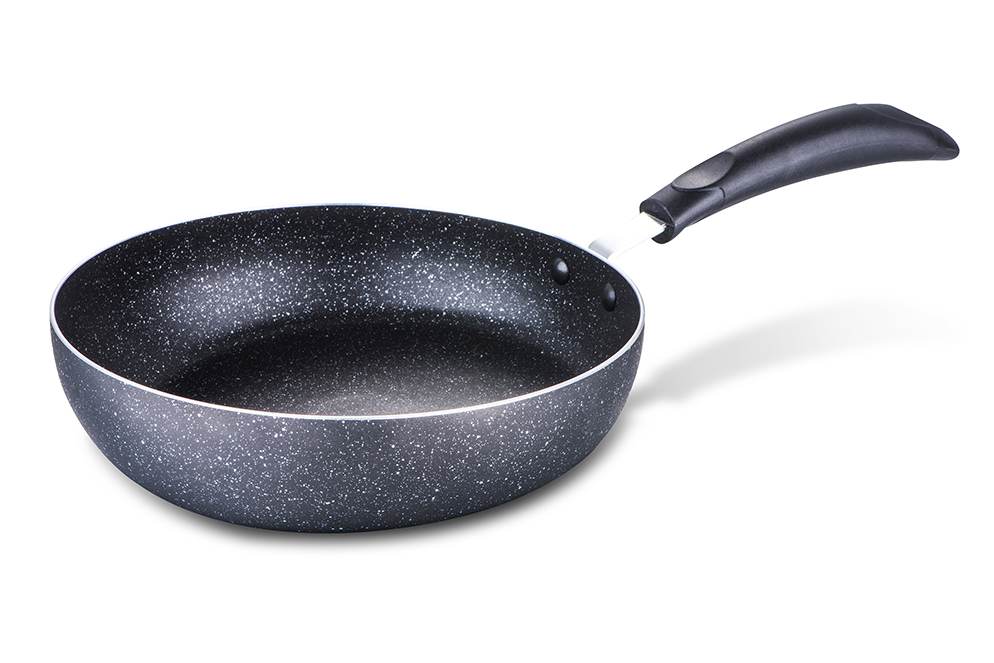
Frying, grill and egg pans

Build a pan assortment around the cooking surface and intended preparation. Explore standard fry pans, grill profiles and multi-well egg-pan directions. Define working area, depth, base, rim and handle arrangement before assessing coating, compatibility and care for the actual assembly.

Enquire about this range ↗

Saucepans and milk-pan directions

Specify a small cooking vessel by usable capacity, diameter, depth and pouring or lid requirements. Discuss handle placement, body construction and the intended contents. A milk-pan or saucepan name does not establish a capacity, heating method or maximum operating temperature.

Enquire about this range ↗

Stockpots, casseroles and noodle-pot projects

Plan larger vessels around portions, useful volume, lid and handling. Include any strainer, insert or accessory in the enquiry rather than assuming one from the product name. Confirm body, coating, base and fittings together, with current design options checked before selection.

Enquire about this range ↗

Detachable-handle cookware

Explore removable-handle directions for a defined storage or cooking brief. Specify the attachment interface, locking action, handle quantity and compatible bodies. Agree load, attachment-life and operating criteria on the exact assembly; oven or hob use requires suitable instructions for every component.

Enquire about this range ↗

Stainless steel cookware

Include steel frying pans, pots and coordinated sets where they suit the collection. Define grade, layer structure, base and cooking-surface requirements in the brief. A stainless appearance or a patterned interior does not establish a particular alloy, clad construction, coating or induction performance.

Enquire about this range ↗

Ceramic-labelled and other nonstick finishes

Compare the desired cooking surface, appearance and care needs for the selected construction. Specify the actual coating system and its intended contact and operating conditions. Ceramic, stone-look or granite-style descriptions should be supported by a precise material and finish specification rather than treated as chemical or safety certifications.

Enquire about this range ↗

Enamelled and cast-iron pot directions

Discuss casserole, Dutch-oven and bread-baking vessel concepts with material, enamel, lid and handling requirements defined. Confirm the exact offered construction and thermal instructions. The vessel, knob, handle and decorative treatment must be considered together when assessing a proposed use.

Enquire about this range ↗

Bakeware and pizza-pan projects

Build a baking assortment around required trays, sheets, cake or loaf forms, muffin directions or a pizza-pan brief. Carbon-steel bakeware is a listed direction. Specify useful internal dimensions, depth, coating, rim and intended oven conditions for each item rather than transferring cookware limits to baking pieces.

Enquire about this range ↗

Kitchen knives, wooden utensils and preparation tools

Coordinate knife-set, utensil and preparation-board requirements with the rest of the kitchen range. Define every tool, blade or working-end material, handle and storage piece. Confirm the actual contents, use instructions and applicable requirements for each selected sales unit.

Enquire about this range ↗

Travel mugs, bottles and tumblers

Add drinkware when it supports a wider kitchen or gifting brief. Specify capacity, body and lid material, drinking mechanism and carry arrangement. Treat drinkware components and use evidence separately from the cookware assortment; no capacity or thermal duration is inferred from a collection photograph.

Enquire about this range ↗

Lids, accessories and coordinated sets

Define lids, knobs, detachable handles, protectors, storage or accessory pieces and the full assortment list. Identify which parts count toward the retail unit and which are optional. Agree authorised artwork, the proposed supply route, packaging and sample approval before confirming a complete set.

Enquire about this range ↗
Reference product directions

Start with a product.
Define the details.

Use these options to describe what you are buying. The public references identify your enquiry; the final model and specification are confirmed before an order.

Historical 26 cm aluminium-pan geometry sourcing illustration
REFERENCE 0123-01

Historical 26 cm aluminium-pan geometry

A historical supplier-published pan reference provides a useful geometry starting point for a development discussion. It lists diameter, height and separate body and bottom thickness values. Request a current drawing, construction proposal and sample before adopting these dimensions for an order.

Reference status
Historical geometry; current proposal required
Posted diameter and height
26 cm diameter; 5.6 cm height
Posted thickness
Body 2.2 mm; bottom 5.0 mm
Discuss this option ↗
Historical 28 cm aluminium-pan geometry sourcing illustration
REFERENCE 0123-02

Historical 28 cm aluminium-pan geometry

A second historical pan reference gives a larger diameter and deeper body alongside different thickness values. Keep its measurements together as one design reference. Current availability, coating, base interface, handle and lid requirements must be established for the proposed project.

Reference status
Historical geometry; current proposal required
Posted diameter and height
28 cm diameter; 7.8 cm height
Posted thickness
Body 2.4 mm; bottom 5.5 mm
Discuss this option ↗
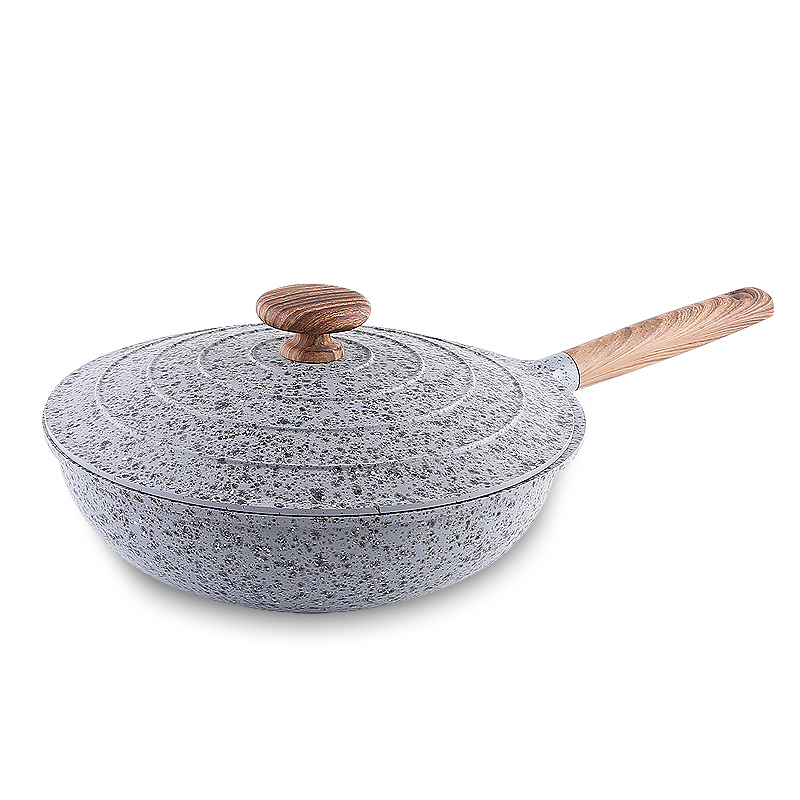
Lidded nonstick frying-pan direction sourcing illustration
REFERENCE 0123-03

Lidded nonstick frying-pan direction

Use a lidded fry-pan concept to define working diameter, depth, cooking surface and handle. Specify the lid material, rim and knob as part of the assembly. Confirm the proposed construction, finish and compatible heat sources on a current sample.

Direction
Nonstick frying pan with lid
Dimensions and material
Project-specific drawing and component sheet
Supply basis
Current unbranded or authorised proposal to confirm
Discuss this option ↗
Grill and multi-well egg-pan directions sourcing illustration
REFERENCE 0123-04

Grill and multi-well egg-pan directions

Develop separate grill and egg-pan briefs based on the intended cooking area and layout. Specify the grill profile or well dimensions and count, body construction, handle and base. Each proposed item needs its own operating and cleaning instructions.

Directions
Grill pan; multi-well egg pan
Working surface
Layout and dimensions to be specified
Assembly approval
Body, coating, handle and base
Discuss this option ↗
Detachable-handle cookware direction sourcing illustration
REFERENCE 0123-05

Detachable-handle cookware direction

A collection concept built around removable handles and compatible pan or pot bodies. Define the exact bodies, lid arrangement, handle count and storage requirements. Confirm the offered attachment design and relevant performance evidence before accepting the complete set.

Direction
Removable-handle cookware assortment
Set contents
Specified in the proposed bill of components
Approval focus
Attachment compatibility, locking and load criteria
Discuss this option ↗
Saucepan and stockpot project sourcing illustration
REFERENCE 0123-06

Saucepan and stockpot project

Coordinate smaller saucepans and larger stockpot directions around portions, usable capacity and handling. Specify material, base, coating and lid requirements for each size. The complete current proposal should identify dimensions, accessories and care instructions individually.

Directions
Saucepan; stockpot; related small cooking pot
Capacity and dimensions
To be specified for the proposed design
Assembly focus
Body, handles, lid and base
Discuss this option ↗
Enamelled pot and bread-vessel project sourcing illustration
REFERENCE 0123-07

Enamelled pot and bread-vessel project

Discuss an enamelled cooking or baking vessel with the intended function and material clearly stated. Specify body volume, lid form, handles and knob. Request an exact material and use specification for the proposed item before making an oven, hob or temperature claim.

Directions
Enamelled pot; Dutch-oven or bread-vessel concept
Body and finish
Exact construction and enamel to confirm
Use limits
Item-specific instructions and evidence
Discuss this option ↗
Carbon-steel bakeware assortment direction sourcing illustration
REFERENCE 0123-08

Carbon-steel bakeware assortment direction

Build a bakeware brief around the required sheet, tray, cake, loaf or muffin forms. Define each internal size, depth, coating and storage requirement. Approve a complete proposed contents list instead of taking a branded retail piece count as a customised offer.

Material direction
Carbon steel
Assortment contents
Buyer-defined forms and quantities
Approval focus
Useful dimensions, coating and intended oven conditions
Discuss this option ↗
Kitchen tool and drinkware extensions sourcing illustration
REFERENCE 0123-09

Kitchen tool and drinkware extensions

Coordinate wooden utensil, kitchen-knife and drinkware requests as separate specifications within a wider collection. Identify every included tool, storage piece, mug, bottle or tumbler. Current materials, dimensions, presentation and available supply route are confirmed for each group.

Directions
Wooden utensils; kitchen knives; drinkware
Set contents and capacity
Project-specific confirmation
Supply basis
Unbranded development or authorised supply route to confirm
Discuss this option ↗

The numerical pan measurements are explicitly historical design references. Other items describe product directions for an enquiry. A current proposed design, unbranded or authorised supply route, specification and approved sample are required before quotation; brand-owned retail configurations, pricing and warranty terms are not presented as OEM commitments.

What matters for this category

A better brief.
A clearer comparison.

Focus the sourcing conversation on the features, materials and production details that make a difference to your product range.

01

Turn a cooking concept into a complete brief

Start with the cooking task and collection role, then define body geometry, material, finish, base and handles. This helps compare a pan, pot or set on the requirements that matter for its actual use.

02

Coordinate individual pieces and the wider collection

Connect fry pans, saucepans, stockpots, bakeware and complementary tools through a clear material and presentation plan. Each piece retains its own component list, use conditions and approval criteria.

03

Keep development and supply terms explicit

We help organise specification questions, design approval, relevant evidence and protective presentation. Proposed custom development and authorised finished-product supply are assessed separately so the chosen commercial route matches the product and artwork rights.

Branding, configuration & packaging

Make the product
fit your programme.

Bring artwork, reference samples and a target cost. The available process, minimum quantity, sample charges and development scope are reviewed for the chosen option.

01

Construction and functional design

Provide an authorised drawing or reference with useful diameter or capacity, depth, thickness preference, base and handle requirements. Ask which construction and component interfaces fit the proposal. Agree tooling, ownership, development cost and sample stages for the specific project.

02

Finish, colour and component coordination

Specify the interior coating, exterior appearance, handle and lid materials with the intended cooking and cleaning conditions. Provide authorised colour and artwork references. Confirm the actual available process and finished sample rather than assuming a finish or removable handle can be copied from a branded item.

03

Set contents, samples and packing

List each body, lid, handle, tool, protector or storage piece in the required sales unit. Define retail presentation and protection for coated surfaces and edges. Sample charges, freight, minimums, packing construction and development or production timing require a current project-specific quotation.

Quality & product evidence

Turn requirements
into checks.

Agree which product characteristics need testing and how the approved sample relates to the bulk order.

01

Approve the sample and key construction

Review dimensions, body and base geometry, material, coating, attachments and lid fit against the agreed specification. Retain an approved reference sample where appropriate. Define critical workmanship and functional criteria for the actual assembly.

02

Set relevant coating and performance checks

Agree checks for nonstick behaviour, wear, coating adhesion, handling and other relevant functions with suitable methods and acceptance criteria. Confirm heat-source, oven, cleaning and food-contact requirements for the complete proposed construction and destination.

03

Inspect production and the packed unit

Discuss in-process sampling and final checks covering appearance, coatings, labelling and complete contents. Agree packaging and drop-test requirements appropriate to the item. Confirm the relevant finished-item and third-party reports as part of the approval file.

Test capability is a starting point for the inspection plan. Request the method, applicable model and results needed for your order.

Documents matched to the order

Ask for evidence
that fits the product.

Prepare the approval file around the proposed product, its supply rights and intended use. Request current construction details, relevant finished-item evidence and a complete commercial and packing proposal.

State the sales market, intended users and required files in your first enquiry. Current validity and scope are checked for the selected supplier and product; a category description does not certify every item.

Share your document requirements ↗
Drawing and component specification
Request measured dimensions or capacity basis, body and base construction, material grades, coating, handles, lid and all accessories. For sets, identify each body and every included component instead of relying on a headline piece count.
Use and destination evidence
State intended heat sources, temperatures, cleaning, contents and destination. Ask for applicable finished-material and performance reports, instructions and any relevant handle or attachment evidence. Check item identification and report scope before making a claim.
Rights, sample and commercial approval
Confirm authorised designs and artwork, proposed unbranded or authorised supply route, tooling ownership, sample arrangements and quotation conditions. Agree pack construction, carton details, quantities, development charges and the approvals that start the schedule.
Built around how you sell

Different buyers.
Different specifications.

Your sales channel changes the assortment, packaging and quality priorities. Tell us the intended use as well as the product name.

01

Retail cookware assortments

Plan a coherent hierarchy of frying pans, small pots, stockpots and optional bakeware. Define the material, finish, accessories and presentation for each selected item.

02

Kitchen and gifting collections

Connect cookware, utensils, preparation tools and drinkware around a practical cooking or gifting brief. Confirm every piece and its current supply route before combining it into a sales unit.

03

Custom product-development enquiries

Use authorised drawings and functional requirements to discuss geometry, construction and finishes. Historical size references serve as discussion inputs, with current feasibility and approved samples establishing the actual proposal.

From first brief to a defined order

One contact.
A practical next step.

Samples, commercial terms and responsibilities are agreed for the project. Use the same product and packing specification when comparing quotations.

01

Share the requirement

Product, reference image, quantity, sales market and timing.

02

Compare suitable options

Review configuration, materials, sample scope and relevant documents.

03

Approve the specification

Agree artwork, packaging, sample, testing and inspection criteria.

04

Confirm the order plan

Set price, payment, production, delivery and defect remedies in writing.

Buyer questions

Before you send
your first enquiry.

Practical answers about this sourcing direction, customization and the reference options. Your agreed specification and written quotation determine the actual order.

Which cookware and kitchen directions can I include?

Include aluminium nonstick fry pans, grill and egg pans, saucepans and milk-pan directions, stockpots and casseroles, detachable-handle concepts, steel cookware, enamelled and cast-iron pot directions, bakeware, utensils, kitchen knives, accessories and drinkware. Specify current design and supply requirements by item.

Are the 26 cm and 28 cm pan values current order specifications?

They are historical geometry references with their own diameter, height and thickness values. Request a current drawing, construction proposal and sample before adopting them. They do not establish present availability, coating, compatibility or commercial terms.

Can I request an unbranded or private-label design?

Send authorised drawings, functional needs, quantities and the proposed market. Feasibility, supply rights, tooling, artwork and approval stages must be confirmed for the actual project. A branded retail design is not automatically an available unbranded product.

Can the same set use interchangeable detachable handles?

Specify every body, attachment and handle in the proposal. Confirm the actual interface, locking action, load and operating conditions with appropriate evidence. Similar appearance does not establish cross-compatibility.

Does a nonstick, ceramic or stone-look description prove a safety claim?

Request the actual substrate and coating specification, intended contact and care limits, and relevant finished-item reports for the destination. Surface names do not establish a chemical composition, universal safety approval or absence claim.

Are all pans suitable for induction, ovens or dishwashers?

Compatibility depends on the base, body, coating, handle, knob, lid and complete assembly. State the intended equipment and conditions, then obtain the item-specific limits and instructions before using those claims.

What are the minimum quantities, sample costs and lead times?

Request current terms for the proposed design, construction, finish, components and pack. Historical supplier quantities and retail prices or warranty policies are not the terms of a new development or trading order.

What should I send for a complete quotation?

Provide product groups, authorised references, capacity or dimensions, construction, coating, base, handle and lid needs, quantities and set contents. Include intended use, destination, required reports, artwork, packing and requested receipt date.

Who handles my enquiry?

Factory Sourcing Hub handles this enquiry as an independent sourcing and trading service. The product route, supplier suitability, sample scope and order responsibilities are agreed for the actual project.

How do I get a price and order minimum?

Send the product reference, quantities per variation, customization and packaging. Prices, minimums, sample charges and delivery dates are confirmed in a current quotation; the page is not a live inventory or price feed.

Can I discuss samples and inspection before ordering?

Yes. State whether you need a reference sample, a customized sample or development work. Agree the sample cost and shipping, approval specification, inspection plan and remedy for non-conforming goods before the bulk order.

What should I attach to my email?

Reference images, drawings, logo artwork and a product list are useful. Include quantities, the intended users and sales market, packaging, required documents and timing. After submitting the form, email attachments to kunhuow@gmail.com with your enquiry reference.


Tell us what you are planning

Your next order
starts with a brief.

A reference picture or a short description is enough to begin. Add the details you already know; the optional fields help make the follow-up more useful.

  • Product groups, authorised drawings and capacity or working-dimension requirements
  • Body construction, coating, base, handles, lids and complete set contents
  • Current supply route, quantities, sample needs and retail or protective presentation
  • Heat sources and care conditions, destination, evidence and receipt date
kunhuow@gmail.com

Download the enquiry checklist ↓

Independent sourcing and trading service. Supplier choice, service costs and order conditions are discussed for your project.

Discuss your requirements.

Product selection, customization, samples and quotation enquiries.

Add product, quantity or customization details (optional)

Submit your enquiry directly. We use your details to respond to your sourcing request. For attachments, email kunhuow@gmail.com with your enquiry reference. Enquiry data use.
Information basis: published product information reviewed . Reference details support a sourcing discussion. Current supply, samples and product-specific documents are confirmed for the selected item.

Have a product in mind?
Share your sourcing brief.
Send an enquiry ↗