Independent B2B sourcing · One trading contactkunhuow@gmail.com ↗
FACTORY SOURCING HUBProduct sourcing for business buyers
Get a quote ↗
Home/Kitchen & Housewares/Stainless Steel Cookware, Multi-Ply Pots, Woks & Specialist Steamers
Stainless steel · multi-ply cookware · frying pans · woks · pressure cookers · specialist steamers

Cookware built around the cooking task. From a saucepan to a complete range.

Stainless Steel Cookware, Multi-Ply Pots, Woks & Specialist Steamers

Develop stainless-steel cookware programmes across casseroles, saucepans, frying pans, woks, cookware sets and specialist steaming vessels. Compare multi-ply bodies with impact-bonded bases, define lids and handles, and build a clear specification for materials, finishes, testing, packaging and your intended cooking use.

  • Compare body construction, base, lid and handle for each selected vessel.
  • Explore everyday pots alongside pasta, asparagus, juice-steaming and pressure-cooking references.
  • Develop from your drawing or an existing direction, with product-specific samples and approvals.

Manufacturing, product documents and order conditions depend on the model and supply route selected for your project.

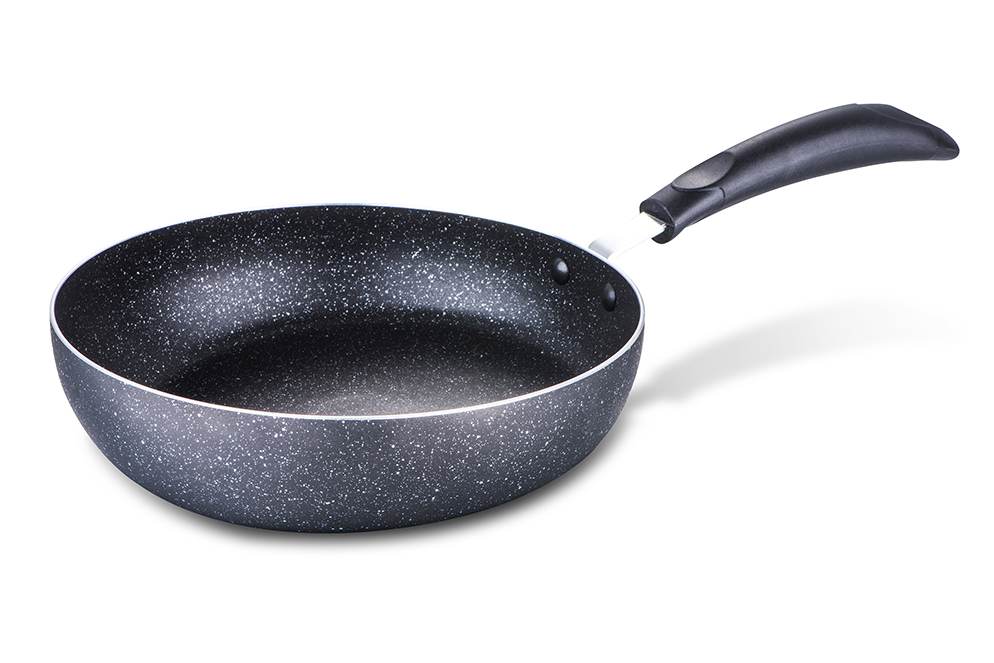
Original catalogue visual of a coated frying pan with a metal handle
Catalogue product visual for a coated frying-pan reference. Final dimensions, coating and handle construction are confirmed by variant.

Start with a product reference, intended use and estimated quantity. We bring product selection, sample questions and quotation details into one conversation.

Email your reference image ↗
Construction directionsImpact-bonded bases · three-ply and five-ply bodies
Everyday cookwareCasseroles · saucepans · milk pans · fry and grill pans · woks
Specialist vesselsPasta · asparagus · steam-juice · steamer sets · pressure cookers
Material referencesSelected 304 stainless bodies, aluminium layers and 430 base or outer layers
Explore the product range

Build the range
your buyers need.

Choose a focused product or discuss a coordinated assortment. Each direction can be developed into a more specific model and packaging brief.

Casseroles and stockpots

Choose a vessel around usable volume, diameter, height and lid arrangement. Compare the required body and base construction, handles and pouring needs for soups, stews and general cooking. A larger pot should have its own weight, balance and handling specification.

Enquire about this range ↗

Saucepans, milk pans and mini cookware

Build smaller cooking sizes for sauces, milk and individual portions. Specify spouts, lid inclusion, handle construction and storage needs. Decide whether a coated or uncoated interior suits the intended task and request care guidance for that exact finish.

Enquire about this range ↗

Frying pans

Compare pan diameter and wall height as well as the cooking surface. Selected references combine a stainless body and impact-bonded base with a ceramic-coated interior. Agree the coating system, handle and performance requirements for the final variant.

Enquire about this range ↗

Grill pans

Round and square grill-pan directions broaden a pan programme. Define the cooking surface, profile, dimensions and handle clearance you need. Base construction, coating, heat-source and care requirements are evaluated for the selected article rather than inherited from a flat frypan.

Enquire about this range ↗

Woks and wok-steamer combinations

Specify diameter, depth, handle layout, lid and any steaming insert. Multi-ply wok references provide a different construction route from a bonded-base vessel. Confirm the cooking tasks and complete assembly, including fit and lifting clearance for the insert.

Enquire about this range ↗

Coordinated cookware sets

Prepare a contents list by vessel, lid and accessory, with sizes and quantities. Coordinate appearance and handling while preserving the specification of each article. State how piece counts are calculated so a lid or insert is not mistaken for an additional cooking pot.

Enquire about this range ↗

Pressure cookers

Compare the required vessel volume, lid and valve arrangement for the destination market. Selected references include a central-valve pressure-cooker family. The pressure-system design, working fill, instructions and required approvals must match the actual configuration being quoted.

Enquire about this range ↗

Pasta pots and inserts

A pasta system can combine a cooking pot, lid, deep perforated insert and shallower basket. Specify the tasks, draining method and fit between components. Confirm individual insert dimensions alongside the base vessel; they do not all have the same usable volume.

Enquire about this range ↗

Tall asparagus pots

Tall narrow vessels with an insert offer another specialist cooking direction. Review the opening, height, basket, lid and handles for the intended ingredients. The listed volume is a reference vessel figure; operating fill and instructions follow the selected assembly.

Enquire about this range ↗

Steam-juice extraction pots

A multi-part steam-juice reference includes a lower pot, middle chamber, perforated insert and silicone tube. Specify the extraction task and component requirements. Confirm chamber capacities, tube fittings and instructions rather than interpreting a catalogue volume as a guaranteed juice yield.

Enquire about this range ↗

Steamer sets and inserts

Select a base pan and insert around the required diameter, depth and portion size. Review lid fit, handle access and the intended steaming method. Individual inserts and complete sets need separate specifications and packing lists, particularly when several sizes share a visual design.

Enquire about this range ↗

Oval roasters

Compare glass-lid and metal-lid oval-roaster directions for the cooking and serving task. Provide a drawing with length, width, height and handle clearance. Heat-source and oven suitability depend on the whole article, including the lid and attachments.

Enquire about this range ↗

Salad bowls and colanders

Preparation and serving enquiries can cover stainless bowls and perforated strainers. Define the diameter, depth, rim, base and finish. A single-bottom preparation bowl is specified independently from a bonded-base cooking pot and should have its own intended-use description.

Enquire about this range ↗

Knife, tableware and kitchen-tool enquiries

Related kitchen categories include knives, tableware and preparation tools. Submit these as separate articles with their own material, dimensions, finish and packaging brief. Cookware construction options and vessel quantities do not automatically apply to those accessory categories.

Enquire about this range ↗

Smart cooking-appliance enquiries

A separate countertop cooking-appliance brief can be reviewed alongside the cookware range. Specify destination electrical ratings, controls, connectivity needs and compatible vessels. Current configuration, software availability, documentation and private-label feasibility require their own confirmation.

Enquire about this range ↗
Reference product directions

Start with a product.
Define the details.

Use these options to describe what you are buying. The public references identify your enquiry; the final model and specification are confirmed before an order.

Five-ply casserole size family sourcing illustration
REFERENCE 0124-01

Five-ply casserole size family

A five-ply casserole reference offers three diameter and height combinations with matching listed volumes. The material description identifies stainless steel and aluminium constituents; request the full layer drawing, thickness and final handle construction for your selected size.

Variant 1
Ø20 × H9 cm · listed 2.8 L
Variant 2
Ø22 × H9.5 cm · listed 3.6 L
Variant 3
Ø24 × H14 cm · listed 6.3 L
Listed construction
Five-ply 304 stainless / aluminium / 430 stainless; metal lid
Discuss this option ↗
Pasta pot with deep insert and basket sourcing illustration
REFERENCE 0124-02

Pasta pot with deep insert and basket

A cooking pot with glass lid, pasta insert and shallower basket provides a defined multi-part reference. Confirm the task, drainage arrangement and component fit. The listed vessel volume does not assign the same capacity to every insert.

Base pot
Ø24 × H17 cm · listed 7.6 L
Pasta insert
Ø24 × H15.8 cm
Basket
Ø24 × H7 cm
Listed construction
304 body · impact-bonded aluminium/430 base · wire handles
Discuss this option ↗
Steam-juice pot with silicone tube sourcing illustration
REFERENCE 0124-03

Steam-juice pot with silicone tube

A layered juice-steaming reference combines three vessel sections with a tube arrangement. Review how the quoted volume is defined, the chamber fit and tube components for the intended extraction task. Output depends on ingredients and the agreed use conditions.

Bottom section
Ø25 × H10.5 cm
Middle section and insert
Each Ø25 × H16.5 cm
Listed volume
8 L; chamber allocation to confirm
Listed construction
304 body · impact-bonded aluminium/430 base · silicone tube
Discuss this option ↗
Central-valve pressure-cooker family sourcing illustration
REFERENCE 0124-04

Central-valve pressure-cooker family

This reference family lists a central gravity spring-valve arrangement with three vessel heights. Use the dimensions and catalogue pressure field for project comparison, then request the complete pressure-system specification, instructions and matching destination documentation.

Variant 1
Ø24 × H7.8 cm · listed 3.5 L
Variant 2
Ø24 × H13.3 cm · listed 6 L
Variant 3
Ø24 × H17.8 cm · listed 8 L
Catalogue pressure field
100 kPa; final approved system and documentation required
Discuss this option ↗
Tall pot with insert and glass lid sourcing illustration
REFERENCE 0124-05

Tall pot with insert and glass lid

A tall asparagus-pot reference combines a narrow vessel, insert and tempered-glass lid. Compare the height, handles and basket arrangement against the intended ingredient and storage space. Confirm the final volume definition, care and heat-source requirements for the assembly.

Vessel reference
Ø16 × H22 cm
Listed volume
4.4 L
Listed body and base
304 body · impact-bonded aluminium/430 base
Components
Insert · tempered-glass lid · wire handles
Discuss this option ↗
Ceramic-coated stainless frying pan sourcing illustration
REFERENCE 0124-06

Ceramic-coated stainless frying pan

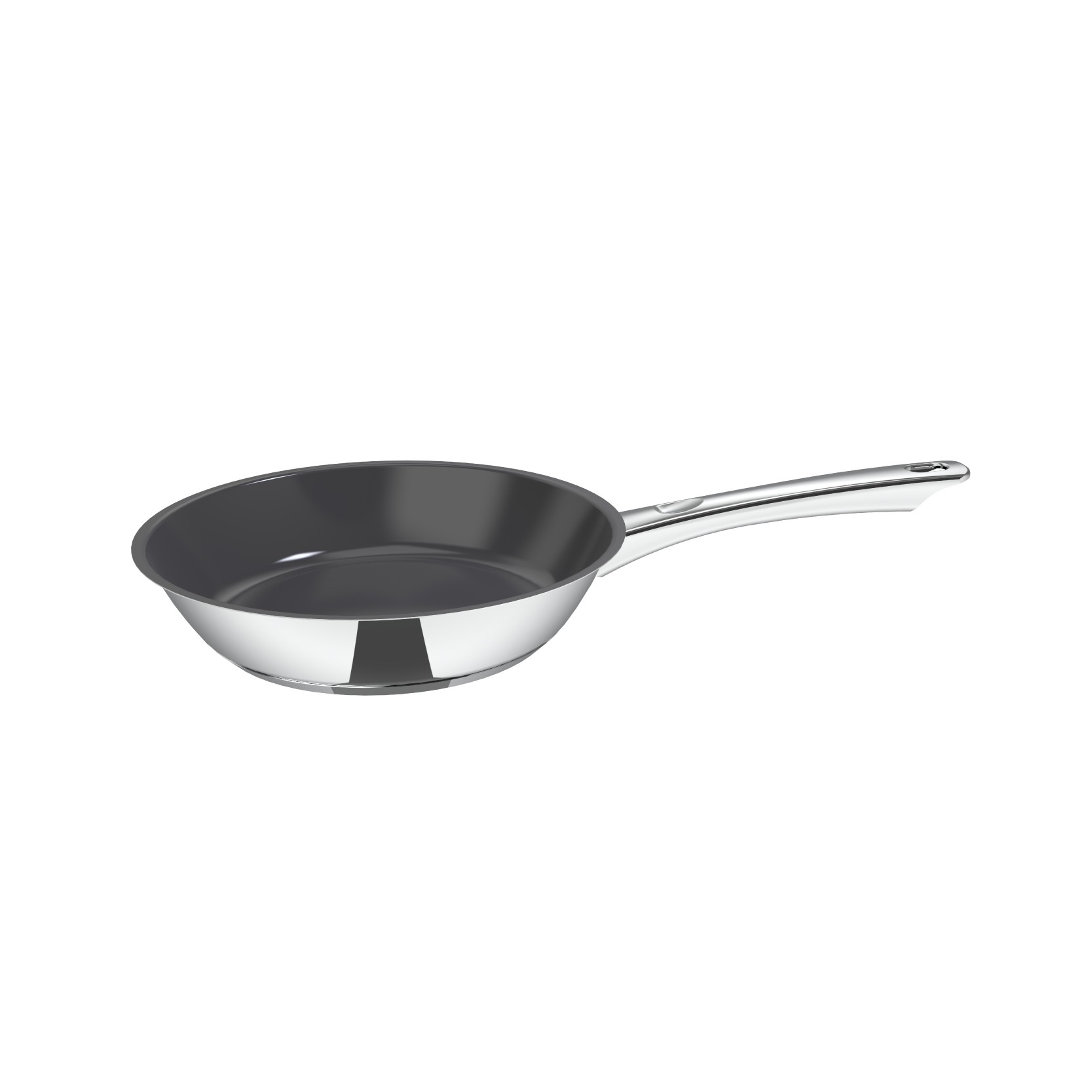
A lid-free pan reference offers two sizes with a hollow metal-handle direction. The ceramic coating is a specified surface option for these references. Agree coating documentation, performance expectations and care with the selected size and final components.

Variant 1
Ø24 × H5 cm
Variant 2
Ø28 × H5.5 cm
Listed body and base
304 body · impact-bonded aluminium/430 base
Finish direction
Ceramic-coated interior · polished exterior · no lid
Discuss this option ↗
Three-ply wok with lid and steaming insert sourcing illustration
REFERENCE 0124-07

Three-ply wok with lid and steaming insert

A three-ply wok reference combines a glass lid and a separately dimensioned steaming insert. Choose the diameter and review handle clearance, lid fit and ingredient requirements. A steamer combination does not imply a pressure-cooking rating.

Variant 1
Wok Ø30 × H9.2 cm · insert Ø30 × H8.6 cm
Variant 2
Wok Ø32 × H10 cm · insert Ø32 × H8.6 cm
Listed construction
Three-ply 304 stainless / aluminium / 430 stainless
Components
Glass lid · steaming insert · cast hollow handle
Discuss this option ↗
Saucepan and insert steamer sets sourcing illustration
REFERENCE 0124-08

Saucepan and insert steamer sets

Two smaller steamer-set references pair a saucepan, glass lid and insert with silicone-covered wire-handle details. Match the base-vessel volume to your portioning brief and review how the components are protected and counted in the final retail pack.

16 cm reference
Pot Ø16 × H9.5 cm · insert H8.5 cm · listed 1.9 L
18 cm reference
Pot Ø18 × H10 cm · insert H8.5 cm · listed 2.5 L
Listed body and base
304 body · impact-bonded aluminium/430 base
Components
Glass lid · steamer insert · wire/silicone handle direction
Discuss this option ↗

The figures describe individual catalogue references and their specific variants. Listed volumes are not approved working-fill limits. Selected reference listings state a 1,000-piece starting MOQ; confirm the current quantity by model, size, finish and custom pack. Final construction, approved uses and commercial terms are agreed in the quotation.

What matters for this category

A better brief.
A clearer comparison.

Focus the sourcing conversation on the features, materials and production details that make a difference to your product range.

01

Construction choices with a clear specification

Compare multi-ply bodies and impact-bonded bases for the selected task. List the material, layer or base drawing and dimensions needed for the offer so two similarly sized pots can be compared on more than appearance.

02

Everyday and specialist cookware in one programme

Combine casseroles, saucepans and pans with selected pasta, steam-juice, asparagus or steaming vessels. A complete component list helps align the visual range, retail story and packaging without losing the functional differences between articles.

03

Development from drawings or product requirements

OEM and ODM enquiry routes can start with an existing drawing, an improved configuration or a new concept. Define the target cooking task, geometry, materials and attachments, then review tooling, samples and production feasibility for that brief.

Branding, configuration & packaging

Make the product
fit your programme.

Bring artwork, reference samples and a target cost. The available process, minimum quantity, sample charges and development scope are reviewed for the chosen option.

01

Body, base and component design

Send a drawing or permitted reference with dimensions, wall and base requirements, material and handle or lid details. New tooling and changes to an existing configuration require a feasibility review, with ownership, charges and timing agreed for the project.

02

Surface and private-label requirements

Specify polished or satin surfaces, any coating system, permitted branding and finish expectations. Confirm the selected application, performance evidence and approval sample. Different coating types and assembled components need their own care and use specification.

03

Samples, manuals and packaging

Request the sample route for an existing reference or developed article and agree its charges and timing. Many selected catalogue references use a colour box and manual. Confirm current artwork, instructions, protection, set layout and carton details for your final configuration.

Quality & product evidence

Turn requirements
into checks.

Agree which product characteristics need testing and how the approved sample relates to the bulk order.

01

Material and construction checkpoints

Define material declarations, body or layer thickness, base bonding, dimensions and attachment requirements. Request the relevant incoming-material and finished-product checks in the inspection plan, with acceptance criteria matched to the selected cookware.

02

Finish and functional verification

Agree checks for dimensions, standing balance, handle and lid fit, attachment strength and surface finish. Where coatings or pressure systems are involved, specify the required product tests and reports for those components and the destination. No universal coating or pressure approval is assumed.

03

Packing and shipment approval

Review the protection of glass lids, handles, inserts and coated surfaces, along with component count and pack retention. Establish the final inspection and any transit-test requirements against the approved sample, product specification and packing plan.

Test capability is a starting point for the inspection plan. Request the method, applicable model and results needed for your order.

Documents matched to the order

Ask for evidence
that fits the product.

Provide the destination, cooking task and intended heat source with the enquiry. Document requests should identify the exact body construction, coating, lid, handles and any pressure or electrical system included.

State the sales market, intended users and required files in your first enquiry. Current validity and scope are checked for the selected supplier and product; a category description does not certify every item.

Share your document requirements ↗
Drawings and approved configuration
Request the dimensioned vessel and component drawings, material declaration, body or layer specification, finish and approved sample record. For sets, identify every lid, insert and accessory with an agreed counting convention.
Product and performance evidence
Identify the applicable food-contact, coating, thermal, attachment, pressure or electrical requirements for the selected article. Ask for reports with matching product identity, scope and date, or quote any additional testing needed for the destination.
Instructions, packs and shipment records
Approve the operating and care manual, warnings, artwork, protective pack, quantities, carton measurements and weights. Confirm the commercial invoice, packing list, origin documents and shipping marks required before shipment.
Built around how you sell

Different buyers.
Different specifications.

Your sales channel changes the assortment, packaging and quality priorities. Tell us the intended use as well as the product name.

01

Homeware and cookware retail

Build a range with a clear role for each pot and pan, consistent appearance and accurate material and care descriptions. Compare individual items and set configurations against the customer’s cooking tasks and price position.

02

Specialist cooking collections

Create focused offers around pasta, tall vegetables, steaming, juice extraction or pressure cooking. Specify the complete assembly, usable capacity requirements and product documentation so the specialist task is reflected in the final configuration.

03

OEM and distributor programmes

Develop from permitted drawings or a product requirement list, with material, performance and packaging criteria defined by article. Keep accessory and powered-appliance enquiries on separate specifications while coordinating the wider kitchen assortment.

From first brief to a defined order

One contact.
A practical next step.

Samples, commercial terms and responsibilities are agreed for the project. Use the same product and packing specification when comparing quotations.

01

Share the requirement

Product, reference image, quantity, sales market and timing.

02

Compare suitable options

Review configuration, materials, sample scope and relevant documents.

03

Approve the specification

Agree artwork, packaging, sample, testing and inspection criteria.

04

Confirm the order plan

Set price, payment, production, delivery and defect remedies in writing.

Buyer questions

Before you send
your first enquiry.

Practical answers about this sourcing direction, customization and the reference options. Your agreed specification and written quotation determine the actual order.

What cookware categories can I source?

The range directions include casseroles, stockpots, saucepans, milk and mini pots, fry and grill pans, woks, cookware sets, pressure cookers, pasta and asparagus pots, steam-juice extractors, steamer sets, oval roasters, bowls and colanders. Related kitchen accessories and smart cooking-appliance enquiries require separate specifications.

What is the difference between multi-ply and an impact-bonded base?

These describe different construction routes in the references. Ask for a drawing that identifies the vessel wall and base layers, their materials and thicknesses. Do not treat a multi-ply body description and a bonded-base description as interchangeable.

Are all stainless parts made from the same grade?

No common grade is assumed for every component. Selected references list a 304 body with aluminium and 430 in the base or multi-ply construction. Request the complete material declaration for the vessel, lid, handles and inserts you select.

Are the listed litres the permitted cooking fill?

The catalogue volumes are reference figures. Working fill depends on the article and intended use, especially for pressure cooking and multi-chamber steam-juice systems. Confirm the volume definition and approved instructions for the selected assembly.

Can the cookware be used on induction or in an oven?

Specify the intended heat source, oven conditions and care requirements. Suitability depends on the full construction, base, coating, lid and handles. A stainless grade or base description alone is not a complete approval for every use.

Can I request a coating or an uncoated surface?

Include the required interior and exterior finish, coating system and performance expectations in the brief. Availability and application depend on the selected article. Ask for matching food-contact, durability and care evidence for the final finish.

What is the minimum order quantity?

The selected technical reference listings state a starting MOQ of 1,000 pieces. Confirm the current requirement by model, size, coating, branding and packaging. That figure should not be applied automatically to a different accessory, appliance or new-development project.

How do OEM and ODM projects start?

Send your permitted drawings or a requirement list covering function, dimensions, construction, materials, lid, handles and finish. Existing configurations, modifications and new concepts are reviewed for feasibility, tooling, sampling, ownership and commercial terms.

What should I confirm for a pressure-cooker enquiry?

Identify the volume, lid and valve configuration, destination and required product documentation. Confirm working-fill guidance, instructions, tests and approval scope for the actual pressure system. A catalogue pressure field is a reference value, not a substitute for those documents.

Can I change the inserts or contents of a cookware set?

Provide the intended base vessel, lids, inserts and accessories, with quantity and dimension requirements for each. Fit, handle clearance, materials and pack layout are reviewed together. Confirm whether the advertised piece count includes lids or accessories.

Are samples, production timing or packaging fixed?

Request the sample type and current timing for the selected item or development route. Production and packing terms depend on approved construction, quantities, tooling, testing and artwork. Colour-box/manual references are starting points that need final confirmation.

What should I send for a complete quotation?

Send the selected vessel types, sizes and volumes, drawings or permitted references, materials and construction, heat source, lid and handle needs, quantities by variant, destination, reports, branding, packaging and delivery window. Specify working-use requirements separately from catalogue dimensions.

Who handles my enquiry?

Factory Sourcing Hub handles this enquiry as an independent sourcing and trading service. The product route, supplier suitability, sample scope and order responsibilities are agreed for the actual project.

How do I get a price and order minimum?

Send the product reference, quantities per variation, customization and packaging. Prices, minimums, sample charges and delivery dates are confirmed in a current quotation; the page is not a live inventory or price feed.

Can I discuss samples and inspection before ordering?

Yes. State whether you need a reference sample, a customized sample or development work. Agree the sample cost and shipping, approval specification, inspection plan and remedy for non-conforming goods before the bulk order.

What should I attach to my email?

Reference images, drawings, logo artwork and a product list are useful. Include quantities, the intended users and sales market, packaging, required documents and timing. After submitting the form, email attachments to kunhuow@gmail.com with your enquiry reference.

Tell us what you are planning

Your next order
starts with a brief.

A reference picture or a short description is enough to begin. Add the details you already know; the optional fields help make the follow-up more useful.

  • Vessel types, drawings, diameter/height and required usable-volume definition.
  • Body or base construction, materials, coating, lids, handles and set contents.
  • Intended heat source, destination, reports, pressure or electrical requirements.
  • Quantity by variant, samples, branding, manuals, packaging and delivery window.
kunhuow@gmail.com

Download the enquiry checklist ↓

Independent sourcing and trading service. Supplier choice, service costs and order conditions are discussed for your project.

Discuss your requirements.

Product selection, customization, samples and quotation enquiries.

Add product, quantity or customization details (optional)

Submit your enquiry directly. We use your details to respond to your sourcing request. For attachments, email kunhuow@gmail.com with your enquiry reference. Enquiry data use.

Information basis: published product information reviewed . Reference details support a sourcing discussion. Current supply, samples and product-specific documents are confirmed for the selected item.

Have a product in mind?
Share your sourcing brief.
Send an enquiry ↗