
Meal boxes with separated food space
Compare rectangular divided boxes, removable inner trays, stacked tiers and round bowls. Choose the layout around the meal, carrying position and cleaning access.
Enquire about this range ↗Plan the meal, the storage and the carry. Build a practical household collection.
Source a coordinated range of divided and layered lunch boxes, steel and glass food containers, glass-lined bottles, ceramic-lined cups, pantry canisters, rice storage, sieves, bowls, basins, bins and household organisers. Compare selected reference sizes and component materials, then define the current drawing, permitted use, sample, pack and commercial terms for your market.
Manufacturing, product documents and order conditions depend on the model and supply route selected for your project.
Start with a product reference, intended use and estimated quantity. We bring product selection, sample questions and quotation details into one conversation.
Email your reference image ↗Choose a focused product or discuss a coordinated assortment. Each direction can be developed into a more specific model and packaging brief.
Compare rectangular divided boxes, removable inner trays, stacked tiers and round bowls. Choose the layout around the meal, carrying position and cleaning access.
Enquire about this range ↗Coordinate a lunch container with a flat drink bottle as a two-part programme. Confirm the capacity, component count and packaging for each combination.
Enquire about this range ↗Compare steel inners with polymer exteriors, silicone vents and seal rings. Foam-filled constructions and all-steel shells need separate care instructions and performance checks.
Enquire about this range ↗Rectangular and round reference sizes provide options for small portions and larger meals. Specify the exact steel designation rather than treating every steel item as the same grade.
Enquire about this range ↗Develop round, square and rectangular food-storage assortments with removable seals and clip closures. Button-seal and nested-set directions can also be reviewed against current drawings.
Enquire about this range ↗Compare round, square and rectangular glass bodies with separate polymer lids. Select the container and lid as a complete system with confirmed heating and cleaning instructions.
Enquire about this range ↗Compact glass-lined bottles and a ceramic-lined cup provide different interior constructions. Compare the shell, cap, seals and liner replacement or cleaning requirements.
Enquire about this range ↗Plastic cups, handled mugs, sports-style bottles, pitcher-and-cup combinations and steel drinkware are additional range directions. Confirm the current assortment and material for the selected item.
Enquire about this range ↗Consider shaped ice trays, lidded trays, base-and-tray combinations and handled frozen-treat moulds. Approve cavity shape, release behaviour, dimensions and intended temperature before ordering.
Enquire about this range ↗Tall canisters, rectangular boxes and larger rice containers support pantry assortments. Specify grain type and fill quantity separately from external dimensions and liquid capacity.
Enquire about this range ↗Round and flower-style divided boxes offer separate snack sections. Confirm tray removal, lid design, portion sizes and permitted food contact for the chosen format.
Enquire about this range ↗Sieve-and-bowl combinations, handled strainers, drainable vegetable basins and multifunction bowls cover different washing and draining tasks. Choose a format that fits the sink and the food load.
Enquire about this range ↗Compare round, oval and rectangular basins, pouring-edge formats and two-handle designs. Keep household cleaning items separate from products specified for food contact.
Enquire about this range ↗Carry buckets and mop buckets with wringing arrangements are additional household directions. Confirm handle strength, wringer compatibility, filled weight and the current construction.
Enquire about this range ↗Small lidded bins, open waste baskets, swing-style and pedal-style formats can support a cleaning range. Define the installation space, liner fit and access method.
Enquire about this range ↗Small perforated organisers, lidded storage boxes, carry boxes and tissue-and-drawer combinations extend the range beyond food storage. Agree the intended contents and load for each format.
Enquire about this range ↗Review handled condiment sets, oil dispensers and toothpick holders as complementary table accessories. Confirm body and closure materials, fill volume and pack contents.
Enquire about this range ↗Round, square and shaped pads, soap boxes and document-storage formats appear in earlier assortments. Request confirmation of the current tooling and intended use before adding them to a programme.
Enquire about this range ↗Discuss plastic-product and mould design around a drawing, reference sample or functional brief. Tool ownership, engineering review, trial parts and commercial terms are agreed for the specific project.
Enquire about this range ↗Use these options to describe what you are buying. The public references identify your enquiry; the final model and specification are confirmed before an order.

A coordinated meal-and-drink reference for a portable lunch collection. Confirm which parts are supplied in the retail unit and how the two components are packed.
An upper-and-lower tray direction with a transparent AS lid and PP body. Specify whether compartments must isolate sauces or only separate solid foods.
Four related meal-box references offer different internal layouts. Select the exact drawing and lid arrangement rather than ordering by capacity alone.
A larger bowl-format food container with a steel liner and polymer outer shell. Confirm the final opening size and measurement units on the drawing.
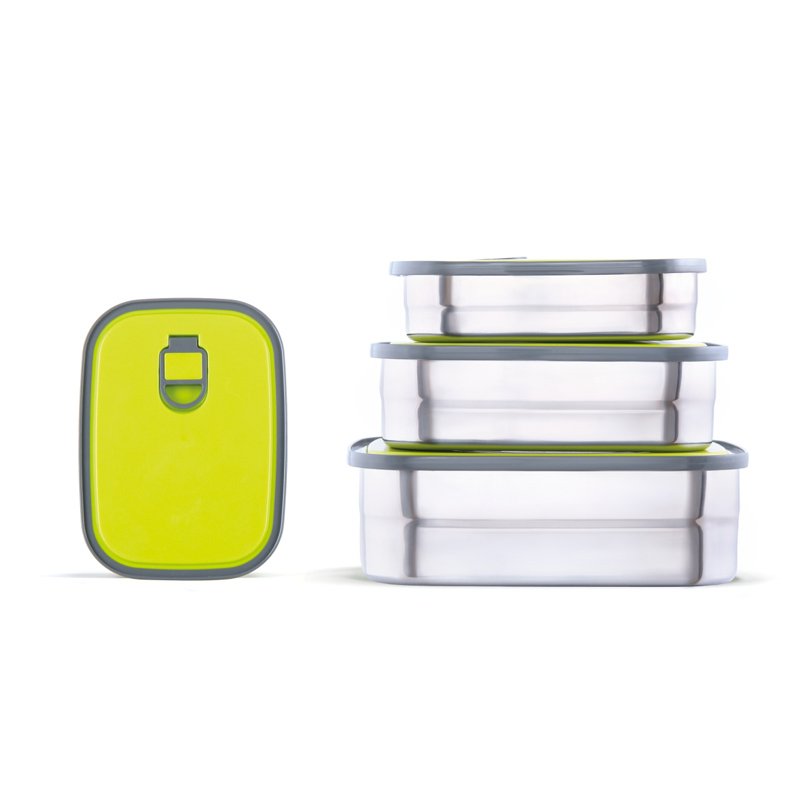
Three heights support one-, two- and three-tier meal-box directions. The listed PU foam is a construction feature; thermal retention needs its own measured specification.
Compare a removable meal insert and four-side closure direction with the required portion layout. Request the component drawing and exact care label.
A handle-and-vent direction using steel on the inside and outside. Specify filled carrying load and seal performance without assuming vacuum insulation.
Three individual capacities and a set direction allow portion-based assortments. Confirm the precise contents of any combined set.
Round steel-container references provide an alternative to rectangular packing. Approve the matched lid and seal for every selected size.
Choose round, square and rectangular body directions with PP and silicone components. Final capacity, set composition and external dimensions follow the selected current drawing.
Glass bodies are paired with polymer closure components. Confirm container and lid instructions separately before specifying heating or mechanical washing.
A further glass-body assortment provides distinct round, square and rectangular dimensions. Compare external fit with the usable fill quantity required for the programme.
Two body sizes are paired with a polymer shell and sealed cap. Decorations, material allocations and permitted drinks are confirmed with the current sample.
Another compact bottle direction provides the same nominal fill sizes in a different exterior envelope.
A ceramic interior is combined with a polymer construction and foam component. Confirm the liner, closure and cleaning method for the final specification.
Choose cavity patterns and a tray-and-base arrangement for a frozen-drink accessory range. Specify release behaviour and the approved temperature conditions.
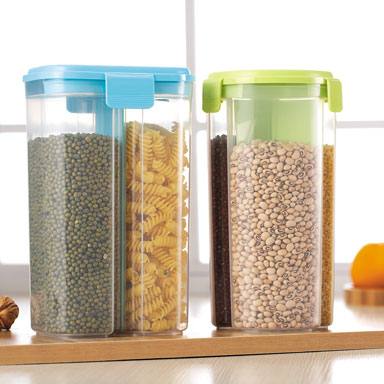
Round and rectangular canisters support different shelf spaces and pouring access. Agree the food type and required moisture protection for the final pack.
Two carry-container sizes and a larger rectangular direction address grain storage. Listed kilogram values refer to rice-storage designation, not liquid volume or empty product weight.
Three envelopes allow desk and household accessories to be grouped by size. Select the intended contents and packaging independently from food-storage products.
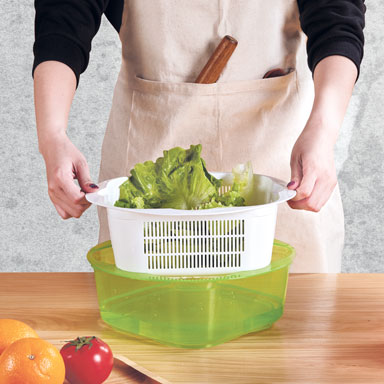
An inner sieve and outer bowl direction supports rinsing, draining and preparation. Confirm fit, rim access and stability with the selected sample.
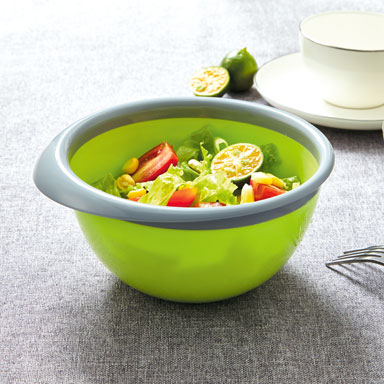
Five reference capacities allow a stepped preparation or household assortment. Agree whether the selected item is for food preparation or general household use.
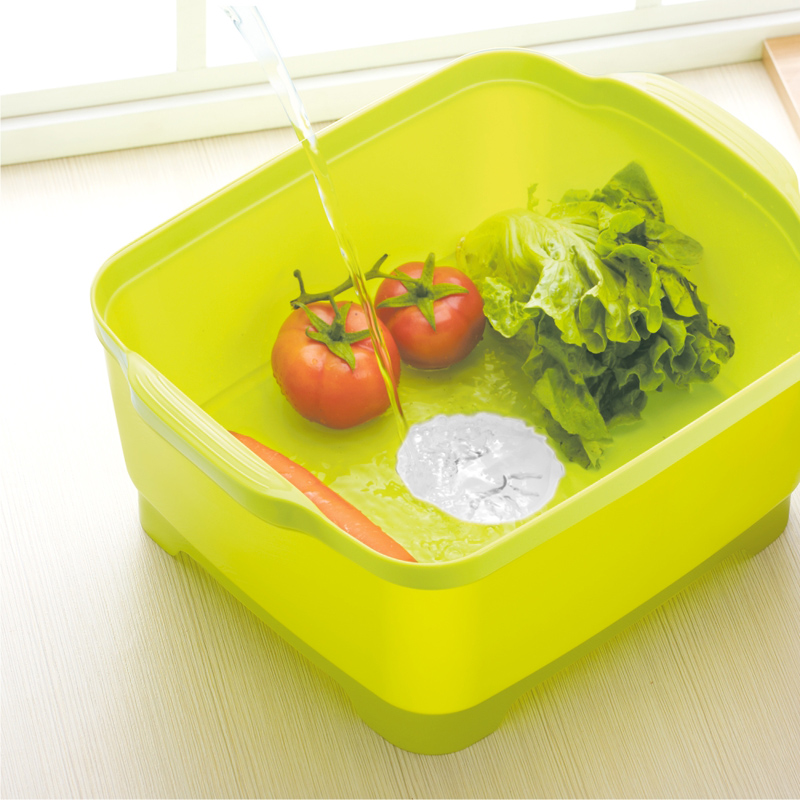
Two external shapes are listed with different fill designations. Keep each size and capacity matched to its own drawing; external dimensions alone do not establish usable volume.
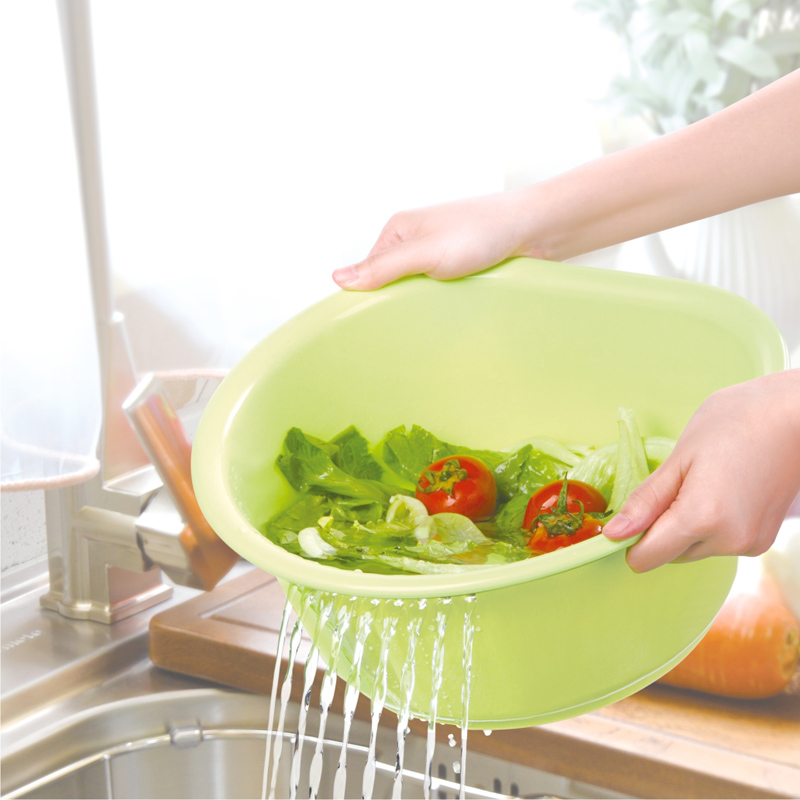
A three-size direction provides a household basin assortment. Confirm rim design, grip and the intended filled load.
Several groups cover different diameters, rim designs and household fill quantities. Match the requested capacity to a specific shape and sample.
An oval reference and a larger rectangular reference provide different sink and shelf envelopes. Agree the load test and handling requirements instead of relying on promotional strength images.
Additional basin bodies provide alternative grips and edges. Capacity and model correspondence are confirmed on the current drawing before an assortment is approved.
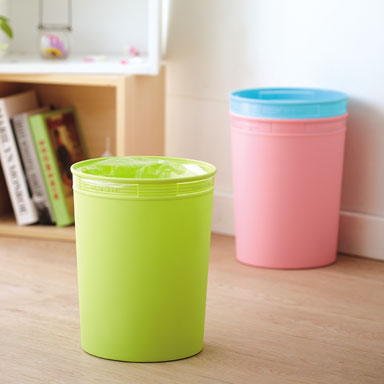
A compact bin direction can sit within a general cleaning collection. Specify bag fit, access and cleaning requirements for non-food use.
Handled glass condiment groups, oil dispensers and tabletop toothpick holders are complementary assortment directions. Request current component drawings and a confirmed item list.
Carry storage boxes, tissue-and-drawer organisers, buckets and mop buckets can broaden a household collection. Review the currently available constructions for each use.
Divided snack boxes, shaped pads, soap boxes and document-storage formats provide additional development directions. Confirm current tooling and material evidence before adding these earlier assortment items.
The sizes and capacities above are reference specifications for the particular constructions described. Earlier assortment directions and current availability must be confirmed before quotation. Capacities are nominal fill designations; kilogram rice-storage entries are not litres or empty weights. Final measurements, component materials, set contents, care labels, test evidence and sample approval form the order specification. Heating, dishwasher, sealing and retention claims must be agreed for each complete item.
Focus the sourcing conversation on the features, materials and production details that make a difference to your product range.
Build the range from carrying a meal through pantry storage and preparation to household cleaning. Compare related colours and packaging as a buying requirement while keeping food-contact and non-food uses distinct.
Compare the liner, shell, lid, gasket, vent and handle together. A ceramic or steel interior does not establish the temperature performance or permitted cleaning method of the whole assembly.
Use custom mould design and development as a route for a specific functional brief. Agree engineering feasibility, tool costs, ownership, trial parts and acceptance criteria before committing to production tooling.
Bring artwork, reference samples and a target cost. The available process, minimum quantity, sample charges and development scope are reviewed for the chosen option.
Send an annotated drawing, reference sample or target dimensions, plus the intended food or household task. Agree design revisions, trial-sample stages, tooling arrangements and any charges in the project quotation.
Request the intended colour, authorised artwork, compartment arrangement, seal and closure details. Confirm which changes fit existing tooling and which require new engineering, testing or minimum quantities.
Define the unit contents, set count, insert, sleeve or box, barcode, care leaflet, carton quantity and shipping destination. Approve a packed sample; MOQ, sample cost and lead time are quoted for the selected configuration.
Agree which product characteristics need testing and how the approved sample relates to the bulk order.
Agree checks for lid engagement, gasket seating, vent operation, tier alignment, handle load and stability. If spill resistance is required, define the fill, orientation, movement and duration of the test rather than relying on a general sealing claim.
Request evidence for the actual body, lid, seal, decoration and metal grade in the destination market. Steel, AS/ABS-containing and foam-filled constructions need different restrictions; no universal microwave, oven or dishwasher suitability is implied.
Compare production against the approved sample for external dimensions, nominal capacity, component count, appearance and packing. Agree inspection scope and any transit or thermal tests as specific order requirements.
Test capability is a starting point for the inspection plan. Request the method, applicable model and results needed for your order.
Use the technical file and the approved sample to connect the product description, permitted use and delivered packing. Request the documents relevant to the selected item and destination.
State the sales market, intended users and required files in your first enquiry. Current validity and scope are checked for the selected supplier and product; a category description does not certify every item.
Share your document requirements ↗Your sales channel changes the assortment, packaging and quality priorities. Tell us the intended use as well as the product name.
Develop divided meal boxes, layered carriers, bottle combinations and compact lined drinkware around portion size, carry position and cleaning needs.
Combine food containers, canisters, rice storage, draining bowls, snack boxes and condiment accessories around shelf space and preparation tasks.
Coordinate basins, buckets, waste bins, small organisers and practical storage accessories around non-food cleaning and everyday household use.
Samples, commercial terms and responsibilities are agreed for the project. Use the same product and packing specification when comparing quotations.
Product, reference image, quantity, sales market and timing.
Review configuration, materials, sample scope and relevant documents.
Agree artwork, packaging, sample, testing and inspection criteria.
Set price, payment, production, delivery and defect remedies in writing.
Practical answers about this sourcing direction, customization and the reference options. Your agreed specification and written quotation determine the actual order.
Include meal boxes, steel or glass food containers, drinkware, ice trays, pantry canisters, rice storage, sieves, basins, bins and small organisers. Condiment sets, buckets, pads and other earlier range directions can be checked for current availability. Name the intended task and current drawing requirement for each item.
No. Selected reference constructions list 1Cr14Mn10Ni1, while particular divided boxes and steel-shell carriers list S30408 inners. Confirm the exact steel designation and material record for the chosen component; do not transfer one grade to the whole range.
No. Steel-container instructions exclude microwave use and dishwasher cleaning. AS, ABS and foam-filled constructions also have specific restrictions. Glass bodies and polymer lids require separate instructions. Ask for the current model-specific care label and test conditions before choosing a heating or washing claim.
A listed foam-filled or steel-shell construction does not establish vacuum insulation or a retention time. Specify the required test temperatures, fill volume, room conditions and duration so that a particular construction and performance requirement can be assessed.
A ring, clip or valve is only part of the closure design. Define the food or liquid, fill level, upright or tilted carrying condition and required test duration. Confirm the result and final care instructions for the selected assembly.
Custom plastic-product and mould design can be discussed from a drawing, sample or functional brief. Colours, authorised decoration, component changes and packing are project requirements to confirm. Tooling ownership, trial parts, minimum quantity, sample fees and schedule belong in the quotation.
Use the listed capacity together with the external dimensions and compartment drawing. A rice container described in kilograms is a grain-storage designation and must not be converted directly into litres or empty weight. Confirm the fill method and usable quantity for the intended food.
Send the product types, desired layouts and reference dimensions, quantities by size and colour, intended foods or household tasks, destination market, required tests and care claims, authorised artwork and packed-unit requirements. Include the target delivery date so feasibility and commercial terms can be confirmed.
Factory Sourcing Hub handles this enquiry as an independent sourcing and trading service. The product route, supplier suitability, sample scope and order responsibilities are agreed for the actual project.
Send the product reference, quantities per variation, customization and packaging. Prices, minimums, sample charges and delivery dates are confirmed in a current quotation; the page is not a live inventory or price feed.
Yes. State whether you need a reference sample, a customized sample or development work. Agree the sample cost and shipping, approval specification, inspection plan and remedy for non-conforming goods before the bulk order.
Reference images, drawings, logo artwork and a product list are useful. Include quantities, the intended users and sales market, packaging, required documents and timing. After submitting the form, email attachments to kunhuow@gmail.com with your enquiry reference.
A reference picture or a short description is enough to begin. Add the details you already know; the optional fields help make the follow-up more useful.
Download the enquiry checklist ↓
Independent sourcing and trading service. Supplier choice, service costs and order conditions are discussed for your project.
Product selection, customization, samples and quotation enquiries.
Compare separate product ranges and prepare a brief that fits your assortment.
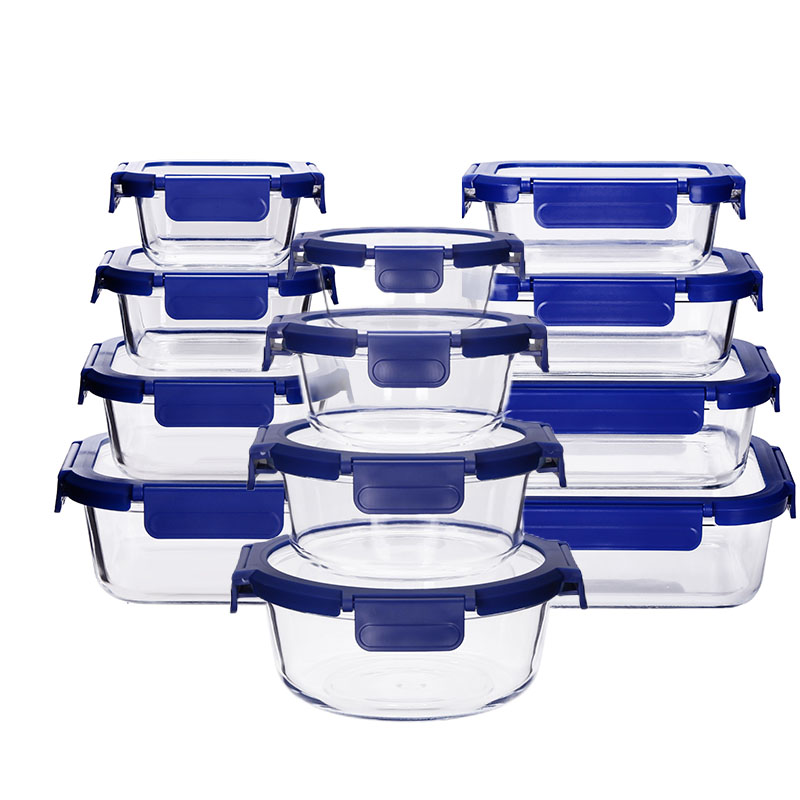
Source borosilicate glass food containers, silicone-sleeve lunch boxes, bamboo-lid storage, baking dishes, double-wall cups, pantry jars and glass bottles with custom decoration and packaging coordination.
Explore this service ↗
Source a coordinated glass range for pantry storage, kitchen preparation, beverage serving and gifting. Explore lidded jars, condiment bottles, infusion vessels, food containers, tableware, dispensers, cups and tea-service directions alongside candleholders, vases and glass packaging, with specifications and commercial terms agreed by item.
Explore this service ↗
Develop drinkware and food-container programmes across stainless-steel vacuum bottles, tumblers, mugs, food jars, serving pitchers, clear plastic bottles, glass teaware, titanium vessels and selected smart bottles. Compare exact reference specifications and plan materials, lids, decoration, samples, evidence and packaging around your market.
Explore this service ↗
Source household glassware across pantry storage, serving, drinkware, tea and coffee, food containers, condiment bottles, tabletop and home decoration. Compare reference volumes and dimensions, develop private-label presentation and coordinate samples, component checks and protective export packing.
Explore this service ↗Information basis: published product information reviewed . Reference details support a sourcing discussion. Current supply, samples and product-specific documents are confirmed for the selected item.