Independent B2B sourcing · One trading contactkunhuow@gmail.com ↗
FACTORY SOURCING HUBProduct sourcing for business buyers
Get a quote ↗
Home/Kitchen & Housewares/Plastic & Silicone Housewares, Food Storage and Kitchen Tools Sourcing
CONTAINERS · SILICONE TOOLS · MEASURING · CUSTOM HOUSEHOLD PARTS

Plastic & Silicone Housewares Food Storage, Kitchen Tools & OEM Projects

Plastic & Silicone Housewares, Food Storage and Kitchen Tools Sourcing

Source plastic and silicone food-storage and household products, measuring tools, ice and baking moulds, kitchen accessories and custom components, with infant-accessory projects assessed separately.

  • Define containers, flexible tools and household parts by their actual function
  • Coordinate resin, silicone, tooling, assembly and pack requirements
  • Review samples and item-specific records before agreeing use claims

Manufacturing, product documents and order conditions depend on the model and supply route selected for your project.

Plastic & Silicone Housewares, Food Storage and Kitchen Tools Sourcing category illustration
Category illustration. Product details and the final appearance are confirmed against the selected model and approved sample.

Start with a product reference, intended use and estimated quantity. We bring product selection, sample questions and quotation details into one conversation.

Email your reference image ↗
Core materialsPlastic and silicone project directions
Kitchen rangeStorage, measuring, ice trays and practical tools
OEM scopeProduct brief, tooling, assembly and packaging review
Special-use enquiriesInfant accessories and use-specific evidence
Explore the product range

Build the range
your buyers need.

Choose a focused product or discuss a coordinated assortment. Each direction can be developed into a more specific model and packaging brief.

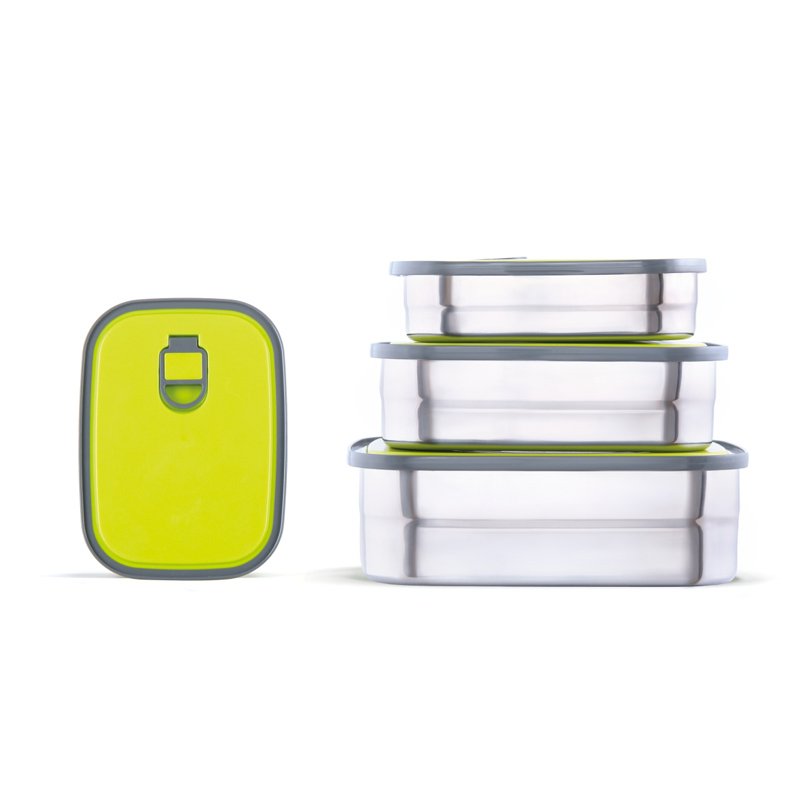
Food-storage containers and lids

Define food-storage requirements by useful capacity, footprint, closure and cleaning routine. Plastic bodies, lids, seals and any clips are specified as a complete assembly rather than selected from appearance alone.

Enquire about this range ↗

Plastic household products and components

Develop injection-moulded household items and practical accessories from drawings or a functional brief. Resin, fit, texture, colour and assembly are assessed against the intended use.

Enquire about this range ↗

Silicone household and kitchenware

Include flexible kitchen or household parts where silicone is appropriate. Shape, hardness, moulding detail, joins and intended contact conditions need an agreed item specification.

Enquire about this range ↗

Ice trays and portion moulds

Review tray shape, overall dimensions, cavity layout, filling and release. Freezing conditions and capacity are confirmed for the current design; a material name alone does not define use limits.

Enquire about this range ↗

Cupcake moulds and baking accessories

Plan silicone baking-mould requirements around shape, useful size and counted sets. Confirm the exact formulation, temperature instructions and cleaning routine before approving a baking application.

Enquire about this range ↗

Measuring cups and spoons

Choose useful measuring units and clearly readable graduations for recipes and portion preparation. Confirm the calibration basis, fill line, handle, spout and accuracy requirements on approved samples.

Enquire about this range ↗

Nylon cooking utensils

Coordinate practical cooking-tool shapes, grips and handles. The actual resin and construction govern heating and cleaning conditions; these are confirmed per selected item.

Enquire about this range ↗

Silicone brushes, scrapers and gloves

Include brush and scraping functions, with glove enquiries assessed for their actual task. Confirm working-head connection, cleaning access and any required protection performance separately.

Enquire about this range ↗

Bag clips and small kitchen accessories

Prepare clips and small accessory sets with defined closing action, dimensions and piece counts. Review spring or magnetic components, intended users and packaging retention where relevant.

Enquire about this range ↗

Household stoppers and flexible fittings

Assess silicone stopper and small fitting requirements around the mating part and desired grip. Dimensions, hardness, retention and durability are confirmed on the actual application.

Enquire about this range ↗

Infant-accessory projects

Infant-related enquiries are assessed as a separate product brief. State the precise function, intended users, materials, cleaning routine, destination and documentation before any design or suitability is offered.

Enquire about this range ↗

Tooling, combined materials and finished packs

Bring product engineering, mould requirements, assembly, decoration and packaging into one project plan. Mixed-material and overmoulded constructions require a compatibility and process review for the selected design.

Enquire about this range ↗
Reference product directions

Start with a product.
Define the details.

Use these options to describe what you are buying. The public references identify your enquiry; the final model and specification are confirmed before an order.

Reusable plastic food-container brief sourcing illustration
REFERENCE 0184-01

Reusable plastic food-container brief

Select a storage footprint and useful capacity, then review body, lid and seal as a complete system. A polypropylene direction can be assessed with exact material and use records.

Direction
Reusable food-storage container
Material brief
PP option, exact grade to confirm
Capacity and dimensions
Selected drawing and sample
Heating or cleaning
Item-specific instructions
Discuss this option ↗
Clip-lid and seal development direction sourcing illustration
REFERENCE 0184-02

Clip-lid and seal development direction

Review a removable lid with pivoting closure arms and an elastic sealing interface. Define the desired opening action and leakage test, then assess the current design and any required permissions.

Reference mechanism
Clips and elastic seal interface
Performance
Agreed test and acceptance criteria
Body and lid size
Project specification
Discuss this option ↗
Silicone ice-tray reference sourcing illustration
REFERENCE 0184-03

Silicone ice-tray reference

An earlier silicone-tray reference provides a starting footprint for an ice-tray enquiry. Confirm current cavity shape, capacity, flexibility and storage or cleaning instructions before choosing the design.

Earlier overall size
21.5 × 11 × 2.5 cm
Earlier material
Silicone
Current design and use
Reconfirmation required
Discuss this option ↗
Three-piece cupcake-mould reference sourcing illustration
REFERENCE 0184-04

Three-piece cupcake-mould reference

Review a silicone cupcake-mould assortment as an earlier product direction. Specify the required baking shape and cavity size; material formulation and oven conditions need current confirmation.

Earlier set count
3 pieces
Earlier material
Silicone
Size and use limits
Selected-item confirmation
Discuss this option ↗
Seven-piece kitchen-clip reference sourcing illustration
REFERENCE 0184-05

Seven-piece kitchen-clip reference

Use an earlier mixed-clip assortment to plan useful closing functions and pack contents. Confirm component materials, spring or magnetic features and the final size list on current samples.

Earlier set count
7 pieces
Earlier listed size
3.3 × 1.6 × 0.8 in
Current components
Confirm per clip design
Discuss this option ↗
Nylon cooking-tool reference sourcing illustration
REFERENCE 0184-06

Nylon cooking-tool reference

An earlier nylon-tool direction lists an approximate size for assortment planning. Choose the required working heads and confirm actual lengths, grips, resin and cooking instructions per item.

Earlier listed size
Approximately 13 in
Earlier material direction
Nylon
Tool selection
Current shapes and dimensions to confirm
Discuss this option ↗
Graduated measuring-cup reference sourcing illustration
REFERENCE 0184-07

Graduated measuring-cup reference

Review a clear measuring-cup direction with multiple marked cup sizes. Confirm the cup-volume convention, graduation accuracy, spout, grip and permitted contact conditions for the current construction.

Earlier marked sizes
1, 2 and 4 cup
Earlier material
SAN
Millilitre equivalence
Confirm calibration basis
Discuss this option ↗
Measuring-spoon assortment sourcing illustration
REFERENCE 0184-08

Measuring-spoon assortment

Prepare a teaspoon and tablespoon measuring assortment with a readable marking and useful handle arrangement. Confirm each nominal measure, fill convention and tolerance on the selected sample.

Direction
Teaspoon/tablespoon measures
Individual capacities
Written set specification
Accuracy
Agreed sample checks
Discuss this option ↗
Silicone kitchen-brush direction sourcing illustration
REFERENCE 0184-09

Silicone kitchen-brush direction

Specify the brushing task, head flexibility and handle construction. Confirm bristle retention, joints, cleaning access and the actual use temperature on the chosen design.

Direction
Silicone kitchen brush
Head and handle
Current design confirmation
Use conditions
Exact-item instructions
Discuss this option ↗
Silicone scraper direction sourcing illustration
REFERENCE 0184-10

Silicone scraper direction

Choose scraping or spreading functions and define the desired working edge and stiffness. Review any support, handle connection and contact-use documentation as part of the sample approval.

Direction
Silicone scraper
Working edge
Selected shape and stiffness
Dimensions
Current quotation
Discuss this option ↗
Silicone glove enquiry sourcing illustration
REFERENCE 0184-11

Silicone glove enquiry

Define the handling task before selecting a silicone glove construction. Grip, fit and cleaning need review; any thermal or other protective claim requires specific performance evidence.

Direction
Silicone glove project
Fit and construction
Selected sample
Protection performance
Not assumed
Discuss this option ↗
Silicone hanger-stopper reference sourcing illustration
REFERENCE 0184-12

Silicone hanger-stopper reference

Assess a flexible stopper or fitting around the exact mating component. Provide dimensions and intended holding action so retention, hardness and installation can be reviewed.

Earlier direction
Silicone hanger stopper
Mating dimensions
Buyer drawing
Retention
Agreed application check
Discuss this option ↗
Moulded plastic household part sourcing illustration
REFERENCE 0184-13

Moulded plastic household part

Turn the household function into a drawing with critical fits, surfaces and assembly features. Resin choice, tooling, texture, colour and acceptance dimensions are reviewed before sampling.

Direction
Injection-moulded household component
Material
Selected resin and specification
Tooling
Project assessment
Discuss this option ↗
Flexible silicone household part sourcing illustration
REFERENCE 0184-14

Flexible silicone household part

Prepare a moulded silicone component brief with desired shape, hardness and mating details. Specify the intended contact, flexing and cleaning conditions so the sample plan matches the application.

Direction
Moulded silicone component
Hardness and dimensions
Project specification
Colour and finish
Approved sample
Discuss this option ↗
Combined-material product project sourcing illustration
REFERENCE 0184-15

Combined-material product project

Review a product that joins a rigid component and a flexible part, or combines silicone with other approved materials. Bonding, assembly, compatibility and tooling need a feasibility assessment.

Direction
Mixed-material or overmoulded product
Interfaces
Engineering review
Production route
Selected-site confirmation
Discuss this option ↗
Infant-accessory development brief sourcing illustration
REFERENCE 0184-16

Infant-accessory development brief

Share the exact accessory function and intended user before requesting a design. Material, age suitability, small parts, cleaning and the required market documentation are assessed for that specific project.

Direction
Infant accessory enquiry
Exact product
Brief and current availability assessment
User and care conditions
Item-specific verification
Discuss this option ↗

Numerical examples explicitly labelled earlier references come from older supplier listings and are starting points for selection. They do not establish current stock, tooling availability, commercial terms or all-item performance. Confirm each current design, material, dimensions, capacity, set contents and instructions before ordering. A clip-set reference dimension is not assumed to apply to every differently shaped clip.

What matters for this category

A better brief.
A clearer comparison.

Focus the sourcing conversation on the features, materials and production details that make a difference to your product range.

01

Specify the complete product system

For a container or household tool, consider the body, lid, seal, flexible part and assembly together. We coordinate a complete brief so fit, use and packing can be compared meaningfully.

02

Connect development to the intended use

Start with the task, user, material and cleaning routine. Drawings, samples and test requirements help turn a plastic or silicone idea into a defined sourcing project.

03

Build practical assortments and packs

Combine storage, measuring, baking and small-tool requirements into a counted assortment. Agree the actual colours, components, instructions and protective layout before a final quotation.

Branding, configuration & packaging

Make the product
fit your programme.

Bring artwork, reference samples and a target cost. The available process, minimum quantity, sample charges and development scope are reviewed for the chosen option.

01

Drawings, material and tooling

Provide drawings or references, critical dimensions, resin or silicone requirements, hardness where relevant, colour and texture. Tooling route, ownership, feasibility and costs are confirmed for the project.

02

Assembly, decoration and samples

Identify the mating parts, moving features, joints and authorised artwork. Agree sample stages, fit and function checks, decoration method and approval criteria before production.

03

Packaging and delivery planning

Choose retail or bulk presentation and define piece counts, small-part retention, inserts, carton requirements and marking. Minimum quantities, sample fees and shipment dates depend on the selected items and pack.

Quality & product evidence

Turn requirements
into checks.

Agree which product characteristics need testing and how the approved sample relates to the bulk order.

01

Fit, function and dimensional checks

Agree critical dimensions, lid and seal fit, clip action, handle connections, tool edges and assembly checks for each selected construction.

02

Material, care and special-use evidence

Match declarations and applicable test scope to the actual material, destination and use. Heat, freezing, oven, microwave, dishwasher and infant-use conditions require exact-item confirmation.

03

Surface, marking and shipment control

Set criteria for colour, texture, flash, burrs, printing, graduation readability, component counts and pack protection. Inspection requirements are agreed in the order.

Test capability is a starting point for the inspection plan. Request the method, applicable model and results needed for your order.

Documents matched to the order

Ask for evidence
that fits the product.

Request records for the exact product, material and intended user. A material report, historical importer record or standards participation does not certify a new product or establish its temperature, cleaning or infant-use suitability.

State the sales market, intended users and required files in your first enquiry. Current validity and scope are checked for the selected supplier and product; a category description does not certify every item.

Share your document requirements ↗
Selected-item and assembly specification
Confirm body and component dimensions, useful capacity, materials, seals, working parts, nominal measures, set contents and assembly details.
Use conditions and supporting records
Define applicable contact-use and destination requirements, cleaning and temperature conditions, intended user and any required function or durability tests.
Tooling, artwork and shipment agreement
Approve ownership and design permissions, authorised artwork, samples, packing, inspection, carton marking and export documents alongside written commercial terms.
Built around how you sell

Different buyers.
Different specifications.

Your sales channel changes the assortment, packaging and quality priorities. Tell us the intended use as well as the product name.

01

Kitchenware and storage retailers

Develop food-container, measuring and flexible-tool assortments with useful sizes and clear product instructions.

02

Private-label household programmes

Coordinate colour, appearance, functions and packing across selected plastic and silicone products.

03

Custom component and special-use projects

Develop an item brief with critical fits, materials and documentation; assess infant-related applications separately.

From first brief to a defined order

One contact.
A practical next step.

Samples, commercial terms and responsibilities are agreed for the project. Use the same product and packing specification when comparing quotations.

01

Share the requirement

Product, reference image, quantity, sales market and timing.

02

Compare suitable options

Review configuration, materials, sample scope and relevant documents.

03

Approve the specification

Agree artwork, packaging, sample, testing and inspection criteria.

04

Confirm the order plan

Set price, payment, production, delivery and defect remedies in writing.

Buyer questions

Before you send
your first enquiry.

Practical answers about this sourcing direction, customization and the reference options. Your agreed specification and written quotation determine the actual order.

Which product directions can be included?

Plastic and silicone food-storage and household items, measuring cups and spoons, ice and baking moulds, nylon utensils, brushes, scrapers, gloves, clips and small fittings can be assessed. Exact current designs and availability are confirmed in the quotation.

Are the example sizes current stock specifications?

No. Examples labelled earlier references are starting points from older listings. Confirm the current design, dimensions, material, piece count, tooling availability and price in writing before placing an order.

Can I develop a container with a specific lid and seal?

Yes. Provide capacity, overall footprint, material, closure action, cleaning routine and intended transport. Seal performance, clips, design permissions and the relevant acceptance tests are assessed for the selected construction.

Are all silicone or plastic products safe for heating or dishwashers?

Use suitability depends on the exact material, grade, joints, finish and design. State the temperature and cleaning routine and confirm item-specific instructions and supporting records. No universal heat or appliance rating is applied to the range.

How should measuring cups and spoons be specified?

List the required nominal measures, cup-volume convention, units, fill method, readable markings and accuracy requirements. Confirm individual capacities on drawings or samples; cup labels are not silently converted into millilitres.

Can you handle new moulds or combined materials?

Provide the function, drawings, mating parts, critical fits and target material requirements. Tooling, overmoulding or assembly feasibility, site selection, ownership, sample stages and costs require project review.

Can you assess infant-accessory enquiries?

Yes, as a separate brief. Specify the precise function, intended user, materials, cleaning and destination. Current item availability, age suitability, small-part considerations, instructions and applicable evidence must be confirmed for that particular product.

What are the MOQ, sample fees and delivery time?

They depend on current item selection, material, new tooling, colour, decoration, testing, assembly and packaging. Send quantities, destination and target dates for a written quotation and sample plan.

Who handles my enquiry?

Factory Sourcing Hub handles this enquiry as an independent sourcing and trading service. The product route, supplier suitability, sample scope and order responsibilities are agreed for the actual project.

How do I get a price and order minimum?

Send the product reference, quantities per variation, customization and packaging. Prices, minimums, sample charges and delivery dates are confirmed in a current quotation; the page is not a live inventory or price feed.

Can I discuss samples and inspection before ordering?

Yes. State whether you need a reference sample, a customized sample or development work. Agree the sample cost and shipping, approval specification, inspection plan and remedy for non-conforming goods before the bulk order.

What should I attach to my email?

Reference images, drawings, logo artwork and a product list are useful. Include quantities, the intended users and sales market, packaging, required documents and timing. After submitting the form, email attachments to kunhuow@gmail.com with your enquiry reference.


Tell us what you are planning

Your next order
starts with a brief.

A reference picture or a short description is enough to begin. Add the details you already know; the optional fields help make the follow-up more useful.

  • Exact product functions, critical fits, dimensions, capacities and set contents
  • Resin or silicone requirements, intended users and care or temperature conditions
  • Drawings, authorised artwork, tooling needs and sample acceptance criteria
  • Quantities, destination, packing, inspection and desired shipment dates
kunhuow@gmail.com

Download the enquiry checklist ↓

Independent sourcing and trading service. Supplier choice, service costs and order conditions are discussed for your project.

Discuss your requirements.

Product selection, customization, samples and quotation enquiries.

Add product, quantity or customization details (optional)

Submit your enquiry directly. We use your details to respond to your sourcing request. For attachments, email kunhuow@gmail.com with your enquiry reference. Enquiry data use.

Information basis: published product information reviewed . Reference details support a sourcing discussion. Current supply, samples and product-specific documents are confirmed for the selected item.

Have a product in mind?
Share your sourcing brief.
Send an enquiry ↗