Independent B2B sourcing · One trading contactkunhuow@gmail.com ↗
FACTORY SOURCING HUBProduct sourcing for business buyers
Get a quote ↗
Home/Pet Supplies/Mineral & Plant-Based Cat Litter, Deodorizer & Private-Label Sourcing
BENTONITE, TOFU, CASSAVA, PLANT-FIBRE BLENDS & LITTER DEODORIZER

Choose cat litter around the cleaning routine Compare substrate, granule form, packaging and product-specific targets

Mineral & Plant-Based Cat Litter, Deodorizer & Private-Label Sourcing

Source bentonite, tofu, cassava, coffee-ground, sorghum, walnut, coconut, bamboo, pine and green-tea cat litter, mixed formulas and litter deodorizer, with private-label packaging and defined sample checks.

  • Compare mineral, plant-based and blended litter directions across texture, clumping, dust and cleaning behaviour.
  • Define the granule form, fragrance and retail or bulk packaging for the intended sales channel.
  • Treat advertised performance values as formula-specific targets to verify, with disposal and automatic-box compatibility checked separately.

Manufacturing, product documents and order conditions depend on the model and supply route selected for your project.

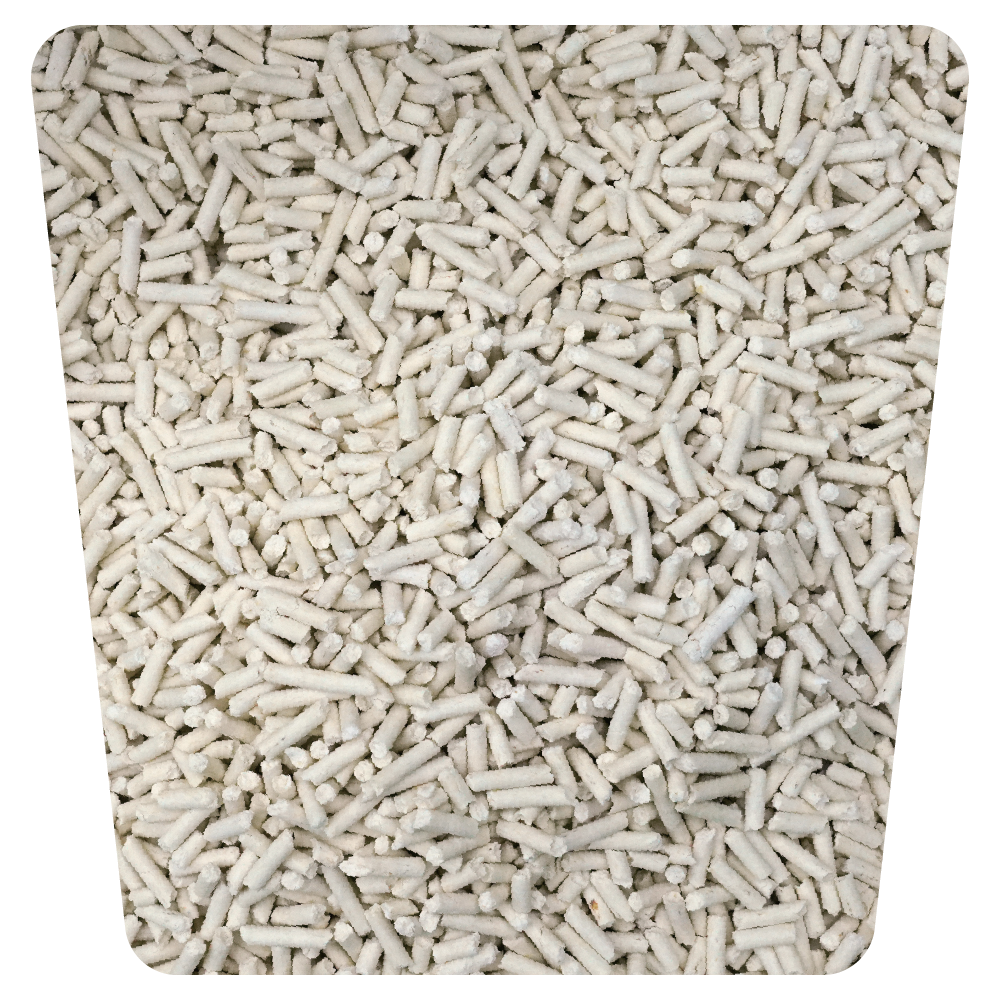
White plant-fibre cat-litter pellets texture reference
Pellet texture reference. Confirm the selected formula, granule diameter and length distribution, fragrance and packaging through sample approval.

Start with a product reference, intended use and estimated quantity. We bring product selection, sample questions and quotation details into one conversation.

Email your reference image ↗
Material rangeMineral clay, soybean, cassava and selected plant-fibre directions
Granule directionsRounded, irregular and selected pellet diameters
Range extensionsMixed formulas, other substrate enquiries and litter deodorizer
Project focusSample tests, packaging, labelling and container-order planning
Explore the product range

Build the range
your buyers need.

Choose a focused product or discuss a coordinated assortment. Each direction can be developed into a more specific model and packaging brief.

Bentonite mineral litter

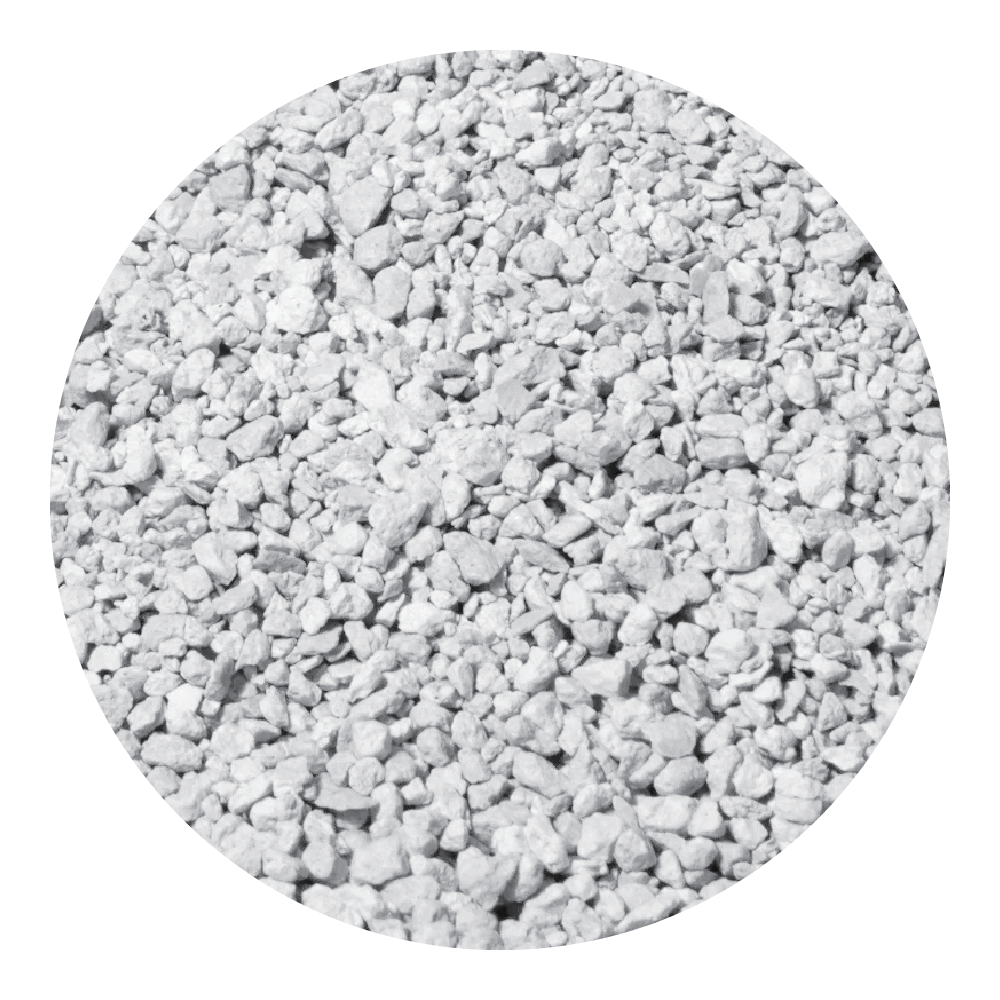
Compare rounded and irregular clay granules for a defined retail segment. Specify particle distribution, clump performance, fragrance and any activated-carbon or coloured-bead option. Bentonite is not a flushable substrate.

Enquire about this range ↗

Soybean-fibre tofu litter

Explore pellet and irregular soybean-fibre directions with the required texture and pack format. Define the diameter, dust method, clump strength and moisture specification on the actual sample.

Enquire about this range ↗

Cassava starch and fibre litter

Compare a cassava-based formulation with the desired granule structure and appearance. Request the full composition and test conditions before adopting a clumping-speed or dust figure.

Enquire about this range ↗

Coffee-ground litter

Enquire about recycled-coffee-ground and fibre-based formulas. Confirm the recipe, fragrance additions, granule form and batch consistency without assuming that a material description establishes a safety or environmental certification.

Enquire about this range ↗

Sorghum-grass litter

Review a grass-fibre direction around particle texture, density, tracking and scooping behaviour. Confirm the formulation and packaging conditions for the intended storage environment.

Enquire about this range ↗

Walnut-shell and coconut-fibre directions

Compare two distinct plant-substrate directions with a clearly stated ingredient and granule specification. Ask for the actual formula rather than treating all shell or fibre products as equivalent.

Enquire about this range ↗

Bamboo-fibre litter

Develop a bamboo-fibre brief with the preferred granule shape and cleaning characteristics. Compostability, sourcing and disposal claims require evidence for the specific finished product.

Enquire about this range ↗

Recycled pine-wood litter

Compare pellet or crushed-granule wood directions with a defined cleaning routine. Confirm the clumping or breakdown behaviour, full recipe and package moisture protection for the chosen formulation.

Enquire about this range ↗

Green-tea-fibre litter

Explore a tea-fibre and plant-ingredient direction with an agreed texture and scent brief. Tea content, added fragrances and any odour-performance target need individual confirmation.

Enquire about this range ↗

Mixed and additional substrates

Enquire about multi-material blends and selected corn, pea-husk or silica-gel directions. Specify the composition, blending ratio and desired cleaning behaviour; detailed availability and performance need a separate specification.

Enquire about this range ↗

Litter deodorizer

Review a powder additive as a separate product from complete litter. Agree the ingredient information, dose, fragrance and compatibility checks for the intended litter and cleaning system.

Enquire about this range ↗

Retail packaging and private labels

Compare plastic, vacuum, handled, paper, carton and woven-pack directions around the chosen substrate and net quantity. Confirm moisture protection, sealing, carrying loads and artwork before production.

Enquire about this range ↗

Bulk and mixed-container projects

Plan bulk sacks, large-volume flexible containers, cartons and pallets around the cargo and unloading method. Mixed-product loading requires an agreed order and packaging schedule.

Enquire about this range ↗

Pet-cleaning and household-care enquiries

Enquire about litter, litter-box odour care and related home-cleaning accessories for a defined pet-care assortment. Send the specific accessory, material and packaging brief so that availability can be reviewed alongside the selected cleaning products.

Enquire about this range ↗
Reference product directions

Start with a product.
Define the details.

Use these options to describe what you are buying. The public references identify your enquiry; the final model and specification are confirmed before an order.

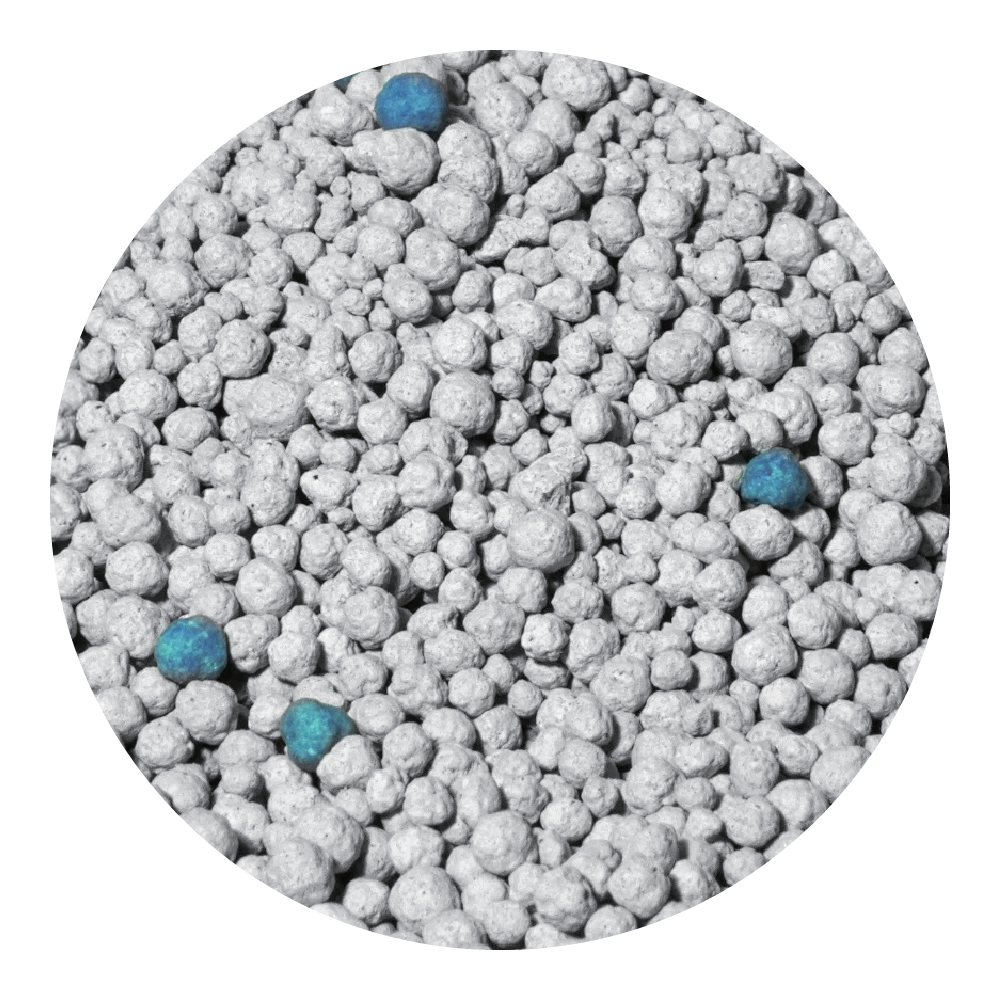
Rounded or irregular bentonite litter sourcing illustration
REFERENCE 0201-01

Rounded or irregular bentonite litter

A mineral-litter direction with several granule and formula options. Select the clay grade, particle distribution and packaging on a sample; a low-dust grade is an option, not a dust-free guarantee.

Substrate
Natural bentonite clay
Granule directions
Round or irregular crushed
Disposal
Not flushable
Options to confirm
Dust grade, carbon blend, coloured beads and fragrance
Discuss this option ↗
Tofu pellet diameter options sourcing illustration
REFERENCE 0201-02

Tofu pellet diameter options

A soybean-fibre litter direction with a published granule chart. The listed sizes refer to pellet diameter options rather than pellet length; confirm the selected diameter and its tolerance.

Substrate
Soybean fibre
Published diameter options
1.5 mm, 2 mm and 3 mm
Additional form
Irregular granules
To approve
Actual diameter, length distribution and formula
Discuss this option ↗
Tofu performance-target reference sourcing illustration
REFERENCE 0201-03

Tofu performance-target reference

Use the published category values only as targets for an agreed sample test. Ask for the dust method, liquid volume, contact time and clump-strength acceptance before using them on packaging.

Published dust target
≤ 0.5%
Published clumping interval
3–5 seconds
Verification
Formula, method and batch evidence required
Discuss this option ↗
Cassava litter target reference sourcing illustration
REFERENCE 0201-04

Cassava litter target reference

A starch-and-fibre direction with a separate published clumping interval. The category text does not supply an independent test report or establish that every custom blend reaches the stated values.

Substrate
Cassava starch and fibre
Published dust target
≤ 0.5%
Published clumping interval
2–4 seconds
Verification
Approve actual formula and test conditions
Discuss this option ↗
Coffee-ground litter direction sourcing illustration
REFERENCE 0201-05

Coffee-ground litter direction

Explore a coffee-ground-based formulation with the selected texture and package. Define the added fibre and fragrance instead of assuming a single ingredient recipe.

Substrate direction
Recycled coffee grounds with plant ingredients
Published clumping interval
3–5 seconds
To confirm
Formula, dust method, fragrance and granule form
Discuss this option ↗
Sorghum-grass fibre direction sourcing illustration
REFERENCE 0201-06

Sorghum-grass fibre direction

A grass-based substrate enquiry for a plant-fibre litter assortment. Validate scooping behaviour, tracking and the actual dust specification on the sample.

Substrate direction
Sorghum grass fibre
Published clumping interval
3–8 seconds
To define
Composition, particle distribution and packaging
Discuss this option ↗
Walnut-shell fibre direction sourcing illustration
REFERENCE 0201-07

Walnut-shell fibre direction

Compare a walnut-based litter option as a distinct substrate. Confirm ingredient composition and application instructions for the finished formulation.

Substrate direction
Walnut shell fibre
Published clumping interval
3–8 seconds
To verify
Formula, dust target and clump-test conditions
Discuss this option ↗
Coconut-fibre litter direction sourcing illustration
REFERENCE 0201-08

Coconut-fibre litter direction

Develop a coconut-fibre enquiry around granule density and size. Different fibre and binder arrangements need their own performance and disposal instructions.

Substrate direction
Coconut fibre
Published clumping interval
3–8 seconds
To define
Pellet form, density, recipe and pack protection
Discuss this option ↗
Bamboo-fibre litter direction sourcing illustration
REFERENCE 0201-09

Bamboo-fibre litter direction

Review a bamboo-fibre formula with the preferred granule and retail pack. Any biodegradation or sourcing statement needs applicable evidence for the finished article.

Substrate direction
Bamboo fibre
Published clumping interval
3–8 seconds
To confirm
Composition, dust test and disposal directions
Discuss this option ↗
Pine-wood litter direction sourcing illustration
REFERENCE 0201-10

Pine-wood litter direction

Explore a recycled-wood-fibre option in a pellet or crushed form. Agree whether the selected formula is intended to clump or break down during use.

Substrate direction
Recycled pine wood fibre
Published clumping interval
3–5 seconds
Granule directions
Pellets or crushed granules
Discuss this option ↗
Green-tea-fibre litter direction sourcing illustration
REFERENCE 0201-11

Green-tea-fibre litter direction

A tea-fibre-based direction with an individual recipe and fragrance brief. Confirm the formulation, ingredient proportions and test conditions before adopting performance claims.

Substrate direction
Green tea fibre and plant ingredients
Published clumping interval
3–5 seconds
To define
Recipe, fragrance and package specification
Discuss this option ↗
Mixed-formula and other-substrate enquiries sourcing illustration
REFERENCE 0201-12

Mixed-formula and other-substrate enquiries

Compare blend directions and selected corn, pea-husk or silica-gel options with a defined ingredient and performance brief. No unsupported blend ratio or particle size is assumed.

Directions
Mixed substrates; selected corn, pea husk and silica-gel enquiries
To define
Formula, granule size, cleaning behaviour and availability
Discuss this option ↗
Powder litter deodorizer sourcing illustration
REFERENCE 0201-13

Powder litter deodorizer

A mix-in powder direction for a litter-box cleaning assortment. Compatibility, dose and claims need confirmation on the selected formula and litter type.

Product form
Powder additive
Use direction
Mix-in or surface application as instructed
Minimum-order approach
Project-specific; not automatically the standard litter container quantity
Discuss this option ↗
Retail and bulk packaging enquiry sourcing illustration
REFERENCE 0201-14

Retail and bulk packaging enquiry

Compare package structure and material for the selected litter and logistics plan. Existing packaging samples can support evaluation; a custom printed production sample is not assumed.

Retail directions
Plastic, vacuum, handled pack, paper, carton and woven formats
Shipping directions
Outer sacks, cartons, pallets and bulk flexible containers
To confirm
Net quantity, moisture barrier, print minimum and load plan
Discuss this option ↗

Published dust percentages and clumping intervals are category-level, self-declared reference targets. They are not independent test results, a guarantee for every formula, or an automatic private-label claim. Granule sizes, composition, packaging and supply terms require approval for the actual article. Disposal follows the finished-product instructions and local rules; plant-based material alone does not establish flushability.

What matters for this category

A better brief.
A clearer comparison.

Focus the sourcing conversation on the features, materials and production details that make a difference to your product range.

01

Compare substrates with a defined test plan

Use the same sample evaluation brief to compare mineral, plant-based and mixed formulations across clumping, dust, tracking, odour and cleaning behaviour.

02

Choose formulation and packaging together

Match granule density and moisture sensitivity with the retail pack, net quantity and transport format so that shipping and shelf presentation are considered early.

03

A clear private-label development brief

Coordinate recipe, fragrance, artwork, label language and acceptance criteria before finalizing the production and delivery schedule.

Branding, configuration & packaging

Make the product
fit your programme.

Bring artwork, reference samples and a target cost. The available process, minimum quantity, sample charges and development scope are reviewed for the chosen option.

01

Formula and fragrance

Request an unscented or selected fragrance direction and define substrate, granule form and desired performance. Any custom blend, scent and automatic-box use need approval for the actual article.

02

Retail and bulk presentation

Provide net quantity, package material, handle or closure requirements, artwork, barcode and language. Confirm the printing minimum independently from the amount of litter ordered.

03

Samples and production planning

Existing packaging formats can be reviewed as samples; custom printed sample availability requires confirmation. Agree formula samples, costs, mixed loading and the production slot in the quotation.

Quality & product evidence

Turn requirements
into checks.

Agree which product characteristics need testing and how the approved sample relates to the bulk order.

01

Raw material and finished-formula checks

Agree checks for composition, particle distribution, moisture, density and foreign matter, plus any ingredient-specific documentation needed for the selected formula.

02

Comparable performance testing

Define the dust measurement, liquid and dose, clumping interval, clump integrity, tracking and odour methods. Confirm acceptance values against the approved sample and production batch.

03

Packing and loading inspection

Check net quantity, seal integrity, bag strength, artwork, coding and carton or pallet arrangement. Allow for the actual material density and package handling requirements.

Test capability is a starting point for the inspection plan. Request the method, applicable model and results needed for your order.

Documents matched to the order

Ask for evidence
that fits the product.

Ask for article-specific evidence and destination documents. A certification logo on a general catalogue page does not establish scope or validity for the selected formula, packaging or production site.

State the sales market, intended users and required files in your first enquiry. Current validity and scope are checked for the selected supplier and product; a category description does not certify every item.

Share your document requirements ↗
Formula and sample specification
Approved substrate and ingredient information, granule distribution, moisture and density targets, performance method and sample acceptance record.
Packaging and label approval
Artwork, net weight or volume basis, scent identification, use and disposal instructions, traceability code and the agreed packaging structure.
Export and test evidence
Commercial invoice, packing list, origin documents and relevant test reports as applicable. Confirm the actual issuer, production site, scope and destination requirements before shipment.
Built around how you sell

Different buyers.
Different specifications.

Your sales channel changes the assortment, packaging and quality priorities. Tell us the intended use as well as the product name.

01

Retail and private-label litter ranges

Build a mineral, plant-based or mixed assortment with defined formula, net quantity, fragrance and retail packaging.

02

Wholesalers and container programmes

Plan a product and packaging mix for distribution, warehouse handling and container loading with a confirmed order schedule.

03

Pet-care and litter-box assortments

Pair a selected litter with a separately approved deodorizer or related cleaning brief. Verify the intended automatic-box or manual-scooping routine.

From first brief to a defined order

One contact.
A practical next step.

Samples, commercial terms and responsibilities are agreed for the project. Use the same product and packing specification when comparing quotations.

01

Share the requirement

Product, reference image, quantity, sales market and timing.

02

Compare suitable options

Review configuration, materials, sample scope and relevant documents.

03

Approve the specification

Agree artwork, packaging, sample, testing and inspection criteria.

04

Confirm the order plan

Set price, payment, production, delivery and defect remedies in writing.

Buyer questions

Before you send
your first enquiry.

Practical answers about this sourcing direction, customization and the reference options. Your agreed specification and written quotation determine the actual order.

Which materials can I compare?

Bentonite, soybean-fibre tofu, cassava and selected coffee, grass, walnut, coconut, bamboo, pine and tea-fibre directions can be reviewed. Mixed formulas and additional substrates require a specific composition brief.

Are the dust and clumping numbers independently verified?

They are published category targets. Request the actual formula, test method and batch evidence before treating them as acceptance values or printing them as claims.

What do the tofu sizes mean?

The published pellet chart shows 1.5 mm, 2 mm and 3 mm diameter options, alongside an irregular form. Confirm diameter tolerance, length distribution and availability for the chosen formula.

Can every litter be flushed?

No. Bentonite must not be flushed. For other formulations, follow the actual product instructions, plumbing limitations and local waste rules; plant-based composition alone is not proof of flushability.

Will it work in my automatic litter box?

Compatibility needs a check against the actual machine, granule distribution, density and clumping behaviour. Provide the cleaning-system requirements and evaluate a sample rather than assuming universal fit.

What is the minimum order?

Standard litter programmes are presented on a container-order basis, commonly a 20-foot or 40-foot container. Actual product and printing minimums must be quoted separately; deodorizer quantities are project-specific.

Can I request custom packaging samples?

Existing pack formats can be evaluated. A custom printed packaging sample is not assumed; confirm sample type, artwork approval, printing minimum, costs and production timing for the project.

What should I send for a quote?

Provide the target substrate or blend, performance priorities, granule form, fragrance, net pack quantity, artwork, destination, order volume and delivery schedule. Include the test and document requirements.

Who handles my enquiry?

Factory Sourcing Hub handles this enquiry as an independent sourcing and trading service. The product route, supplier suitability, sample scope and order responsibilities are agreed for the actual project.

How do I get a price and order minimum?

Send the product reference, quantities per variation, customization and packaging. Prices, minimums, sample charges and delivery dates are confirmed in a current quotation; the page is not a live inventory or price feed.

Can I discuss samples and inspection before ordering?

Yes. State whether you need a reference sample, a customized sample or development work. Agree the sample cost and shipping, approval specification, inspection plan and remedy for non-conforming goods before the bulk order.

What should I attach to my email?

Reference images, drawings, logo artwork and a product list are useful. Include quantities, the intended users and sales market, packaging, required documents and timing. After submitting the form, email attachments to kunhuow@gmail.com with your enquiry reference.

Tell us what you are planning

Your next order
starts with a brief.

A reference picture or a short description is enough to begin. Add the details you already know; the optional fields help make the follow-up more useful.

  • Substrate or blend, granule form and performance-test priorities
  • Fragrance, net quantity, retail pack and artwork requirements
  • Order volume, container mix, destination and unloading needs
  • Samples, test evidence, documents and target delivery schedule
kunhuow@gmail.com

Download the enquiry checklist ↓

Independent sourcing and trading service. Supplier choice, service costs and order conditions are discussed for your project.

Discuss your requirements.

Product selection, customization, samples and quotation enquiries.

Add product, quantity or customization details (optional)

Submit your enquiry directly. We use your details to respond to your sourcing request. For attachments, email kunhuow@gmail.com with your enquiry reference. Enquiry data use.

Information basis: published product information reviewed . Reference details support a sourcing discussion. Current supply, samples and product-specific documents are confirmed for the selected item.

Have a product in mind?
Share your sourcing brief.
Send an enquiry ↗