
Exercise and softcover books
Develop school books around the market’s ruling, trimmed size, paper basis weight and page count. Specify the required staple, sewn or glued construction and cover artwork.
Enquire about this range ↗Plan the notebook. Build the complete kit.
Bring notebooks, backpacks, lunch bags, pencils and stationery sets into one project brief. Compare paper, ruling, binding, fabric, artwork and kit contents while checking quantities and documents separately for each component.
Manufacturing, product documents and order conditions depend on the model and supply route selected for your project.
Start with a product reference, intended use and estimated quantity. We bring product selection, sample questions and quotation details into one conversation.
Email your reference image ↗Choose a focused product or discuss a coordinated assortment. Each direction can be developed into a more specific model and packaging brief.
Develop school books around the market’s ruling, trimmed size, paper basis weight and page count. Specify the required staple, sewn or glued construction and cover artwork.
Enquire about this range ↗Explore spiral, hardcover, composition, leather-look and sketch notebooks, plus text and picture books. A family listing is a starting point for a specification, rather than a ready-stock promise.
Enquire about this range ↗Backpack, school, children’s, laptop, duffle and drawstring formats support different projects. Define the load, dimensions, compartments, straps, zips and fabric before choosing a design.
Enquire about this range ↗Discuss insulation construction, lining, seams, closure and carrying arrangement. Ask for the relevant performance and material evidence for the intended contents and use.
Enquire about this range ↗Catalogue options include short and full-length pencils, several barrel shapes and wood, paper or plastic material routes. Confirm the exact core, grade and set contents for the chosen item.
Enquire about this range ↗Combine selected notebooks, bags, pencil cases and writing or measuring tools. Keep a bill of materials with the count, material, artwork and document requirements for each component.
Enquire about this range ↗Enquiries may also cover desktop tools, filing, paper, measuring tools, adhesives and selected office electronics. These are different sourcing categories with their own specifications and minimums.
Enquire about this range ↗Use these options to describe what you are buying. The public references identify your enquiry; the final model and specification are confirmed before an order.
Select one complete specification. Listed page counts and paper-weight options are not a fixed ready-made book.
Match the cover, coil and paper configuration to a selected size. Confirm that the complete combination can be produced.

Check fabric, fit, compartments, logo and load requirements on the selected sample.
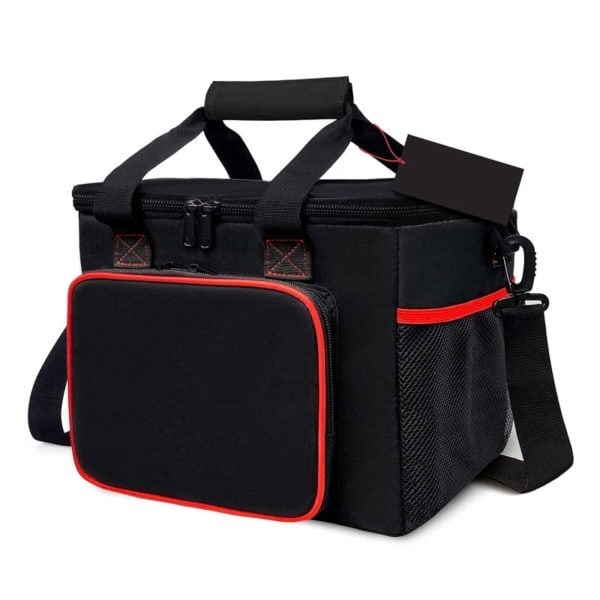
The listed size has no unit, so a usable dimension must be confirmed. Lining and seam descriptions do not establish tested insulation, leak resistance or food-contact suitability.
Agree each component and count. Pictured set examples do not establish a standard kit or the properties of every item.
Catalogue filters describe options rather than one fixed model. Request exact core and graphite-grade information for the chosen product.
Notebook and pencil options are configurable product directions. Confirm the complete paper, binding, barrel or core combination before quotation. Bag fabric choices and measurements are model-specific; request confirmed internal and external cooler-bag dimensions. Minimums, samples and timing are agreed separately for books, bags, pencils and complete kits.
Focus the sourcing conversation on the features, materials and production details that make a difference to your product range.
Plan the notebook, bag, lunch carrier and stationery together, then specify each component separately. This makes missing items, conflicting quantities and inconsistent artwork easier to resolve before a quotation.
Ruling, paper weight, sheet count and binding can matter as much as cover artwork. Bags add their own fabric, load and function requirements. State the actual use and sales market before selecting an assortment.
Align cover artwork, bag colours, logo techniques and retail packing while allowing each material to use a suitable process. Approve the combined appearance without treating unlike products as one manufacturing specification.
Bring artwork, reference samples and a target cost. The available process, minimum quantity, sample charges and development scope are reviewed for the chosen option.
Provide cover artwork, trimmed dimensions, paper basis weight, exact ruling, sheets or pages and binding. Spiral enquiries can add coil material and single or double construction. Confirm design scope and costs.
Bag OEM enquiries can specify measurements, fabric, compartments, functions and packaging. Available logo directions include printing, transfer, embroidery, labels, patches and selected hardware; match the process to the fabric and model.
Submit the complete component list, quantities and artwork together. Plan individual bags, shrink packs, labels, hangtags, cartons and warning copy where appropriate, with separate commercial terms for each category.
Agree which product characteristics need testing and how the approved sample relates to the bulk order.
Compare paper colour, opacity and writing behaviour, then inspect ruling, print registration, trimming and binding. Agree the test and acceptance criteria for the actual notebook configuration.
Review fabric, coating, seams, zip operation, handles, straps and the finished pack. Inspection and third-party review can be discussed, but the scope and acceptable defect limits belong in the order agreement.
Count every item against the bill of materials and approved samples. Check sizing, artwork and packaging together; children’s use, adhesive performance and office electronics each require their own suitability review.
Test capability is a starting point for the inspection plan. Request the method, applicable model and results needed for your order.
A combined school kit contains different products, materials and manufacturing routes. Request the files that apply to each item, with the tested model, standard, scope and current order configuration clearly identified.
State the sales market, intended users and required files in your first enquiry. Current validity and scope are checked for the selected supplier and product; a category description does not certify every item.
Share your document requirements ↗Your sales channel changes the assortment, packaging and quality priorities. Tell us the intended use as well as the product name.
Match local notebook ruling and format with suitable bags and writing tools. Plan quantities per component and obtain documents for the intended users and sales market.
Build the quotation against the actual tender specification, packing and delivery milestones. Avoid replacing an explicit paper, bag or safety requirement with a generic catalogue description.
Coordinate notebooks, bags and selected stationery under approved artwork. Define the contents, retail or gift pack, sample approvals and delivery destination before comparing proposals.
Samples, commercial terms and responsibilities are agreed for the project. Use the same product and packing specification when comparing quotations.
Product, reference image, quantity, sales market and timing.
Review configuration, materials, sample scope and relevant documents.
Agree artwork, packaging, sample, testing and inspection criteria.
Set price, payment, production, delivery and defect remedies in writing.
Practical answers about this sourcing direction, customization and the reference options. Your agreed specification and written quotation determine the actual order.
Yes, these categories can be brought into a coordinated sourcing enquiry. Select and count each item; separate availability, minimums, lead times and compliance files still apply.
No. The source bag FAQ gives 500 pieces for each regular bag model as a reference. It does not establish minimums for notebooks, pencils, stationery sets or a whole kit. Reconfirm colours and custom-material requirements.
For a smaller request, a comparable stock style or another route may be considered. No live stock or below-minimum acceptance has been verified, so send the quantity and design first.
The exercise-book options include page counts, while other notebook specifications may use sheets. State the unit explicitly: a sheet normally has two sides, and the order should define the printed-page and sheet totals.
Design and sample routes are documented, but the conditions for fees, customization, revisions and courier charges were not established. Agree them for each notebook, bag or set before proceeding.
The original listing gives 12 × 9 × 9 without a unit. It is not presented as a usable dimension here; request confirmed internal and external measurements before assessing fit or capacity.
Only with relevant evidence for the selected construction and test conditions. Fabric, EVA lining and a heat-welded-seam description alone do not prove those performance claims or food-contact suitability.
Confirm separate production milestones for books, bags and stationery, then allow time for kit assembly, inspection and freight. No fixed production duration or guaranteed destination delivery was established.
Factory Sourcing Hub handles this enquiry as an independent sourcing and trading service. The product route, supplier suitability, sample scope and order responsibilities are agreed for the actual project.
Send the product reference, quantities per variation, customization and packaging. Prices, minimums, sample charges and delivery dates are confirmed in a current quotation; the page is not a live inventory or price feed.
Yes. State whether you need a reference sample, a customized sample or development work. Agree the sample cost and shipping, approval specification, inspection plan and remedy for non-conforming goods before the bulk order.
Reference images, drawings, logo artwork and a product list are useful. Include quantities, the intended users and sales market, packaging, required documents and timing. After submitting the form, email attachments to kunhuow@gmail.com with your enquiry reference.
A reference picture or a short description is enough to begin. Add the details you already know; the optional fields help make the follow-up more useful.
Download the enquiry checklist ↓
Independent sourcing and trading service. Supplier choice, service costs and order conditions are discussed for your project.
Product selection, customization, samples and quotation enquiries.
Compare separate product ranges and prepare a brief that fits your assortment.
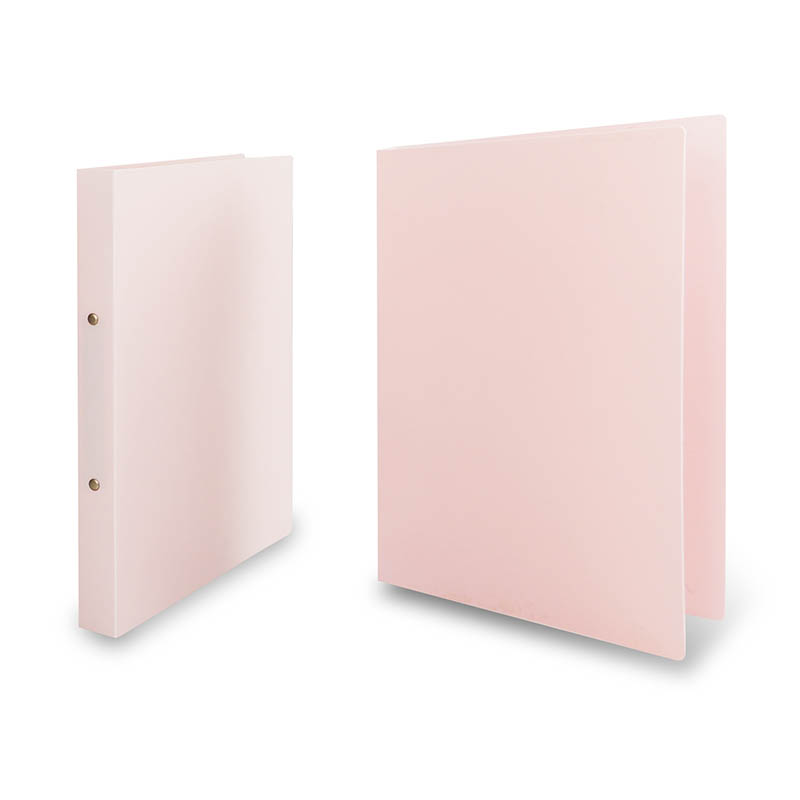
Develop a coordinated stationery range across writing tools, school essentials, paper, filing, desk accessories and bags. Bring the product list, artwork, packing and inspection requirements into one sourcing brief, with each selected item and its order conditions confirmed separately.
Explore this service ↗
Build a school and office paper assortment around binding, ruling, trim and page count. Compare student exercise books, sewn and wire notebooks, music and tracing books, copy paper and filing accessories, with each item specified for its actual use.
Explore this service ↗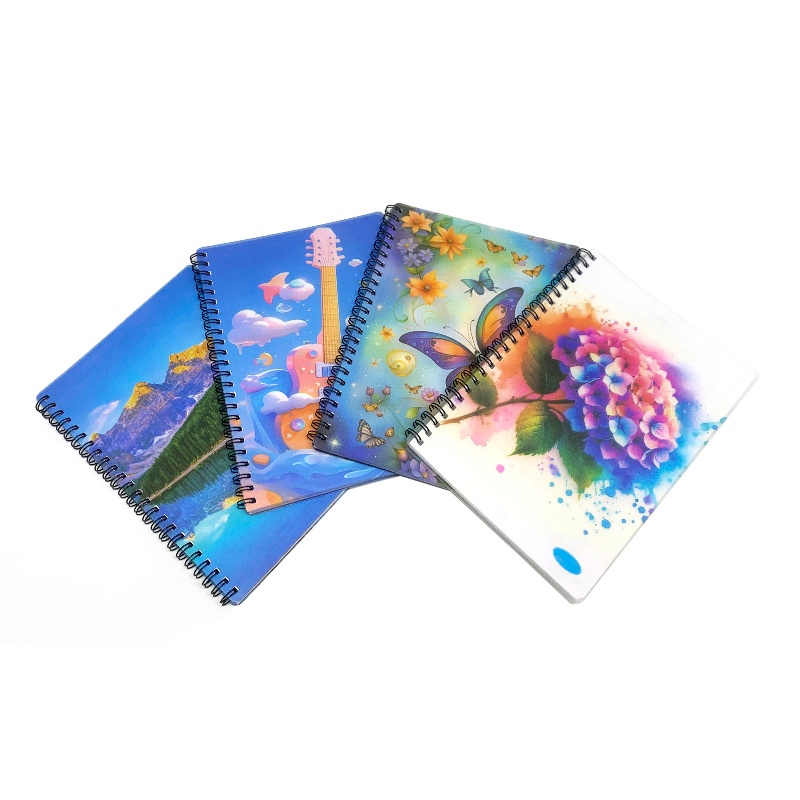
Develop school exercise books, wire-bound notebooks, composition books, drawing books and PU-cover journals. Define the paper, ruling, binding and cover finish, then review proofs and samples before agreeing the production specification.
Explore this service ↗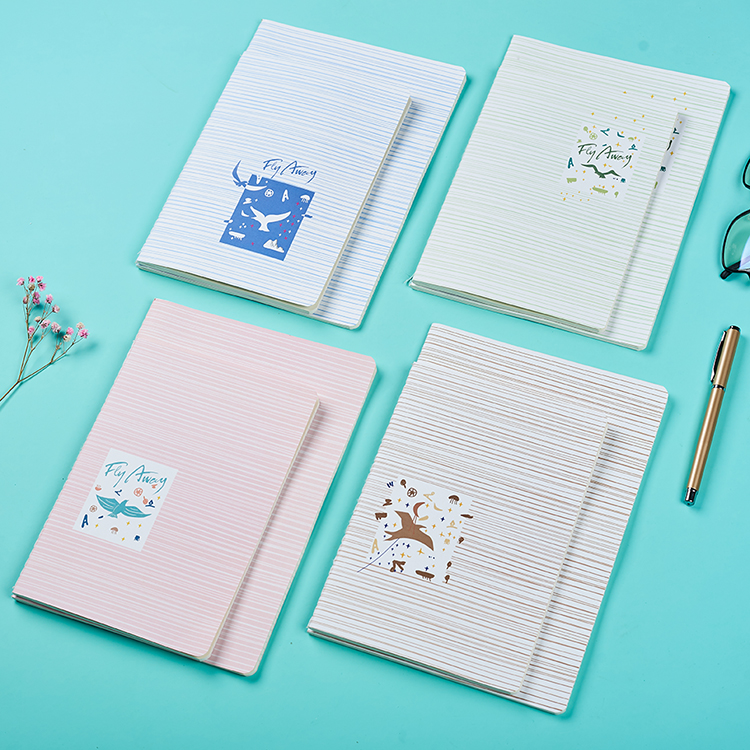
Develop notebooks, planners, journals, sketchbooks and writing portfolios with coordinated covers, page layouts, bindings and gift packaging. Define paper, artwork and order requirements for an item-specific sourcing proposal.
Explore this service ↗Information basis: published product information reviewed . Reference details support a sourcing discussion. Current supply, samples and product-specific documents are confirmed for the selected item.