
French-ruled exercise books
Soft, PP and PVC cover directions for school writing. Specify actual trim measurements, ruling pattern and page count rather than relying on a format name alone.
Enquire about this range ↗Your pages. Your format. A notebook range that fits.
Develop school exercise books, wire-bound notebooks, composition books, drawing books and PU-cover journals. Define the paper, ruling, binding and cover finish, then review proofs and samples before agreeing the production specification.
Manufacturing, product documents and order conditions depend on the model and supply route selected for your project.
Start with a product reference, intended use and estimated quantity. We bring product selection, sample questions and quotation details into one conversation.
Email your reference image ↗Choose a focused product or discuss a coordinated assortment. Each direction can be developed into a more specific model and packaging brief.
Soft, PP and PVC cover directions for school writing. Specify actual trim measurements, ruling pattern and page count rather than relying on a format name alone.
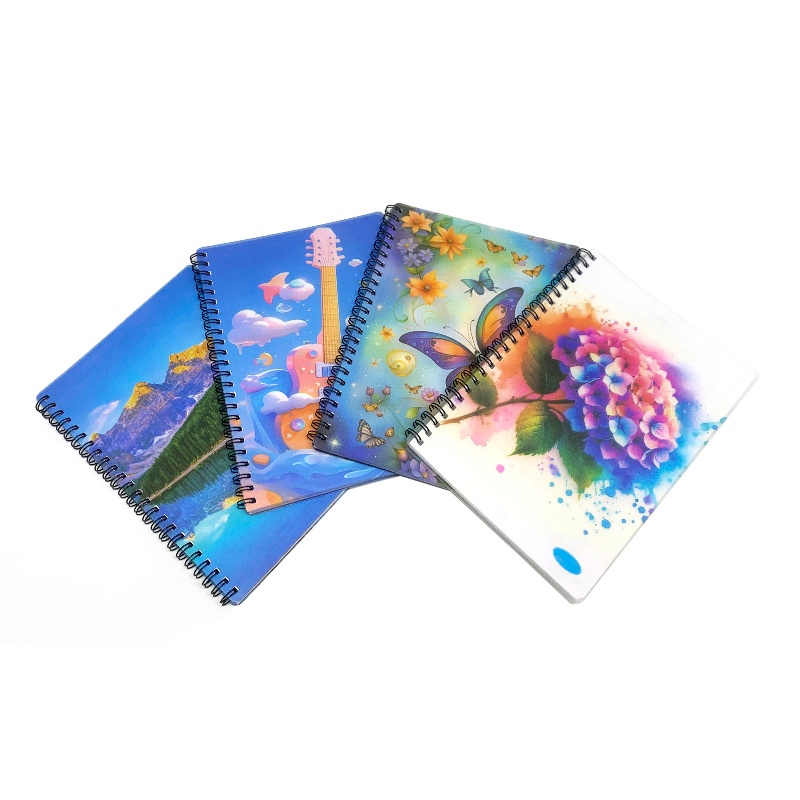
Enquire about this range ↗Single-spiral, twin-wire and other punched-coil directions for school and everyday notes. Confirm wire type, hole pattern, cover construction and how the book opens.
Enquire about this range ↗Sewn-and-taped composition formats and other sewn notebook enquiries. Choose the ruling, trim and paper, and state whether the required count means sheets or printed pages.
Enquire about this range ↗Board and PU synthetic-cover directions for journals, retail and business gifts. Explore printed, embossed or foil-marked logos on a cover construction suited to the brief.
Enquire about this range ↗Saddle-stitched drawing books and spiral sketchbook directions. Define the art medium, paper weight and surface, page count and binding before requesting a relevant sample.
Enquire about this range ↗University and subject notebooks, writing pads, glued pads and memo directions. State section layouts, ruling, perforation needs and actual page or sheet counts.
Enquire about this range ↗Textbooks, school kits and lever-arch files appear in the wider paper-stationery range. Request current specifications and the included kit components as separate line items.
Enquire about this range ↗Recycled-cover and notebook concepts can be explored from a material brief. Confirm the component, actual recycled proportion and evidence before promoting an environmental claim.
Enquire about this range ↗Use these options to describe what you are buying. The public references identify your enquiry; the final model and specification are confirmed before an order.
A staple-bound school-book reference with board or art-paper cover directions. The numeric trim size needs approval because the listing format name is inconsistent.
A plastic-cover reference for school use. Confirm the paper specification and page count on a signed sheet because the original table labels are mixed.
A subject-notebook reference with cover printing and inner-layout options. The selected wire construction and recycled-content description need sample and document confirmation.
A primary-school composition-book direction with wide or college ruling. Resolve the conflicting page, sheet and minimum-order fields before using them in a quotation.
A small school drawing-book reference with full-colour cover and plain inner-page direction. Confirm the inner paper against the intended art medium.
A journal-development direction with synthetic cover material and custom inner layouts. A design article supports the options, rather than a complete coded stock specification.
Dimensions, page and sheet counts, bindings and packing figures are reference-listing details. The 17 × 22 cm exercise book is not standard ISO A5. Some paper/count and composition-book minimum fields conflict and need clarification. Current MOQ, production timing and sample charges depend on the chosen notebook and artwork; listing references are not a binding offer.
Focus the sourcing conversation on the features, materials and production details that make a difference to your product range.
A useful notebook quotation connects the cover, ruling, paper and binding. Set the numeric trim size, paper shade and weight, page or sheet count and construction together so samples and price comparisons refer to the same product.
Cover printing, embossing, foil and other finish directions depend on the chosen substrate. Bring the logo, intended texture and reference colours into the proof stage, then check the actual cover and binding in a physical sample.
School books, journals, drawing books and supporting stationery can be considered within a combined buying plan. Confirm minimums per design, item mix, carton details and shipment terms so a broader range remains clearly specified.
Bring artwork, reference samples and a target cost. The available process, minimum quantity, sample charges and development scope are reviewed for the chosen option.
Specify exact dimensions, paper weight and shade, ruling, margins, sections and page or sheet count. Plain, single-line, French ruling, grid and custom layouts are directions to match to the chosen book.
Explore board, art paper, PP/PVC and PU covers with printing, foil, embossing, debossing, matte/gloss or selected UV/coating treatments. Agree substrate compatibility, tooling, artwork ownership and proof stages for the actual finish.
Develop a concept with agreed design deliverables, revision scope and costs. Define book and package branding, barcode, shrink-pack counts, retail presentation and carton protection; confirm mixed-item and per-design minimums in the offer.
Agree which product characteristics need testing and how the approved sample relates to the bulk order.
Compare writing behaviour on the intended paper, ruling accuracy, margins, opacity and trim. Confirm what counts as a page or sheet and set the acceptance limits; no universal ink-bleed or opacity guarantee is established.
Review opening behaviour, wire or stitch construction, page retention, cover alignment and finish. For PU, inspect texture, logo depth and handling; a synthetic cover must not be described as genuine leather.
Approve the artwork and physical sample before production, then agree checks for counts, print colour, cutting, binding, labels and carton protection. A QC function is described, but the order-specific inspection plan still needs agreement.
Test capability is a starting point for the inspection plan. Request the method, applicable model and results needed for your order.
Request current material, product and management-system records relevant to the actual notebook and destination market. Check the issuing body, scope, validity and applicable manufacturing entity before relying on a certificate.
State the sales market, intended users and required files in your first enquiry. Current validity and scope are checked for the selected supplier and product; a category description does not certify every item.
Share your document requirements ↗
Your sales channel changes the assortment, packaging and quality priorities. Tell us the intended use as well as the product name.
Match exercise-book ruling, trim, page counts and cover durability to the school specification. Identify language, artwork, packing and destination-market documents for each version.
Build a coordinated mix of wire notebooks, composition books, journals and drawing books. Specify each paper, construction and cover version independently before agreeing minimums and packing.
Develop a PU or hardcover journal around your logo, page layout and presentation. Confirm the finish sample, design scope, packaging and order timing before promising a campaign delivery date.
Samples, commercial terms and responsibilities are agreed for the project. Use the same product and packing specification when comparing quotations.
Product, reference image, quantity, sales market and timing.
Review configuration, materials, sample scope and relevant documents.
Agree artwork, packaging, sample, testing and inspection criteria.
Set price, payment, production, delivery and defect remedies in writing.
Practical answers about this sourcing direction, customization and the reference options. Your agreed specification and written quotation determine the actual order.
OEM/ODM scope includes cover artwork, page layouts, format and packing. Select the actual cover material, ruling and binding, then agree design deliverables, proofs, tooling and minimums for that configuration.
The listing uses an A5 label alongside 17 × 22 cm, which is not standard ISO A5. Use explicit finished dimensions in the enquiry and approve the trim on the sample.
Some listings mix these terms, particularly the composition book. State the required number of physical sheets and printed pages separately, then confirm the signed specification before comparing prices or placing an order.
Staple, saddle-stitch, sewn-and-taped, spiral, twin-wire and hardcover directions are available for discussion. Product wording varies; confirm the exact construction, hole pattern and opening behaviour for the chosen notebook.
Published FAQ references describe white mock-ups at 2–3 working days and colour samples at 5–6 working days, with USD 100–200 for new-customer colour samples and a stated order-confirmation refund. Confirm eligibility, freight, artwork scope, charges and timing in your current quotation.
No. Published references differ by book and include 1,000 or 5,000 pieces, while the composition listing has conflicting 10,000-piece and container minimums. Request a current minimum per construction, size and artwork version.
PU synthetic-cover journals are a documented direction with embossing, printing and foil options. PU is not genuine leather. Confirm texture, colour, logo process, page layout and actual construction on a sample.
Current certificate copies and recycled-content evidence were not verified. Request documents covering the actual material, component, manufacturing entity and scope before making environmental or management-system claims.
Factory Sourcing Hub handles this enquiry as an independent sourcing and trading service. The product route, supplier suitability, sample scope and order responsibilities are agreed for the actual project.
Send the product reference, quantities per variation, customization and packaging. Prices, minimums, sample charges and delivery dates are confirmed in a current quotation; the page is not a live inventory or price feed.
Yes. State whether you need a reference sample, a customized sample or development work. Agree the sample cost and shipping, approval specification, inspection plan and remedy for non-conforming goods before the bulk order.
Reference images, drawings, logo artwork and a product list are useful. Include quantities, the intended users and sales market, packaging, required documents and timing. After submitting the form, email attachments to kunhuow@gmail.com with your enquiry reference.
A reference picture or a short description is enough to begin. Add the details you already know; the optional fields help make the follow-up more useful.
Download the enquiry checklist ↓
Independent sourcing and trading service. Supplier choice, service costs and order conditions are discussed for your project.
Product selection, customization, samples and quotation enquiries.
Compare separate product ranges and prepare a brief that fits your assortment.
Build a school and office paper assortment around binding, ruling, trim and page count. Compare student exercise books, sewn and wire notebooks, music and tracing books, copy paper and filing accessories, with each item specified for its actual use.
Explore this service ↗
Develop a diary, planner, notebook, coil book or elastic-closure journal around your page plan and brand. Bring together cover materials, inner layouts, binding and packaging, then approve the construction and printed sample before a volume order.
Explore this service ↗
Plan book protection, document filing, clear storage pouches and writing-board products for school, office and retail ranges. Compare material, gauge, format, closures, print and pack choices through OEM or existing-design enquiries.
Explore this service ↗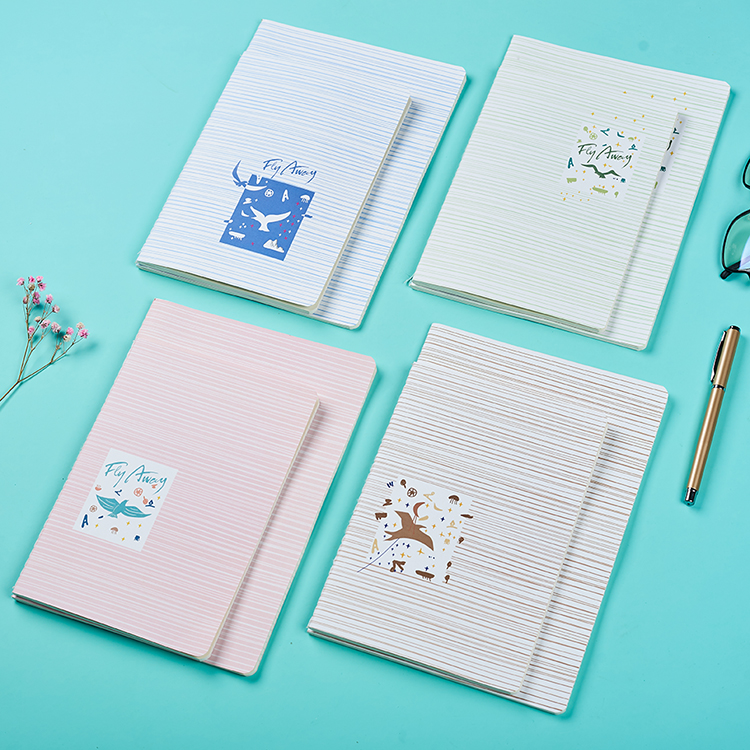
Develop notebooks, planners, journals, sketchbooks and writing portfolios with coordinated covers, page layouts, bindings and gift packaging. Define paper, artwork and order requirements for an item-specific sourcing proposal.
Explore this service ↗Information basis: published product information reviewed . Reference details support a sourcing discussion. Current supply, samples and product-specific documents are confirmed for the selected item.