
Diaries & planners
Develop the year, language, date structure and reference pages around your target users. Specify paper colour, trim, cover and calendar content together, with every dated page checked before production.
Enquire about this range ↗Plan the pages. Make the book your own.
Develop a diary, planner, notebook, coil book or elastic-closure journal around your page plan and brand. Bring together cover materials, inner layouts, binding and packaging, then approve the construction and printed sample before a volume order.
Manufacturing, product documents and order conditions depend on the model and supply route selected for your project.
Start with a product reference, intended use and estimated quantity. We bring product selection, sample questions and quotation details into one conversation.
Email your reference image ↗Choose a focused product or discuss a coordinated assortment. Each direction can be developed into a more specific model and packaging brief.
Develop the year, language, date structure and reference pages around your target users. Specify paper colour, trim, cover and calendar content together, with every dated page checked before production.
Enquire about this range ↗Plain, lined and dotted layout directions for writing and daily records. Define paper weight, shade, page or sheet count and construction rather than choosing from cover appearance alone.
Enquire about this range ↗A closure-led format for carrying notes and keeping the book together. Compare selected PU, thermo-PU and special-paper cover directions, then approve band positioning, tension and the actual construction.
Enquire about this range ↗Coil-book directions with PU or special-paper covers and custom size/page-style enquiries. Confirm wire construction, pitch, hole pattern and opening behaviour against the chosen sample.
Enquire about this range ↗Sketchbook directions with special-paper or PU cover options. State the intended drawing medium, paper weight and surface, dimensions and binding so an appropriate paper sample can be reviewed.
Enquire about this range ↗Linen-style and embroidered-linen directions for notebook and diary projects. Define fabric composition, texture, embroidery artwork, thread colours and cover construction before approving the design.
Enquire about this range ↗Printable or solid-colour PU, PVC and genuine-leather directions provide separate material routes. Confirm actual composition, colour, touch and logo treatment for the selected cover and budget.
Enquire about this range ↗Special-paper covers and complementary notepad, calendar, address-book or card-holder enquiries can broaden a paper programme. Confirm current constructions and each included item as a separate specification.
Enquire about this range ↗Use these options to describe what you are buying. The public references identify your enquiry; the final model and specification are confirmed before an order.
Develop a diary around the intended calendar and page structure, with cover and paper selected together. Approve dates, language, holidays and reference content before the production proof.
A textile-cover direction for a coordinated branded notebook. Specify fabric composition and the embroidery design, then confirm paper, binding and finishing on the sample.
A banded-notebook direction with multiple cover and inner-page options. Match the cover, elastic and book thickness rather than assuming one band configuration suits every construction.
A practical binding direction for note-taking or drawing. Confirm the actual coil, cover and paper combination and its opening behaviour in the approved construction sample.
Start with the intended art medium, then define paper and construction. A cover-material choice does not establish paper suitability for wet or specialist drawing techniques.
An A5 diary direction with synthetic-cover and sewn construction references. Define the current trim, actual sheet count and page plan; historical diary parameters do not set a custom-order standard.
Cover and page options are product-family directions, with the actual trim, materials, paper, count, binding and pack agreed for each order. One earlier diary construction provides a format reference, not a current standard specification or minimum. Approve the exact design and dated content, and confirm sampling, quantity and production terms in the offer.
Focus the sourcing conversation on the features, materials and production details that make a difference to your product range.
A useful book specification brings together material, trim, page plan and binding. Begin with how the diary or notebook will be used, then develop the tactile cover, paper and layout as parts of the same product.
OEM can start from complete buyer artwork, while a design-development brief can adapt a suitable existing direction. Agree logo, dimensions, fabric and inner pages alongside structural feasibility, ownership, deliverables and the approval stages.
Printing, folding, collating, inner-page production, binding, cutting and cover making form a connected production scope. Use a physical pre-production sample to establish the construction and appearance reference for the selected volume programme.
Bring artwork, reference samples and a target cost. The available process, minimum quantity, sample charges and development scope are reviewed for the chosen option.
Supply a complete design or a clear development brief covering trim, logo, colours, date system, ruling and page counts. Confirm artwork rights, revision scope and the final print proof for every version.
Compare the actual PU, PVC, textile, special-paper or leather material sample for your design. Specify embroidery, logo appearance, closure and accessory needs, with process compatibility and development fees confirmed in the offer.
Define binding, inner paper, book thickness and the packaging concept together. Ask for retail and carton specifications, barcode/language requirements and minimums per construction and artwork version before scheduling the order.
Agree which product characteristics need testing and how the approved sample relates to the bulk order.
Review the print-ready files and construction before making the production sample. Check margins, dates, page sequence, ruling and cover layout, then approve a physical sample with the agreed final specification.
Evaluate writing behaviour, paper shade, trim and page counts alongside cover material, embroidery or logo execution. Review binding alignment, page retention and elastic or coil function for the intended use.
Keep the approved sample as the construction and appearance reference. Agree inspection criteria, tolerances, item counts, labels and transport protection for the selected order; define the responsibilities before volume production.
Test capability is a starting point for the inspection plan. Request the method, applicable model and results needed for your order.
Request evidence appropriate to the chosen paper, cover, construction and destination market. Confirm current scope and validity before using material, environmental, system or social-audit claims in your product description.
State the sales market, intended users and required files in your first enquiry. Current validity and scope are checked for the selected supplier and product; a category description does not certify every item.
Share your document requirements ↗Your sales channel changes the assortment, packaging and quality priorities. Tell us the intended use as well as the product name.
Develop a coherent mix of diaries, everyday notebooks, banded books and coil formats. Specify paper, trim, cover, layout and quantity per design with a staged sample and proof plan.
Match tactile cover materials and page content to the intended audience and budget. Agree logo treatment, artwork permissions, presentation and delivery requirements for the actual project.
Build dated, undated, dotted or sketch-oriented briefs around the user task. Review date accuracy, writing or drawing paper and construction rather than choosing a range solely by the cover.
Samples, commercial terms and responsibilities are agreed for the project. Use the same product and packing specification when comparing quotations.
Product, reference image, quantity, sales market and timing.
Review configuration, materials, sample scope and relevant documents.
Agree artwork, packaging, sample, testing and inspection criteria.
Set price, payment, production, delivery and defect remedies in writing.
Practical answers about this sourcing direction, customization and the reference options. Your agreed specification and written quotation determine the actual order.
They can be included in the OEM/ODM brief, together with size, material, logo and binding. Confirm the selected construction, design scope, artwork rights, development costs and quantity requirements before approving the order.
A design-development route can begin from a defined concept or suitable existing design direction. Agree the required drawings, page layouts, material selection, revisions, ownership and approval stages so the development scope is clear.
Directions include printable or solid-colour PU, PVC, linen-style textiles with selected embroidery, thermo-PU, special paper and genuine leather. Approve the actual composition and material sample; synthetic PU is not genuine leather.
These are notebook and banded-book layout directions. Specify ruling or dot spacing, margins, paper shade, weight and physical sheet/page counts, then approve the selected page plan and writing sample.
Include the year, language, starting day, date layout, holidays and reference content in the brief. Check every dated section and approve the final proof before production; a previous calendar layout is not automatically suitable for a new year.
Sample and any tooling charges depend on design complexity. A typical development reference is 7–10 working days, with timing and possible fee adjustment subject to the agreed design and order. Confirm scope, freight, cost and schedule in the current offer.
Minimums are project-specific and the production route is oriented toward volume orders. Submit quantity per construction and design so the applicable minimum, price breaks and production plan can be confirmed.
Use only claims supported for the actual material and product. Request applicable paper and supply-chain evidence, current reports and relevant samples; a cover option or system document alone does not establish drawing-paper performance or whole-product certification.
Factory Sourcing Hub handles this enquiry as an independent sourcing and trading service. The product route, supplier suitability, sample scope and order responsibilities are agreed for the actual project.
Send the product reference, quantities per variation, customization and packaging. Prices, minimums, sample charges and delivery dates are confirmed in a current quotation; the page is not a live inventory or price feed.
Yes. State whether you need a reference sample, a customized sample or development work. Agree the sample cost and shipping, approval specification, inspection plan and remedy for non-conforming goods before the bulk order.
Reference images, drawings, logo artwork and a product list are useful. Include quantities, the intended users and sales market, packaging, required documents and timing. After submitting the form, email attachments to kunhuow@gmail.com with your enquiry reference.
A reference picture or a short description is enough to begin. Add the details you already know; the optional fields help make the follow-up more useful.
Download the enquiry checklist ↓
Independent sourcing and trading service. Supplier choice, service costs and order conditions are discussed for your project.
Product selection, customization, samples and quotation enquiries.
Compare separate product ranges and prepare a brief that fits your assortment.
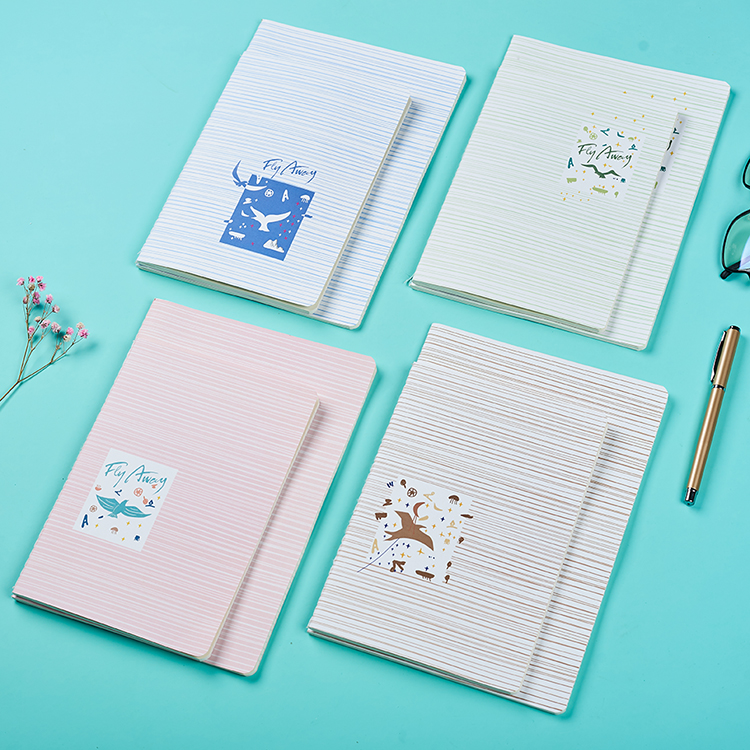
Develop notebooks, planners, journals, sketchbooks and writing portfolios with coordinated covers, page layouts, bindings and gift packaging. Define paper, artwork and order requirements for an item-specific sourcing proposal.
Explore this service ↗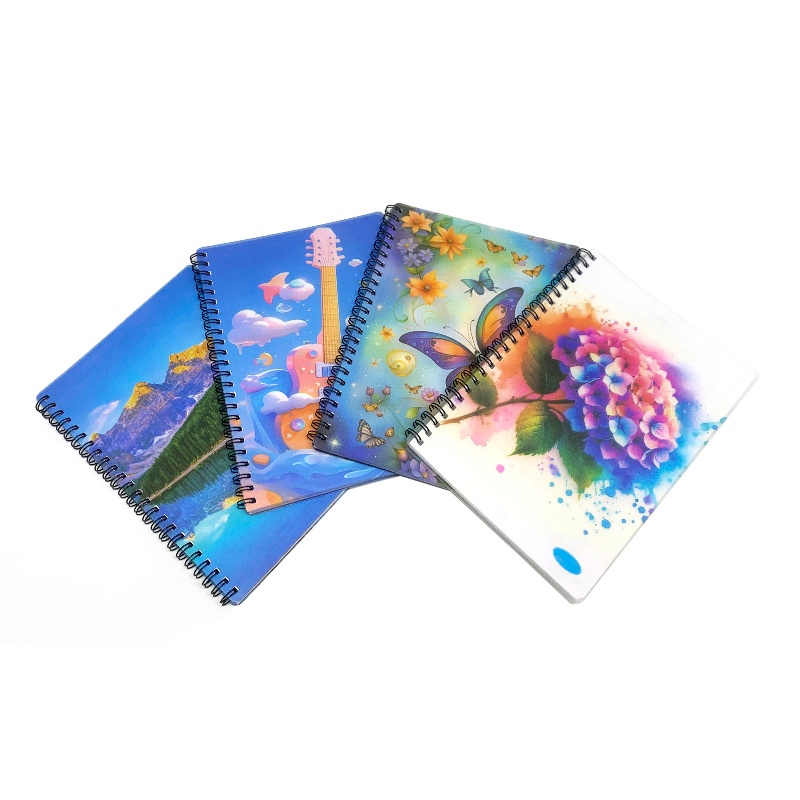
Develop school exercise books, wire-bound notebooks, composition books, drawing books and PU-cover journals. Define the paper, ruling, binding and cover finish, then review proofs and samples before agreeing the production specification.
Explore this service ↗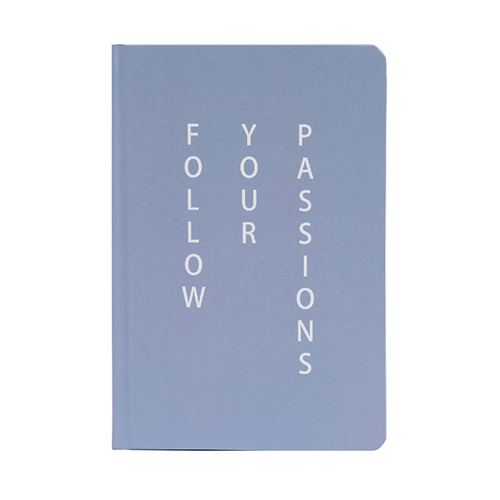
Develop office and student notebooks, diary formats, paper extras and selected workspace organizers. Compare paper, binding, cover decoration and packaging alongside clipboards, storage products and office-bin requirements.
Explore this service ↗
Build a school and office paper assortment around binding, ruling, trim and page count. Compare student exercise books, sewn and wire notebooks, music and tracing books, copy paper and filing accessories, with each item specified for its actual use.
Explore this service ↗Information basis: published product information reviewed . Reference details support a sourcing discussion. Current supply, samples and product-specific documents are confirmed for the selected item.