
Office and student notebooks
Plan paper, ruling, sheet count and binding around the use. Softcover, hardcover, stitched and spiral directions support different writing and retail positions.
Enquire about this range ↗Build the notebook. Organize the workspace.
Develop office and student notebooks, diary formats, paper extras and selected workspace organizers. Compare paper, binding, cover decoration and packaging alongside clipboards, storage products and office-bin requirements.
Manufacturing, product documents and order conditions depend on the model and supply route selected for your project.
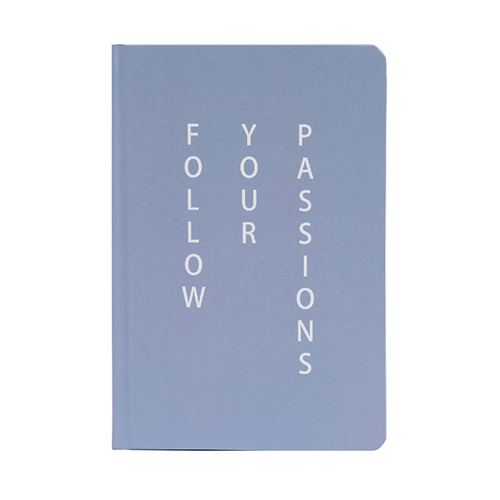
Start with a product reference, intended use and estimated quantity. We bring product selection, sample questions and quotation details into one conversation.
Email your reference image ↗Choose a focused product or discuss a coordinated assortment. Each direction can be developed into a more specific model and packaging brief.
Plan paper, ruling, sheet count and binding around the use. Softcover, hardcover, stitched and spiral directions support different writing and retail positions.
Enquire about this range ↗Choose a dated or undated layout and specify ring mechanism, refill fit, cover and closure. Nominal notebook size does not define hole spacing or replacement-paper compatibility.
Enquire about this range ↗Compare the actual cover substrate, feel, rigidity and decoration. Leather-style wording is a design direction that needs a material specification; it does not establish genuine leather.
Enquire about this range ↗Specify coil type, paper, perforation if needed, usable size and backing. Sketching requirements should define paper surface and weight independently from an office writing book.
Enquire about this range ↗Sticky-note and memo directions complement the notebook range. Set the sheet size, count, paper colour, adhesive and intended mounting surface.
Enquire about this range ↗Plastic, folding and covered document-board directions can support writing or organizing tasks. Specify usable paper size, clip, gauge, corners and required folding construction.
Enquire about this range ↗Discuss compartmented storage and other plastic organizers for the workspace. Define the items to store, dimensions, resin, finish and loading before selecting a design.
Enquire about this range ↗Office-bin and combined sorting directions extend the workspace assortment. Confirm capacity distribution, dimensions, lids and base requirements against the exact model.
Enquire about this range ↗Use these options to describe what you are buying. The public references identify your enquiry; the final model and specification are confirmed before an order.
Approve cover, paper shade, ruling, sheet count and actual trimmed dimensions. Branding and custom layouts can be quoted for the selected design.
Choose a complete coil, cover and paper configuration. Confirm the actual cover construction before approving a transparent-cover appearance.
Specify trimmed dimensions and sheets rather than treating a regional size label as a fixed measurement.
Define the paper, layout, count and actual size. No universal page count or formula is implied by the format name.
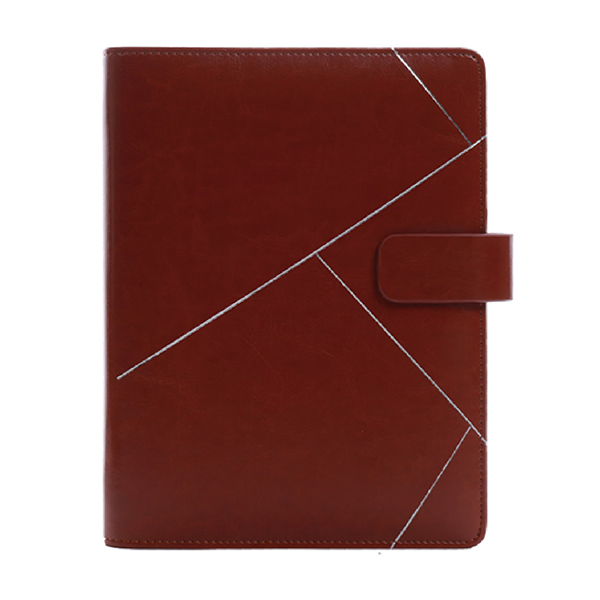
Choose ring count, spacing, refill size and cover material. The leather-style appearance does not establish genuine leather.
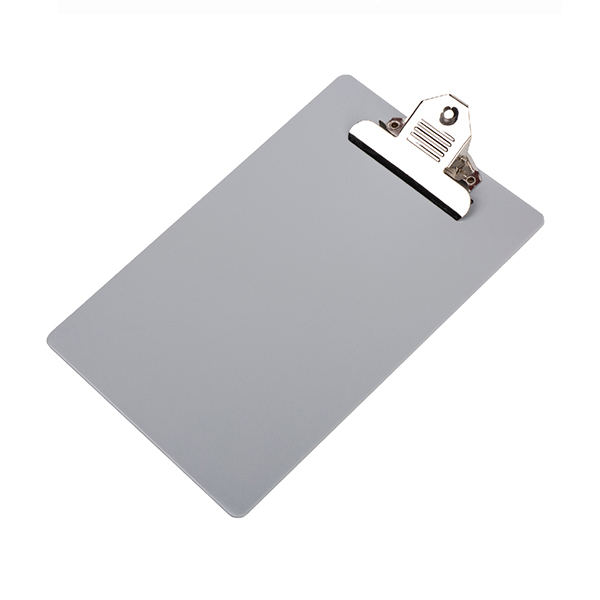
Confirm usable paper size, board gauge, clip opening and corner treatment for the intended writing or document task.

Define usable dimensions, compartment layout, resin, finish and intended load for the selected organizer.
Confirm total and per-section volume, dimensions, lids and base specification. Listed capacity does not establish wheel loading or waste-handling approval.
Define sheet size, number, paper, adhesive and intended surface. Agree repositioning and residue criteria with a sample.
Specify stitching, signatures, cover and sheet count for the chosen construction. Confirm opening behaviour and strength against the approved sample.
Finalize cover and paper construction from a current sample. Minimums and schedules shown in different parts of the listing require a current written quotation.
Reference specifications belong to separate products. Confirm trimmed dimensions for regional size labels, actual cover materials, paper and refill compatibility. Minimums, sample arrangements, packing and schedules are agreed for each selected configuration.
Focus the sourcing conversation on the features, materials and production details that make a difference to your product range.
Paper weight, opacity, ruling, page count and opening behaviour shape daily use. Agree these first, then choose a cover and retail presentation that support the intended price and purpose.
Coordinate cover artwork, embossing or foil, interior layout and packing in one approval file. Use the process suited to the actual cover substrate and confirm the result on a sample.
Notebooks can sit alongside writing boards, storage and selected office bins in a coordinated sourcing brief. Keep each material, size, load and inspection requirement distinct while planning the assortment.
Bring artwork, reference samples and a target cost. The available process, minimum quantity, sample charges and development scope are reviewed for the chosen option.
Submit drawings or a reference sample with dimensions, paper, binding and quantity. Custom development can be reviewed for the selected notebook or plastic item, with approval stages and charges stated in the proposal.
Discuss printed artwork, heat-sensitive embossing, foil stamping or screen printing where appropriate. Confirm the cover material, mark size, colour, position and finish durability before artwork approval.
Define ruling or dated layouts, sheets versus pages, refills, inserts and barcode or label copy. Tray or bagged packing is a starting point; specify the actual retail and shipping arrangement.
Agree which product characteristics need testing and how the approved sample relates to the bulk order.
Review writing behaviour, paper consistency, ruling, registration, trimming and binding strength. Confirm the approved sheet count and opening behaviour for the chosen construction.
Compare cover adhesion, corners, spine, foil or print, strap closure and rings where applicable. For clipboards, define clip opening, grip and edge finish against the intended paper load.
Confirm resin, wall thickness where relevant, dimensions, fit, lids and moving parts. Agree load or durability tests for the actual application instead of transferring notebook quality claims to storage or bins.
Test capability is a starting point for the inspection plan. Request the method, applicable model and results needed for your order.
Paper traceability, cover chemistry, management systems and finished-product performance require different evidence. Keep the current product specification and document scope tied to the actual order.
State the sales market, intended users and required files in your first enquiry. Current validity and scope are checked for the selected supplier and product; a category description does not certify every item.
Share your document requirements ↗Your sales channel changes the assortment, packaging and quality priorities. Tell us the intended use as well as the product name.
Build writing books, diaries and paper extras around the intended formats and users. Use explicit paper, layout and pack specifications for comparable quotations.
Coordinate cover artwork, logo process, inserts and gift presentation with approved samples. State quantities by design and the required destination date.
Combine suitable notebooks and writing boards with selected storage or office-bin products. Check the user requirements and material evidence for each item in the programme.
Samples, commercial terms and responsibilities are agreed for the project. Use the same product and packing specification when comparing quotations.
Product, reference image, quantity, sales market and timing.
Review configuration, materials, sample scope and relevant documents.
Agree artwork, packaging, sample, testing and inspection criteria.
Set price, payment, production, delivery and defect remedies in writing.
Practical answers about this sourcing direction, customization and the reference options. Your agreed specification and written quotation determine the actual order.
One A5 PU-based hardcover reference lists 100 lined sheets of 70 gsm paper. Treat it as a starting configuration and confirm the actual dimensions, ruling, cover and current production options.
Provide the required trimmed dimensions in millimetres. Labels such as 32K or 48K do not replace a drawing or size specification, and an A-label in a product title still needs confirmation for the actual item.
State the material required and request its declaration and sample. PU, PVC and leather-style titles must not be treated as proof of genuine leather.
Drawings or samples can support custom-production enquiries. Define ruling, dated layouts, sheet count, logo process, cover substrate and packing, then approve a sample.
Confirm refill dimensions, hole count and spacing, ring diameter and closure clearance. A nominal paper format alone does not establish mechanism compatibility.
Ask for a current quotation by item, design, paper and pack. Minimums vary with the configuration, decoration and available production route; no single quantity covers the full range.
Agree the current sample charges, approval milestones and production schedule in writing. Include artwork, materials, packing and destination date rather than relying on a generic duration.
Confirm total capacity and the volume of each section for the chosen model. Also specify dimensions, lids, wheels or base, resin and any loading requirement.
Factory Sourcing Hub handles this enquiry as an independent sourcing and trading service. The product route, supplier suitability, sample scope and order responsibilities are agreed for the actual project.
Send the product reference, quantities per variation, customization and packaging. Prices, minimums, sample charges and delivery dates are confirmed in a current quotation; the page is not a live inventory or price feed.
Yes. State whether you need a reference sample, a customized sample or development work. Agree the sample cost and shipping, approval specification, inspection plan and remedy for non-conforming goods before the bulk order.
Reference images, drawings, logo artwork and a product list are useful. Include quantities, the intended users and sales market, packaging, required documents and timing. After submitting the form, email attachments to kunhuow@gmail.com with your enquiry reference.
A reference picture or a short description is enough to begin. Add the details you already know; the optional fields help make the follow-up more useful.
Download the enquiry checklist ↓
Independent sourcing and trading service. Supplier choice, service costs and order conditions are discussed for your project.
Product selection, customization, samples and quotation enquiries.
Compare separate product ranges and prepare a brief that fits your assortment.
Develop a diary, planner, notebook, coil book or elastic-closure journal around your page plan and brand. Bring together cover materials, inner layouts, binding and packaging, then approve the construction and printed sample before a volume order.
Explore this service ↗
Build a school and office paper assortment around binding, ruling, trim and page count. Compare student exercise books, sewn and wire notebooks, music and tracing books, copy paper and filing accessories, with each item specified for its actual use.
Explore this service ↗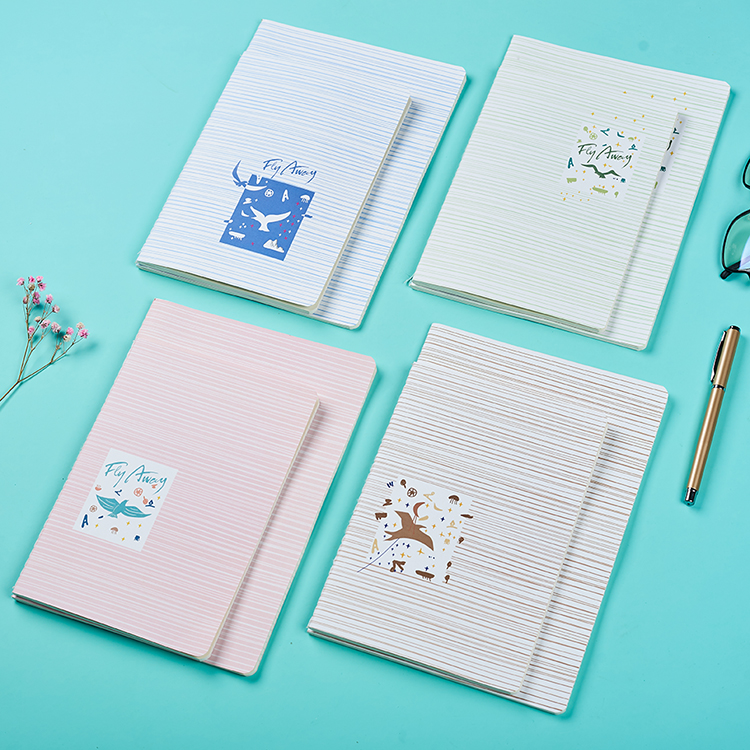
Develop notebooks, planners, journals, sketchbooks and writing portfolios with coordinated covers, page layouts, bindings and gift packaging. Define paper, artwork and order requirements for an item-specific sourcing proposal.
Explore this service ↗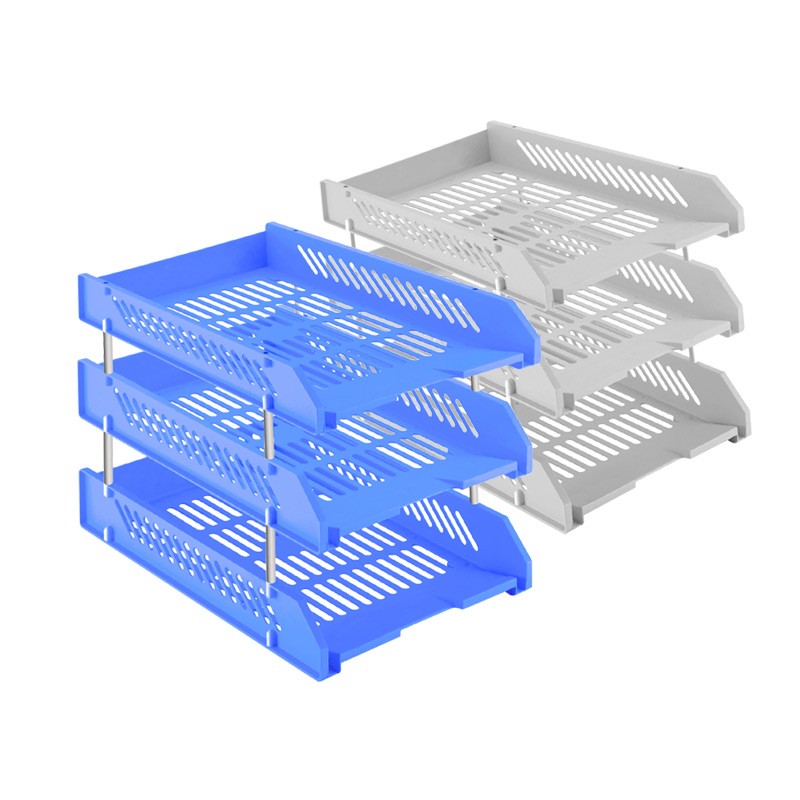
Source filing and presentation products, expanding files, zipped document bags, card holders and desk organizers. Compare formats, pockets, ring mechanisms, dimensions and packing to build a coordinated office range.
Explore this service ↗Information basis: published product information reviewed . Reference details support a sourcing discussion. Current supply, samples and product-specific documents are confirmed for the selected item.